
 EN
EN
When it comes to vehicle suspension components, the lower control arm plays a crucial role in maintaining proper wheel alignment and ensuring smooth driving dynamics. Many car owners seek affordable alternatives when replacing these essential parts, leading them to explore options for a cheap lower control arm that doesn't compromise on quality or performance. Understanding how to maximize the lifespan of budget-friendly suspension components can save significant money while maintaining vehicle safety and reliability.
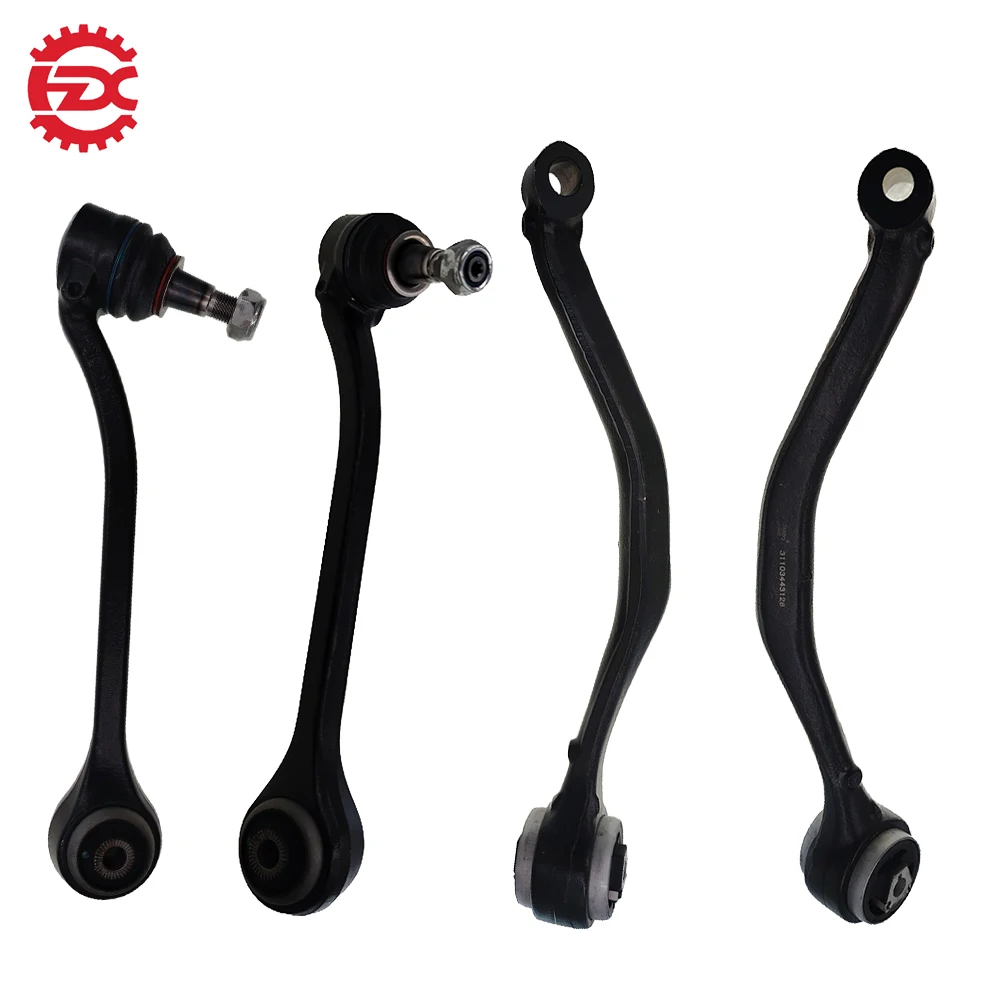
The lower control arm connects the vehicle's frame to the wheel assembly, allowing for controlled movement during suspension travel while maintaining proper geometry. This critical component endures constant stress from road conditions, weight transfer during acceleration and braking, and the natural wear that occurs over thousands of miles of operation. Even when purchasing a cheap lower control arm, proper installation and maintenance practices can significantly extend its operational life and ensure reliable performance for years to come.
Understanding Lower Control Arm Function and Design
Basic Control Arm Mechanics
The lower control arm serves as a pivotal link between the vehicle's chassis and the wheel hub assembly. This triangular or A-shaped component allows vertical wheel movement while preventing unwanted lateral motion that could compromise steering precision and tire wear patterns. When selecting a cheap lower control arm, understanding these fundamental mechanics helps identify quality components that will perform reliably despite their budget-friendly pricing.
Modern control arms incorporate ball joints, bushings, and mounting points that must withstand tremendous forces during normal driving conditions. The design must accommodate suspension travel while maintaining precise geometric relationships between the wheel and chassis. Quality manufacturers of affordable control arms use proven engineering principles and materials that provide adequate strength and durability for typical vehicle applications.
Material Composition and Manufacturing
Budget-conscious consumers can find a cheap lower control arm manufactured from various materials including stamped steel, cast iron, or lightweight aluminum alloys. Each material offers specific advantages in terms of cost, weight, and durability characteristics. Stamped steel control arms provide excellent strength-to-cost ratios and are commonly found in aftermarket replacement applications where affordability is prioritized without sacrificing basic functionality.
The manufacturing process significantly impacts the longevity of any control arm, regardless of price point. Quality budget manufacturers employ proper welding techniques, surface treatments, and precision machining to ensure consistent performance. Understanding these manufacturing details helps consumers identify cheap lower control arm options that offer the best value proposition for their specific vehicle and driving requirements.
Proper Installation Techniques for Maximum Longevity
Pre-Installation Preparation
Successful installation of a cheap lower control arm begins with thorough preparation and the right tools. Professional-grade equipment including proper jacks, stands, and torque wrenches ensures safe and accurate installation that maximizes component lifespan. Preparing the work area and gathering all necessary hardware prevents delays that could lead to rushed installation procedures and potential problems.
Cleaning the mounting surfaces and inspecting related components before installation helps identify potential issues that could affect the new control arm's performance. Corroded or damaged mounting points, worn bushings in adjacent components, or misaligned suspension geometry can all contribute to premature failure of even high-quality replacement parts. Taking time for proper preparation sets the foundation for long-term reliability.
Torque Specifications and Assembly Sequence
Following manufacturer torque specifications precisely is critical when installing any suspension component, especially when working with a cheap lower control arm where proper stress distribution is essential for longevity. Under-torquing can allow movement that causes accelerated wear, while over-torquing may stress the component beyond its design limits or damage threads and mounting surfaces.
The assembly sequence affects how forces are distributed through the control arm and its mounting points. Installing components in the correct order and achieving proper preload ensures that all elements work together as designed. This attention to detail during installation can significantly extend the service life of budget-friendly suspension components and prevent costly comebacks or safety issues.
Maintenance Strategies for Extended Service Life
Regular Inspection Protocols
Implementing a systematic inspection routine helps identify potential issues before they lead to failure of a cheap lower control arm. Visual inspections should focus on ball joint condition, bushing integrity, and signs of stress or deformation in the main arm structure. Early detection of wear patterns or damage allows for proactive maintenance that can prevent more expensive repairs or safety hazards.
Establishing inspection intervals based on mileage, time, or driving conditions helps maintain awareness of component condition throughout its service life. Vehicles subjected to harsh driving conditions, frequent heavy loads, or aggressive driving styles may require more frequent inspections to ensure continued safe operation. Documentation of inspection findings creates a maintenance history that can inform future service decisions.
Lubrication and Protection Measures
Proper lubrication of serviceable components extends the operational life of any control arm assembly. Ball joints and bushings that accept grease should be serviced according to manufacturer recommendations using appropriate lubricants. Even sealed components benefit from external protection against corrosion and contamination that can accelerate wear processes.
Environmental protection measures such as regular cleaning and application of protective coatings help preserve the structural integrity of a cheap lower control arm. Road salt, debris, and moisture can cause corrosion that weakens the component and leads to premature failure. Simple maintenance practices like washing the undercarriage and applying rust preventative treatments can significantly extend service life.
Identifying Quality Budget Options
Manufacturer Reputation and Warranties
Selecting a cheap lower control arm from reputable manufacturers with established track records helps ensure adequate quality and performance. Companies that specialize in aftermarket suspension components often offer products that meet or exceed original equipment specifications while maintaining competitive pricing. Researching manufacturer reputation, customer reviews, and industry certifications provides valuable insight into product reliability.
Warranty coverage reflects manufacturer confidence in their products and provides protection against defects or premature failure. Even budget-priced components should include reasonable warranty terms that demonstrate the manufacturer's commitment to quality. Understanding warranty limitations and requirements helps set appropriate expectations and ensures proper recourse if issues arise.
Compatibility and Application Considerations
Ensuring proper fitment is crucial when selecting a cheap lower control arm for any vehicle application. Incorrect part numbers, incomplete compatibility information, or modifications required for installation can lead to problems that negate any cost savings. Thorough verification of application details prevents costly mistakes and ensures optimal performance from budget-friendly components.
Vehicle-specific design considerations such as suspension geometry, mounting configurations, and load requirements all affect control arm selection and performance. Understanding these application details helps identify cheap lower control arm options that provide the best combination of affordability, reliability, and performance for specific vehicle requirements and usage patterns.
Performance Optimization and Upgrades
Complementary Component Selection
Maximizing the performance and longevity of a cheap lower control arm often involves careful selection of complementary suspension components. High-quality bushings, ball joints, and hardware can enhance the overall system performance even when working with budget-friendly main components. This approach allows for cost-effective upgrades that improve reliability and durability.
Balancing component quality throughout the suspension system prevents weak links that could compromise overall performance. Mixing premium and budget components requires understanding how different quality levels interact and affect system dynamics. Strategic component selection can achieve excellent results while maintaining reasonable overall costs for suspension repairs or upgrades.
Alignment and Geometry Considerations
Proper wheel alignment following installation of a cheap lower control arm ensures optimal tire wear, handling characteristics, and component longevity. Misalignment places additional stress on suspension components and can cause premature failure even in high-quality parts. Professional alignment services provide the precision required to maximize the investment in new suspension components.
Understanding suspension geometry principles helps identify when additional adjustments or modifications may be necessary to achieve optimal results. Factors such as ride height, camber angles, and toe settings all interact to affect vehicle dynamics and component wear patterns. Attention to these details during installation and setup ensures that budget-friendly components perform to their full potential.
Troubleshooting Common Issues
Early Warning Signs
Recognizing early warning signs of control arm problems allows for timely intervention that can prevent more serious issues or safety hazards. Unusual noises, vibrations, or changes in steering feel may indicate developing problems with a cheap lower control arm or related components. Prompt attention to these symptoms can prevent minor issues from becoming major repairs.
Tire wear patterns often provide the first indication of suspension problems or alignment issues. Irregular wear, excessive wear rates, or unusual patterns can signal problems with control arm function or installation. Regular tire inspections and rotation practices help identify these issues early and maintain optimal performance from all suspension components.
Diagnostic Procedures
Systematic diagnostic procedures help isolate problems and determine appropriate corrective actions when issues arise with a cheap lower control arm installation. Visual inspections, physical testing of ball joints and bushings, and measurement of suspension geometry provide comprehensive assessment of component condition and system performance.
Professional diagnostic equipment can identify subtle problems that may not be apparent during basic inspections. Alignment machines, electronic measuring systems, and specialized tools help ensure accurate diagnosis and appropriate repair procedures. Understanding when professional diagnosis is necessary prevents misdiagnosis and unnecessary component replacement.
FAQ
How long should a cheap lower control arm last compared to OEM parts
A quality cheap lower control arm can provide 60,000 to 100,000 miles of service when properly installed and maintained, which is comparable to many OEM components. The key difference often lies in material quality and manufacturing precision rather than fundamental design differences. With proper care and installation, budget-friendly options can deliver reliable performance that meets most drivers' needs and expectations.
What are the most important factors to consider when buying an affordable control arm
The most critical factors include verified fitment for your specific vehicle, manufacturer reputation, warranty coverage, and included hardware quality. Proper part numbers, customer reviews, and technical specifications help ensure you select a cheap lower control arm that provides reliable performance. Additionally, consider the total cost including installation and any required complementary parts when making your decision.
Can I install a cheap lower control arm myself or should I use a professional
While mechanically inclined individuals can install control arms with proper tools and knowledge, professional installation is recommended for safety and warranty purposes. The job requires specific torque specifications, proper sequence, and post-installation alignment that affects vehicle safety and component longevity. Professional installation ensures proper procedures and provides recourse if issues arise during or after the installation process.
How do I know if my cheap lower control arm is failing
Common signs of control arm failure include unusual clunking noises over bumps, excessive tire wear, steering wheel vibration, or changes in vehicle handling characteristics. Visual inspection may reveal cracked bushings, loose ball joints, or physical damage to the control arm structure. Any of these symptoms warrant immediate professional inspection to determine the extent of the problem and ensure continued safe operation of the vehicle.