
 EN
EN
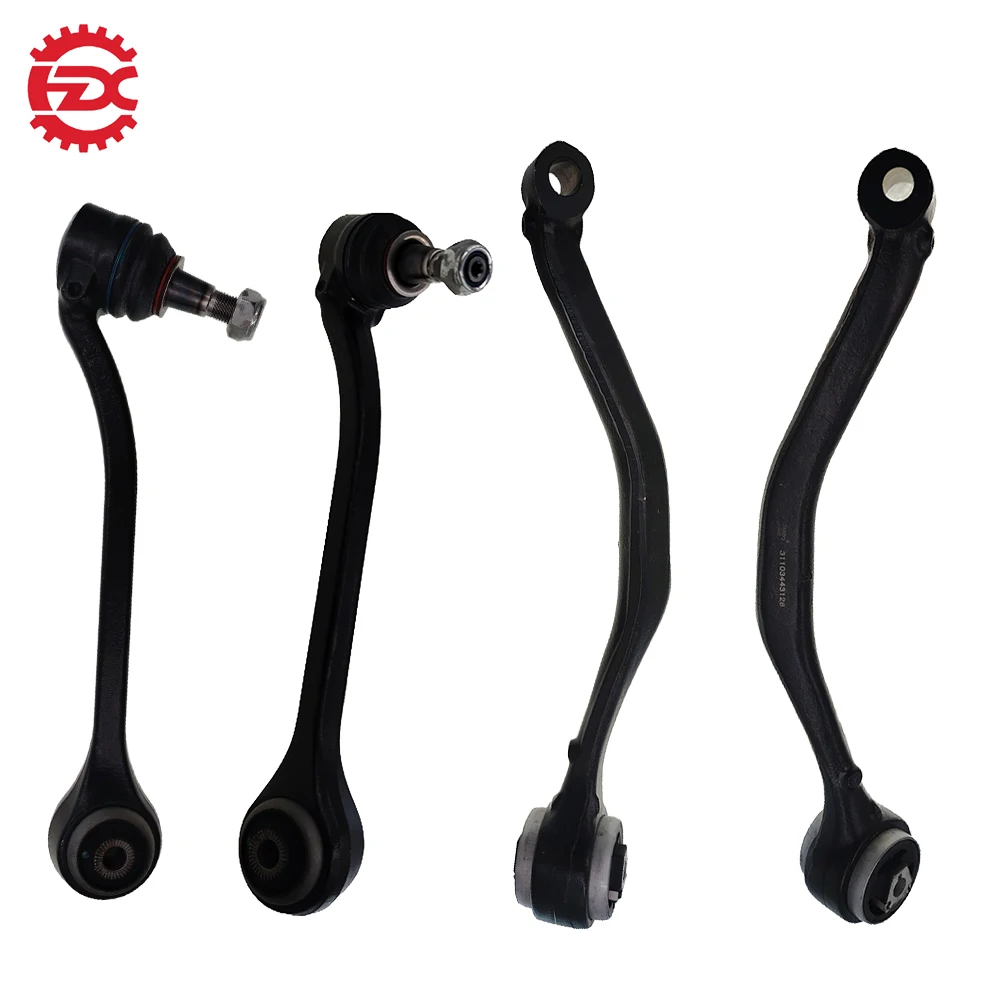
When automotive repair costs escalate beyond budget expectations, finding a cheap lower control arm that maintains quality becomes paramount for vehicle owners and mechanics alike. The lower control arm serves as a critical suspension component that connects the vehicle's frame to the wheel assembly, directly influencing ride comfort, steering precision, and overall safety. Understanding how to identify cost-effective options without compromising performance requires careful evaluation of materials, manufacturing standards, and compatibility specifications.
The suspension system's integrity depends heavily on the lower control arm's ability to withstand constant stress from road irregularities, weight distribution, and steering forces. Modern vehicles place increasing demands on these components, making the selection process more complex than ever before. Budget-conscious consumers often face the dilemma of choosing between expensive OEM parts and potentially unreliable aftermarket alternatives, creating a need for informed decision-making strategies.
Market analysis reveals significant price variations among control arm manufacturers, with some brands offering substantial savings without proportional quality reduction. Professional mechanics frequently encounter situations where clients require immediate repairs but lack funds for premium components, necessitating careful sourcing of affordable yet dependable alternatives. The key lies in understanding which compromises are acceptable and which features remain non-negotiable for safe vehicle operation.
Understanding Control Arm Construction and Materials
Steel Versus Aluminum Construction
Steel construction remains the most common material choice for budget-oriented control arms due to its excellent strength-to-cost ratio and proven durability in various driving conditions. Manufacturing processes for steel control arms have evolved significantly, allowing producers to create lightweight yet robust components that compete effectively with more expensive alternatives. The forging and stamping techniques employed by reputable manufacturers ensure consistent quality while maintaining competitive pricing structures.
Aluminum control arms offer weight reduction benefits but typically command higher prices due to material costs and specialized manufacturing requirements. However, some manufacturers have developed cost-effective aluminum options that provide excellent value propositions for performance-oriented applications. The corrosion resistance of aluminum becomes particularly valuable in regions with harsh weather conditions or frequent salt exposure, potentially offsetting the initial price premium through extended service life.
Bushing Quality and Replacement Considerations
Control arm bushings represent critical wear points that significantly impact overall component longevity and vehicle performance characteristics. A cheap lower control arm with quality bushings often outperforms more expensive alternatives equipped with inferior rubber compounds or inadequate bonding techniques. Polyurethane bushings, while slightly more expensive than standard rubber, provide enhanced durability and consistent performance throughout extended service intervals.
Serviceable bushing designs allow for individual component replacement without purchasing entire control arm assemblies, creating long-term cost advantages despite potentially higher initial investment. Some manufacturers offer control arms with pre-installed lifetime bushings, eliminating future maintenance requirements and reducing total ownership costs. Understanding these design differences helps consumers make informed decisions based on their specific usage patterns and maintenance preferences.
Identifying Quality Indicators in Budget Components
Manufacturing Standards and Certifications
ISO certification and other quality management standards provide reliable indicators of manufacturing consistency and product reliability, even in budget-priced control arms. Companies investing in proper quality control systems typically produce components that meet or exceed OEM specifications while maintaining competitive pricing through efficient production methods. These certifications ensure that cost reductions come from operational efficiency rather than material or process compromises.
Third-party testing and validation services offer additional assurance when evaluating budget control arm options from lesser-known manufacturers. Independent verification of strength ratings, fatigue resistance, and dimensional accuracy helps separate legitimate value products from potentially problematic alternatives. Professional installers often maintain databases of tested components, providing valuable insights into real-world performance characteristics across different price ranges.
Surface Treatments and Corrosion Protection
Powder coating and other protective finishes significantly impact control arm longevity, particularly in challenging environmental conditions where salt and moisture accelerate corrosion processes. A cheap lower control arm with proper surface treatment often provides superior long-term value compared to unprotected alternatives, regardless of initial price differences. Advanced coating technologies have become more accessible, allowing budget manufacturers to offer enhanced protection without substantial cost increases.
Galvanization and zinc plating represent traditional protection methods that remain effective for budget-conscious applications, providing adequate corrosion resistance at minimal additional cost. These treatments work particularly well in moderate climate conditions where extreme environmental exposure is unlikely. Understanding the appropriate protection level for specific applications helps optimize the balance between initial cost and expected service life.
Compatibility and Fitment Considerations
OEM Specification Matching
Precise dimensional accuracy ensures proper alignment geometry and suspension performance, making careful specification verification essential when selecting budget control arms. Aftermarket manufacturers sometimes modify designs to reduce production costs, potentially creating fitment issues or performance variations that compromise vehicle safety and handling characteristics. Cross-referencing multiple specification sources helps identify potential discrepancies before purchase and installation.
Vehicle-specific engineering requirements vary significantly between manufacturers and model years, affecting control arm design parameters beyond basic dimensional considerations. Suspension geometry, ball joint configurations, and mounting point specifications must align perfectly with original equipment designs to maintain proper vehicle dynamics. Budget options that strictly adhere to OEM specifications typically provide better long-term satisfaction than modified designs offering minimal cost savings.
Installation Hardware and Accessories
Complete hardware packages included with budget control arms reduce total project costs and ensure proper installation procedures using manufacturer-specified components. Missing or inadequate fasteners can create safety hazards and additional expenses that negate initial savings, making comprehensive kits more valuable despite slightly higher upfront costs. Professional installers appreciate complete packages that eliminate sourcing delays and compatibility concerns during repair procedures.
Torque specifications and installation instructions provided by budget manufacturers help ensure proper assembly and optimal performance from cost-effective components. Detailed documentation demonstrates manufacturer commitment to product support and user success, indicating higher likelihood of satisfactory long-term performance. Components lacking adequate installation guidance may require additional research and professional consultation, increasing overall project costs.
Performance Testing and Reliability Assessment
Fatigue Testing and Durability Validation
Accelerated testing protocols simulate years of normal operation in compressed timeframes, providing valuable insights into expected service life for budget control arm options. Manufacturers employing rigorous testing procedures typically produce more reliable components despite cost constraints, as systematic validation identifies potential failure modes before market introduction. Understanding testing methodologies helps consumers evaluate manufacturer claims and make informed purchasing decisions.
Field testing data from professional installers and fleet operators offers real-world performance validation that laboratory testing cannot fully replicate. These practical evaluations reveal how budget components perform under various operating conditions and usage patterns, providing valuable insights into expected reliability and maintenance requirements. Accessing this information through professional networks or online communities helps identify consistently reliable budget options.
Warranty Coverage and Support Policies
Comprehensive warranty programs indicate manufacturer confidence in product quality and provide financial protection against premature failures, making them particularly valuable for budget purchases where replacement costs could exceed initial savings. Extended warranty periods suggest superior materials and manufacturing processes, even in cost-conscious product lines. Comparing warranty terms across different manufacturers helps identify companies standing behind their budget offerings.
Customer support accessibility and responsiveness become crucial when issues arise with budget components, as inadequate support can transform minor problems into major expenses. Manufacturers maintaining professional customer service operations demonstrate commitment to product success beyond initial sales, increasing likelihood of satisfactory problem resolution. Evaluating support quality through customer reviews and professional feedback helps predict post-purchase experience quality.
Cost-Benefit Analysis Strategies
Total Ownership Cost Calculations
Long-term cost analysis must include installation labor, potential warranty repairs, and expected replacement intervals to accurately compare budget options against premium alternatives. A cheap lower control arm requiring frequent replacement may ultimately cost more than a higher-priced component with extended service life, making detailed cost projections essential for optimal decision-making. Professional mechanics often maintain historical data on component longevity that informs these calculations.
Vehicle usage patterns significantly impact component wear rates and replacement schedules, affecting total ownership cost calculations for different control arm options. High-mileage drivers may benefit from premium components with extended service intervals, while occasional-use vehicles might achieve optimal value from budget alternatives. Understanding these usage-based considerations helps optimize component selection for specific applications and driving habits.
Market Timing and Purchasing Strategies
Seasonal demand fluctuations create opportunities for significant savings on quality control arm components, particularly during slower repair periods when suppliers offer promotional pricing. Professional buyers often time purchases to coincide with these market conditions, achieving substantial cost reductions without quality compromises. Monitoring market trends and supplier promotions helps identify optimal purchasing windows for budget-conscious consumers.
Bulk purchasing and group buying strategies can reduce per-unit costs for budget control arms while maintaining quality standards through volume purchasing power. Professional shops and automotive clubs sometimes coordinate purchases to achieve better pricing on reliable components, sharing benefits among members. These collaborative approaches help bridge the gap between individual budget constraints and quality component requirements.
Installation Best Practices for Budget Components
Proper Torque Specifications and Assembly Procedures
Correct installation procedures become particularly critical with budget components, as manufacturing tolerances may be tighter and quality margins smaller than premium alternatives. Following manufacturer torque specifications exactly ensures optimal stress distribution and prevents premature failures that could compromise safety and reliability. Professional installers often employ additional verification steps when working with budget components to ensure proper assembly.
Pre-installation inspection procedures help identify potential quality issues before installation, preventing costly labor waste and potential safety hazards from defective components. Visual examination of machining quality, surface finishes, and dimensional accuracy can reveal problems that might not become apparent until after installation. This proactive approach protects both installer reputation and customer satisfaction when working with budget alternatives.
Alignment and Geometry Verification
Post-installation alignment checks ensure that budget control arms maintain proper suspension geometry and vehicle handling characteristics, validating successful component integration. Dimensional variations in budget components may require minor alignment adjustments to achieve optimal performance, making professional alignment services particularly valuable after budget component installation. These verification steps help maximize performance potential from cost-effective components.
Baseline measurements before installation provide reference points for evaluating component performance and identifying potential issues early in service life. Professional installers often document these measurements to support warranty claims and track component performance over time. This systematic approach helps distinguish between component quality issues and installation-related problems when performance concerns arise.
FAQ
How can I verify the quality of a cheap lower control arm before purchase
Quality verification involves checking manufacturer certifications, examining customer reviews from verified purchases, and confirming proper packaging and documentation. Look for ISO certifications, detailed installation instructions, and comprehensive warranty coverage as indicators of manufacturer commitment to quality. Professional installer feedback and independent testing results provide additional validation of component reliability and performance characteristics.
What are the risks of choosing the cheapest available control arm option
Extremely low-priced control arms may use substandard materials, inadequate manufacturing processes, or lack proper quality control measures that could lead to premature failure and safety hazards. Insufficient corrosion protection, poor bushing quality, and dimensional inaccuracies represent common problems with bottom-tier components. Balancing cost savings against safety requirements and long-term reliability helps identify the optimal price point for specific applications.
How do budget control arms compare to OEM parts in terms of performance
Quality budget control arms often match or exceed OEM performance specifications while offering significant cost savings through efficient manufacturing and simplified distribution channels. However, some budget options may use different materials or modified designs that could affect handling characteristics or service life. Careful specification comparison and performance validation help identify budget alternatives that maintain OEM-equivalent performance standards.
What warranty should I expect from a reliable budget control arm manufacturer
Reputable budget manufacturers typically offer warranties ranging from one to three years, depending on component type and intended application. Comprehensive coverage should include material defects, manufacturing flaws, and premature wear under normal operating conditions. Extended warranty periods and responsive customer support indicate manufacturer confidence in product quality and commitment to customer satisfaction beyond initial purchase.