
 EN
EN
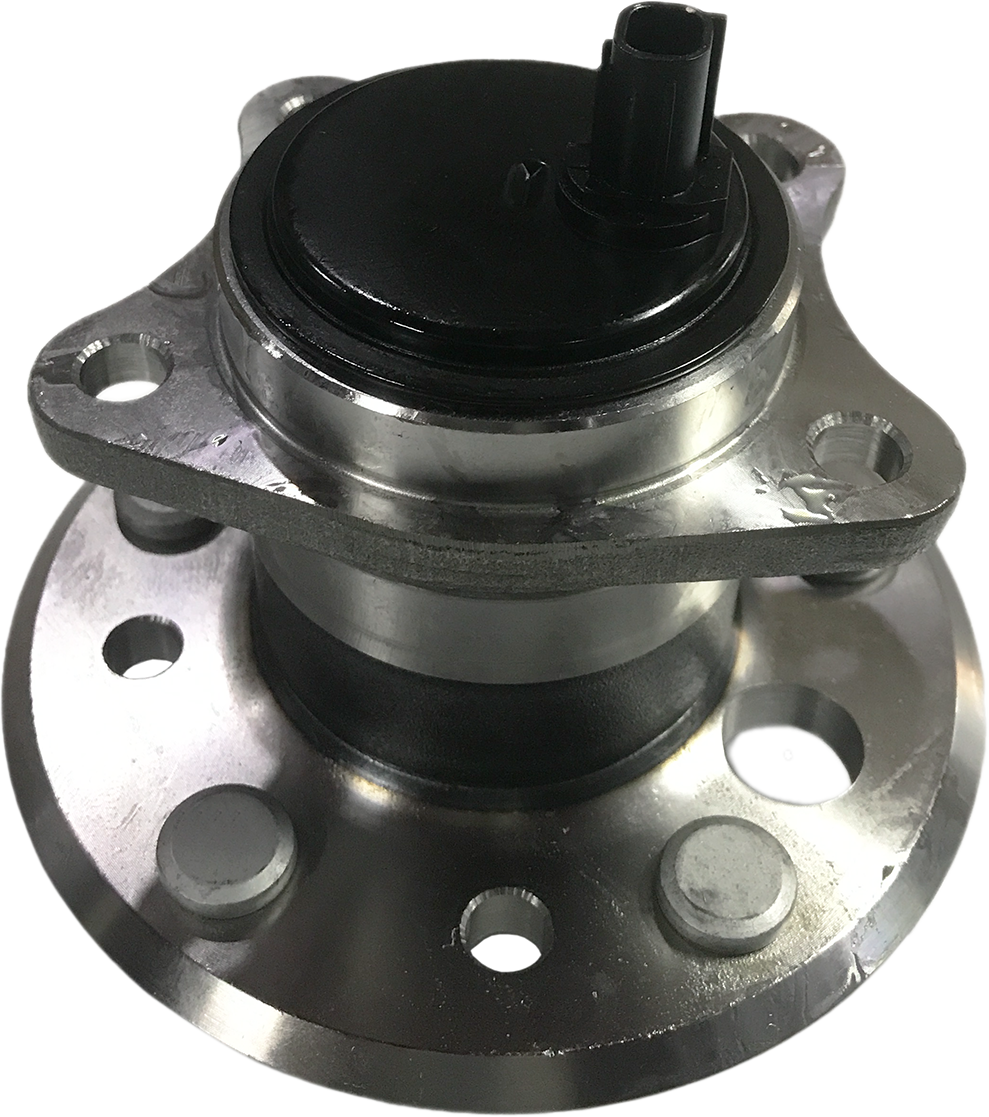
The lower control arm serves as a critical component in modern vehicle suspension systems, connecting the vehicle's chassis to the wheel hub assembly. This pivotal element maintains proper wheel alignment, absorbs road impacts, and ensures optimal handling characteristics across various driving conditions. Understanding the fundamental design principles behind lower control arm engineering helps automotive professionals, mechanics, and enthusiasts make informed decisions about suspension maintenance and upgrades.
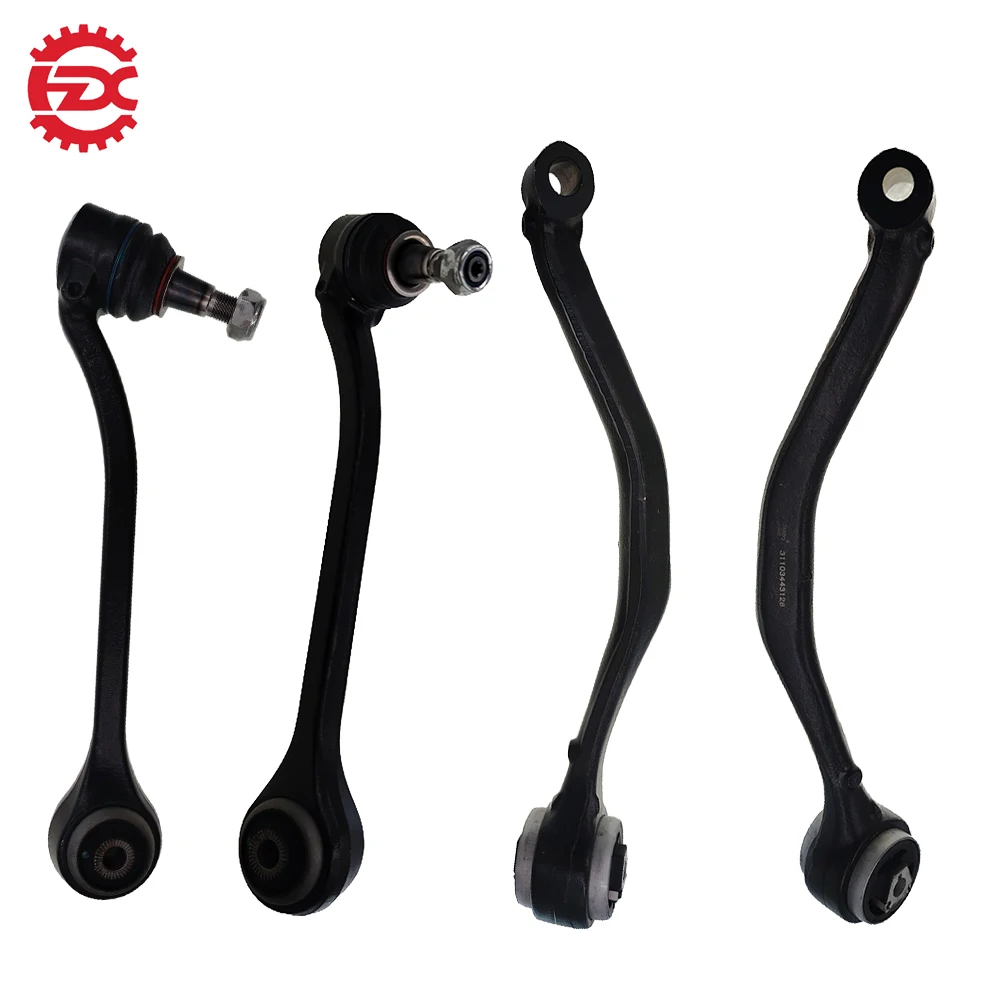
Modern automotive suspension systems rely heavily on precise engineering tolerances and robust materials to deliver consistent performance over extended service intervals. The lower control arm plays an instrumental role in this complex mechanical orchestra, working in conjunction with springs, struts, and stabilizer bars to maintain vehicle stability. Engineers must consider multiple factors including stress distribution, fatigue resistance, and environmental durability when developing these essential components.
Material Selection and Manufacturing Excellence
Steel Alloy Composition Standards
The foundation of any reliable lower control arm begins with proper material selection, where high-strength steel alloys dominate the manufacturing landscape. These specialized alloys must withstand tremendous forces while maintaining dimensional stability throughout the component's service life. Carbon steel variants offer excellent strength-to-weight ratios, while advanced high-strength steel formulations provide superior fatigue resistance under cyclic loading conditions.
Manufacturing processes heavily influence the final performance characteristics of each lower control arm assembly. Hot forging techniques create dense, uniform grain structures that enhance overall durability, while precision machining ensures critical dimensional tolerances are maintained. Surface treatments including phosphating and powder coating provide corrosion resistance, extending component longevity in harsh environmental conditions.
Alternative Material Technologies
Aluminum alloys present compelling alternatives for weight-conscious applications, offering significant mass reduction benefits without compromising structural integrity. These lightweight materials excel in performance-oriented vehicles where unsprung weight reduction directly impacts handling responsiveness and fuel efficiency. However, aluminum lower control arm designs require specialized welding techniques and surface treatments to achieve comparable durability standards.
Composite materials continue emerging as viable options for specific applications, particularly in motorsport and high-performance vehicle segments. Carbon fiber reinforced polymers deliver exceptional strength-to-weight ratios while providing natural vibration damping characteristics. Manufacturing complexity and cost considerations currently limit widespread adoption of composite lower control arm designs in mainstream automotive applications.
Structural Design Optimization
Load Path Analysis
Effective lower control arm design requires comprehensive understanding of force vectors and load distribution patterns throughout the suspension travel range. Primary loads include vertical forces from road surface irregularities, lateral forces during cornering maneuvers, and longitudinal forces during acceleration and braking events. Engineers utilize finite element analysis to optimize material distribution and minimize stress concentrations at critical junction points.
The geometric configuration of each lower control arm directly influences suspension kinematics and vehicle handling characteristics. Proper mounting point positioning ensures optimal camber and caster angles throughout suspension travel, maintaining tire contact patch geometry for maximum traction. Strategic reinforcement placement addresses high-stress areas while minimizing overall component weight and manufacturing complexity.
Bushing Integration Strategies
Rubber bushings serve as critical interface points between the lower control arm and vehicle chassis, providing necessary compliance while maintaining structural integrity. Advanced elastomer formulations balance isolation characteristics with positional accuracy, preventing excessive deflection under load while absorbing vibration and noise. Polyurethane alternatives offer increased durability and reduced deflection for performance applications requiring enhanced suspension precision.
Ball joint integration represents another crucial design consideration, as these components must accommodate multi-directional articulation while maintaining precise positioning. Modern lower control arm designs incorporate serviceable ball joints to facilitate maintenance, while sealed units provide extended service intervals in harsh operating environments.
Safety and Reliability Considerations
Fatigue Testing Protocols
Comprehensive fatigue testing ensures each lower control arm design meets stringent safety requirements throughout its intended service life. Accelerated testing protocols simulate years of real-world driving conditions in controlled laboratory environments, identifying potential failure modes before components reach production. These rigorous evaluation procedures include cyclic loading tests, environmental exposure testing, and impact resistance assessments.
Crack propagation analysis helps engineers understand how microscopic defects might develop into catastrophic failures over time. Non-destructive testing methods including magnetic particle inspection and ultrasonic examination detect internal flaws that could compromise component integrity. Manufacturing quality control processes incorporate these inspection techniques to ensure consistent product reliability across production runs.
Safety Factor Implementation
Conservative design approaches incorporate substantial safety margins to account for manufacturing variations, material property scatter, and unexpected loading conditions. Typical safety factors for lower control arm applications range from three to five times the expected maximum service loads, providing adequate protection against premature failure. These margins also accommodate potential degradation from corrosion, wear, or impact damage over the component's service life.
Regulatory compliance requirements mandate specific testing procedures and performance criteria for suspension components, ensuring consistent safety standards across different manufacturers and vehicle applications. These standards address structural integrity, durability requirements, and failure mode characteristics to protect vehicle occupants and other road users.
Performance Optimization Techniques
Weight Reduction Strategies
Minimizing lower control arm mass contributes significantly to overall vehicle performance by reducing unsprung weight, which directly impacts suspension responsiveness and tire contact patch control. Advanced manufacturing techniques including hydroforming create hollow structures that maintain strength while eliminating unnecessary material. Strategic material removal through machining operations further reduces weight without compromising structural integrity.
Topology optimization algorithms help engineers identify optimal material distribution patterns, ensuring strength requirements are met with minimum mass. These computational tools analyze stress distribution under various loading scenarios, highlighting areas where material can be safely removed. The resulting designs often feature organic, skeletal appearances that maximize strength-to-weight ratios.
Aerodynamic Considerations
Modern lower control arm designs increasingly incorporate aerodynamic optimization to reduce drag and manage airflow around the wheel well area. Smooth, streamlined surfaces minimize turbulence that could negatively impact vehicle efficiency or stability at higher speeds. Some applications feature integrated air deflectors or channels that direct cooling air toward brake components or away from sensitive areas.
Underbody airflow management represents a growing focus area for automotive engineers, as improved aerodynamic efficiency directly translates to reduced fuel consumption and enhanced high-speed stability. Lower control arm shapes contribute to overall underbody smoothness, requiring careful coordination between suspension and aerodynamics engineering teams during vehicle development.
Installation and Maintenance Guidelines
Proper Installation Procedures
Correct lower control arm installation procedures ensure optimal performance and longevity while maintaining vehicle safety standards. Torque specifications must be followed precisely, as both under-tightening and over-tightening can lead to premature component failure or compromised performance. Professional installation typically requires specialized tools and equipment to achieve proper alignment and prevent damage during assembly.
Suspension geometry settings require careful attention during lower control arm replacement, as improper alignment can cause accelerated tire wear, handling problems, and reduced component life. Professional wheel alignment following installation ensures all suspension components work together harmoniously to deliver intended performance characteristics.
Maintenance Inspection Points
Regular inspection of lower control arm components helps identify potential issues before they develop into safety concerns or expensive repairs. Visual examination should focus on bushing condition, crack development, and excessive corrosion that might compromise structural integrity. Ball joint play measurement using appropriate tools reveals wear patterns that indicate approaching replacement intervals.
Environmental factors significantly influence lower control arm maintenance requirements, with salt exposure, extreme temperatures, and road debris accelerating component degradation. Vehicles operated in harsh conditions may require more frequent inspection intervals to ensure continued safe operation. Protective coatings and regular cleaning help extend component life in challenging operating environments.
Advanced Manufacturing Technologies
Precision Forging Processes
Modern forging techniques produce lower control arm components with superior grain structure and mechanical properties compared to traditional casting methods. Closed-die forging creates dense, uniform material properties while achieving near-net shapes that minimize subsequent machining requirements. These processes enable complex geometries that optimize strength distribution while reducing material waste and manufacturing costs.
Computer-controlled forging systems maintain precise temperature and pressure parameters throughout the forming process, ensuring consistent quality across production runs. Advanced die designs incorporate multiple forming stages to achieve complex shapes without compromising material integrity or introducing stress concentrations that could lead to premature failure.
Surface Treatment Innovations
Advanced surface treatment technologies enhance lower control arm durability and appearance while providing superior corrosion resistance. Electrocoating processes create uniform, adherent protective layers that penetrate into complex geometries and recessed areas. Powder coating systems offer exceptional durability and environmental resistance while providing attractive finish options for visible components.
Specialty coatings including ceramic and plasma-sprayed materials provide extreme environment protection for demanding applications. These advanced treatments resist chemical attack, abrasion, and thermal cycling while maintaining dimensional stability throughout extended service intervals. Cost considerations typically limit these premium coatings to high-performance or specialized vehicle applications.
Quality Assurance and Testing
Production Quality Control
Comprehensive quality control programs ensure each lower control arm meets stringent performance and safety requirements before reaching end users. Statistical process control techniques monitor critical dimensions and material properties throughout manufacturing operations, identifying trends that might indicate equipment degradation or process drift. Automated inspection systems verify dimensional accuracy and surface finish quality at multiple production stages.
Material traceability systems track raw material sources and heat treatment parameters for each production lot, enabling rapid identification and containment of quality issues should they arise. These systems also facilitate continuous improvement initiatives by correlating field performance data with specific manufacturing parameters and material characteristics.
Performance Validation Testing
Comprehensive testing protocols validate lower control arm performance under simulated real-world conditions before production release. Multi-axis fatigue testing subjects components to complex loading patterns that replicate actual service conditions while accelerating time scales to evaluate long-term durability. Environmental testing exposes components to temperature cycling, salt spray, and chemical exposure to verify corrosion resistance and material stability.
Field testing programs utilize instrumented vehicles to gather performance data under actual driving conditions, validating laboratory test results and identifying potential issues that might not appear in controlled testing environments. This comprehensive approach ensures lower control arm designs meet or exceed all performance expectations throughout their intended service life.
FAQ
How often should lower control arm components be inspected
Lower control arm components should undergo thorough inspection during routine maintenance intervals, typically every 12,000 to 15,000 miles or as specified in the vehicle manufacturer's maintenance schedule. However, vehicles operated in harsh conditions including salt exposure, rough roads, or extreme climates may require more frequent inspection intervals. Visual examination of bushings, ball joints, and the main arm structure helps identify wear patterns, cracks, or corrosion before they compromise safety or performance.
What are the primary signs of lower control arm wear or failure
Common indicators of lower control arm problems include excessive tire wear patterns, particularly on the inner or outer edges, vibration or steering instability during braking, clunking or rattling noises from the front suspension during turns or over bumps, and visible cracking or severe corrosion of the component itself. Ball joint play exceeding manufacturer specifications and deteriorated or separated bushings also indicate the need for replacement. Professional diagnosis using appropriate tools ensures accurate assessment of component condition.
Can lower control arm components be repaired or must they be replaced
Most lower control arm designs feature serviceable ball joints and bushings that can be replaced individually, extending the service life of the main structural component. However, cracked or severely corroded arms require complete replacement for safety reasons, as welding repairs may compromise structural integrity and are generally not recommended for critical suspension components. Professional assessment determines whether partial service or complete replacement provides the most cost-effective and safe solution.
How does lower control arm quality impact overall vehicle performance
High-quality lower control arm components directly contribute to precise wheel positioning, optimal tire contact with the road surface, and predictable handling characteristics across various driving conditions. Premium components typically feature superior materials, tighter manufacturing tolerances, and enhanced durability that translate to longer service intervals, reduced maintenance costs, and improved safety margins. Inferior quality components may cause premature wear, handling problems, and potential safety issues that far exceed any initial cost savings.