
 EN
EN
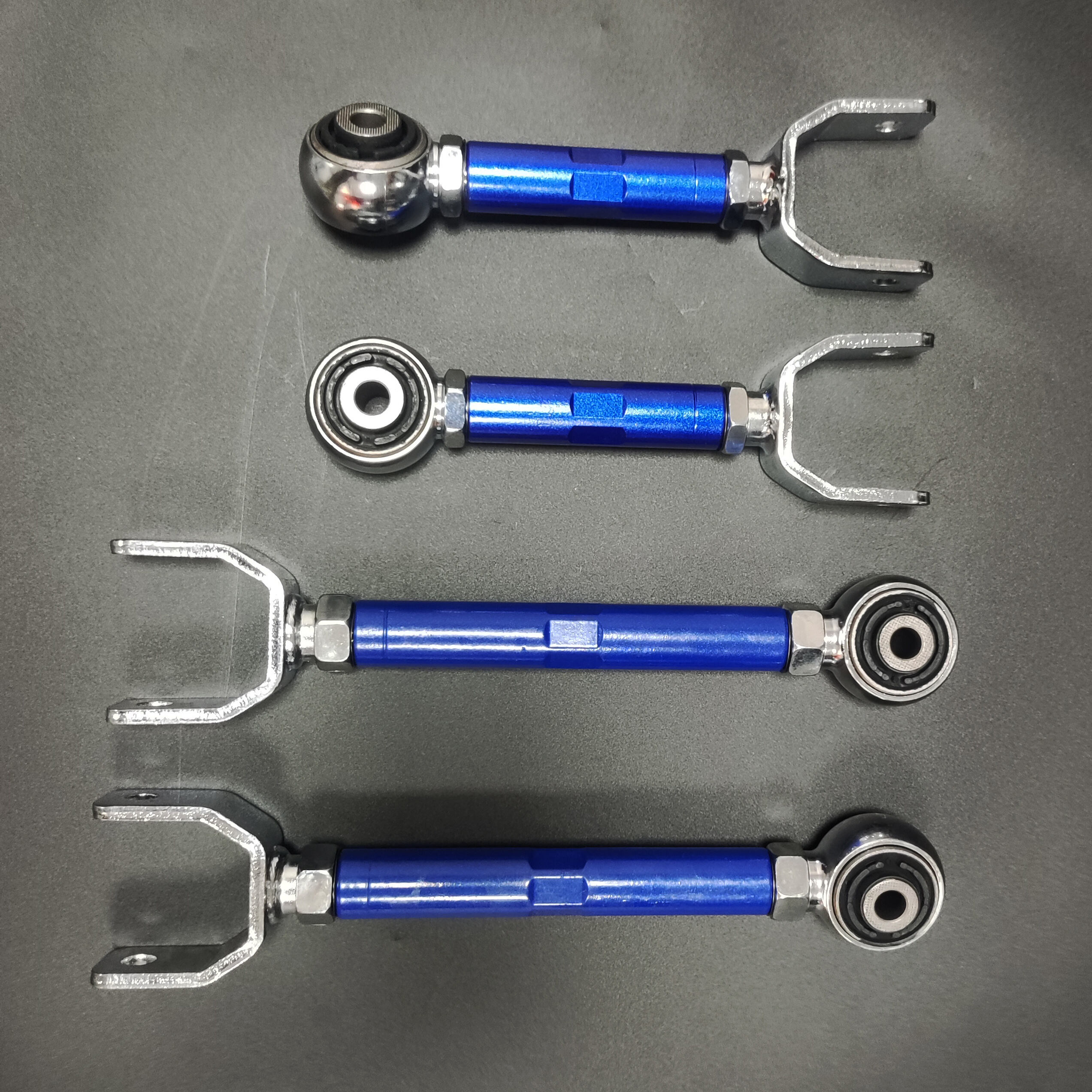
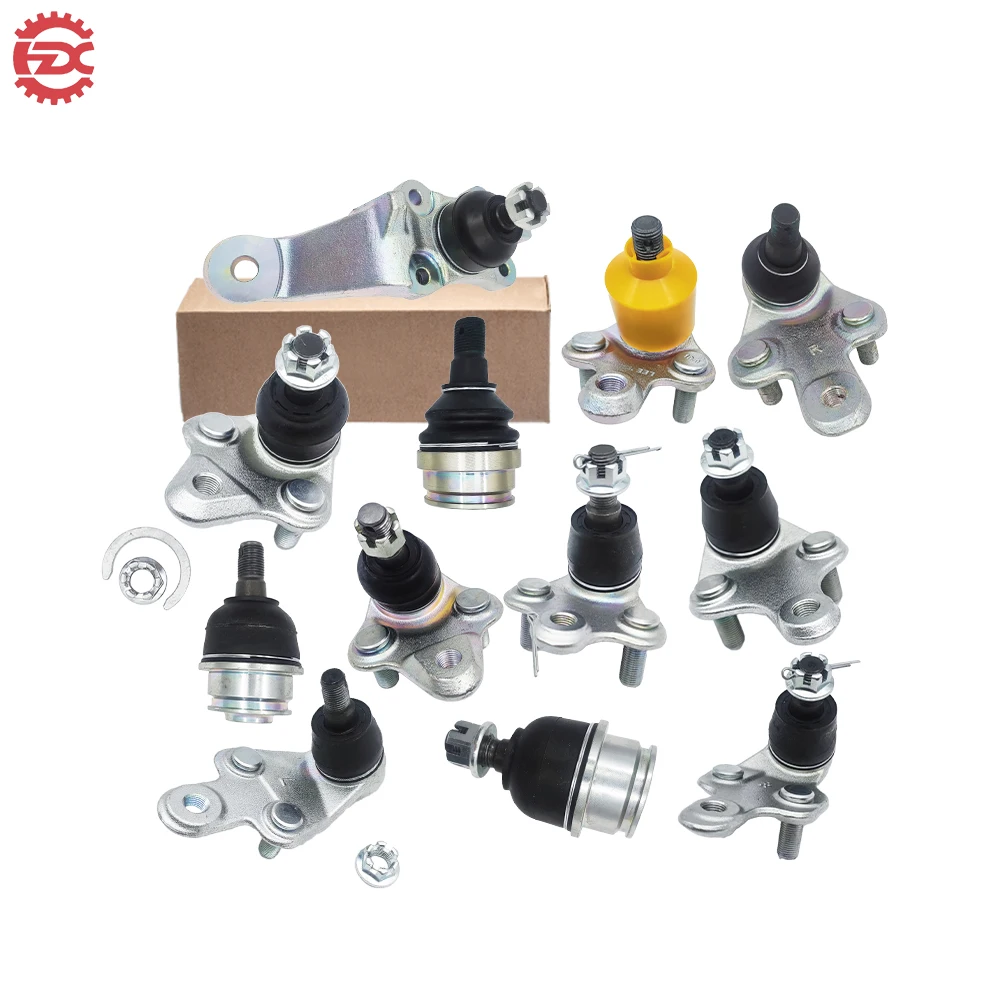
Business vehicle fleets face numerous maintenance challenges that can significantly impact operational efficiency and safety. Among the critical suspension components that require regular attention, lower ball joints play a vital role in maintaining vehicle stability and steering precision. When these essential components begin to wear, the consequences extend far beyond simple mechanical issues, potentially affecting entire fleet operations, driver safety, and bottom-line profitability. Understanding the relationship between ball joint deterioration and suspension system performance becomes crucial for fleet managers seeking to maintain reliable transportation assets.
Fleet operators must recognize that suspension system failures rarely occur in isolation. The interconnected nature of modern suspension components means that when lower ball joints begin to deteriorate, the resulting stress and misalignment can cascade throughout the entire system. This domino effect often necessitates comprehensive suspension upgrades, including the installation of high-quality adjustable control arms and related components to restore proper vehicle dynamics and prevent future complications.
Understanding Ball Joint Function and Failure Patterns
Mechanical Role in Suspension Systems
Lower ball joints serve as pivotal connection points between the steering knuckle and control arm assembly, allowing for both vertical suspension movement and horizontal steering input. These spherical bearings must withstand tremendous forces while maintaining precise positioning under varying load conditions. In commercial vehicles, the demands placed on these components are significantly amplified due to heavier payloads, extended operating hours, and diverse road conditions. The constant articulation and load-bearing requirements create inevitable wear patterns that smart fleet managers monitor proactively.
The engineering design of ball joints incorporates specialized materials and lubrication systems to handle these demanding conditions. However, even the most robust components have finite service lives determined by operational stress, environmental exposure, and maintenance practices. When ball joints begin to fail, the initial symptoms often manifest as subtle changes in steering feel, minor vibrations, or unusual tire wear patterns that may be easily overlooked during routine inspections.
Progressive Deterioration Indicators
Identifying ball joint wear in its early stages requires systematic inspection protocols that many fleet operations unfortunately neglect. The progression typically begins with internal lubrication breakdown, leading to increased friction and heat generation within the joint assembly. This thermal stress accelerates material degradation and creates microscopic wear particles that further compromise the bearing surfaces. As deterioration continues, the spherical socket develops play that allows unwanted movement in the suspension geometry.
Visual inspection techniques can reveal telltale signs of impending failure, including grease leakage from protective boots, corrosion around joint housings, and abnormal positioning of suspension components. Advanced diagnostic procedures involve measuring ball joint play using specialized tools and comparing results against manufacturer specifications. Fleet maintenance teams that implement regular ball joint assessments often discover problems before they escalate into safety hazards or require emergency repairs that disrupt operational schedules.
Impact on Fleet Operations and Safety
Operational Disruption Scenarios
When lower ball joints fail unexpectedly, the immediate consequences can be severe and costly for business operations. Complete joint separation creates an emergency situation where the affected wheel loses proper alignment and control, potentially causing the driver to lose steering authority over that corner of the vehicle. Such failures can occur without warning during normal operation, creating dangerous situations for drivers, cargo, and other road users while simultaneously removing valuable assets from service at critical times.
The ripple effects of ball joint failures extend throughout fleet operations, affecting delivery schedules, customer relationships, and resource allocation. Emergency repairs typically cost significantly more than planned maintenance, often requiring expensive towing services, expedited parts procurement, and overtime labor charges. Additionally, the sudden loss of a vehicle from active duty can force companies to rent replacement vehicles, reassign routes, or delay service commitments, all of which impact profitability and customer satisfaction.
Safety and Liability Considerations
From a safety perspective, worn ball joints compromise vehicle stability and steering precision, creating hazardous conditions that increase accident risk. The gradual degradation of these components often goes unnoticed by drivers who unconsciously adapt to changing vehicle behavior, masking the developing problem until it reaches critical stages. This adaptation process can lead to dangerous situations where drivers overcompensate for suspension deficiencies, potentially causing loss of control during emergency maneuvers or adverse weather conditions.
Legal liability concerns arise when fleet operators fail to maintain vehicles in safe operating condition. Regulatory agencies increasingly scrutinize commercial vehicle maintenance records following accidents, and demonstrable negligence in suspension system care can result in significant legal exposure. Professional fleet managers recognize that proactive maintenance programs not only protect drivers and the public but also provide crucial documentation of due diligence in safety management practices.
Suspension System Integration and Adjustable Control Arms
Component Interdependency Factors
Modern suspension systems operate as integrated assemblies where component performance affects overall system behavior. When ball joints wear beyond acceptable tolerances, the resulting play and misalignment create abnormal stress patterns throughout connected components, including control arms, bushings, and steering linkages. This interconnected nature means that addressing ball joint problems often requires comprehensive evaluation of related suspension elements to ensure proper system restoration.
Adjustable control arms offer significant advantages in fleet applications where vehicles encounter varying load conditions and operating environments. These advanced components provide precise suspension geometry control that can be optimized for specific applications, whether hauling maximum payloads or operating under light-duty conditions. The ability to fine-tune suspension settings helps maintain proper ball joint alignment and reduces premature wear by ensuring optimal load distribution across bearing surfaces.
Performance Enhancement Opportunities
Upgrading to adjustable control arms during ball joint replacement projects creates opportunities for improved vehicle performance and extended component life. These sophisticated assemblies incorporate high-quality bushings, reinforced mounting points, and precision adjustment mechanisms that surpass original equipment specifications. Fleet operators often discover that investing in premium suspension components reduces long-term maintenance costs while improving driver comfort and vehicle handling characteristics.
The adjustability feature becomes particularly valuable for fleets that regularly modify vehicle configurations or operate in diverse environments. Rather than accepting compromised suspension geometry, maintenance teams can optimize settings for specific applications, ensuring that ball joints and related components operate within design parameters. This proactive approach to suspension management extends component life, improves vehicle safety, and reduces the frequency of unexpected failures that disrupt operations.
Preventive Maintenance Strategies
Inspection Protocol Development
Establishing comprehensive ball joint inspection protocols requires systematic approaches that integrate with existing fleet maintenance schedules. Effective programs combine visual inspections, physical testing procedures, and documentation systems that track component condition over time. Regular assessment intervals should be based on vehicle usage patterns, operating environments, and manufacturer recommendations, with more frequent inspections for high-mileage or heavy-duty applications.
Training maintenance personnel in proper inspection techniques ensures consistent evaluation standards across fleet operations. Technicians must understand how to identify early wear indicators, properly use diagnostic tools, and accurately document findings for trending analysis. Digital maintenance management systems can automate inspection scheduling and provide platforms for recording measurements and observations that support data-driven maintenance decisions.
Replacement Planning and Budgeting
Proactive replacement planning allows fleet managers to address ball joint wear before failures occur, minimizing operational disruptions and controlling maintenance costs. Historical data analysis helps predict component life cycles and identify vehicles that may require attention based on age, mileage, or operating conditions. This predictive approach enables bulk parts procurement, scheduled downtime coordination, and resource allocation optimization that reduces overall maintenance expenses.
Budget planning for suspension system maintenance should account for the potential benefits of upgrading to adjustable control arms and premium components during routine service intervals. While initial costs may be higher than basic replacement parts, the long-term value proposition often justifies the investment through extended service life, improved performance, and reduced failure rates. Smart fleet operators recognize that suspension system investments contribute to overall vehicle reliability and operational efficiency.
FAQ
How often should ball joints be inspected in commercial vehicles
Commercial vehicles should undergo ball joint inspections every 12,000 to 15,000 miles or during routine maintenance intervals, whichever occurs first. Heavy-duty applications or vehicles operating in harsh conditions may require more frequent assessments every 8,000 to 10,000 miles to ensure early detection of wear patterns.
What are the warning signs of failing ball joints
Common indicators include unusual tire wear patterns, steering wheel vibration, clunking noises during turns or over bumps, and loose or imprecise steering feel. Visual signs such as grease leakage from joint boots or visible play in suspension components also warrant immediate professional inspection.
Can adjustable control arms prevent premature ball joint failure
Adjustable control arms help maintain proper suspension geometry and load distribution, which can extend ball joint life when properly configured. Their ability to accommodate varying load conditions and provide precise alignment reduces stress on ball joints and other suspension components, potentially doubling service intervals in some applications.
What is the typical replacement cost for ball joints in fleet vehicles
Ball joint replacement costs vary significantly based on vehicle type, component quality, and labor rates, typically ranging from $200 to $600 per joint for commercial applications. Emergency repairs often cost 50-75% more than scheduled maintenance due to towing fees, expedited parts, and overtime labor charges, making preventive replacement programs financially advantageous.