
 EN
EN
Getting the most value from suspension upgrades requires a strategic approach that goes beyond simply installing premium components. Vehicle owners who understand how to optimize their suspension system investments see measurable improvements in performance, comfort, and long-term vehicle value. The key lies in making informed decisions about component selection, installation timing, and maintenance practices that align with your specific driving needs and vehicle characteristics.
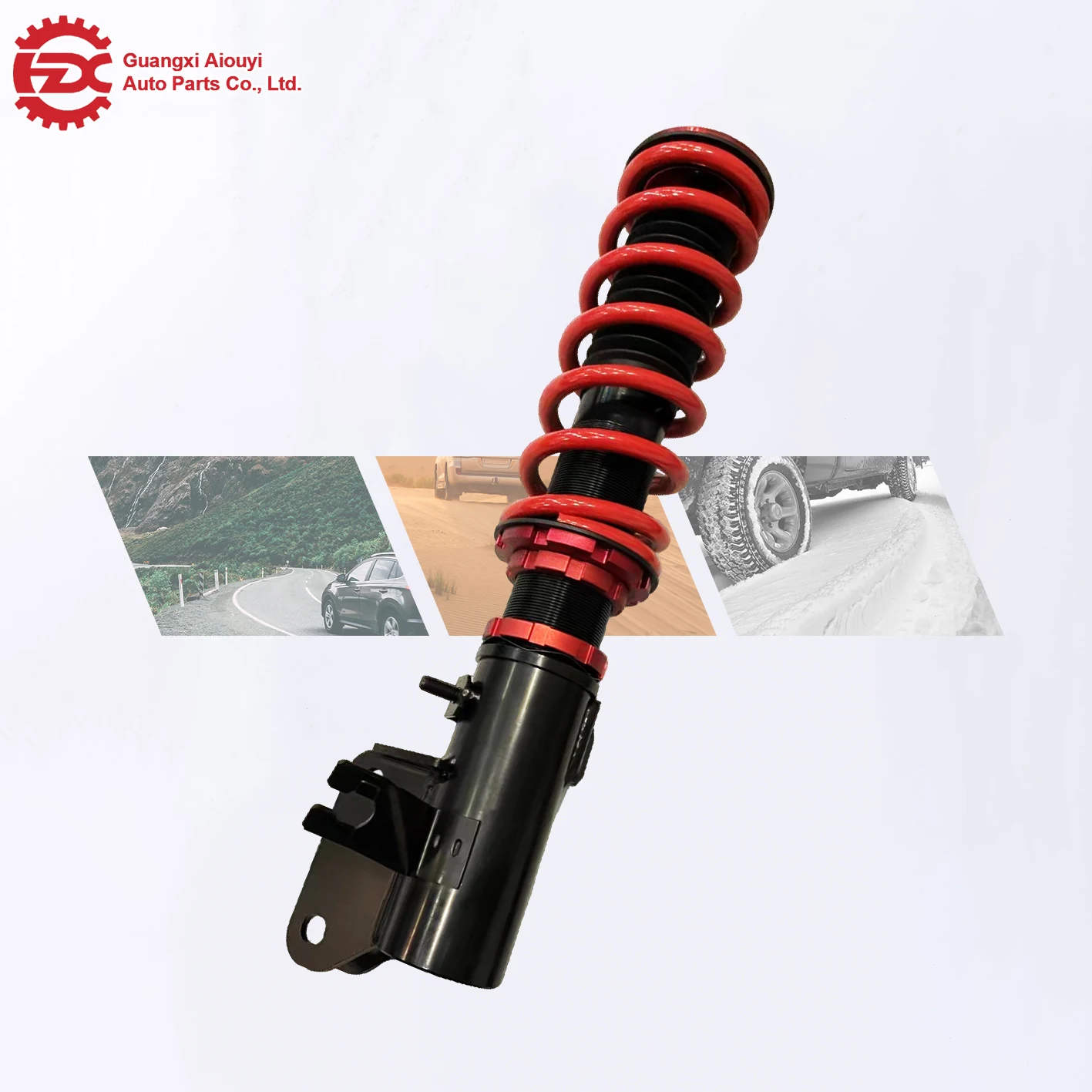
Maximizing value from suspension upgrades involves understanding the relationship between cost, performance gains, and longevity. Smart buyers focus on systems that deliver measurable improvements while providing reliable service over extended periods. This comprehensive approach ensures that every dollar invested in suspension upgrades contributes to enhanced driving experience and vehicle capability.
Strategic Component Selection for Maximum Return
Identifying Your Performance Priorities
Effective suspension upgrades begin with clearly defining your performance objectives. Whether you prioritize improved handling for spirited driving, enhanced comfort for daily commuting, or increased load capacity for commercial use, your goals should drive component selection decisions. Understanding these priorities helps avoid costly mistakes where premium components provide benefits you don't actually need.
Performance-oriented drivers typically benefit most from suspension upgrades that focus on damping control and spring rates. These modifications directly impact cornering ability, body roll reduction, and overall vehicle responsiveness. Comfort-focused upgrades, by contrast, emphasize vibration isolation and ride quality improvements that enhance daily driving satisfaction.
Commercial vehicle owners often find the greatest value in suspension upgrades that improve load-carrying capacity and stability under varying weight conditions. These applications require careful consideration of spring rates, damping characteristics, and component durability to ensure reliable performance across different operating scenarios.
Quality Versus Cost Analysis
Suspension upgrades represent a spectrum of quality and cost options, making value analysis essential for smart purchasing decisions. Premium components typically offer superior materials, advanced engineering, and longer service life, but these benefits must be weighed against the additional investment required. Mid-tier options often provide excellent value for most applications, delivering significant performance improvements at reasonable cost points.
Component quality directly affects long-term value through durability and maintenance requirements. Higher-quality suspension upgrades typically feature better seals, superior materials, and more precise manufacturing tolerances that translate to extended service intervals and reduced replacement costs. These factors become particularly important for high-mileage vehicles or demanding operating conditions.
Understanding the relationship between component cost and expected service life helps determine true value over the ownership period. A suspension upgrade that costs twice as much but lasts three times longer often represents superior value, especially when considering the labor costs associated with repeated installations.
System Compatibility Considerations
Maximizing value from suspension upgrades requires ensuring compatibility between new components and existing vehicle systems. Mismatched spring rates, damping characteristics, or mounting configurations can compromise performance and accelerate component wear. Professional assessment of your vehicle's current suspension condition helps identify potential compatibility issues before installation.
Modern vehicles often incorporate electronic stability systems, adaptive damping, or active suspension components that must be considered during upgrade planning. Suspension upgrades that interfere with these systems can trigger warning lights, reduce effectiveness, or create safety concerns. Compatibility verification protects your investment and ensures optimal system integration.
Vehicle weight distribution, center of gravity, and intended use patterns all influence suspension upgrade compatibility. Components designed for lightweight sports cars may not provide appropriate performance characteristics when installed on heavier vehicles, regardless of proper fitment. Understanding these application-specific requirements prevents costly mismatches.
Installation and Setup Optimization
Professional Installation Benefits
Professional installation significantly impacts the value derived from suspension upgrades through proper setup, alignment, and initial tuning. Experienced technicians understand the subtleties of suspension geometry, torque specifications, and adjustment procedures that maximize component performance. This expertise translates directly to better handling characteristics and extended component life.
Proper installation procedures protect warranty coverage and ensure safety standards are maintained throughout the upgrade process. Professional installers have access to specialized tools, alignment equipment, and technical resources that enable precise setup according to manufacturer specifications. These capabilities are particularly important for adjustable suspension upgrades that require initial calibration.
The installation process also provides opportunities to inspect and address related components that may affect suspension performance. Worn bushings, damaged mounts, or deteriorated hardware can compromise the benefits of new suspension upgrades. Professional installation often includes these assessments, helping prevent future problems that could diminish upgrade value.
Alignment and Calibration Requirements
Suspension upgrades typically require wheel alignment adjustments to optimize tire wear patterns and handling characteristics. Changes in ride height, spring rates, or damping characteristics alter suspension geometry in ways that affect alignment parameters. Proper alignment ensures that suspension upgrades deliver their intended benefits while preventing premature tire replacement costs.
Adjustable suspension upgrades often include multiple calibration points that must be set according to vehicle weight, driving style, and intended use. Initial calibration establishes baseline performance characteristics that can be refined over time as you become familiar with the system's capabilities. This process maximizes the value of adjustability features built into modern suspension upgrades.
Corner balancing and weight distribution optimization represent advanced setup procedures that can significantly enhance suspension upgrade performance. These techniques ensure that each wheel carries appropriate load and that suspension components operate within their optimal range. Professional setup services often include these procedures as part of comprehensive installation packages.
Break-In and Initial Adjustment
New suspension upgrades require a break-in period during which components settle and performance characteristics stabilize. Understanding this process helps set appropriate expectations and prevents premature adjustments that could compromise long-term performance. Most suspension upgrades benefit from several hundred miles of varied driving before final tuning adjustments are made.
Initial adjustment procedures should follow manufacturer recommendations while accounting for your specific vehicle and driving requirements. Conservative initial settings allow components to break in properly while providing safe, predictable handling characteristics. Aggressive initial adjustments can mask component defects or create handling imbalances that become apparent only after extended use.
Documenting initial settings and subsequent adjustments creates a valuable reference for future tuning activities. This information helps track performance changes over time and provides baseline data for troubleshooting any issues that may arise. Systematic documentation also facilitates warranty claims if component problems develop during the break-in period.
Long-Term Value Preservation
Maintenance and Service Intervals
Regular maintenance significantly extends the service life and preserves the value of suspension upgrades. Most systems benefit from periodic inspection, cleaning, and lubrication according to manufacturer schedules. These relatively simple maintenance tasks prevent minor issues from developing into major problems that require expensive component replacement.
Suspension upgrades operating in harsh conditions may require more frequent service intervals to maintain optimal performance. Salt exposure, extreme temperatures, and heavy use patterns accelerate component wear and can compromise seals or internal mechanisms. Proactive maintenance scheduling protects your investment in these demanding applications.
Service records documentation supports warranty claims and helps establish maintenance history for future owners. Well-maintained suspension upgrades retain more of their initial value and provide better performance over extended service periods. This documentation becomes particularly valuable for high-performance applications where component history affects safety and reliability.
Performance Monitoring and Adjustment
Ongoing performance monitoring helps identify changes in suspension upgrade behavior that may indicate maintenance needs or adjustment opportunities. Systematic evaluation of handling characteristics, ride quality, and component condition enables proactive maintenance that preserves system performance. Regular monitoring also helps optimize settings as driving requirements or vehicle conditions change.
Adjustable suspension upgrades provide opportunities to refine performance characteristics based on experience and changing requirements. Understanding how different settings affect vehicle behavior enables fine-tuning that maximizes value from the system's adjustability features. This ongoing optimization process ensures that suspension upgrades continue meeting your needs as they evolve.
Performance degradation often occurs gradually, making systematic monitoring essential for early detection of problems. Changes in damping effectiveness, unusual noises, or altered handling characteristics can indicate component wear or adjustment needs. Early intervention typically costs less than major repairs and helps maintain the performance benefits that justify suspension upgrade investments.
Upgrade Path Planning
Strategic upgrade path planning maximizes long-term value by ensuring that initial suspension upgrades remain compatible with future modifications. Understanding how suspension changes interact with other performance modifications helps avoid costly component replacements when additional upgrades are installed. This forward-thinking approach protects your investment in suspension upgrades over extended ownership periods.
Modular suspension upgrade systems offer particular value for enthusiasts who anticipate future modifications. These systems allow component upgrades or adjustments without complete replacement, providing flexibility as performance requirements change. Planning upgrade paths around modular systems often delivers superior long-term value compared to fixed-configuration alternatives.
Resale value considerations influence upgrade path planning for vehicles that may be sold or traded in the future. Some suspension upgrades enhance resale value by appealing to performance-oriented buyers, while others may limit market appeal. Understanding these factors helps make upgrade decisions that preserve vehicle value while delivering desired performance improvements.
Cost-Benefit Analysis and ROI
Performance Improvement Quantification
Quantifying performance improvements from suspension upgrades helps establish clear value metrics for investment decisions. Measurable improvements in lap times, braking distances, or comfort ratings provide objective data for evaluating upgrade effectiveness. These metrics enable comparison between different suspension upgrade options and help justify investment costs.
Subjective benefits like improved confidence, enhanced driving enjoyment, or reduced fatigue also contribute to suspension upgrade value, though these are more difficult to quantify. Understanding both objective and subjective benefits provides a complete picture of upgrade value that extends beyond simple performance measurements.
Long-term performance benefits often exceed initial expectations as drivers become accustomed to improved capabilities. Enhanced vehicle control, reduced component wear, and improved safety margins represent ongoing value that accrues over the ownership period. These cumulative benefits often justify suspension upgrade investments that might seem marginal based solely on initial performance gains.
Total Cost of Ownership
Total cost of ownership analysis includes initial purchase price, installation costs, maintenance requirements, and expected service life to determine true suspension upgrade value. This comprehensive approach reveals the long-term financial impact of different upgrade options and helps identify the most cost-effective solutions for specific applications.
Hidden costs such as additional maintenance, specialized service requirements, or compatibility modifications can significantly impact total ownership costs. Understanding these potential expenses during the planning phase prevents budget surprises and enables more accurate value comparisons between different suspension upgrade options.
Opportunity costs related to vehicle downtime, service accessibility, or modification reversibility also affect total ownership value. Suspension upgrades that require specialized service or create compatibility issues with other modifications may impose ongoing costs that diminish their apparent value advantage.
Return on Investment Calculation
Return on investment calculations help evaluate suspension upgrades from a financial perspective, particularly for commercial applications or vehicles used in competitive activities. Improved performance, reduced maintenance costs, or enhanced resale value can generate measurable returns that offset upgrade investments over time.
Non-financial returns such as improved safety, enhanced driving satisfaction, or reduced fatigue contribute to overall value but require subjective valuation. These benefits often represent the primary motivation for suspension upgrades in personal vehicles, where financial returns may be secondary to performance and comfort improvements.
Time-based value considerations recognize that suspension upgrades deliver benefits throughout their service life, making initial cost comparisons potentially misleading. Systems that provide consistent performance over extended periods often deliver superior value compared to lower-cost alternatives that require frequent replacement or service.
FAQ
What factors determine the best value suspension upgrades for my vehicle?
The best value suspension upgrades depend on your specific driving needs, vehicle characteristics, and budget constraints. Consider your primary use case, whether daily commuting, performance driving, or load carrying. Match component quality and features to your actual requirements rather than purchasing unnecessary premium features. Evaluate total cost of ownership including installation, maintenance, and expected service life to determine true value.
How long do quality suspension upgrades typically last?
Quality suspension upgrades typically last 50,000 to 100,000 miles under normal driving conditions, with premium components often exceeding these ranges. Service life depends on component quality, driving conditions, maintenance practices, and vehicle usage patterns. Harsh environments, aggressive driving, or commercial use may reduce service life, while gentle use and proper maintenance can extend component longevity significantly.
Should I upgrade all suspension components at once or gradually?
Complete suspension system upgrades often provide better value and performance than piecemeal improvements. Matched components work together optimally and typically come with package pricing advantages. However, gradual upgrades can spread costs over time and allow you to prioritize the most needed improvements first. Consider your budget, immediate needs, and long-term goals when deciding between complete system replacement or staged upgrades.
How do suspension upgrades affect vehicle warranty and insurance?
Suspension upgrades may affect vehicle warranty coverage depending on the manufacturer and specific modifications performed. Professional installation and OEM-approved components typically minimize warranty concerns. Insurance coverage may be affected by significant modifications, so inform your provider about suspension upgrades. Some insurers offer coverage for aftermarket modifications while others may require additional policies or exclusions for modified vehicles.