
 EN
EN

Understanding the economics behind automotive suspension components has become increasingly important for vehicle owners, fleet managers, and automotive professionals. The lower control arm price represents a critical investment decision that directly impacts vehicle safety, performance, and long-term operational costs. Modern vehicles rely heavily on sophisticated suspension systems, and the lower control arm serves as a fundamental component connecting the wheel hub to the vehicle's chassis. When evaluating lower control arm price options, stakeholders must consider multiple factors including component quality, installation requirements, vehicle compatibility, and expected service life to maximize return on investment.
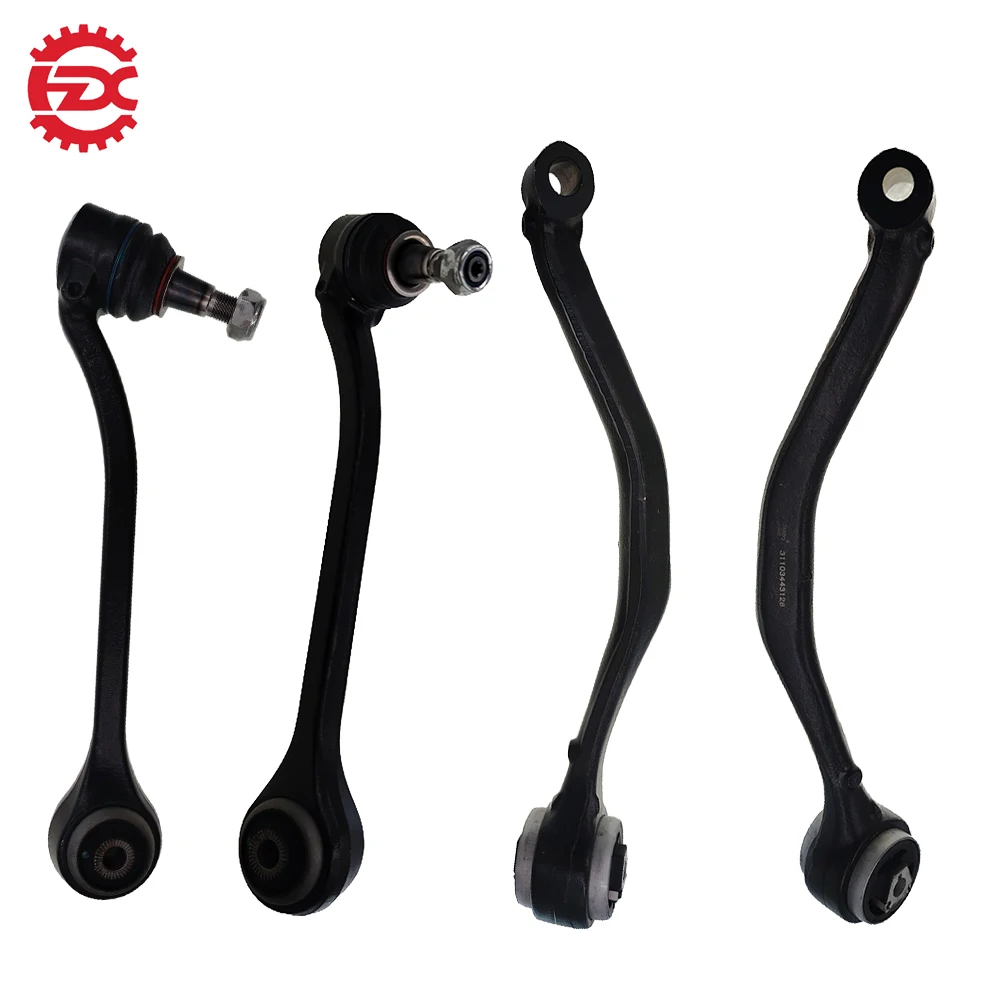
Economic Impact of Lower Control Arm Investments
Direct Cost Analysis Framework
Analyzing lower control arm price structures requires a comprehensive understanding of immediate and long-term financial implications. Initial component costs typically represent only thirty to forty percent of total ownership expenses, with installation labor, diagnostic procedures, and potential secondary repairs contributing significantly to overall investment requirements. Professional automotive facilities often charge between two to four hours of labor for complete lower control arm replacement, depending on vehicle complexity and access requirements. Fleet operators managing multiple vehicles must factor bulk purchasing opportunities and standardized maintenance protocols when evaluating lower control arm price proposals from various suppliers.
The relationship between lower control arm price and component longevity creates substantial financial leverage for informed buyers. Premium components featuring advanced metallurgy, precision manufacturing tolerances, and enhanced protective coatings typically command higher initial prices but deliver extended service intervals and reduced failure rates. Conversely, budget-oriented alternatives may appear attractive from a lower control arm price perspective but often require more frequent replacement cycles and generate higher cumulative maintenance costs over vehicle ownership periods.
Hidden Cost Considerations
Beyond basic component acquisition costs, lower control arm price evaluation must encompass various indirect expenses that significantly impact overall investment returns. Alignment procedures following installation typically add fifty to one hundred fifty dollars to project costs, while suspension geometry adjustments may require specialized equipment and additional labor hours. Vehicle downtime during maintenance procedures creates opportunity costs for commercial operators, making reliable component selection and efficient installation processes critical factors in comprehensive lower control arm price analysis.
Quality-related failure scenarios generate cascading financial consequences that dramatically alter effective lower control arm price calculations. Premature component failures often damage associated suspension elements including ball joints, bushings, and alignment components, creating substantial secondary repair requirements. Insurance implications, liability concerns, and potential safety incidents associated with suspension component failures introduce risk factors that justify premium lower control arm price investments for critical applications.
Technical Specifications Affecting Pricing
Material Science and Manufacturing Quality
Contemporary lower control arm manufacturing employs diverse materials and production methodologies that directly influence component pricing structures. Forged aluminum alloy construction offers exceptional strength-to-weight ratios and corrosion resistance but commands premium pricing compared to traditional steel fabrication methods. Advanced coating technologies including electroplating, powder coating, and specialized surface treatments add substantial value while increasing initial lower control arm price requirements. Manufacturing precision levels, dimensional tolerances, and quality control processes create significant cost variations among competing products targeting similar applications.
Engineering specifications including load capacity ratings, fatigue resistance properties, and environmental durability standards establish baseline performance expectations that justify specific lower control arm price ranges. Components designed for high-performance applications typically incorporate enhanced materials, precision machining processes, and rigorous testing protocols that increase manufacturing costs but deliver superior operational characteristics. Understanding these technical relationships enables informed decision-making when comparing lower control arm price options across different performance categories.
Vehicle-Specific Design Requirements
Vehicle manufacturer specifications create unique design constraints that significantly impact lower control arm price structures across different automotive platforms. Luxury vehicle applications often require specialized geometries, premium materials, and enhanced manufacturing precision that increase component costs substantially compared to economy vehicle alternatives. Electronic integration requirements including sensor mounting provisions, wiring harnesses, and diagnostic compatibility features add complexity and cost to modern lower control arm designs.
Market volume effects create substantial pricing variations among different vehicle models and production years. High-volume applications benefit from economies of scale that reduce per-unit manufacturing costs and enable competitive lower control arm price offerings. Conversely, low-volume specialty applications often command premium pricing due to limited production runs and specialized tooling requirements. Understanding these market dynamics helps buyers identify optimal purchasing opportunities and negotiate favorable pricing arrangements.
Strategic Procurement Approaches
Supplier Evaluation Methodologies
Effective lower control arm price optimization requires systematic supplier evaluation processes that examine multiple performance criteria beyond initial component costs. Supplier financial stability, quality certification levels, and customer support capabilities significantly impact long-term value propositions and total cost of ownership calculations. Established manufacturers with comprehensive warranty programs and responsive technical support infrastructure often justify premium lower control arm price investments through reduced operational risks and enhanced customer satisfaction levels.
Geographic considerations including manufacturing locations, shipping logistics, and inventory management capabilities create substantial variations in effective lower control arm price structures. Domestic suppliers may offer advantages including shorter lead times, reduced transportation costs, and simplified customer service interactions, while international sources might provide cost advantages through lower manufacturing expenses and currency exchange benefits. Balancing these competing factors requires careful analysis of specific operational requirements and strategic priorities.
Volume Purchasing Strategies
Fleet operators and high-volume users can achieve significant lower control arm price reductions through strategic purchasing approaches including bulk orders, long-term contracts, and supplier partnership arrangements. Volume discounts typically range from ten to thirty percent depending on order quantities and commitment levels, creating substantial cost savings opportunities for qualified buyers. Inventory management considerations including storage requirements, obsolescence risks, and capital investment impacts must be carefully evaluated when implementing volume purchasing strategies.
Collaborative purchasing programs allow smaller operators to access volume-based lower control arm price advantages through group buying initiatives and cooperative procurement arrangements. Industry associations, dealer networks, and professional organizations often facilitate these programs, enabling individual participants to benefit from collective purchasing power while maintaining operational independence and flexibility.
Performance Monitoring and Value Optimization
Lifecycle Cost Management
Comprehensive lower control arm price analysis extends beyond initial acquisition costs to encompass complete component lifecycles including installation, operation, maintenance, and disposal phases. Performance monitoring systems enable data-driven decision-making by tracking component reliability, maintenance requirements, and replacement intervals across different price points and supplier options. This information supports continuous improvement initiatives and helps optimize future purchasing decisions based on demonstrated performance characteristics.
Predictive maintenance programs utilize advanced diagnostic technologies to monitor lower control arm condition and performance parameters, enabling proactive replacement strategies that minimize unexpected failures and associated costs. These approaches often justify premium lower control arm price investments by extending component life, reducing maintenance frequency, and preventing costly secondary damage from component failures.
Return on Investment Measurement
Quantifying return on investment for lower control arm price decisions requires comprehensive tracking of both direct and indirect cost factors over extended operational periods. Measurement frameworks should include component acquisition costs, installation expenses, maintenance requirements, performance impacts, and reliability metrics to provide accurate ROI calculations. This data enables informed decision-making for future purchases and helps identify optimal balance points between initial investment levels and long-term operational benefits.
Benchmarking studies comparing different lower control arm price segments provide valuable insights into cost-effectiveness relationships and help establish performance expectations for various investment levels. Regular review and analysis of these metrics supports continuous improvement initiatives and enables optimization of procurement strategies based on demonstrated results and changing operational requirements.
FAQ
What factors most significantly influence lower control arm price variations
Several key factors create substantial price variations in lower control arm components. Material composition represents the primary driver, with forged aluminum and premium steel alloys commanding higher prices than basic steel construction. Manufacturing precision, quality control standards, and brand reputation also significantly impact pricing. Vehicle-specific design requirements, production volumes, and supplier location contribute additional cost variables that buyers must consider when evaluating options.
How can fleet operators optimize lower control arm price investments
Fleet operators achieve optimal lower control arm price value through strategic procurement approaches including volume purchasing, supplier partnerships, and lifecycle cost analysis. Establishing relationships with reliable suppliers enables negotiated pricing and priority service arrangements. Implementing standardized component specifications across fleet vehicles simplifies procurement and reduces inventory complexity while enabling bulk purchasing advantages.
What quality indicators justify premium lower control arm price investments
Premium lower control arm price investments are justified by superior materials, enhanced manufacturing precision, comprehensive warranty coverage, and proven reliability records. Quality indicators include advanced metallurgy, precision machining tolerances, protective coating systems, and rigorous testing certification. These features typically deliver extended service life, reduced failure rates, and lower total cost of ownership despite higher initial investment requirements.
How do installation costs affect total lower control arm price economics
Installation costs significantly impact total lower control arm price economics, often representing fifty to seventy percent of complete project expenses. Labor complexity varies substantially among different vehicle designs and component configurations. Premium components with enhanced installation features and comprehensive documentation can reduce labor time and complexity, partially offsetting higher component costs through reduced installation expenses and improved efficiency.