 EN
EN
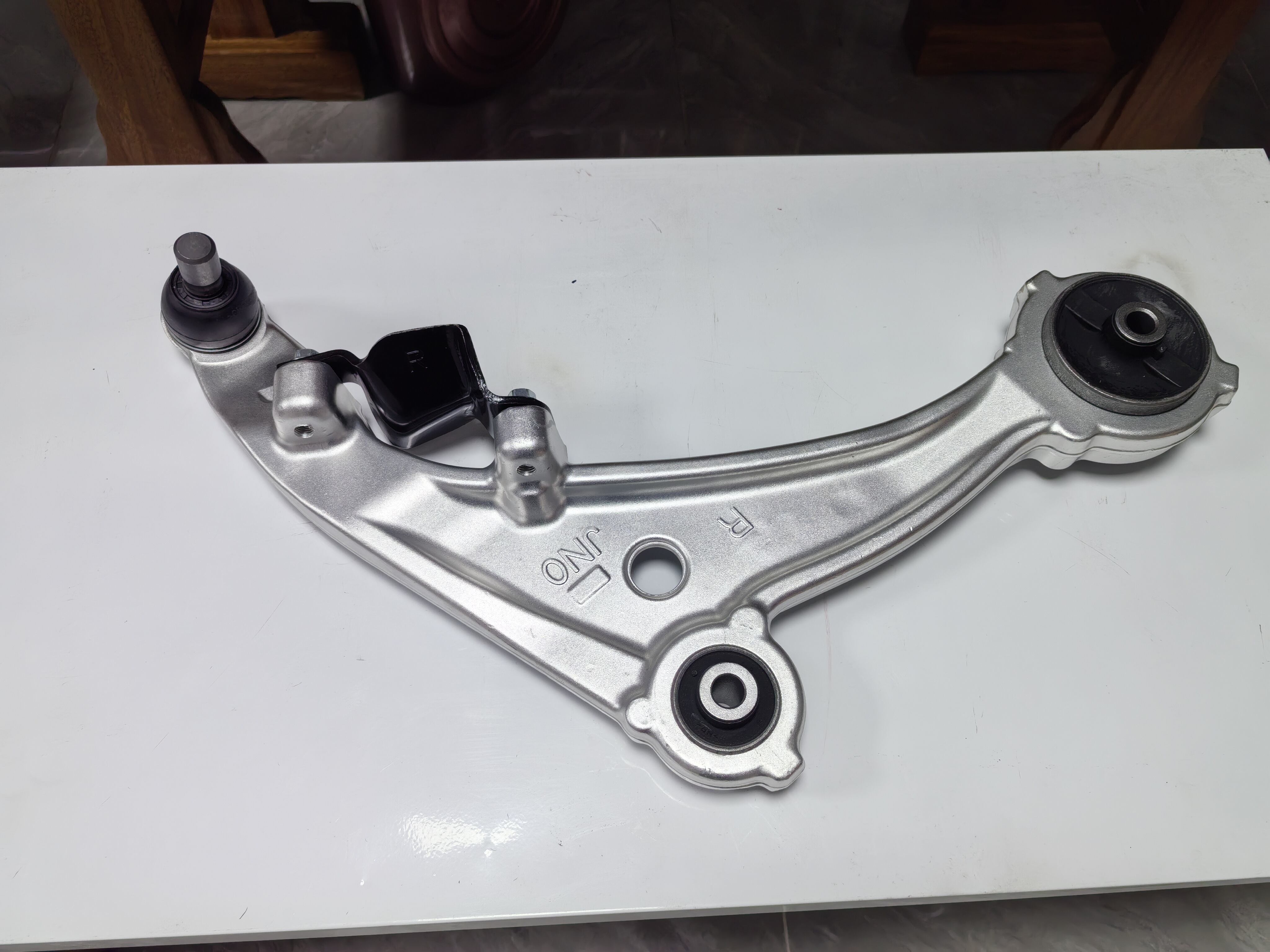
When it comes to steering precision and long-term vehicle safety, few components carry as much responsibility as inner outer tie rod ends. These small but critical parts form the mechanical link between your steering rack and the wheel knuckle, translating every input from the steering wheel into controlled, accurate wheel movement. Choosing the right inner outer tie rod ends is not simply a matter of finding a part that fits — it is a decision that directly determines how long your steering system will perform reliably under real-world driving conditions.
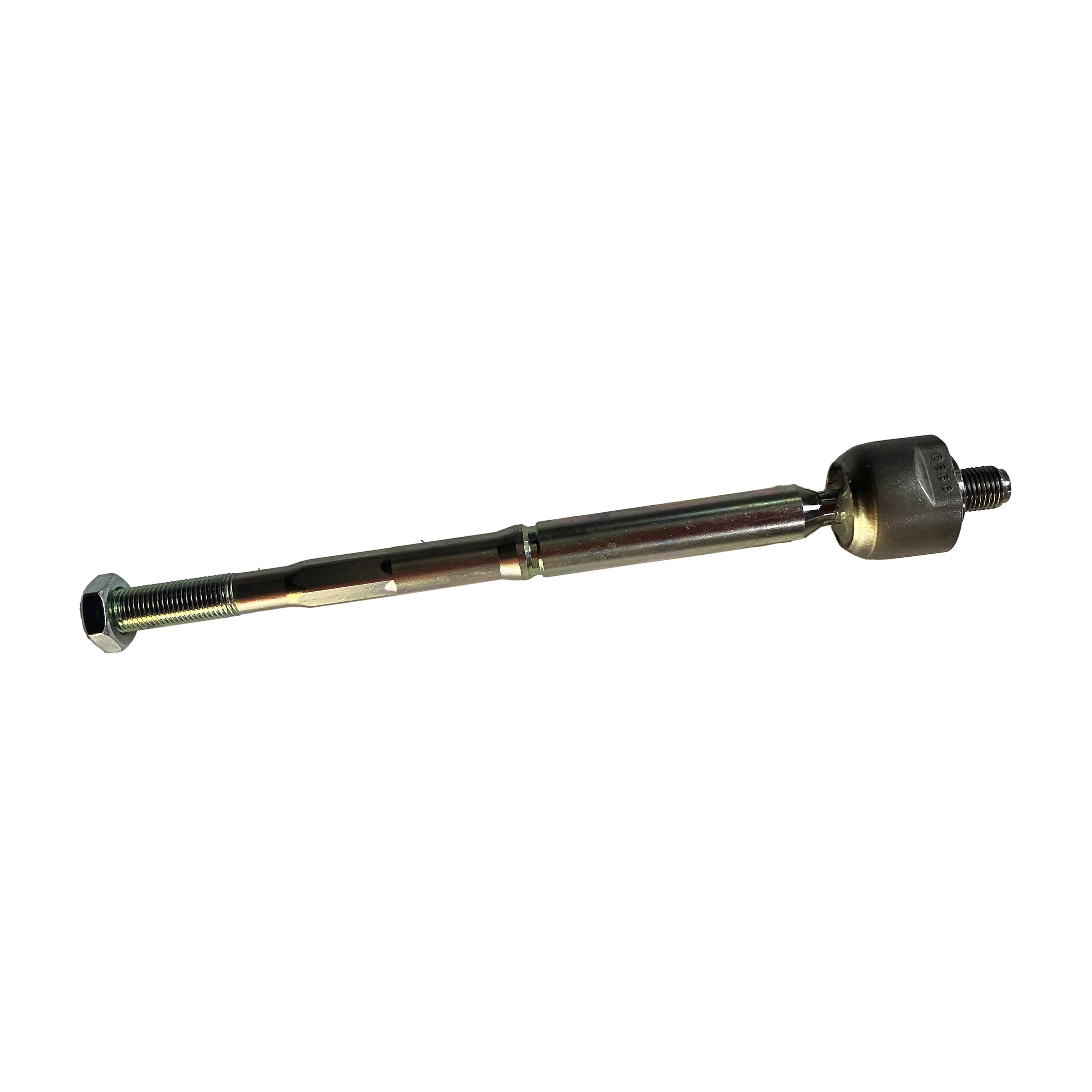
For fleet operators, automotive workshops, and procurement professionals sourcing replacement parts at scale, the longevity of inner outer tie rod ends is a core operational concern. Premature wear leads to increased maintenance cycles, unplanned downtime, and elevated safety risk. Understanding what separates a long-lasting tie rod end from a short-lived one — and knowing how to evaluate your options before purchase — is the foundation of a smarter parts sourcing strategy. This article walks through the key selection criteria that determine durability and service life.
Understanding the Role of Inner Outer Tie Rod Ends in Steering Systems
How Inner and Outer Tie Rod Ends Work Together
The steering linkage in most modern vehicles relies on a two-part tie rod assembly. The inner tie rod end connects directly to the steering rack, while the outer tie rod end connects to the steering knuckle at the wheel. Together, these two components form a continuous mechanical path that converts rack movement into wheel angle. The inner end typically uses a ball-and-socket design enclosed within a threaded housing, while the outer end uses a more exposed ball joint with a tapered stud that seats into the knuckle.
Because the inner and outer ends operate as a system, wear in one component places additional stress on the other. A worn inner tie rod end introduces play that forces the outer end to compensate, accelerating its degradation. This interdependency is why many experienced technicians recommend replacing both inner outer tie rod ends simultaneously, even when only one shows visible wear. Doing so preserves alignment geometry and extends the overall service interval of the steering assembly.
Understanding this functional relationship is the first step toward making a selection that supports longevity. Parts that are engineered and tested as a matched pair tend to deliver more consistent performance than mixing components from different production batches or quality tiers. When evaluating inner outer tie rod ends, always consider how the inner and outer ends are designed to interact under load.
Load Conditions and Wear Mechanisms
Tie rod ends operate under a combination of tensile, compressive, and lateral forces that vary with vehicle speed, road surface, and steering input. At highway speeds, the forces transmitted through inner outer tie rod ends are relatively steady, but urban driving with frequent turns, curb impacts, and uneven pavement introduces high-frequency shock loads that accelerate wear at the ball joint interface. Vehicles used in commercial or fleet applications face even more demanding duty cycles.
The primary wear mechanism in tie rod ends is the gradual degradation of the ball stud and socket interface. As the protective grease film breaks down — either through contamination, heat cycling, or simple depletion — metal-to-metal contact increases friction and accelerates material loss. The result is increased play in the joint, which manifests as steering wander, vibration, and eventually unsafe looseness. Selecting inner outer tie rod ends with superior sealing and lubrication retention directly addresses this failure mode.
Material and Construction Factors That Determine Longevity
Housing and Stud Material Specifications
The durability of inner outer tie rod ends begins with the materials used in their construction. High-quality tie rod ends use forged steel housings rather than cast or stamped alternatives. Forging aligns the grain structure of the metal, producing a part that is significantly stronger and more resistant to fatigue cracking under cyclic loading. For the ball stud, hardened alloy steel is the standard in premium-grade components, providing the surface hardness needed to resist wear at the contact interface.
The socket bearing material also plays a critical role. Many long-life inner outer tie rod ends use a self-lubricating polymer or sintered metal bearing that maintains consistent contact pressure across a wide range of temperatures and load conditions. This type of bearing reduces the rate of wear at the ball-socket interface and helps maintain joint preload over time, which is essential for preserving steering feel and alignment stability. When reviewing product specifications, look for explicit mention of bearing material and hardness ratings.
Surface treatment is another differentiator. Zinc plating, phosphate coating, or other corrosion-resistant finishes protect the housing from oxidation in wet and salt-exposed environments. For vehicles operating in coastal regions or areas with road salt use, the corrosion resistance of inner outer tie rod ends is as important as their mechanical strength. A part that corrodes prematurely will fail regardless of how well its internal components are engineered.
Sealing Design and Grease Retention
The dust boot or bellows seal is one of the most consequential design elements in any tie rod end. Its job is to keep contaminants out and lubricant in, and its performance directly determines how long the ball joint interface remains protected. Low-quality seals made from standard rubber compounds harden and crack under UV exposure and temperature cycling, allowing water, dirt, and road debris to enter the joint. Once contamination occurs, wear accelerates rapidly.
Premium inner outer tie rod ends use boots made from thermoplastic elastomers or EPDM rubber compounds that maintain flexibility across a wide temperature range. The boot geometry also matters — a well-designed boot maintains consistent contact with the housing and stud throughout the full range of joint articulation, preventing gaps that could allow ingress. Some designs incorporate a secondary wiper lip for additional protection in high-contamination environments.
Grease type and fill volume are equally important. Lithium-complex or molybdenum-disulfide greases provide better film strength and temperature stability than standard lithium greases, extending the lubrication interval. For inner outer tie rod ends that are not serviceable after installation, the factory grease fill must be sufficient to last the intended service life. Sealed, pre-greased designs with high-quality lubricant are generally preferable for applications where regular maintenance access is limited.
Fitment Precision and OEM Compatibility
Why Dimensional Accuracy Matters for Longevity
Even the highest-quality materials cannot compensate for poor dimensional accuracy. Inner outer tie rod ends that do not match OEM specifications precisely will introduce misalignment into the steering geometry, placing abnormal stress on the joint and accelerating wear. Thread pitch, stud taper angle, stud diameter, and overall assembly length must all conform to the original design tolerances to ensure correct installation and proper load distribution.
Incorrect stud taper angle is a particularly common issue with lower-quality aftermarket parts. If the taper does not match the knuckle bore precisely, the stud will not seat fully, reducing the contact area and increasing the risk of stud loosening under load. This is a safety-critical failure mode that can lead to sudden loss of steering control. When sourcing inner outer tie rod ends, always verify that the supplier provides dimensional data that can be cross-referenced against OEM specifications for the target vehicle application.
For vehicle-specific applications such as the inner outer tie rod ends designed for the Toyota Crown, OEM part number cross-referencing is the most reliable method of confirming fitment. Suppliers who provide verified OEM cross-references and dimensional drawings give buyers a meaningful basis for quality assurance before committing to a purchase.
Tolerance Stack-Up and Alignment Stability
In a steering assembly, multiple components interact within tight tolerance ranges. When inner outer tie rod ends are manufactured to loose tolerances, the cumulative effect of small dimensional deviations across the assembly can produce noticeable alignment drift. This is particularly problematic for vehicles with sensitive steering geometry, such as those with aggressive caster or toe settings designed for performance or load-carrying stability.
Tight manufacturing tolerances also reduce the amount of adjustment required during wheel alignment after installation. Parts that require significant toe adjustment to bring the vehicle into spec may indicate that the replacement tie rod end does not match the original geometry closely enough. Over time, this can contribute to uneven tire wear and increased stress on adjacent steering and suspension components. Choosing inner outer tie rod ends from suppliers with documented process controls and dimensional inspection protocols reduces this risk significantly.
Evaluating Supplier Quality and Product Validation
Quality Certifications and Testing Standards
For procurement professionals sourcing inner outer tie rod ends in volume, supplier quality credentials are a primary selection criterion. ISO/TS 16949 or IATF 16949 certification indicates that a supplier operates a quality management system specifically designed for automotive parts production, with controls covering design, manufacturing, and inspection processes. While certification alone does not guarantee product quality, it provides a baseline of process discipline that correlates with more consistent output.
Beyond certification, look for suppliers who conduct or commission independent validation testing of their inner outer tie rod ends. Relevant tests include ball joint torque and pull-out strength testing, salt spray corrosion resistance testing, and fatigue life testing under simulated road load cycles. Suppliers who can provide test reports or reference specific test standards give buyers a more objective basis for quality comparison than those who rely solely on marketing claims.
Material traceability is another indicator of supplier quality maturity. Suppliers who maintain records of raw material sourcing, heat treatment parameters, and inspection results for each production batch are better positioned to identify and contain quality issues before they reach the field. For high-volume procurement, requesting material certifications and inspection records as part of the purchase agreement is a reasonable and increasingly standard practice.
Field Performance Data and Application History
Laboratory testing provides a controlled baseline, but field performance data is the ultimate measure of longevity for inner outer tie rod ends. Suppliers with an established track record in specific vehicle applications can often provide data on average service life, warranty claim rates, and common failure modes observed in the field. This information is particularly valuable when selecting parts for fleet applications where maintenance cost predictability is a priority.
Application history also helps identify whether a supplier's inner outer tie rod ends have been validated in the specific operating conditions relevant to your use case. A part that performs well in passenger car applications may not be appropriate for light commercial vehicles or vehicles operating in severe-duty environments. Asking suppliers directly about their application experience and requesting references from comparable customers is a straightforward way to assess real-world suitability.
Installation Practices That Protect Long-Term Performance
Correct Torque and Seating Procedures
Even the best inner outer tie rod ends will underperform if installed incorrectly. The most common installation error is improper torque application on the castle nut or self-locking nut that secures the ball stud to the steering knuckle. Under-torquing allows the stud to move within the bore, accelerating wear and risking loosening. Over-torquing can damage the stud threads or distort the taper seat, compromising the integrity of the connection.
Always use a calibrated torque wrench and follow the vehicle manufacturer's specified torque value for the application. For castle nut designs, the cotter pin must be installed correctly to prevent nut rotation. The stud taper should be seated by hand before torquing — never use the nut to draw the taper into the bore, as this can damage both the stud and the knuckle bore. Proper seating ensures full contact area and correct load distribution through the joint.
After installation of new inner outer tie rod ends, a four-wheel alignment is mandatory. Even if the replacement parts are dimensionally identical to the originals, the act of removing and reinstalling tie rod ends changes the effective length of the steering linkage unless the adjustment is carefully preserved. Skipping the alignment step after tie rod end replacement is one of the most common causes of premature tire wear and reduced component life.
Post-Installation Inspection and Maintenance Intervals
Establishing a regular inspection interval for inner outer tie rod ends is essential for catching early signs of wear before they progress to safety-critical failure. During routine inspections, check for play in the joint by grasping the tie rod and attempting to move it in multiple directions while an assistant turns the steering wheel. Any detectable looseness or clunking indicates that the joint has worn beyond acceptable limits and requires replacement.
Also inspect the dust boot condition at each service interval. A cracked, torn, or displaced boot should be addressed immediately, even if the joint itself still feels tight. Once the boot is compromised, contamination enters the joint rapidly, and the remaining service life is significantly shortened. For greaseable designs, follow the manufacturer's recommended lubrication interval and use only the specified grease type to avoid compatibility issues with the boot material.
FAQ
How do I know when inner outer tie rod ends need to be replaced?
The most reliable indicators are steering play, vibration through the steering wheel, uneven tire wear, and a clunking noise when turning or driving over bumps. A physical inspection by a qualified technician — checking for joint play and boot condition — is the definitive method. Do not delay replacement once wear is confirmed, as deteriorating inner outer tie rod ends directly affect vehicle control and safety.
Should I replace inner and outer tie rod ends at the same time?
In most cases, yes. Because the inner and outer ends operate as a system and are subject to similar wear conditions, replacing both simultaneously is the most cost-effective approach. It avoids a second alignment service in the near term and ensures that the entire steering linkage is restored to a consistent condition. If only one end is visibly worn, the other is likely approaching the end of its service life as well.
What is the most important factor for longevity in tie rod ends?
Sealing integrity is arguably the single most important factor. The dust boot protects the ball joint from contamination, and once it fails, wear accelerates dramatically regardless of how well the internal components are made. When selecting inner outer tie rod ends, prioritize designs with high-quality boot materials, secure boot retention, and adequate factory grease fill. Material quality and dimensional accuracy are also critical, but they cannot compensate for a compromised seal.
How does vehicle application affect tie rod end selection?
Vehicle application determines the load requirements, geometry specifications, and environmental conditions that the inner outer tie rod ends must handle. A light passenger car and a commercial van have very different load profiles, and parts designed for one may not be appropriate for the other. Always verify that the selected part is validated for the specific vehicle make, model, and year, and consider the operating environment — heavy urban use, highway driving, or off-road conditions — when evaluating durability claims.