
 EN
EN
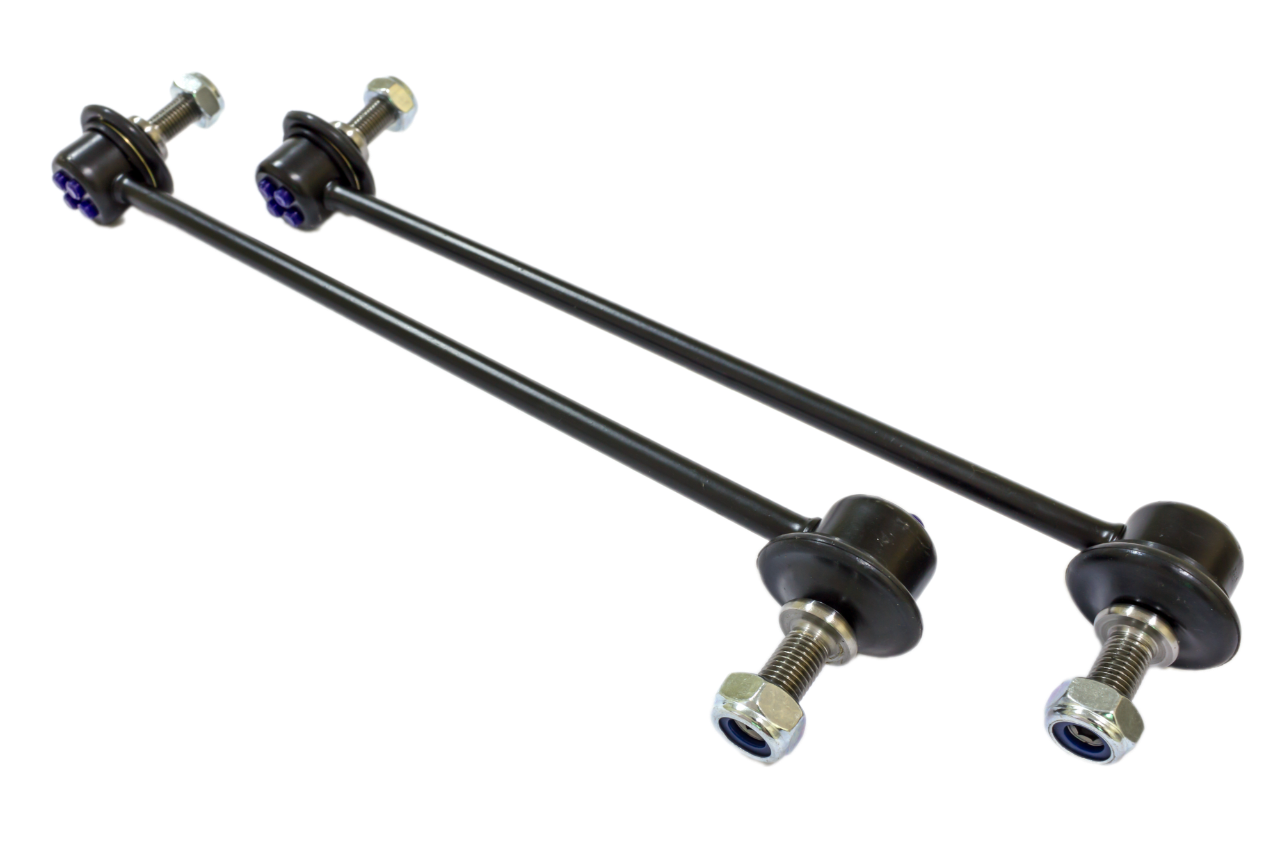
Końcówka drążka kierowniczego stanowi jeden z najważniejszych, choć często pomijanych w analizie elementów układu kierowniczego pojazdu, pełniąc rolę mechanicznego połączenia przekazującego polecenia kierowcy do precyzyjnego ruchu kół. Ten niewielki, lecz niezwykle istotny element działa w miejscu połączenia tarczy kierowniczej z zespołem koła, przekształcając obrotowy ruch wału kierownicy w ruch boczny niezbędny do sterowania kierunkiem jazdy. Gdy końcówka drążka kierowniczego działa prawidłowo, kierowca odczuwa czułą i przewidywalną reakcję układu kierowniczego przy minimalnym luzie lub wibracjach. Z kolei zużyta lub uszkodzona końcówka drążka kierowniczego wpływa nie tylko na precyzję kierowania, ale także na bezpieczeństwo pojazdu, powodując niestabilne zachowanie podczas jazdy, co może prowadzić do niebezpiecznych sytuacji drogowych. Zrozumienie roli tego elementu w zapewnianiu precyzji kierowania wymaga analizy jego funkcji mechanicznej, budowy materiałowej, dynamiki pracy oraz sposobu integracji w szerszej architekturze układu kierowniczego.
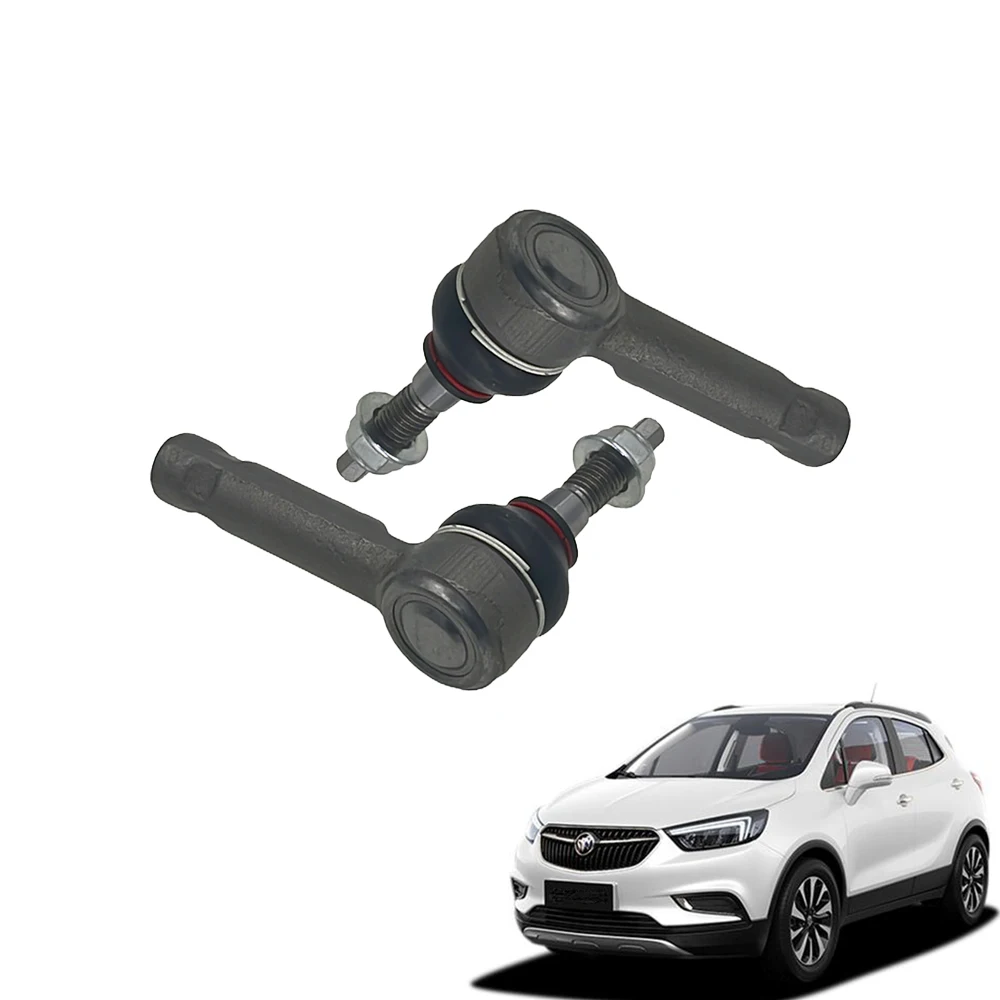
Każde sterowanie kierownicą przez kierowcę uruchamia złożoną sekwencję mechaniczną, w której końcówka drążka kierowniczego odgrywa niezastąpioną rolę w utrzymaniu dokładności ustawienia kół oraz wydajności przekazywania siły. Składa się ona z zawieszenia kulowego umieszczonego w ochronnym gumowym kapturku, zaprojektowanego tak, aby umożliwić ruch kątowy przy jednoczesnym zachowaniu sztywnego przekazywania sił bocznych. To podwójne wymaganie – elastyczność w jednej płaszczyźnie i sztywność w drugiej – określa inżynierskie wyzwanie, które czyni końcówkę drążka kierowniczego kluczowym elementem zapewniającym precyzję kierowania. Powierzchnie łożyskowe wewnątrz zawieszenia muszą wytrzymać tysiące cykli ruchu obrotowego, jednocześnie odpierając znaczne siły boczne powstające podczas zakręcania, hamowania i przyspieszania. Jakość materiału, tolerancje produkcyjne oraz skuteczność smarowania mają bezpośredni wpływ na to, jak dobrze końcówka drążka kierowniczego zachowuje precyzję kierowania przez cały okres eksploatacji. W nowoczesnych pojazdach wyposażonych w coraz bardziej czułe systemy kierownicze oraz ścisłe geometrie zawieszenia wymagania dotyczące precyzji końcówek drążków kierowniczych znacznie wzrosły.
Mechaniczna podstawa precyzji układu kierowniczego
Mechanika przekazywania siły w układach kierowniczych
Końcówka drążka kierowniczego pełni funkcję ostatniego połączenia mechanicznego między tarczą kierowniczą a piastą kierowaną, przekształcając ruch postępowy tarczy w ruch obrotowy zespołu kół. Gdy kierownica jest obracana, wałek kierowniczy obraca zębatkę odcinkową, która przesuwa tarczę w poprzek. Ten ruch poprzeczny jest przekazywany przez drążek kierowniczy – sztywny pręt łączący – do końcówki drążka kierowniczego, która następnie obraca piastę kierowaną, a tym samym także koło. Dokładność tego przekształcenia zależy w całości od integralności mechanicznej łącza końcówki drążka kierowniczego. Jakakolwiek luźność lub zużycie w połączeniu kulowym wprowadza luz do układu, powodując opóźnienie pomiędzy wejściem kierownicy a reakcją kół. Taki luz przejawia się jako nieprecyzyjne lub oderwane odczucie kierowania, przy którym kierowca musi obrócić kierownicę o większy kąt, zanim pojazd zareaguje. W sytuacjach wymagających precyzyjnego kierowania, takich jak zmiana pasa ruchu na autostradzie lub manewry awaryjne, nawet minimalny luz w końcówce drążka kierowniczego może podważyć pewność siebie kierowcy oraz kontrolę nad pojazdem.
Wymagania i ograniczenia związane z ruchem obrotowym
Końcówka drążka kierowniczego musi zapewniać znaczny zakres ruchu obrotowego podczas kompresji i rozszerzania się zawieszenia w trakcie normalnej jazdy. Gdy koła poruszają się pionowo nad nierównościami drogi, końcówka drążka kierowniczego obraca się, utrzymując połączenie między nieruchomą pozycją kierownicy zębatej a poruszającą się zespołem kół. Ten ruch articulacyjny występuje stale i musi przebiegać bez powstawania tarcia lub zakleszczenia, które mogłyby zakłócać precyzję kierowania. Gałka śruby umieszczona w końcówce drążka kierowniczego zwykle umożliwia ruch w stożku o kącie około 40–50 stopni, w zależności od geometrii zawieszenia. W całym tym zakresie ruchu złącze musi zapewniać stałą oporność i brak luzów. Inżynierowie projektują powierzchnie łożyskowe z określonymi luźnymi tolerancjami mierzonymi w tysięcznych cala — na tyle ciasnymi, aby wyeliminować luzy, ale jednocześnie na tyle luźnymi, aby umożliwić płynny ruch articulacyjny. Osłona ochronna otaczająca złącze pełni nie tylko funkcję osłony przed kurzem, lecz stanowi kluczowy element utrzymujący smarowane środowisko niezbędne do precyzyjnego działania. Gdy ta osłona pęka i dopuszcza do wnętrza zanieczyszczenia, precyzja końcówki drążka kierowniczego szybko się pogarsza, ponieważ cząstki ścierne uszkadzają powierzchnie łożyskowe.
Rozkład obciążenia podczas eksploatacji pojazdu
Podczas eksploatacji pojazdu końcówka drążka kierowniczego podlega złożonym warunkom obciążenia, które sprawdzają jej wytrzymałość konstrukcyjną oraz zdolność do utrzymania precyzji. Podczas zakręcania powstają siły boczne, które próbują przesunąć zespół kół względem mechanizmu kierowniczego, generując znaczne naprężenia w stawie końcówki drążka kierowniczego. Siły te mogą przekraczać kilkaset funtów podczas gwałtownego zakręcania lub manewrów awaryjnych. Jednocześnie moment hamowania powoduje dodatkowe obciążenie, ponieważ obszar styku opony z nawierzchnią próbuje obrócić się względem zawieszenia. Końcówka drążka kierowniczego musi wytrzymać te siły bez odkształceń, zachowując przy tym zdolność do swobodnego ruchu obrotowego niezbędną do działania zawieszenia. Wybór materiału nabiera w tym przypadku kluczowego znaczenia — gwintowany wałek kulowy wykonany jest zazwyczaj ze stopowej stali hartowanej, aby zapewnić odporność na zużycie, podczas gdy korpus gniazda stosuje materiały zapewniające trwałość bez nadmiernego zwiększenia masy. Połączenie wciskane lub gwintowane między końcówką drążka kierowniczego a samym drążkiem musi wytrzymać cykliczne obciążenia bez poluzowania się. Jakiekolwiek przemieszczenie w tym połączeniu wprowadza dodatkową luźność, która tak samo poważnie kompromituje precyzję kierowania jak zużycie w stawie. staw kulisty nią samą.
Charakterystyki inżynierskie umożliwiające precyzję
Wybór materiału i obróbka powierzchni
Precyzyjna wydajność końcówki drążka kierowniczego zaczyna się od doboru materiału i inżynierii powierzchni. Producentom zazwyczaj wykonują gwintowany trzpień kulowy ze stali stopowej średnio- lub węglowej o wysokiej zawartości węgla, poddanej obróbce cieplnej w celu osiągnięcia twardości powierzchniowej w zakresie od 55 do 62 w skali Rockwella C. Taki poziom twardości zapewnia doskonałą odporność na zużycie przy jednoczesnym zachowaniu wystarczającej odporności rdzenia na pęknięcie, co zapobiega kruchemu zniszczeniu pod wpływem obciążeń udarowych. Powierzchnia łożyska gniazda wymaga innych właściwości materiałowych – musi być wystarczająco twarda, aby zapewnić odporność na zużycie, ale jednocześnie posiadać pewną zdolność do odkształcania się, by uwzględnić niewielkie odchylenia produkcyjne oraz utrzymać optymalny kontakt z powierzchnią kuli. W wielu wysokiej klasy konstrukcjach końcówek drążków kierowniczych stosuje się wkładki łożyskowe polimerowe, które zapewniają własności samosmarujące oraz pomagają tłumić drobne drgania, które w przeciwnym razie przenosiłyby się przez układ kierowniczy. Samą powierzchnię kuli często poddaje się specjalnym obróbkom, takim jak chromowanie lub fosfatacja, w celu dalszego zwiększenia odporności na zużycie i zmniejszenia tarcia. Te obróbki powierzchniowe tworzą mikro-gładką powłokę, która minimalizuje naprężenia kontaktowe i wydłuża precyzyjny okres użytkowania komponentu.
Kontrola tolerancji produkcyjnych
Dokładność końcówki drążka kierowniczego w samochodzie wynika fundamentalnie z kontroli tolerancji produkcyjnych podczas jego wytwarzania. Powierzchnia kulista gwintowanej kuli musi zachować zaokrąglenie w granicach mikronów na całej powierzchni jej ruchu obrotowego. Nawet niewielkie odchylenia od idealnej geometrii kulistej powodują powstanie miejsc o zwiększonej wysokości, które przyspieszają zużycie oraz wprowadzają okresowe zmiany oporu podczas ruchu obrotowego połączenia. Podobnie łożysko gniazda musi zachować spójną wewnętrzną geometrię, aby zapewnić jednolite ciśnienie kontaktowe wzdłuż obwodu kuli. Producent wykorzystuje operacje szlifowania i przycinania z precyzją do osiągnięcia tych ścisłych tolerancji, a końcową kontrolę wymiarową przeprowadza się przy użyciu maszyn pomiarowych współrzędnościowych lub specjalistycznych urządzeń pomiarowych. Stożek na trzonie gwintowanej kuli – czyli część wstawiana do piasty kierownicy – wymaga równie ścisłej kontroli, aby zagwarantować prawidłowe dopasowanie i rozkład obciążenia po zamontowaniu. Źle wykonany stożek może powodować koncentracje naprężeń prowadzące do przedwczesnego uszkodzenia lub umożliwiać luzy, które pogarszają precyzję kierowania. Jakość car tie rod end producenti wdrażają statystyczną kontrolę procesu, aby monitorować te kluczowe wymiary w trakcie całych serii produkcyjnych.
Projektowanie systemu smarowania
Wewnętrzne smarowanie końcówki drążka kierowniczego samochodu ma bezpośredni wpływ na zdolność elementu do utrzymania precyzji przez cały okres jego eksploatacji. Tradycyjne konstrukcje serwisowane wyposażone były w nakrętki smarownicze umożliwiające okresowe uzupełnianie smaru, natomiast nowoczesne konstrukcje uszczelnione muszą zawierać wystarczającą ilość smaru na cały okres użytkowania danego elementu. Smar pełni wiele funkcji: zmniejsza tarcie między powierzchniami łożyskowymi, zapobiega korozji, amortyzuje obciążenia udarowe oraz wspomaga wykluczenie zanieczyszczeń. Producenci wypełniają te uszczelnione zawiesia specjalnymi smarami, które zostały zaprojektowane tak, aby odpierać rozdzielenie pod wpływem sił odśrodkowych generowanych przez obracające się koła oraz zachowywać stałą konsystencję w szerokim zakresie temperatur. Ilość smaru musi być starannie kontrolowana — zbyt mała ilość prowadzi do niewystarczającego smarowania i przyspieszonego zużycia, podczas gdy nadmiar smaru może powodować nadmierne ciśnienie wewnętrzne, co uszkadza uszczelki lub stwarza opór przy ruchu obrotowym. Konstrukcja ochronnej osłony działa w połączeniu z układem smarowania, utrzymując dodatnie ciśnienie wewnętrzne, które pomaga zapobiegać przedostawaniu się zanieczyszczeń. Gdy ta osłona ulega uszkodzeniu, nawet dobrze posmarowana końcówka drążka kierowniczego samochodu szybko się zużywa, ponieważ woda, brud i sól drogowa dostają się na powierzchnie łożyskowe i degradują ochronne właściwości smaru.
Dynamika eksploatacji i precyzyjna konserwacja
Postęp zużycia i degradacja precyzji
Zrozumienie, w jaki sposób końcówka drążka kierowniczego utrzymuje lub traci precyzję, wymaga przeanalizowania postępu zużycia występującego w trakcie normalnej eksploatacji. Początkowe zużycie zachodzi głównie w okresie przekraczania się elementów, gdy mikroskopijne nierówności na powierzchniach łożyskowych są wygładzane w wyniku działania. Po tym początkowym osiadaniu tempo zużycia zwykle spada, ponieważ powierzchnie osiągają optymalne dopasowanie. Jednak dalsze cykliczne obciążenie i ruchy obrotowe stopniowo zwiększają luz łożyskowy. Zużycie to przyspiesza w przypadku przedostania się zanieczyszczeń do zawieszenia lub niedostatecznego smarowania. Związek między zużyciem a utratą precyzji nie jest liniowy — początkowo niewielkie ilości zużycia mogą mieć minimalny wpływ na odczucie kierownicy, ale po przekroczeniu krytycznych wartości luzów precyzja gwałtownie się pogarsza. Końcówka drążka kierowniczego może zachować akceptowalną precyzję przez 80 000 mil, a następnie doznać zauważalnego pogorszenia w ciągu kolejnych 10 000 mil, gdy zużycie przekroczy zakres, w którym luzy stają się odczuwalne. Czynniki środowiskowe mają ogromny wpływ na ten proces zużycia. Pojazdy eksploatowane w regionach o dużym stopniu zanieczyszczenia dróg solą drogową ulegają przyspieszonej korozji, która uszkadza zarówno ochronny gumowy klosz, jak i same powierzchnie łożyskowe. Podobnie pojazdy poddawane częstej eksploatacji terenowej lub poruszające się po źle utrzymanych drogach doświadczają wyższych obciążeń udarowych, które przyspieszają zużycie.
Charakterystyka dynamicznych odpowiedzi
Dynamiczna odpowiedź końcówki drążka kierowniczego samochodu wpływa na precyzję układu kierowniczego w sposób wykraczający poza prosty luz mechaniczny. Gdy kierowca dokonuje wejścia kierownicy, końcówka drążka kierowniczego musi natychmiastowo zareagować bez jakiegokolwiek opóźnienia lub podatności. Jakakolwiek elastyczność lub luźność w zawieszeniu powoduje opóźnienie fazowe między wejściem kierownicy a reakcją kół. Takie opóźnienie staje się szczególnie widoczne podczas szybkich korekt kierunku lub przy przejściu z zakrętu w lewo do zakrętu w prawo. Pozycja środkowa układu kierowniczego – czyli sytuacja, w której pojazd porusza się prosto ahead – stanowi najważniejszy obszar wymagający maksymalnej precyzji. Każdy luz w końcówce drążka kierowniczego powoduje nieprecyzyjne odczucie pozycji środkowej, przy którym niewielkie ruchy kierownicy nie wywołują żadnej reakcji. Kierowcy kompensują to poprzez ciągłe, drobne korekty, co prowadzi do zmęczenia podczas jazdy oraz obniżenia stabilności pojazdu. Sztywność zawieszenia – czyli jego odporność na odkształcenie pod wpływem obciążenia – również wpływa na precyzję. Zawieszenie uginające się pod wpływem sił skręcających powoduje zmienne w czasie reakcje kierownicy zależne od przyspieszenia bocznego, co czyni zachowanie pojazdu mniej przewidywalnym. Wysokiej klasy końcówki drążka kierowniczego są projektowane tak, aby zoptymalizować sztywność zawieszenia, zapewniając brak luzu swobodnego przy jednoczesnym gwarantowaniu płynnej pracy zawieszenia – osiągając tym samym idealny balans między precyzją a swobodą ruchu.
Integracja z nowoczesnymi technologiami kierowniczymi
Współczesne pojazdy coraz częściej wykorzystują elektryczne układy wspomagania kierownicy oraz zaawansowane funkcje wspomagania kierowcy, co stawia nowe wymagania wobec precyzji końcówek drążka kierowniczego. Układy elektrycznego wspomagania kierownicy nie posiadają tłumienia hydraulicznego charakterystycznego dla tradycyjnych układów, przez co są bardziej wrażliwe na wszelkie niedoskonałości w połączeniu mechanicznym. Nawet niewielki stopień zużycia końcówki drążka kierowniczego może powodować anomalie odczuwania kierownicy, których układ elektrycznego wspomagania kierownicy nie jest w stanie w pełni skompensować. Funkcje utrzymywania pojazdu w pasie ruchu oraz zautomatyzowane sterowanie kierownicą wymagają niezwykle precyzyjnej kontroli położenia kół, przy tolerancjach mierzonych ułamkami stopnia. Układy te zakładają, że mechaniczne połączenie kierownicze będzie reagować w sposób przewidywalny na wysyłane polecenia. Zużycie końcówki drążka kierowniczego wprowadza nieliniowość w tę odpowiedź, co potencjalnie może powodować drgania lub niestabilne działanie tych systemów wspomagania podczas prób kompensacji niedoskonałości mechanicznych. Dodatkowo niektóre nowoczesne pojazdy wyposażone są w aktywną kontrolę zbieżności lub sterowanie tylnymi kołami, co zwiększa liczbę końcówek drążka kierowniczego w układzie i nasila skumulowany wpływ zużycia na ogólną precyzję pojazdu. W miarę rozwoju technologii jazdy autonomicznej wymagania dotyczące precyzji elementów układu kierowniczego, w tym końcówek drążka kierowniczego, prawdopodobnie będą dalej rosnąć, co może spowodować zmiany w standardach projektowych oraz interwałach serwisowych.
Uwagi diagnostyczne i ocena precyzji
Metody inspekcji fizycznej
Ocenę stanu końcówki drążka kierowniczego wymaga zastosowanie systematycznych technik inspekcji, pozwalających wykryć utratę precyzji jeszcze przed powstaniem zagrożeń dla bezpieczeństwa. Inspekcja wizualna rozpoczyna się od sprawdzenia osłony ochronnej pod kątem pęknięć, rozdarć lub przesunięć, które mogą wskazywać na uszkodzenie uszczelnienia. Każde uszkodzenie osłony sugeruje potencjalne zanieczyszczenie zawieszenia, co uzasadnia natychmiastową wymianę końcówki drążka kierowniczego niezależnie od innych objawów. Test manipulacyjny polega na chwyceniu drążka kierowniczego w pobliżu jego końcówki i próbie przemieszczenia go w wielu płaszczyznach, podczas gdy asystent obserwuje ruch w punkcie połączenia kulistej śruby. Jakikolwiek odczuwalny luz wskazuje na zużycie przekraczające dopuszczalne granice. Skuteczność tego testu zależy jednak w dużej mierze od doświadczenia inspektora oraz łatwości dostępu do danego elementu. W niektórych konstrukcjach pojazdów końcówka drążka kierowniczego jest umieszczona w miejscu, gdzie bezpośredni dostęp jest utrudniony, co wymaga częściowego rozbioru układu w celu prawidłowej inspekcji. Technicy powinni również sprawdzić dokręcenie nakrętki koronkowej mocującej końcówkę drążka kierowniczego do piasty kierownicy, ponieważ jej luźne osadzenie może imitować objawy zużytego zawieszenia. Połączenie gwintowe między drążkiem kierowniczym a jego końcówką należy sprawdzić pod kątem prawidłowego dokręcenia nakrętki blokującej, ponieważ ruch w tym obszarze również wpływa negatywnie na precyzję kierowania.
Testowanie funkcjonalne podczas eksploatacji pojazdu
Charakterystyka jazdy dostarcza cennych informacji diagnostycznych dotyczących stanu końcówek drążka kierowniczego. Niejasne lub niedokładne odczucie kierownicy, szczególnie w pozycji środkowej, wskazuje na zużycie elementów układu kierowniczego. Pojazd, który „dryfuje” lub wymaga ciągłych korekt kierownicy w celu utrzymania ruchu po linii prostej, może mieć zużyte końcówki drążka kierowniczego, choć ten objaw może również wynikać z problemów z geometrią układu jezdności lub oponami. Nietypowe dźwięki podczas obrotu kierownicy — w szczególności stukanie przy przejściu z jazdy prosto do skręcania — często wskazują na nadmierny luz w łączach końcówek drążka kierowniczego. Dźwięki te powstają, gdy luźne elementy nagle obciążają się i rozładowują podczas zmiany kierunku. Wibracje przenoszone przez kierownicę, zwłaszcza podczas hamowania lub jazdy po nierównym terenie, mogą również świadczyć o zużyciu końcówek drążka kierowniczego. Jednak diagnozowanie wyłącznie na podstawie objawów jazdy wymaga starannego rozróżnienia od innych możliwych przyczyn. Wzory zużycia opon dostarczają dodatkowych wskazówek diagnostycznych — nieregularne zużycie krawędzi wewnętrznej lub zewnętrznej przednich opon może wskazywać na problemy z geometrią układu jezdności, które potencjalnie spowodowane są zużyciem końcówek drążka kierowniczego prowadzącym do przesunięcia kąta zbieżności. Kompleksowa, precyzyjna ocena łączy obserwacje z testu drogowego z fizyczną kontrolą i pomiarami, aby dokładnie określić stan danego komponentu.
Technologie i standardy pomiarowe
Profesjonalni technicy wykorzystują specjalistyczne narzędzia do pomiaru zużycia końców drążków kierowniczych oraz oceny, czy dokładność pozostaje w dopuszczalnych granicach. Wskazówki tarczowe pozwalają zmierzyć rzeczywistą wartość luzu w połączeniu końców drążków kierowniczych, dostarczając obiektywnych danych zamiast subiektywnej oceny. Procedura pomiaru polega na zamocowaniu wskazówki tarczowej względem stałego punktu odniesienia, a następnie przemieszczeniu końca drążka kierowniczego w całym zakresie jego ruchu w celu zarejestrowania maksymalnego ugięcia. Większość producentów określa maksymalny dopuszczalny luz w zakresie od 0,020 do 0,030 cala, choć pojazdy wymagające wysokiej precyzji mogą mieć jeszcze bardziej restrykcyjne tolerancje. Urządzenia do badań obciążeniowych pozwalają ocenić opór ruchu w połączeniu, wykrywając zużycie powodujące zwiększenie tarcia lub zakleszczenie. Niektóre zaawansowane systemy diagnostyczne wykorzystują czujniki kąta skrętu kierownicy oraz czujniki położenia kół do wykrywania rozbieżności między poleceniem a rzeczywistym położeniem kół, co potencjalnie umożliwia identyfikację zużytych końców drążków kierowniczych jeszcze przed wystąpieniem wyraźnych objawów. W miarę rozwoju technologii pojazdów możliwości diagnostyczne prawdopodobnie będą się dalej rozwijać, umożliwiając jeszcze wcześniejsze wykrywanie degradacji dokładności. Podejścia oparte na konserwacji predykcyjnej mogą w przyszłości zapewniać ciągłą kontrolę stanu końców drążków kierowniczych, ostrzegając kierowców o konieczności wymiany jeszcze przed utratą dokładności wpłynie na wydajność lub bezpieczeństwo pojazdu.
Optymalizacja czasu eksploatacji i strategia wymiany
Czynniki wpływające na trwałość dokładności
Okres użytkowania końcówki drążka kierowniczego, w którym zachowuje ona akceptowalną dokładność, różni się znacznie w zależności od wielu czynników wpływających. Masa pojazdu oraz geometria zawieszenia określają podstawowe warunki obciążenia, które decydują o szybkości zużycia. Cięższe pojazdy z większą rozstawem kół generują większe siły działające na końcówki drążków kierowniczych podczas skręcania, co przyspiesza ich zużycie. Środowisko eksploatacji ma istotny wpływ na trwałość — pojazdy eksploatowane w klimacie północnym, gdzie występuje kontakt z solą drogową, zwykle wymagają wymiany końcówek drążków kierowniczych przy niższej przebieżności niż pojazdy eksploatowane w regionach o umiarkowanym klimacie. Styl jazdy również odgrywa istotną rolę: agresywne skręcanie i częste gwałtowne hamowanie powodują wyższe cykle naprężeń, które przyspieszają zużycie. Pojazdy poruszające się głównie trasami autostradowymi osiągają zwykle dłuższą żywotność końcówek drążków kierowniczych niż pojazdy poruszające się głównie w warunkach miejskich, ponieważ jazda autostradowa wiąże się z względnie stałymi obciążeniami oraz mniejszą liczbą gwałtownych manewrów kierowniczych. Prawidłowe ustawienie geometrii przedniej osi wydłuża żywotność końcówek drążków kierowniczych, zapewniając równomierne rozłożenie obciążeń i zapobiegając przyspieszonemu zużyciu wynikającemu z pracy elementów pod niewłaściwymi kątami. Regularne inspekcje oraz natychmiastowa wymiana osłony (boot) po wykryciu jej uszkodzenia mogą znacząco wydłużyć okres użytkowania, zapobiegając przedostawaniu się zanieczyszczeń do wnętrza elementu. Różnice jakości między oryginalnymi częściami zamontowanymi fabrycznie a częściami zamiennymi dostępnymi na rynku części zamiennych mają istotny wpływ na trwałość: wysokiej klasy części zamiennych zapewniają często znacznie dłuższy okres zachowania dokładności, mimo wyższych początkowych kosztów.
Wymiana rozrządu i precyzyjna regeneracja
Określenie optymalnego momentu wymiany końcówki drążka kierowniczego wymaga zrównoważenia czynników związanych z bezpieczeństwem, oczekiwaniami dotyczącymi wydajności oraz aspektami ekonomicznymi. Z czysto bezpieczeństwa punktu widzenia wymianę należy przeprowadzić przy pierwszych oznakach zużycia, ponieważ nawet niewielka luźność w układzie kierowniczym może prowadzić do utraty kontroli nad pojazdem. Jednak praktyczne rozważania często powodują, że decyzja o wymianie opiera się na określonych progach występowania objawów lub ustalonych odstępach czasowych. Wielu profesjonalnych mechaników zaleca wymianę końcówek drążków kierowniczych już przy pierwszych oznakach uszkodzenia osłony gumowej, nawet jeśli jeszcze nie stwierdzono żadnej luźności — takie podejście zapobiegawcze pozwala uniknąć szybkiego pogorszenia stanu wynikającego z przedostania się zanieczyszczeń. Gdy jedna z końcówek drążka kierowniczego wykazuje znaczne zużycie, uzasadnione jest sprawdzenie wszystkich elementów układu kierowniczego, ponieważ zwykle podlegają one podobnym warunkom eksploatacyjnym i mogą zbliżać się do końca swojej żywotności równocześnie. Wymiana końcówek drążków kierowniczych parami – czyli obu stron tego samego mostu – zapewnia symetryczną reakcję układu kierowniczego i eliminuje trudności diagnostyczne, które mogą wynikać z istotnej różnicy w stopniu zużycia między jedną a drugą stroną. Po wymianie przywrócenie precyzji kierowania jest zazwyczaj natychmiastowe i wyraźne; kierowcy często zauważają, jak bardzo obniżona precyzja wpływała na ich doświadczenie jazdy, gdy po raz pierwszy odczują ostre i dokładne działanie nowych elementów. Poprawne procedury montażu, w tym stosowanie odpowiednich momentów dokręcania oraz zamontowanie nowych szpilek rozporowych lub innych mechanizmów blokujących, gwarantują, że wymieniona końcówka drążka kierowniczego zapewni pełną projektowaną żywotność w zakresie precyzyjnego działania.
Integracja wyrównania i optymalizacja systemu
Wymiana końców drążka kierowniczego wymaga wyregulowania przodu pojazdu, aby przywrócić precyzyjne prowadzenie i zoptymalizować żywotność opon. Końce drążka kierowniczego bezpośrednio kontrolują kąt zbieżności kół przednich — stopień, w jakim koła skierowane są do wewnątrz lub na zewnątrz, gdy patrzymy na nie od góry. Podczas wymiany rozłącza się połączenie gwintowe między drążkiem kierowniczym a jego końcem; choć serwisanci zwykle liczą zwoje gwintu lub dokonują pomiarów, aby przybliżyć pierwotne ustawienie, dokładna regulacja kąta zbieżności wymaga profesjonalnego sprzętu do geometrii kół. Nowoczesne systemy geometrii wykorzystują czujniki optyczne lub elektroniczne do pomiaru kątów kół z dokładnością przekraczającą 0,01 stopnia. Poprawna geometria zapewnia, że oba koła przednie poruszają się równolegle przy centralnym ustawieniu kierownicy, eliminując tzw. „tarcie opon” występujące przy nieprawidłowej zbieżności. Poza prostą regulacją zbieżności kompleksowa geometria obejmuje sprawdzenie kątów pochylenia (camber) i nachylenia osi zwrotnicy (caster), które – choć nie są regulowane bezpośrednio za pomocą końców drążka kierowniczego – oddziałują na ustawienie zbieżności i decydują o ogólnej precyzji oraz stabilności układu kierowniczego. Pojazdy wyposażone w zaawansowane układy zawieszenia lub przeznaczone do zastosowań wymagających wysokiej precyzji jazdy mogą korzystać z parametrów geometrii wydajnościowej, różniących się od podstawowych wartości zalecanych przez producenta. Inwestycja w prawidłową geometrię po wymianie końców drążka kierowniczego jest niezbędna — bez niej nawet nowe, precyzyjne komponenty nie zapewnią optymalnej wydajności układu kierowniczego, a nieprawidłowa geometria przyspieszy zużycie nowych części, skracając ich rzeczywistą żywotność.
Często zadawane pytania
Jak często należy sprawdzać końcówki drążka kierowniczego pod kątem zużycia?
Końcówki drążka kierowniczego powinny być sprawdzane podczas każdej rutynowej obsługi serwisowej, zazwyczaj co 10 000–20 000 km lub zgodnie ze wskazaniami harmonogramu konserwacji pojazdu. Częstsze sprawdzanie jest zalecane dla pojazdów eksploatowanych w trudnych warunkach, np. w regionach o intensywnym stosowaniu soli drogowej, na drogach gruntowych lub w skrajnych warunkach klimatycznych. Podczas kontroli technicy powinni sprawdzić integralność osłony gumowej („boot”), obecność luźności fizycznej w zawieszeniu oraz ślady wycieku smaru. Roczna kompleksowa kontrola zawieszenia umożliwia bardziej szczegółową ocenę, w tym pomiar rzeczywistej luźności oraz ocenę wpływu końcówki drążka kierowniczego na ogólną precyzję układu kierowniczego.
Czy pojedyncza zużyta końcówka drążka kierowniczego może wpływać na ogólną geometrię układu kierowniczego pojazdu?
Tak, zużyta końcówka drążka kierowniczego bezpośrednio wpływa na zbieżność pojazdu, umożliwiając zmianę kąta zbieżności koła, z którym jest połączona. Zużycie powoduje luz w przegubie, co może powodować przesunięcie koła względem podwozia, powodując niewspółosiowość, nawet jeśli inne elementy nie uległy zmianie. Ta niewspółosiowość zazwyczaj powoduje ściąganie pojazdu na jedną stronę i nierównomierne zużycie opon. Ponadto, ponieważ geometria układu kierowniczego została zaprojektowana z założeniem, że wszystkie elementy utrzymują swoje określone położenie, zużycie jednej końcówki drążka kierowniczego może powodować asymetryczną reakcję układu kierowniczego, gdzie pojazd zachowuje się inaczej podczas skręcania w lewo niż w prawo. Dlatego po wymianie dowolnego elementu końcówki drążka kierowniczego należy wykonać regulację zbieżności.
Co różni wysokiej klasy końcówki drążka kierowniczego od tych o klasie ekonomicznej pod względem precyzji?
Elementy końcówek drążka kierowniczego klasy premium charakteryzują się zazwyczaj ścislszymi tolerancjami produkcyjnymi, materiałami wyższej klasy z lepszymi powłokami ochronnymi oraz bardziej zaawansowanymi systemami smarowania w porównaniu do alternatywnych rozwiązań ekonomicznych. Powierzchnie łożyskowe w elementach klasy premium zachowują bardziej precyzyjną geometrię kulistą, co zapewnia brak luzu przy nowych częściach oraz wolniejszy przebieg zużycia w czasie. Dobór materiału wpływa zarówno na początkową dokładność, jak i trwałość – elementy premium wykonane są ze stali stopowych poddanych zoptymalizowanej obróbce cieplnej w celu uzyskania maksymalnej odporności na zużycie. Ochronne osłony wysokiej jakości końcówek drążka kierowniczego wykonane są z bardziej trwałych związków elastomerowych, mniej podatnych na pękania, oraz cechują się lepszymi konstrukcjami uszczelniającymi, skuteczniej zapobiegającymi przedostawaniu się zanieczyszczeń. Choć tanie części zamienne mogą wyglądać funkcjonalnie identycznie, często stosują one luźniejsze tolerancje i tańsze materiały, co prowadzi do krótszego okresu utrzymania precyzji – mogą wymagać wymiany już po połowie przebiegu, po którym nadal działają bez problemu elementy klasy premium.
Czy elektryczne układy wspomagania kierownicy stawiają inne wymagania co do precyzji końcówek drążka kierowniczego w porównaniu z układami hydraulicznymi?
Systemy elektrycznego wspomagania kierownicy są zazwyczaj bardziej wrażliwe na niedoskonałości w układzie kierowniczym, w tym na zużycie końcówek drążka kierowniczego, niż tradycyjne systemy hydrauliczne. Systemy hydrauliczne zapewniają naturalne tłumienie dzięki oporowi płynu, co może maskować niewielką luźność lub luz w elementach mechanicznych. Systemy elektryczne nie posiadają tego hydraulicznego tłumienia i reagują bardziej bezpośrednio na sygnały mechaniczne, przez co każda luźność w końcówkach drążka kierowniczego staje się bardziej zauważalna dla kierowcy. Ponadto nowoczesne systemy elektrycznego wspomagania kierownicy często wykorzystują algorytmy symulujące odczucie kierowania, które zakładają precyzyjny układ mechaniczny — zużycie końcówek drążka kierowniczego może zakłócać działanie tych algorytmów, powodując nietypowe cechy kierowania. Pojazdy wyposażone w funkcję utrzymywania pasa ruchu lub inne zautomatyzowane funkcje kierowania wymagają jeszcze większej precyzji, ponieważ te systemy opierają się na skrajnie dokładnej kontroli położenia kół, której skuteczność jest naruszana przez zużyte końcówki drążka kierowniczego. Zwiększone wrażliwość oznacza, że w pojazdach z elektrycznym wspomaganiem kierownicy końcówki drążka kierowniczego mogą wymagać wymiany już przy wcześniejszych etapach zużycia niż w starszych systemach hydraulicznych, aby zachować optymalną precyzję kierowania oraz prawidłowe działanie funkcji wspomagania kierowcy.
Spis treści
- Mechaniczna podstawa precyzji układu kierowniczego
- Charakterystyki inżynierskie umożliwiające precyzję
- Dynamika eksploatacji i precyzyjna konserwacja
- Uwagi diagnostyczne i ocena precyzji
- Optymalizacja czasu eksploatacji i strategia wymiany
-
Często zadawane pytania
- Jak często należy sprawdzać końcówki drążka kierowniczego pod kątem zużycia?
- Czy pojedyncza zużyta końcówka drążka kierowniczego może wpływać na ogólną geometrię układu kierowniczego pojazdu?
- Co różni wysokiej klasy końcówki drążka kierowniczego od tych o klasie ekonomicznej pod względem precyzji?
- Czy elektryczne układy wspomagania kierownicy stawiają inne wymagania co do precyzji końcówek drążka kierowniczego w porównaniu z układami hydraulicznymi?