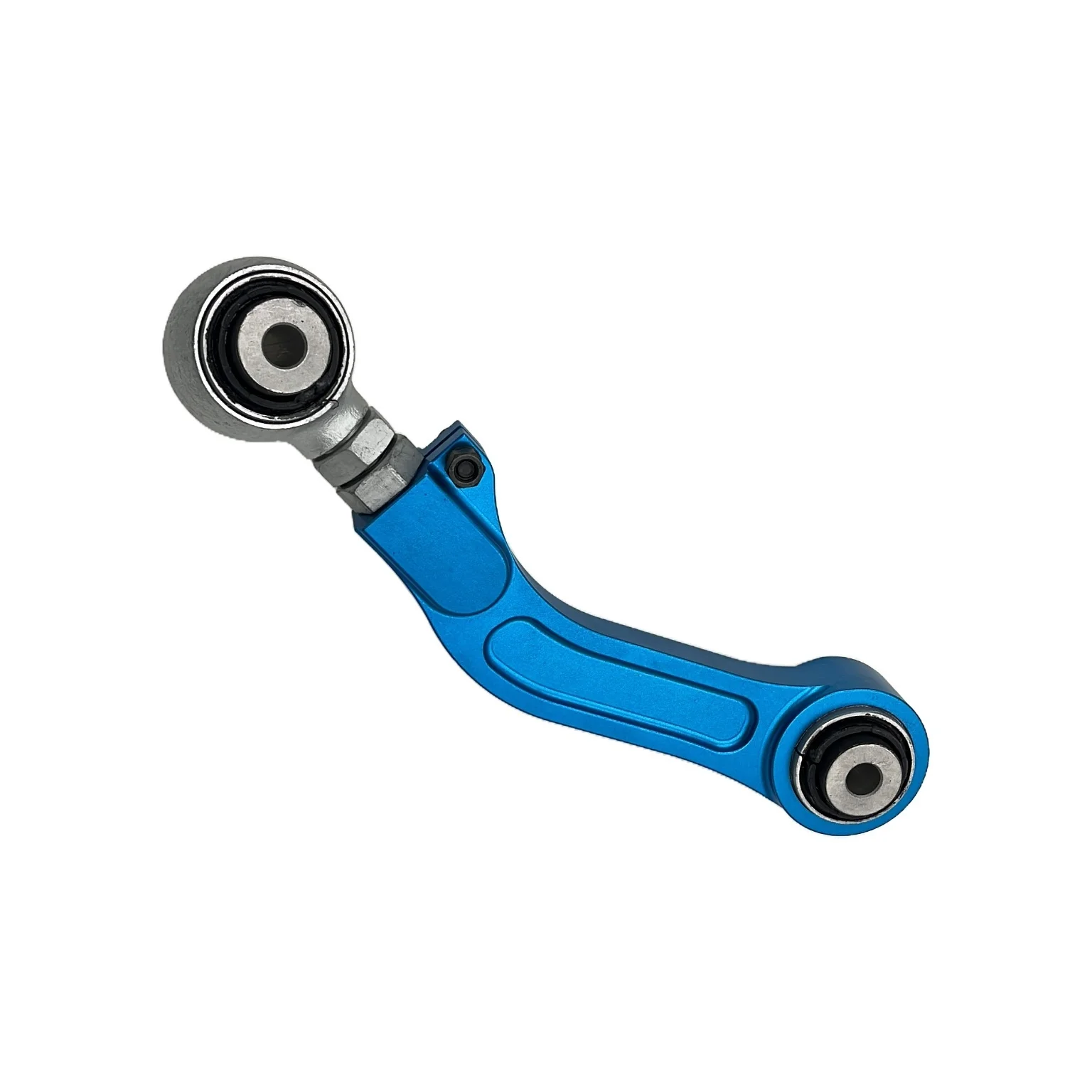
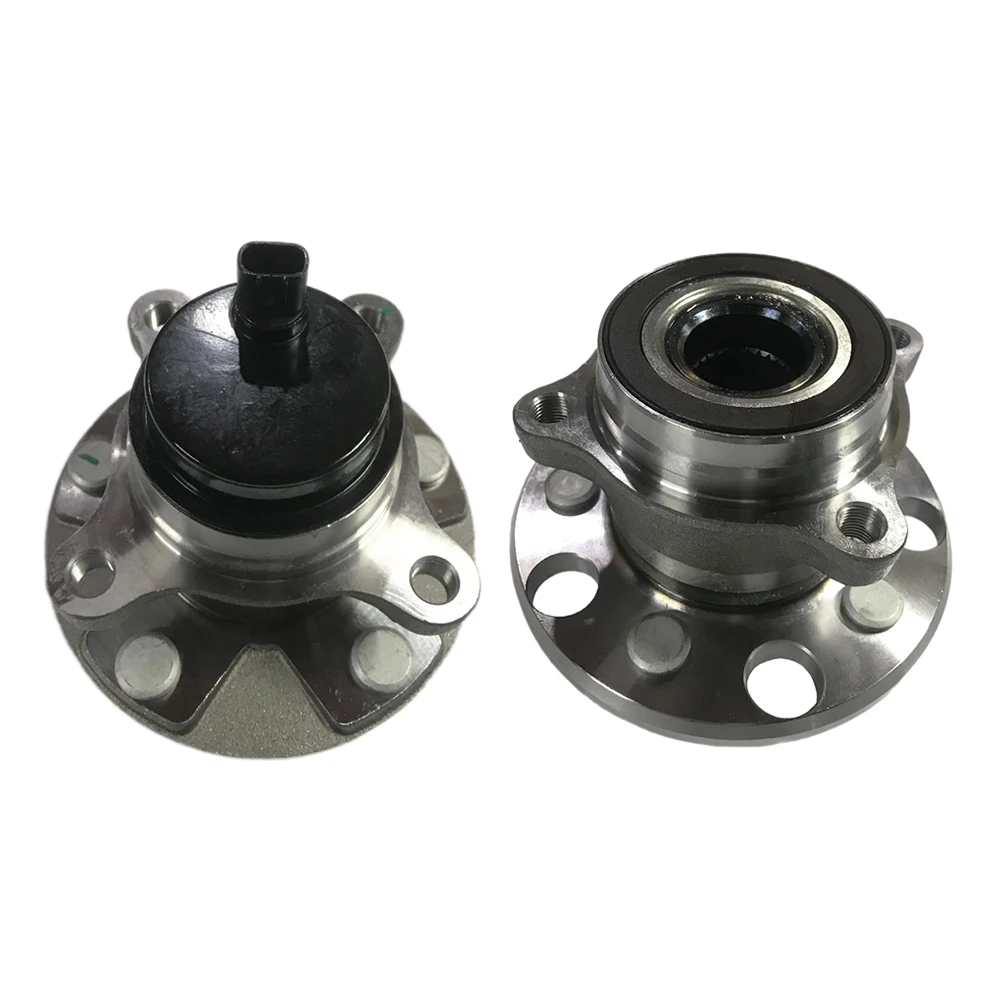
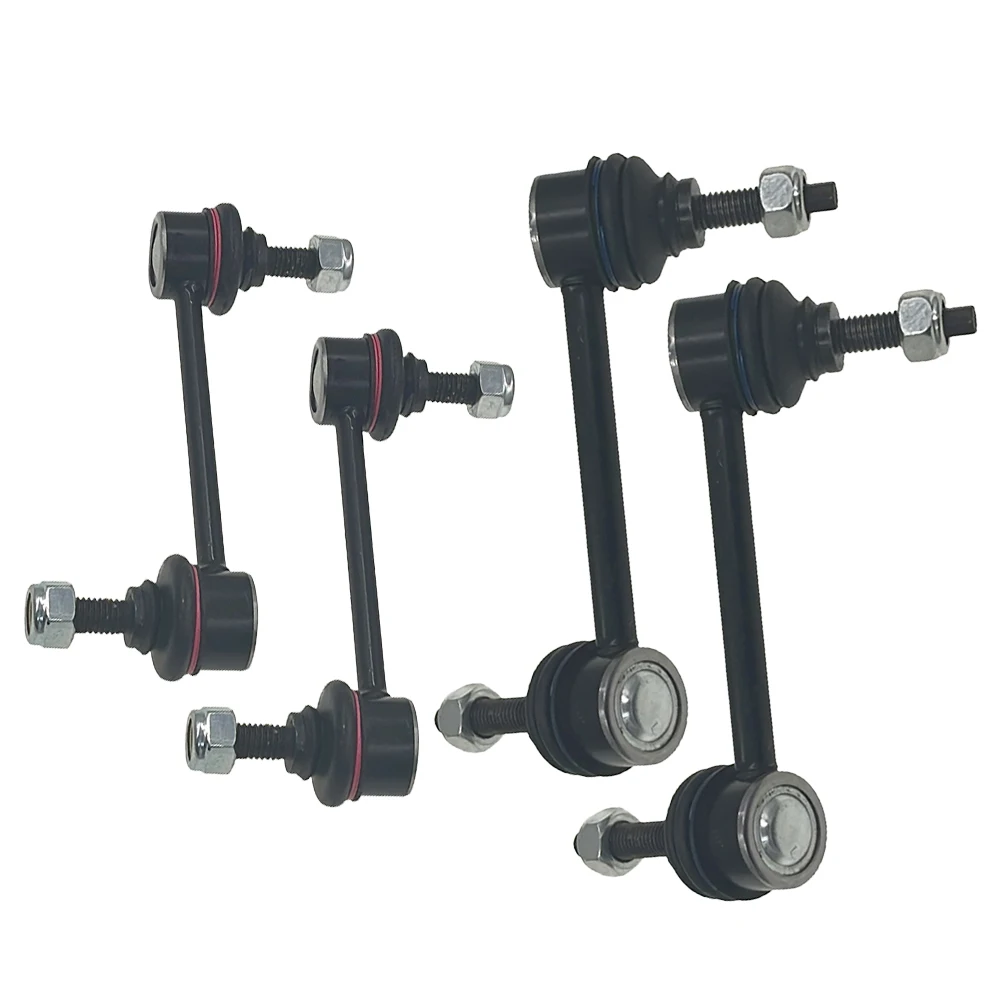
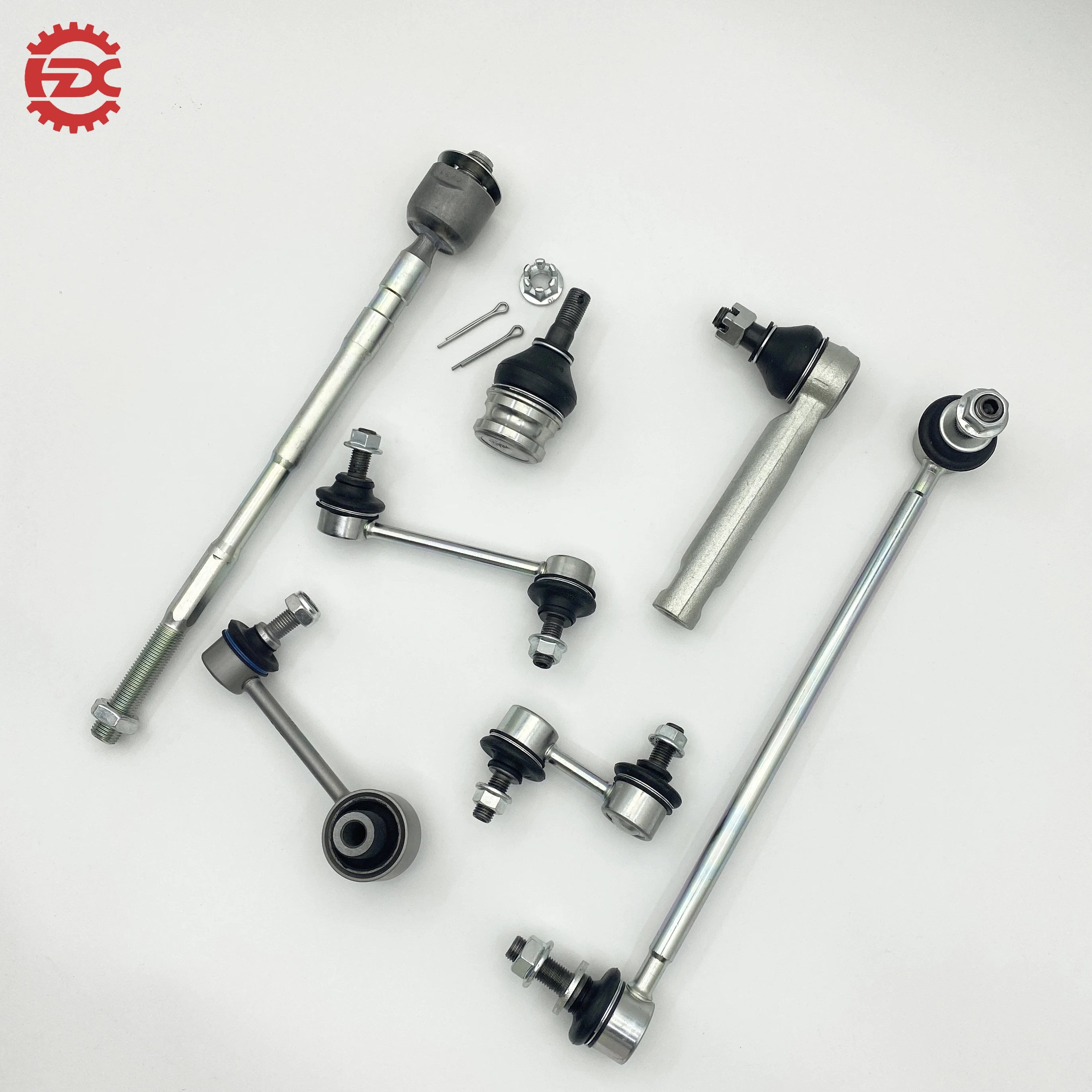
adjusting tie rods
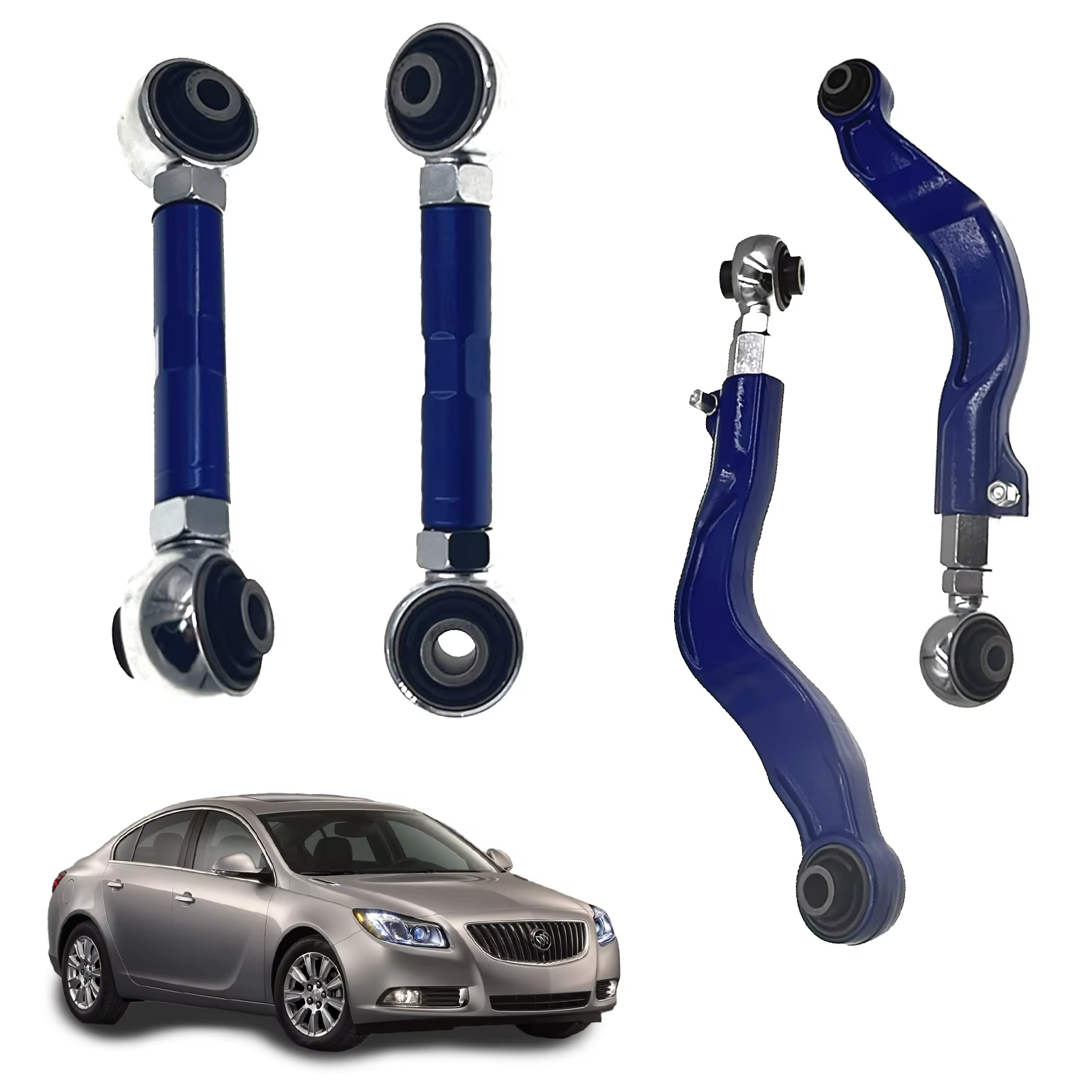
Adjusting tie rods represent a crucial mechanical component engineered to provide precise length adjustment and structural stability across diverse industrial applications. These sophisticated devices combine the fundamental strength of traditional tie rods with innovative adjustment mechanisms that enable real-time modifications without compromising structural integrity. The primary function of adjusting tie rods centers on maintaining tension, alignment, and dimensional accuracy in mechanical assemblies while accommodating thermal expansion, settling, and operational variations. The technological architecture of adjusting tie rods incorporates precision-threaded elements, locking mechanisms, and robust material construction designed to withstand substantial loads while maintaining adjustment capability. These components feature dual-threaded configurations that allow for fine-tuned length modifications through rotational adjustment of central coupling nuts or specialized adjustment sleeves. The engineering design ensures that adjustments can be performed under load conditions, making them invaluable for applications requiring ongoing calibration. Manufacturing processes utilize high-grade steel alloys, stainless steel, or specialized materials depending on environmental requirements and load specifications. Surface treatments including galvanization, powder coating, or specialized platings enhance corrosion resistance and extend operational lifespan. The applications for adjusting tie rods span numerous industries including construction, manufacturing, aerospace, automotive, and marine sectors. In construction applications, these components provide essential structural support for building frameworks, bridge assemblies, and architectural installations where dimensional adjustments are necessary during construction or throughout the structure's operational life. Manufacturing facilities utilize adjusting tie rods in machinery alignment, conveyor systems, and production equipment where precision positioning is critical. The aerospace industry employs these components in aircraft assembly and maintenance applications where weight considerations and adjustment precision are paramount. Marine applications benefit from corrosion-resistant variants designed to withstand harsh saltwater environments while maintaining adjustment functionality.

 EN
EN