Superior Materials and Construction for Extended Durability
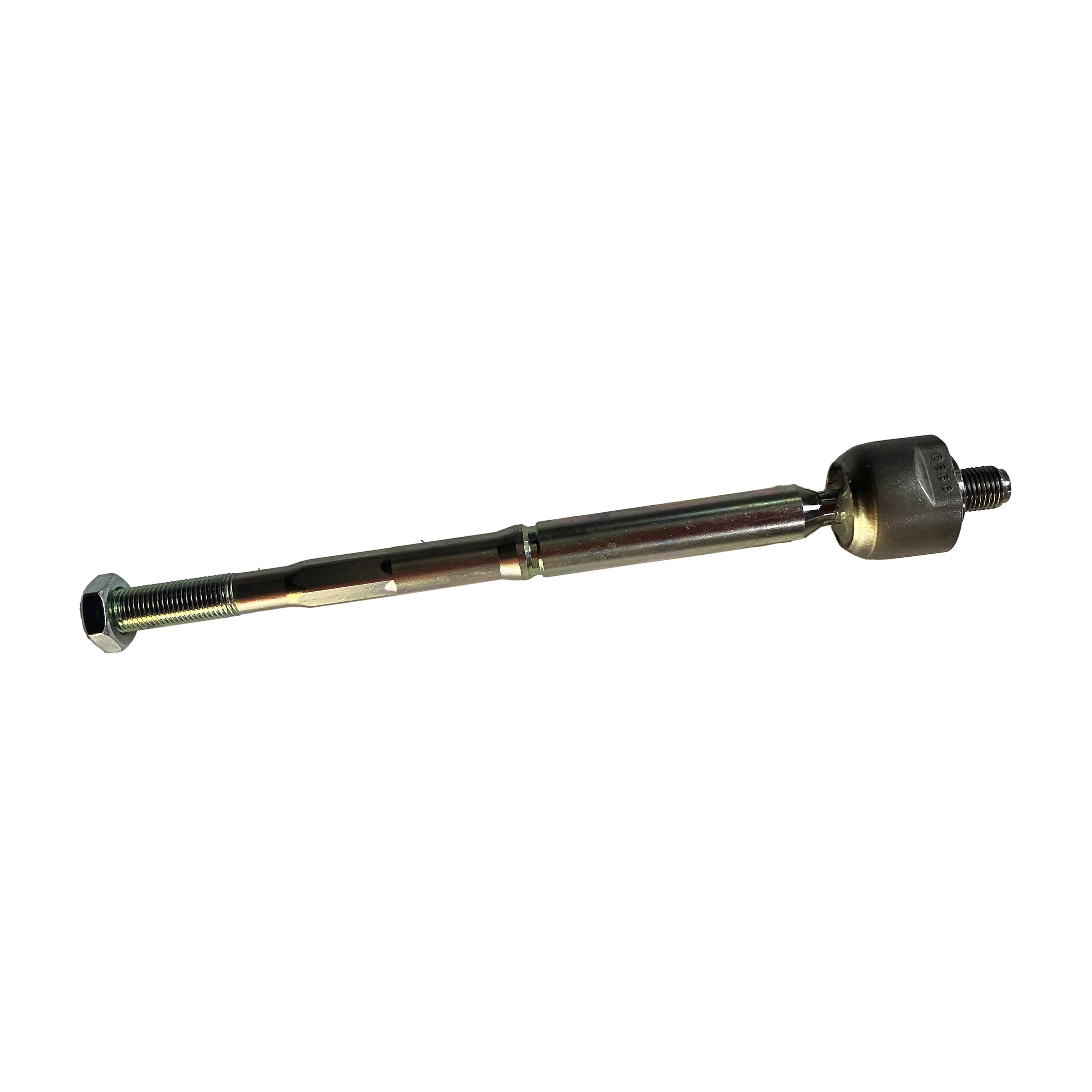
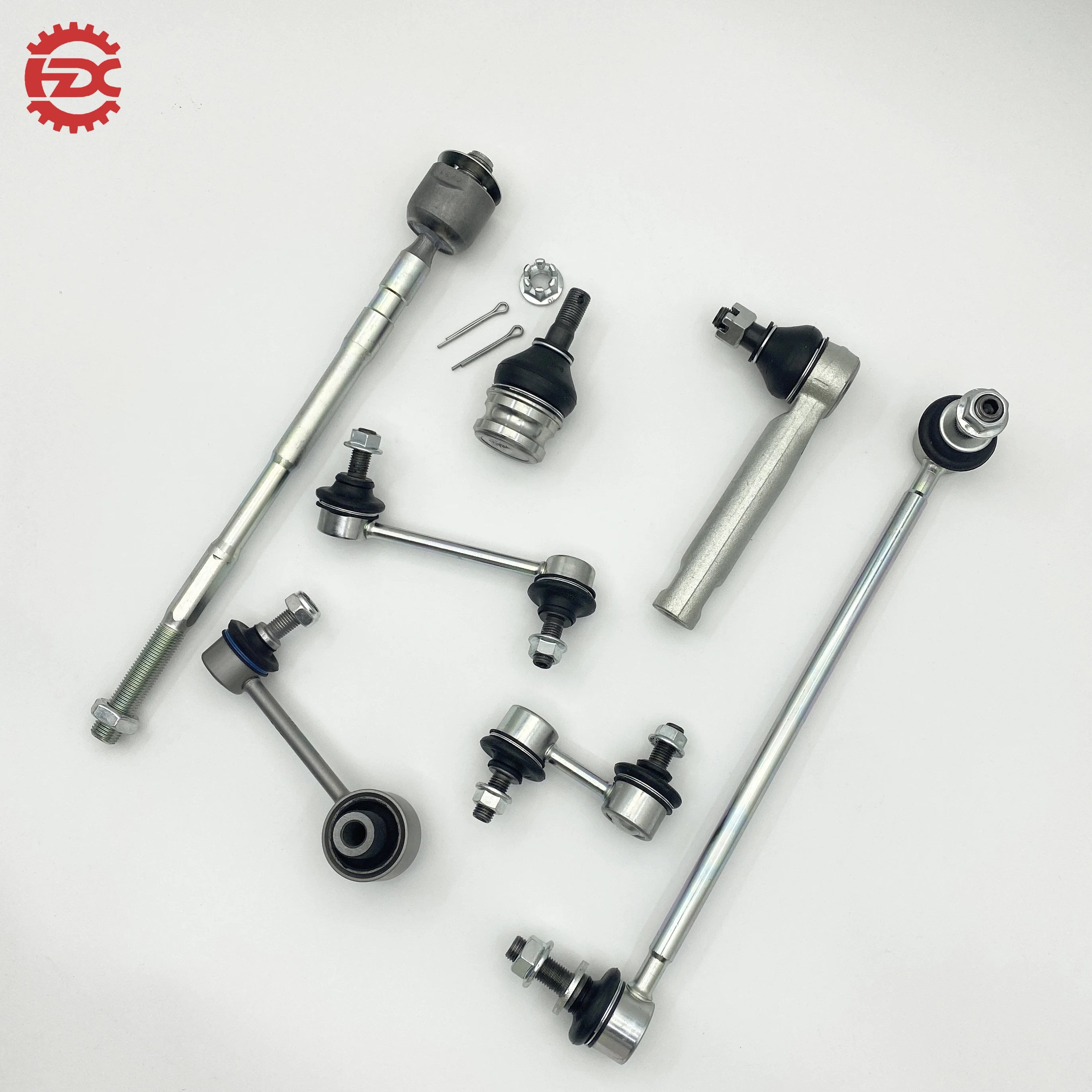
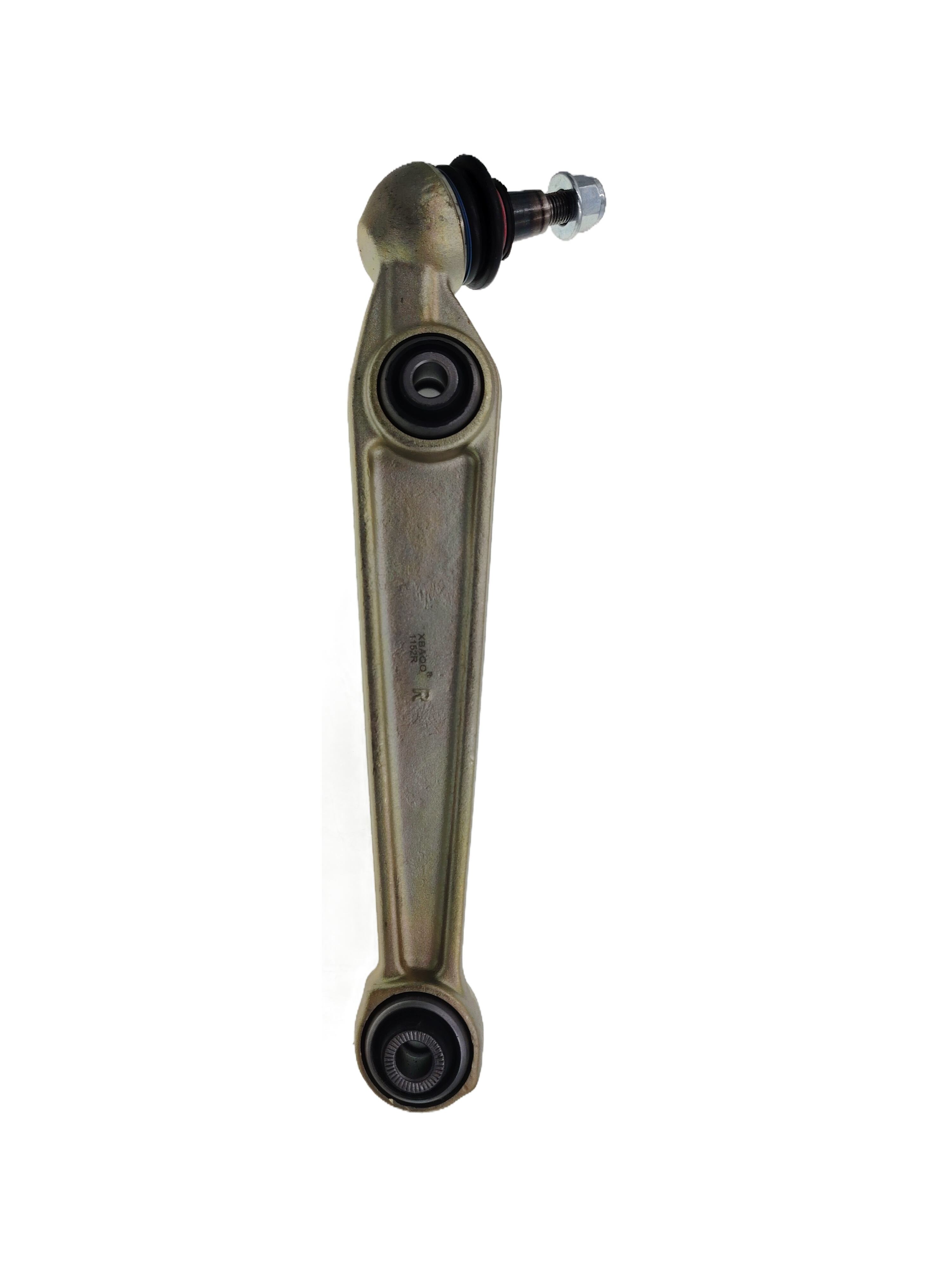
The best tie rod ends demonstrate exceptional durability through the implementation of premium materials and advanced construction techniques that significantly exceed standard automotive component specifications. These superior components utilize high-strength steel alloys specifically selected for their excellent fatigue resistance, corrosion resistance, and mechanical properties under automotive service conditions. The manufacturing process begins with carefully controlled steel chemistry that optimizes carbon content, alloy additions, and grain structure to achieve maximum strength-to-weight ratios while maintaining excellent machinability and weldability characteristics. Advanced forging techniques create dense, uniform material structures that eliminate potential weak points and stress concentrators commonly found in cast or machined components. The best tie rod ends undergo comprehensive heat treatment processes including normalization, hardening, and tempering cycles that develop optimal mechanical properties throughout the entire component structure. Surface treatments such as zinc plating, phosphate coating, or advanced corrosion-resistant finishes provide additional protection against environmental degradation while maintaining dimensional accuracy and surface quality. The threading systems in quality tie rod ends feature precision-cut threads with proper pitch, lead angle, and surface finish specifications that ensure secure mounting and accurate alignment adjustments. Thread treatments including anti-seize compounds and specialized coatings prevent galling and corrosion while facilitating proper torque application during installation procedures. Construction quality extends to the protective boot assemblies, which utilize premium rubber compounds formulated to resist cracking, hardening, and degradation from exposure to ozone, ultraviolet radiation, and automotive fluids. These boots incorporate reinforced attachment points and optimized geometry that maintains flexibility while providing reliable sealing throughout the component's service life. Quality control measures throughout the manufacturing process include material certification, dimensional inspection, and performance testing to ensure each tie rod end meets stringent automotive industry standards for safety, reliability, and longevity.
 EN
EN