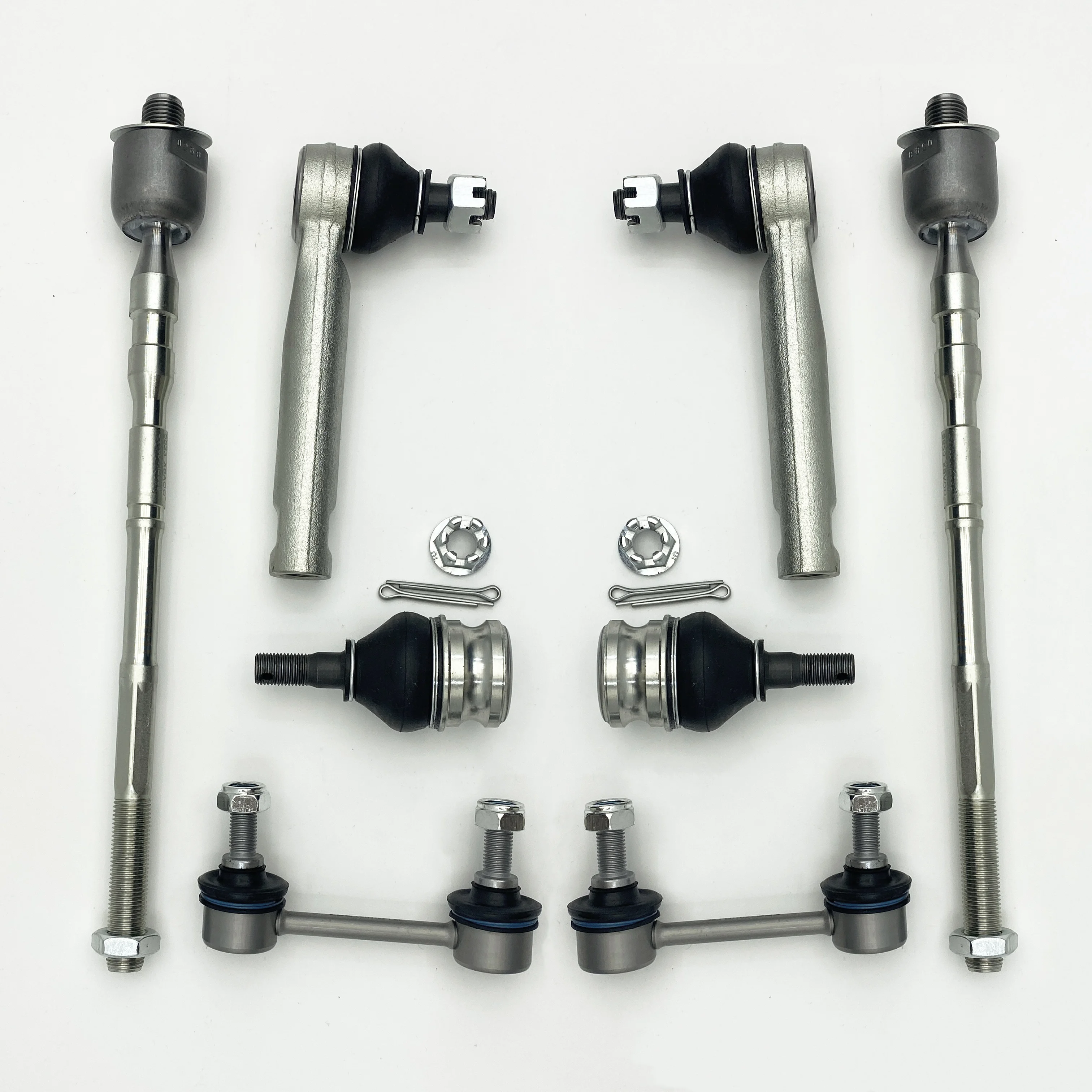
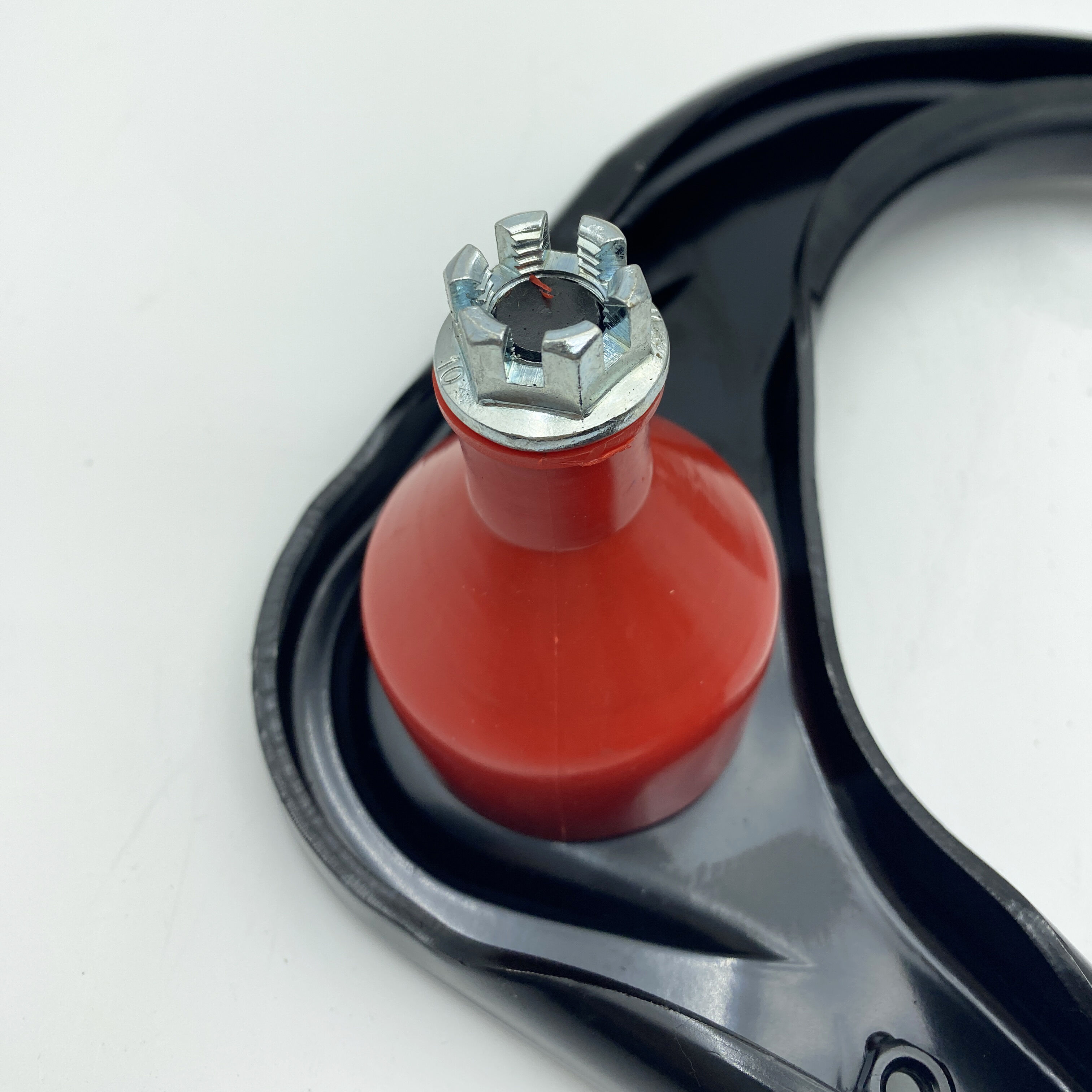
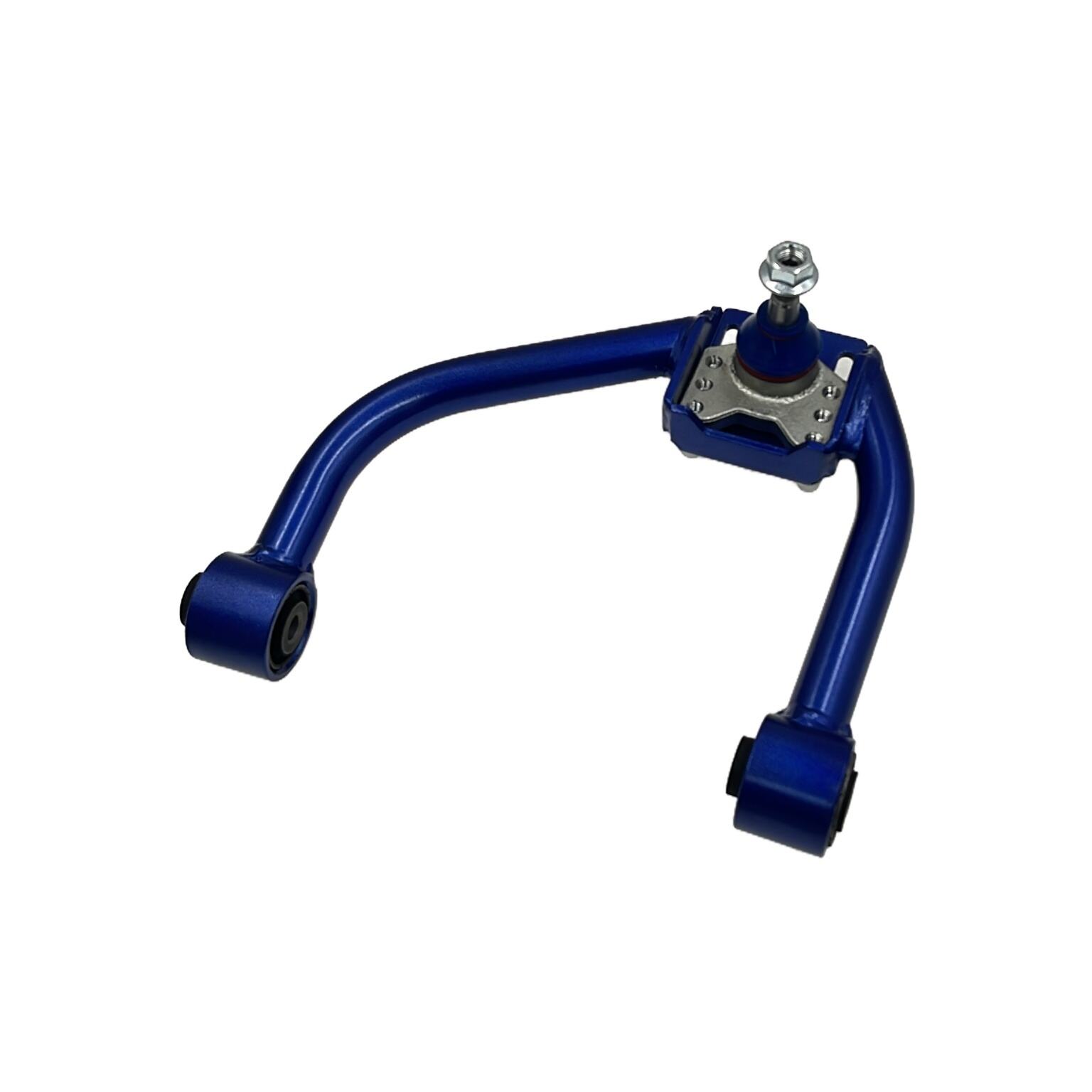
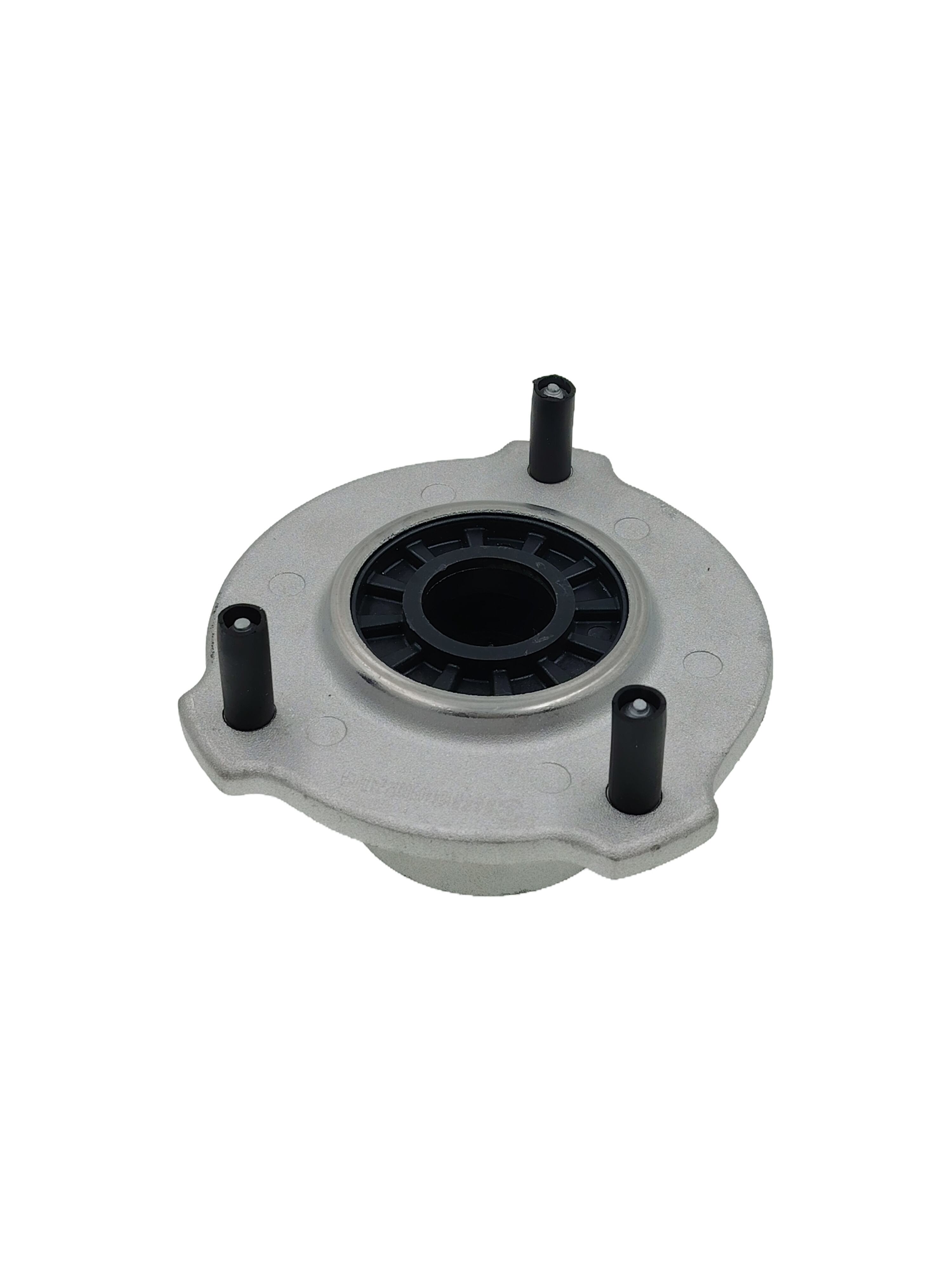
car track rod end
The car track rod end represents a fundamental component within vehicle steering systems, serving as the crucial connecting link between the steering rack and the steering knuckle. This precision-engineered automotive part enables drivers to maintain complete control over their vehicle's directional movement while ensuring optimal wheel alignment and responsive handling characteristics. The car track rod end functions as a pivotal joint that translates steering wheel input into actual wheel movement, making it an indispensable element for safe and efficient vehicle operation. Modern car track rod end designs incorporate advanced materials and engineering principles to deliver exceptional durability under demanding driving conditions. These components feature a ball-and-socket construction that allows for smooth articulation while accommodating suspension movement and road irregularities. The car track rod end housing typically consists of high-strength steel or aluminum alloy materials, providing robust protection for internal components against environmental contaminants and mechanical stress. Advanced sealing technologies protect the internal ball joint from dirt, moisture, and debris that could compromise performance or accelerate wear. The precision manufacturing process ensures tight tolerances and consistent quality, resulting in reliable performance throughout the component's service life. Contemporary car track rod end designs often incorporate specialized lubricants and bearing surfaces that minimize friction while maximizing longevity. These technological improvements contribute to smoother steering operation and reduced maintenance requirements. The car track rod end plays a vital role in maintaining proper wheel alignment, which directly impacts tire wear patterns, fuel efficiency, and overall vehicle stability. Applications span across passenger vehicles, commercial trucks, and specialty automotive platforms, with each application requiring specific engineering considerations to meet unique performance demands and operating environments.

 EN
EN