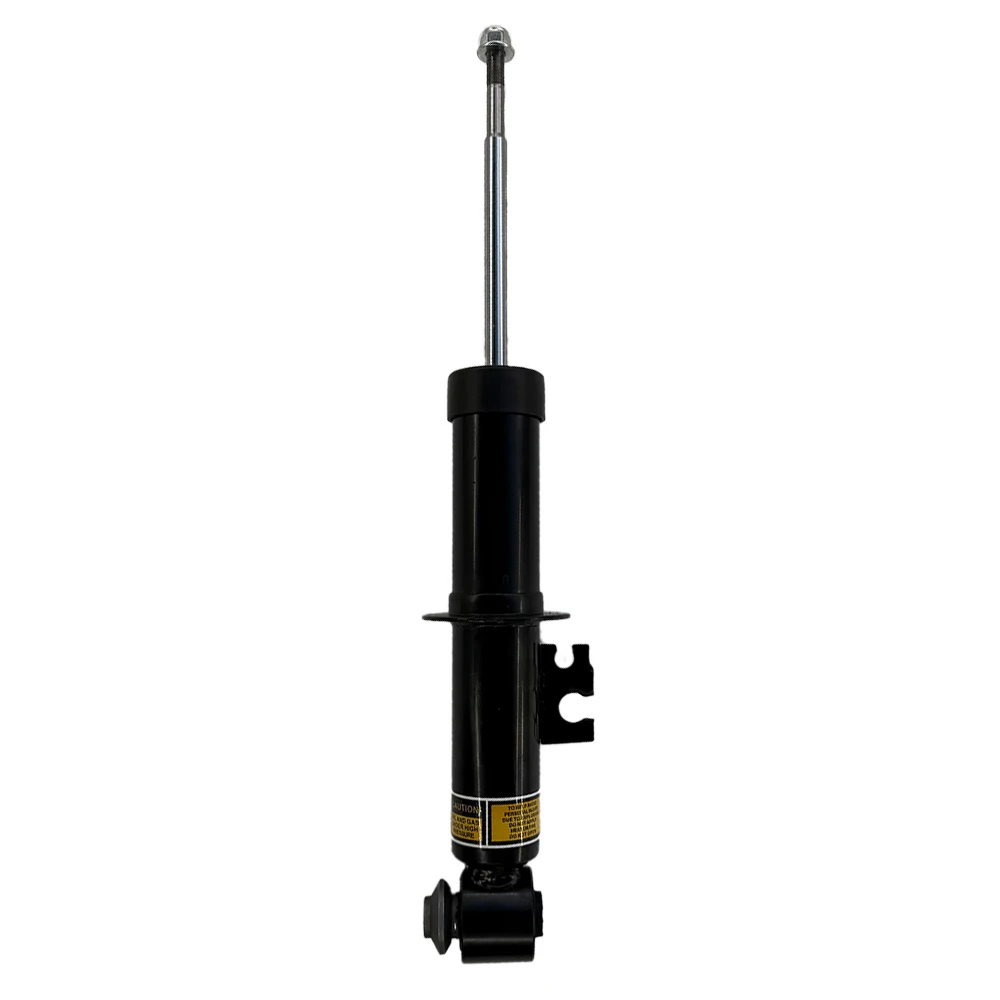
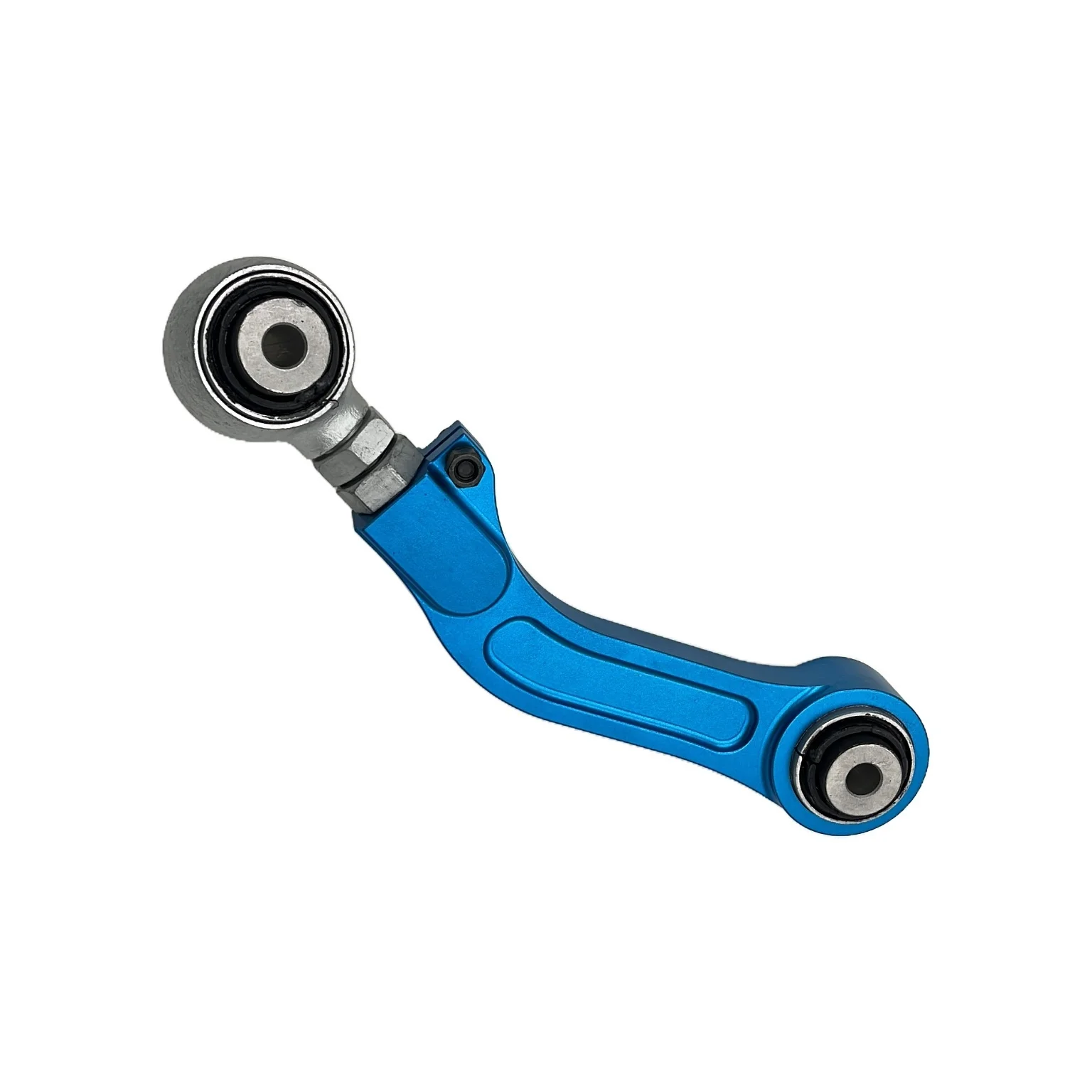
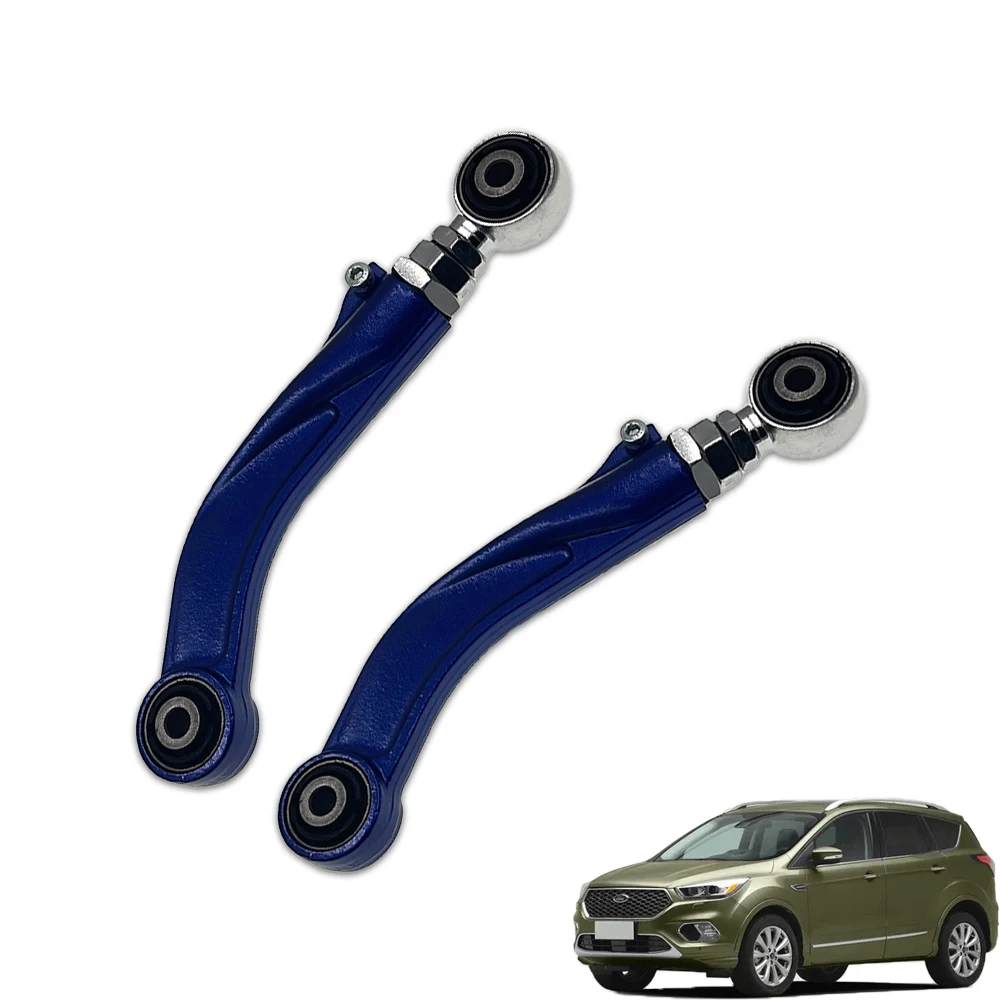
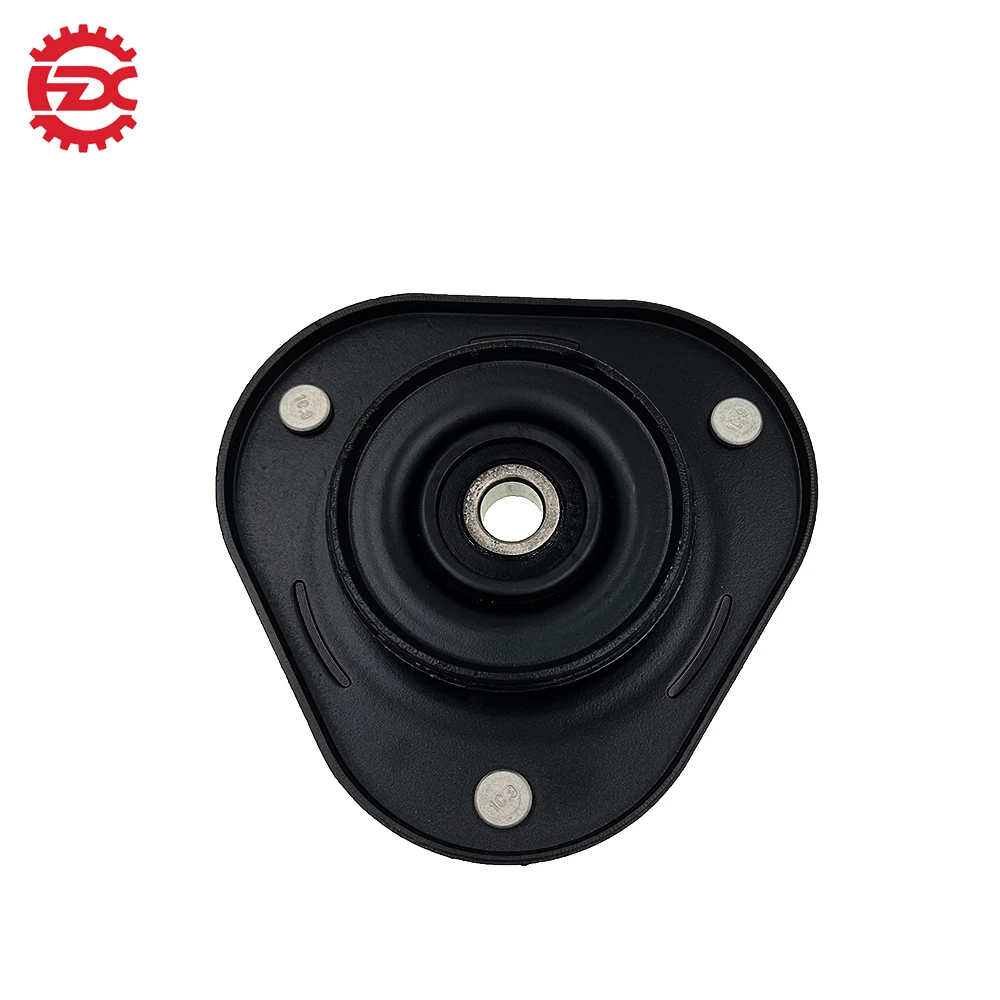
Premium Tie Rod End Rear Components - Enhanced Performance & Durability

All Categories

Get a Free Quote

Our representative will contact you soon.
Email
Name
Company Name
Message
0/1000

tie rod end rear

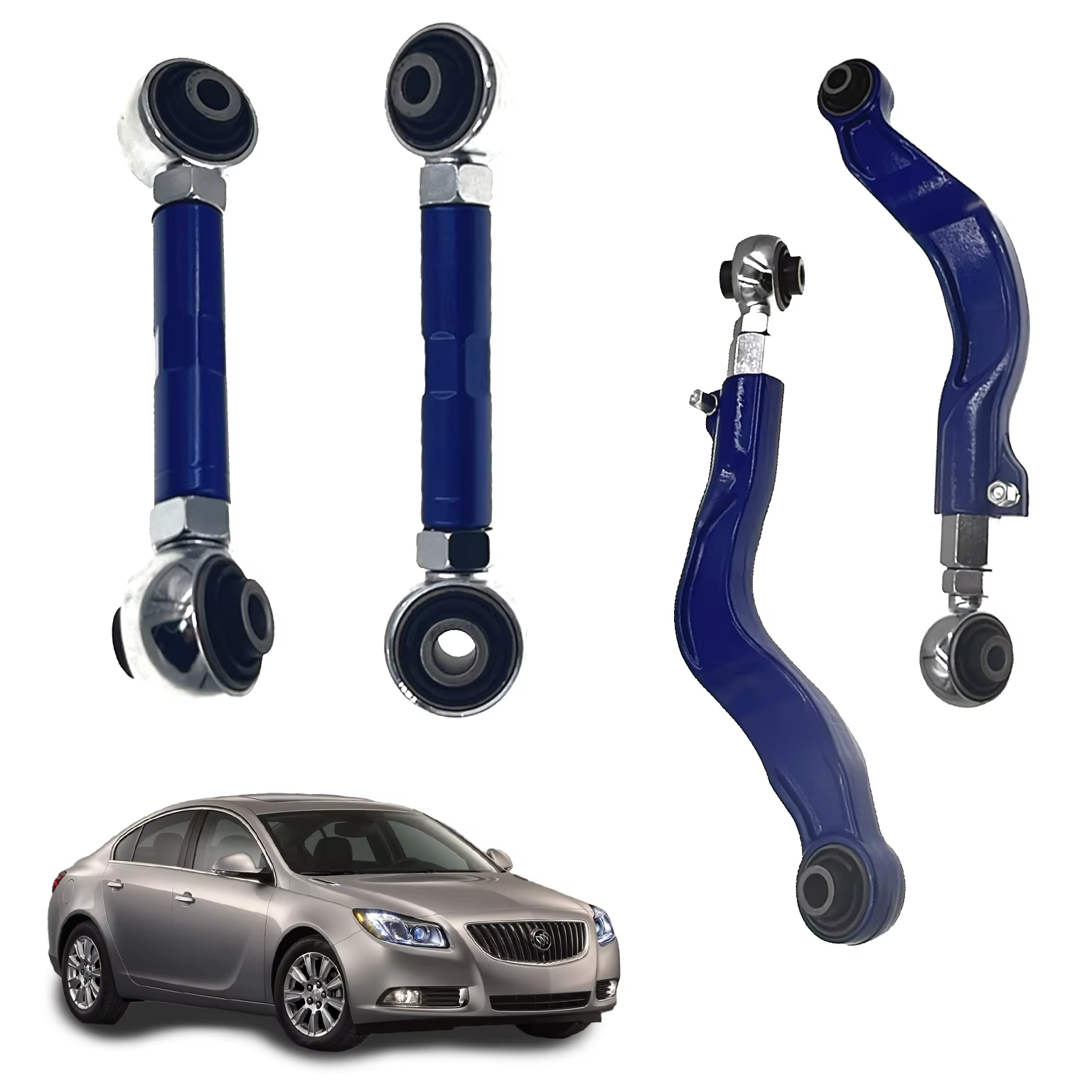
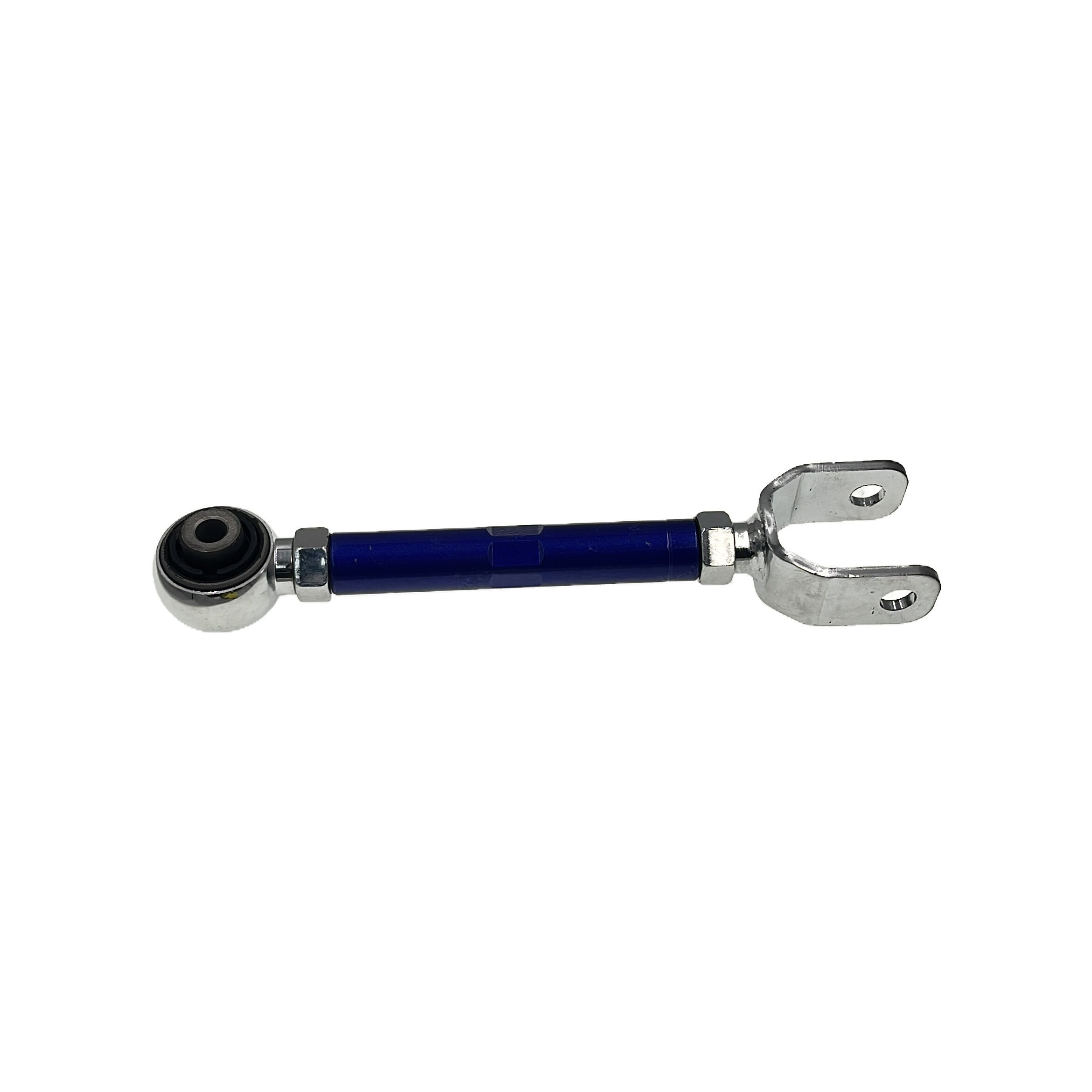
The tie rod end rear represents a critical component in modern automotive suspension systems, serving as the vital connection point between the steering mechanism and the rear wheels. This precision-engineered component plays an essential role in maintaining proper wheel alignment, ensuring optimal vehicle handling, and providing drivers with responsive steering control. The tie rod end rear consists of a ball joint assembly housed within a durable metal casing, featuring a threaded shaft that allows for precise adjustment of rear wheel alignment parameters. This sophisticated design enables the component to accommodate the complex movements required during steering operations while maintaining structural integrity under various driving conditions. The tie rod end rear incorporates advanced materials and manufacturing techniques to deliver exceptional durability and performance. High-grade steel construction provides the necessary strength to withstand the substantial forces generated during vehicle operation, while specialized sealing systems protect internal components from contamination and moisture. The ball joint mechanism utilizes precision-machined surfaces and premium lubricants to ensure smooth operation throughout the component's service life. Modern tie rod end rear designs feature enhanced corrosion resistance through advanced coating processes and material selection. These technological improvements significantly extend component lifespan while reducing maintenance requirements. The adjustable nature of the tie rod end rear allows technicians to fine-tune rear wheel alignment specifications, ensuring optimal tire wear patterns and vehicle stability. Applications for tie rod end rear components span across numerous vehicle categories, including passenger cars, light trucks, SUVs, and commercial vehicles. Each application requires specific design considerations to accommodate varying load requirements, suspension geometries, and performance expectations. The tie rod end rear must function reliably across diverse operating environments, from urban commuting scenarios to demanding off-road conditions, while maintaining consistent performance characteristics throughout its operational life.

New Product Releases

The tie rod end rear delivers numerous practical benefits that directly impact vehicle performance, safety, and cost-effectiveness for vehicle owners. Enhanced steering precision stands as the primary advantage, allowing drivers to experience improved control and responsiveness during all driving situations. This component ensures that steering inputs translate accurately to rear wheel positioning, resulting in predictable vehicle behavior and increased driver confidence. The robust construction of the tie rod end rear provides exceptional durability, withstanding the continuous stresses imposed by daily driving conditions while maintaining optimal performance levels over extended periods. Vehicle owners benefit from reduced maintenance costs through the tie rod end rear's long service life and reliable operation. The component's design minimizes wear on related suspension components by maintaining proper alignment and reducing unnecessary stress on the entire system. This protective effect extends the lifespan of tires, preventing premature wear patterns that result from misalignment issues. Proper functioning of the tie rod end rear contributes to improved fuel efficiency by ensuring optimal tire contact with the road surface and reducing rolling resistance. The adjustability feature of the tie rod end rear provides significant value for vehicle maintenance and repair procedures. Technicians can make precise alignment corrections without replacing entire assemblies, reducing service costs and minimizing vehicle downtime. This adjustability also accommodates normal wear patterns and settling that occurs over time, allowing for periodic fine-tuning to maintain optimal performance. Safety benefits represent another crucial advantage of quality tie rod end rear components. Properly functioning units ensure predictable vehicle handling characteristics, reducing the risk of unexpected steering behavior during emergency maneuvers or adverse driving conditions. The reliable connection between steering input and wheel response provides drivers with the control necessary to navigate challenging situations safely. The tie rod end rear's contribution to overall suspension system integrity cannot be understated. By maintaining proper geometric relationships between suspension components, this part ensures that the entire system operates as designed, preserving ride quality and handling characteristics. Vehicle owners experience consistent performance that meets or exceeds manufacturer specifications when the tie rod end rear functions correctly.

Practical Tips

The Ultimate Guide to Choosing the Right Adjustable Control Arms for Your Car

30

Jul

The Ultimate Guide to Choosing the Right Adjustable Control Arms for Your Car

Why Suspension Precision Matters More Than Ever Performance upgrades have become increasingly popular among automotive enthusiasts and daily drivers alike. One of the most overlooked yet critical components in ensuring better handling, wheel alignm...
View More
Everything You Need to Know About Amortiguadores (Shock Absorbers) in 2025

30

Jul

Everything You Need to Know About Amortiguadores (Shock Absorbers) in 2025

The Essential Role of Amortiguadores in Vehicle Performance Understanding the Core Function of Amortiguadores Amortiguadores, commonly known as shock absorbers, are a critical component in any vehicle's suspension system. Their primary function is t...
View More
Camber Arms vs. Standard Solutions: Key Differences

27

Nov

Camber Arms vs. Standard Solutions: Key Differences

Vehicle suspension systems play a crucial role in determining driving performance, handling characteristics, and overall vehicle dynamics. Among the various suspension components that enthusiasts and professional mechanics consider for upgrades, camb...
View More
Best Practices for Using Adjustable Camber Arms

27

Nov

Best Practices for Using Adjustable Camber Arms

Adjustable camber arms represent a crucial upgrade for automotive enthusiasts and professionals seeking precise wheel alignment control. These sophisticated suspension components allow drivers to fine-tune their vehicle's camber angle, delivering imp...
View More

Get a Free Quote

Our representative will contact you soon.
Email
Name
Company Name
Message
0/1000

tie rod end rear

Advanced Ball Joint Technology for Superior Performance

Advanced Ball Joint Technology for Superior Performance

The tie rod end rear incorporates state-of-the-art ball joint technology that revolutionizes traditional automotive steering components through innovative engineering and precision manufacturing. This advanced ball joint system features a multi-directional articulation design that allows for smooth movement across all axes while maintaining precise control over wheel positioning. The spherical bearing surface utilizes premium materials with enhanced wear resistance properties, ensuring consistent performance throughout the component's extended service life. Manufacturing processes employ computer-controlled machining techniques to achieve microscopic tolerances that eliminate play and binding within the joint assembly. The ball joint housing incorporates specialized sealing technology that creates multiple barriers against contamination while allowing for necessary lubrication circulation. These advanced seals utilize high-performance elastomers that remain flexible across extreme temperature ranges, from sub-zero winter conditions to intense summer heat. The internal lubrication system features premium synthetic greases specifically formulated for automotive applications, providing superior protection against wear while maintaining consistent viscosity under varying operating conditions. Surface treatments applied to the ball joint components include advanced hardening processes that create exceptionally durable contact surfaces capable of withstanding millions of operational cycles. The tie rod end rear's ball joint design accommodates the complex motion requirements of modern suspension systems while providing the strength necessary to handle substantial steering forces. Quality control procedures ensure that each ball joint meets stringent performance specifications through comprehensive testing protocols that simulate real-world operating conditions. This technological advancement translates directly into improved vehicle handling, reduced maintenance requirements, and enhanced safety for drivers who demand reliable performance from their automotive components.
Precision Adjustment Capabilities for Optimal Alignment

Precision Adjustment Capabilities for Optimal Alignment

The tie rod end rear features sophisticated adjustment mechanisms that enable precise fine-tuning of rear wheel alignment parameters, delivering exceptional value for both professional technicians and vehicle owners seeking optimal performance. This adjustment system incorporates threaded components manufactured to exacting specifications, allowing for incremental changes measured in fractions of degrees to achieve perfect alignment settings. The threaded design utilizes high-strength materials with specialized coatings that resist corrosion and thread galling, ensuring smooth adjustment operations throughout the component's service life. Precision-cut threads maintain their integrity under the substantial forces encountered during adjustment procedures, preventing damage that could compromise alignment accuracy. The tie rod end rear's adjustment range accommodates various alignment correction scenarios, from minor tweaks required for new tire installation to significant corrections needed after collision damage or component replacement. Professional alignment equipment interfaces seamlessly with the tie rod end rear's adjustment features, enabling technicians to achieve manufacturer-specified alignment parameters with exceptional accuracy. The component's design incorporates positive locking mechanisms that secure adjustment settings against unwanted movement caused by road vibrations or thermal expansion cycles. These locking features utilize advanced metallurgy and surface treatments to provide reliable retention force without compromising future adjustability. Installation procedures for tie rod end rear adjustment require minimal specialized tooling, reducing service complexity and associated costs for vehicle owners. The adjustment process accommodates normal component wear and vehicle settling that occurs over time, allowing for periodic corrections that maintain optimal performance without requiring complete component replacement. Quality assurance testing verifies that adjustment mechanisms maintain their accuracy and reliability throughout numerous adjustment cycles, ensuring consistent performance for professional service facilities and DIY enthusiasts alike.
Enhanced Durability Through Superior Materials and Construction

Enhanced Durability Through Superior Materials and Construction

The tie rod end rear exemplifies advanced automotive engineering through its utilization of premium materials and sophisticated construction techniques that deliver unmatched durability in demanding automotive applications. High-grade steel alloys selected for critical load-bearing components undergo specialized heat treatment processes that optimize strength-to-weight ratios while maintaining excellent fatigue resistance properties. These metallurgical enhancements enable the tie rod end rear to withstand the repetitive stress cycles encountered during normal vehicle operation while resisting failure modes that compromise safety and performance. Surface engineering technologies applied to the tie rod end rear include advanced coating systems that provide superior corrosion protection in harsh environmental conditions. Multi-layer coating processes create barrier protection against salt exposure, moisture penetration, and chemical contamination commonly encountered in automotive service environments. The coating selection process considers thermal expansion characteristics to ensure adhesion integrity across the wide temperature ranges experienced during vehicle operation. Manufacturing quality control procedures implement comprehensive inspection protocols that verify material properties, dimensional accuracy, and surface finish specifications for every tie rod end rear component. Statistical process control methods monitor production parameters to maintain consistent quality levels that exceed industry standards for automotive steering components. The tie rod end rear's construction methodology incorporates design features that distribute operational stresses across multiple load paths, preventing stress concentrations that could lead to premature failure. Fatigue testing protocols simulate years of typical driving conditions to validate the component's durability claims and ensure reliable performance throughout its intended service life. Environmental testing exposes tie rod end rear samples to extreme temperature cycles, humidity variations, and corrosive substances to verify performance stability under adverse conditions. These comprehensive validation procedures guarantee that vehicle owners receive components capable of delivering consistent performance while maintaining safety margins that exceed regulatory requirements for automotive steering components.

Get a Free Quote

Our representative will contact you soon.
Email
Name
Company Name
Message
0/1000