installing tie rod ends
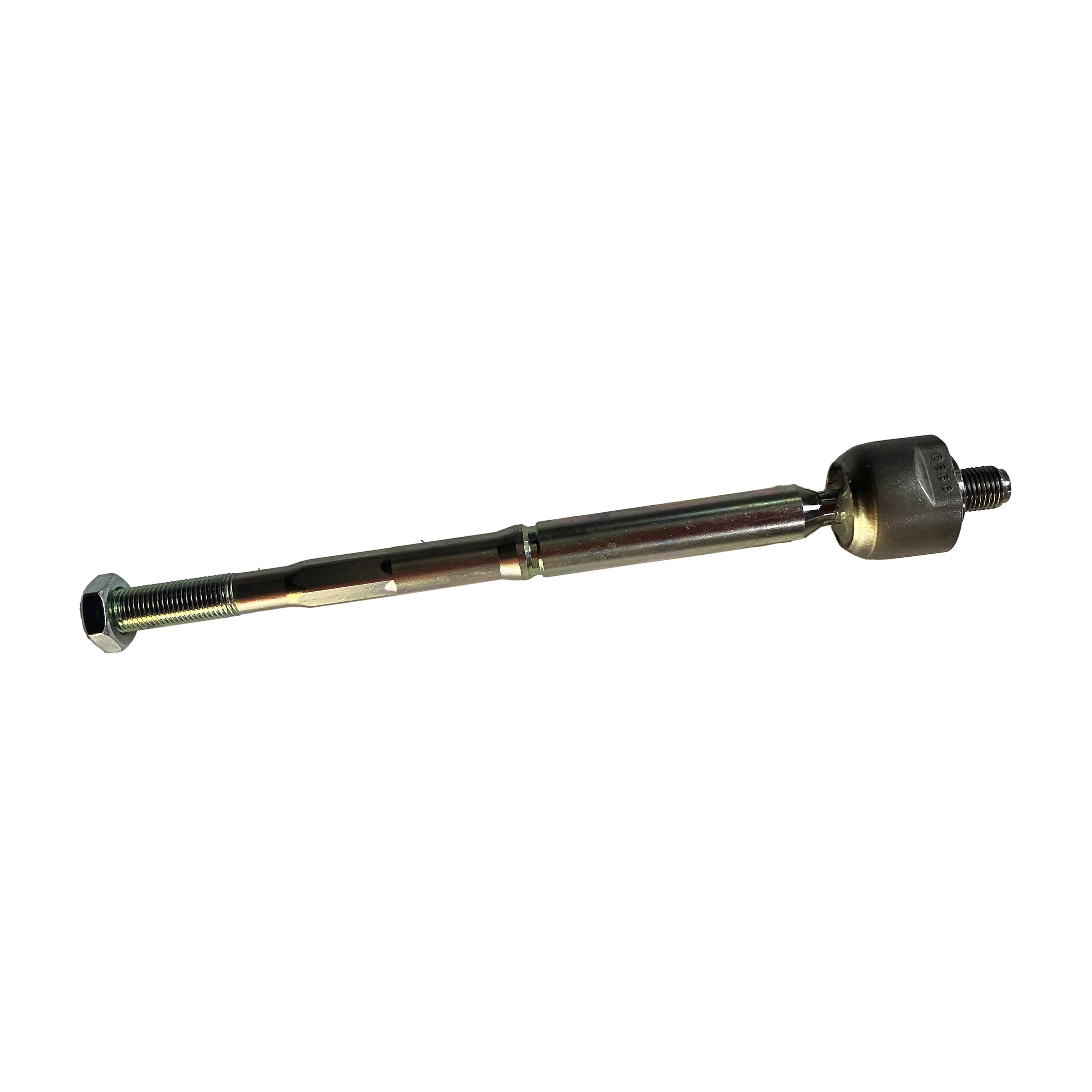
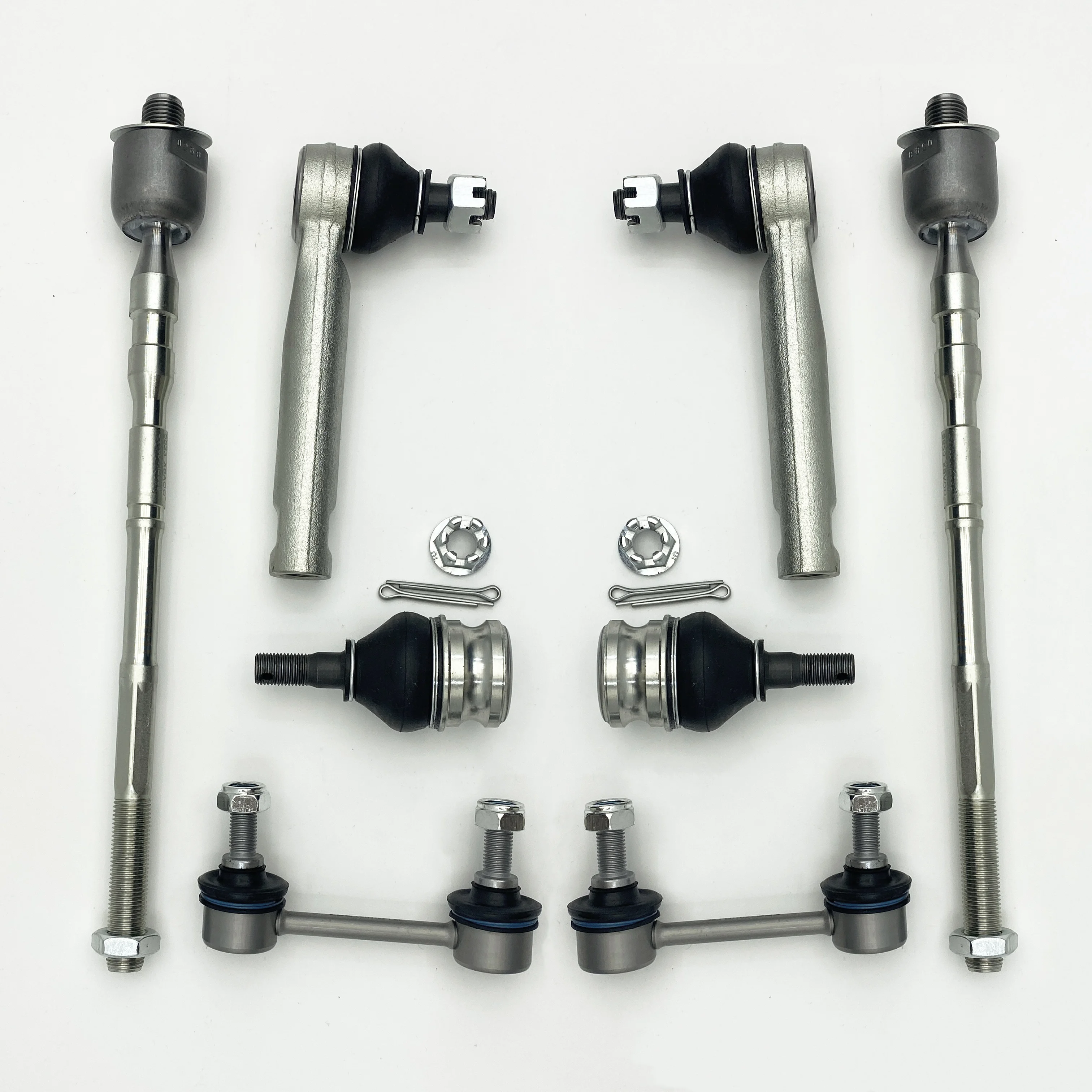
Installing tie rod ends represents a critical automotive maintenance procedure that directly impacts vehicle safety, steering precision, and overall driving performance. These essential steering components serve as the connection points between the steering rack and the wheel assemblies, enabling precise directional control and maintaining proper wheel alignment. The process of installing tie rod ends requires technical expertise and specialized tools to ensure optimal functionality and safety standards. Tie rod ends consist of a threaded shaft with a ball joint mechanism that allows for smooth articulation during steering movements while maintaining structural integrity under various driving conditions. The installation procedure involves removing worn components, properly positioning new tie rod ends, and executing precise torque specifications to manufacturer standards. Modern tie rod end designs incorporate advanced materials and engineering principles that enhance durability and performance characteristics. The threaded connection system allows for adjustment capabilities that enable professional technicians to achieve accurate wheel alignment parameters. During the installing tie rod ends process, proper lubrication and protective measures ensure long-term reliability and optimal performance. Quality tie rod ends feature reinforced construction with corrosion-resistant coatings that withstand harsh environmental conditions and road contaminants. The ball joint mechanism utilizes precision-engineered components that provide smooth operation while maintaining tight tolerances for responsive steering feel. Installing tie rod ends correctly requires adherence to specific torque values and alignment procedures that preserve suspension geometry and tire wear patterns. Professional installation ensures that safety standards are met and vehicle performance is optimized for various driving conditions and load requirements.

 EN
EN