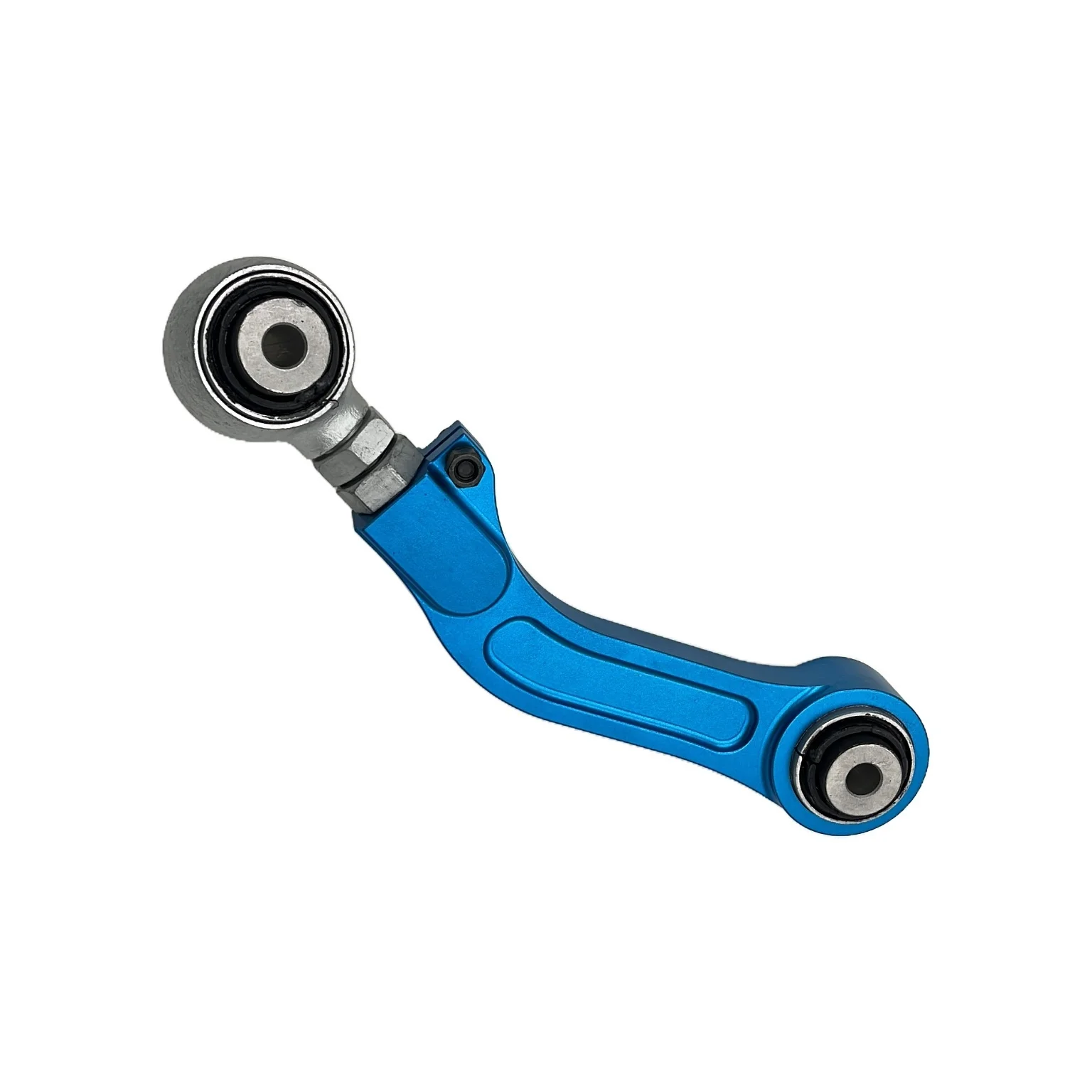
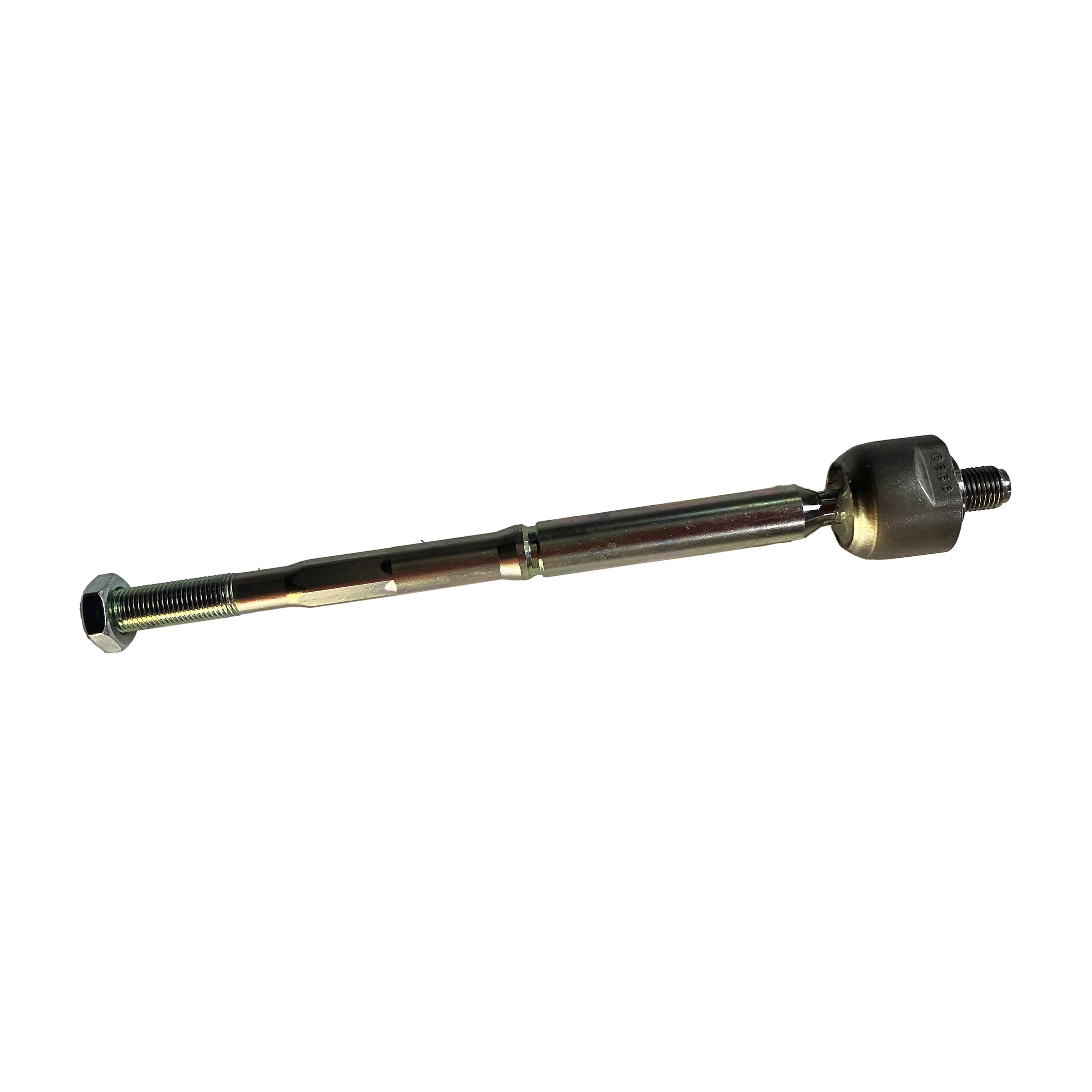
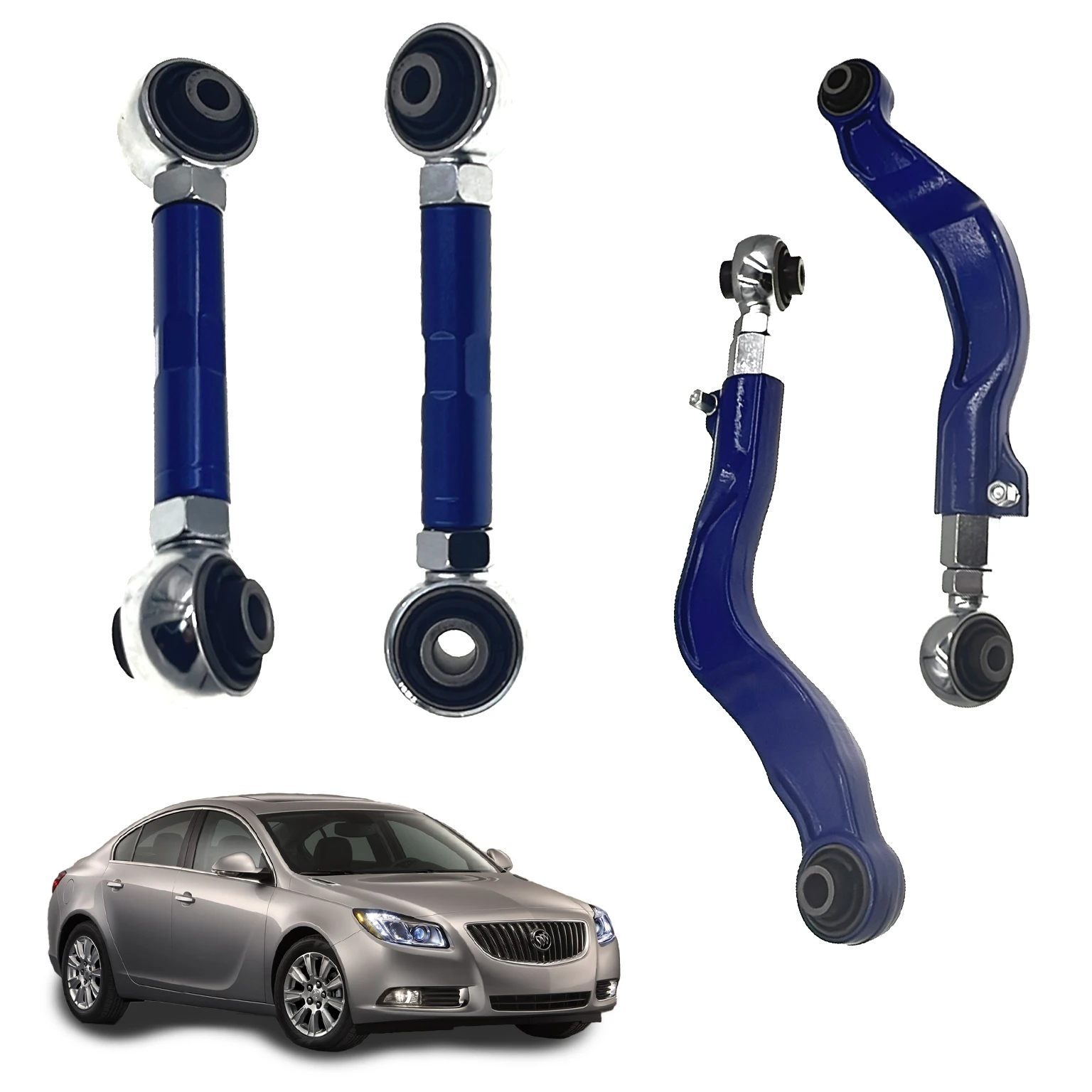
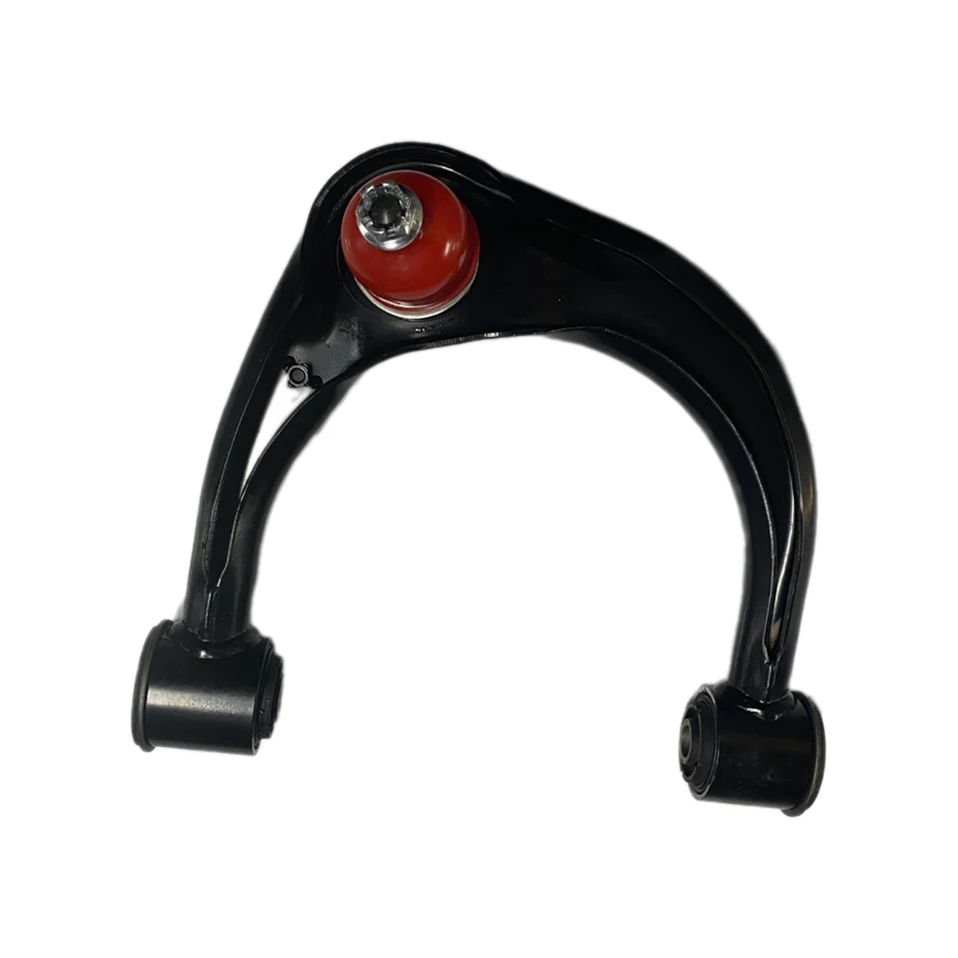
front shock absorbers
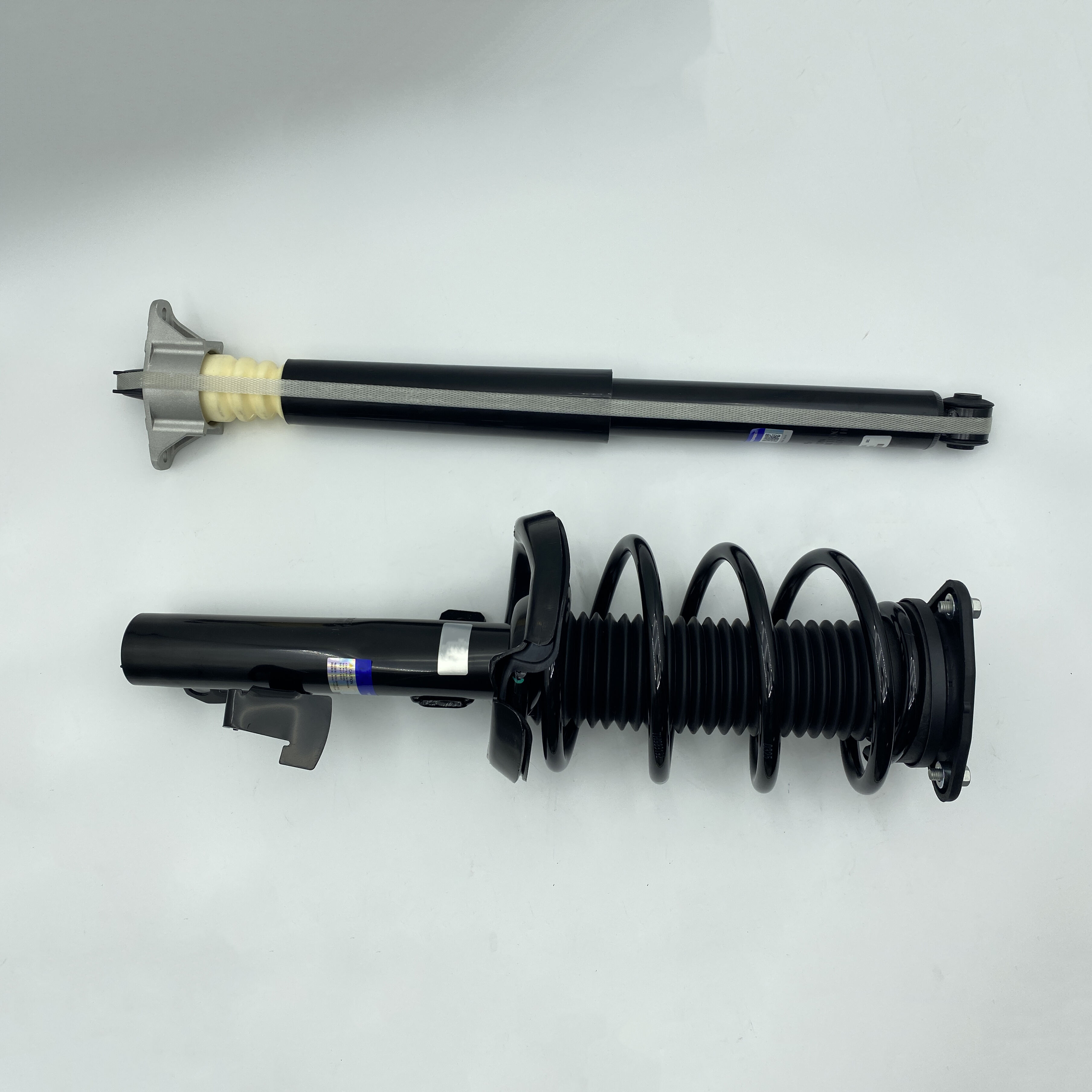
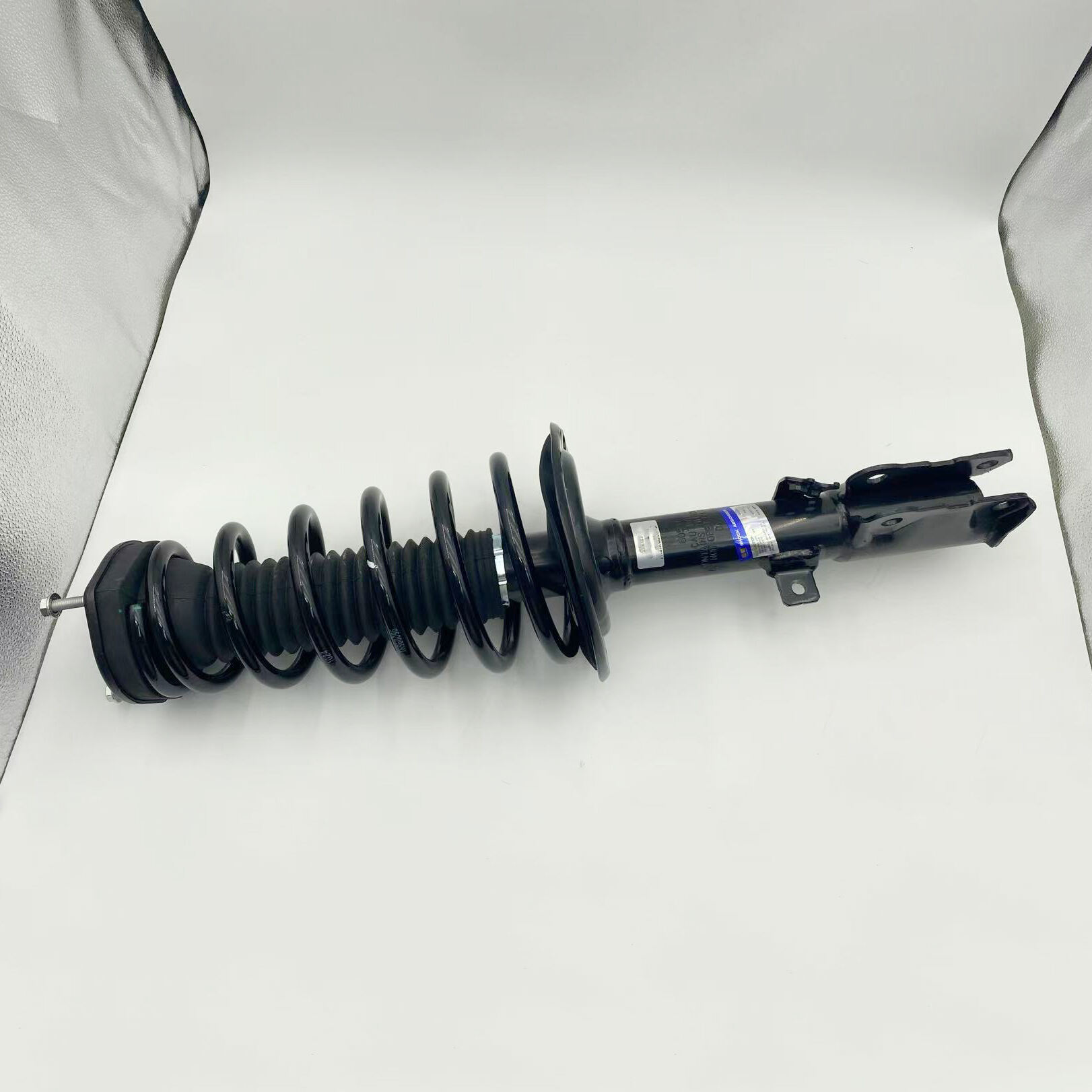
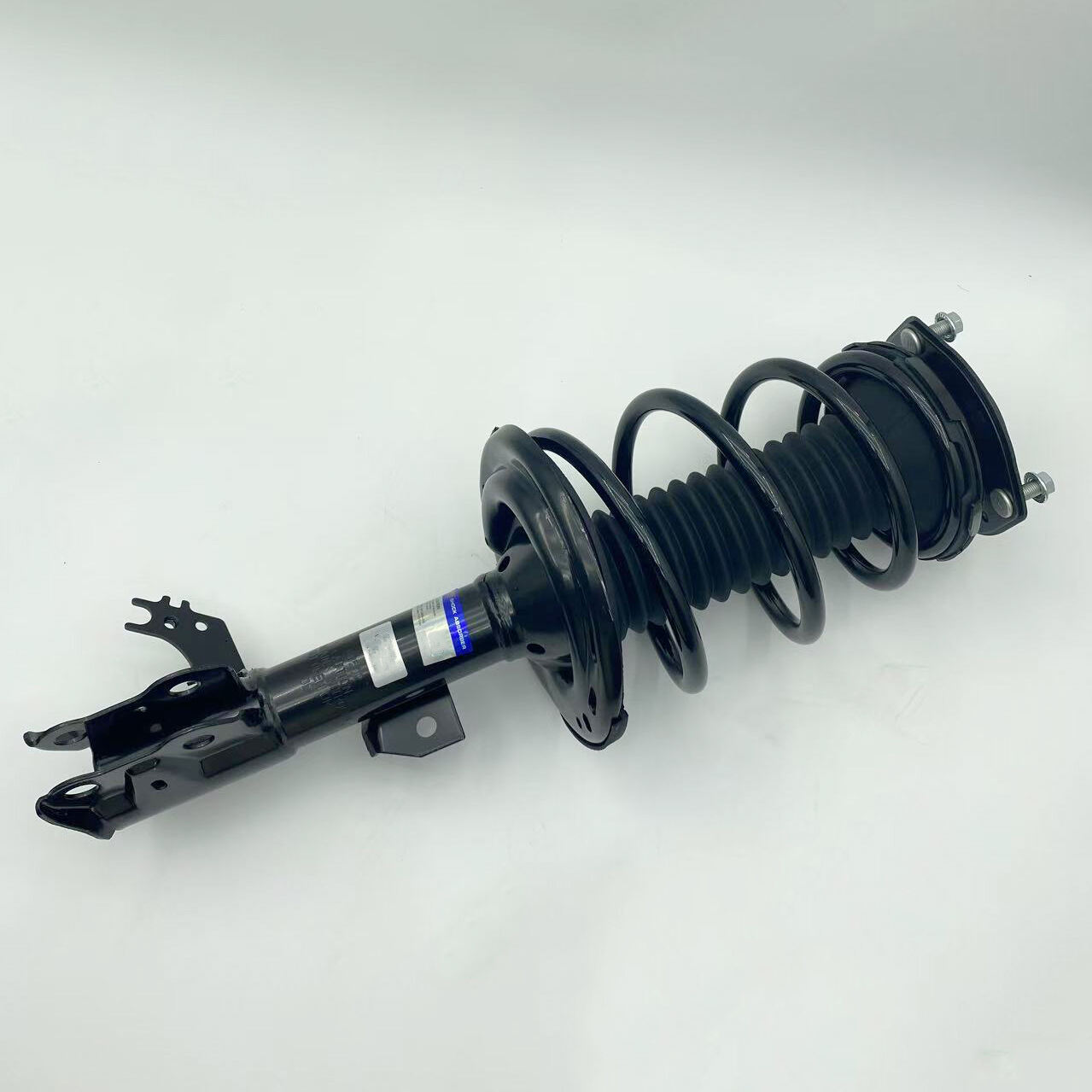
Front shock absorbers represent a critical component in modern vehicle suspension systems, designed to control wheel movement and provide optimal ride comfort while maintaining vehicle stability. These sophisticated hydraulic or gas-pressurized devices work in conjunction with springs to dampen oscillations and vibrations transmitted from the road surface to the vehicle cabin. The primary function of front shock absorbers involves converting kinetic energy from wheel movement into thermal energy through internal fluid dynamics, effectively controlling bounce and rebound motions that would otherwise create an uncomfortable and potentially dangerous driving experience. Modern front shock absorbers incorporate advanced valving systems that automatically adjust damping characteristics based on driving conditions, road surface variations, and vehicle load distribution. The technological architecture typically features precision-engineered pistons moving through specialized hydraulic fluid or gas chambers, creating controlled resistance that manages suspension movement. Contemporary designs often integrate electronic sensors and adaptive control mechanisms that respond to real-time driving parameters, optimizing performance across diverse operating conditions. Applications for front shock absorbers span across passenger vehicles, commercial trucks, motorcycles, and specialized industrial equipment, with each application requiring specific engineering considerations for load capacity, durability, and performance characteristics. The automotive industry has witnessed significant technological advancement in front shock absorber design, incorporating materials science innovations such as advanced sealing technologies, corrosion-resistant coatings, and lightweight construction methods. These components must withstand extreme temperature variations, constant mechanical stress, and environmental exposure while maintaining consistent performance throughout their operational lifespan. Quality front shock absorbers contribute significantly to vehicle safety by ensuring proper tire contact with road surfaces, reducing stopping distances, and maintaining directional stability during emergency maneuvers.

 EN
EN