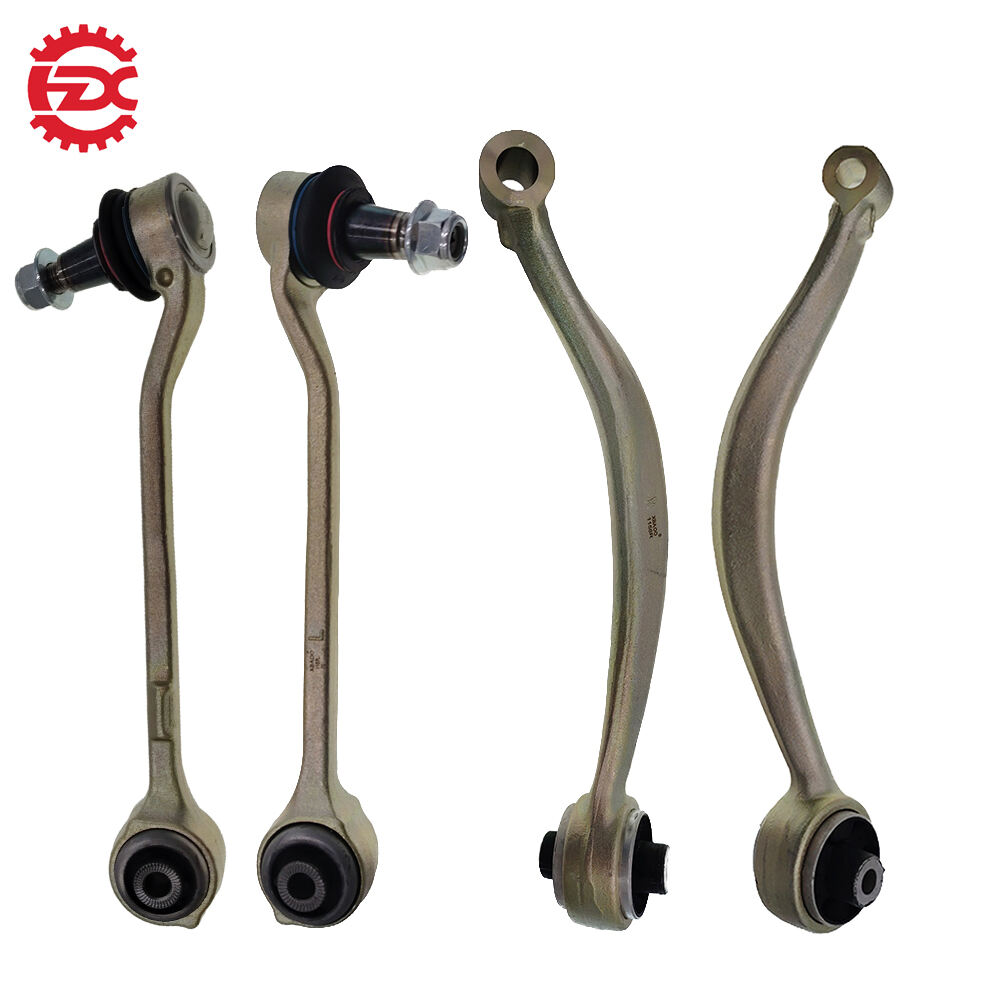
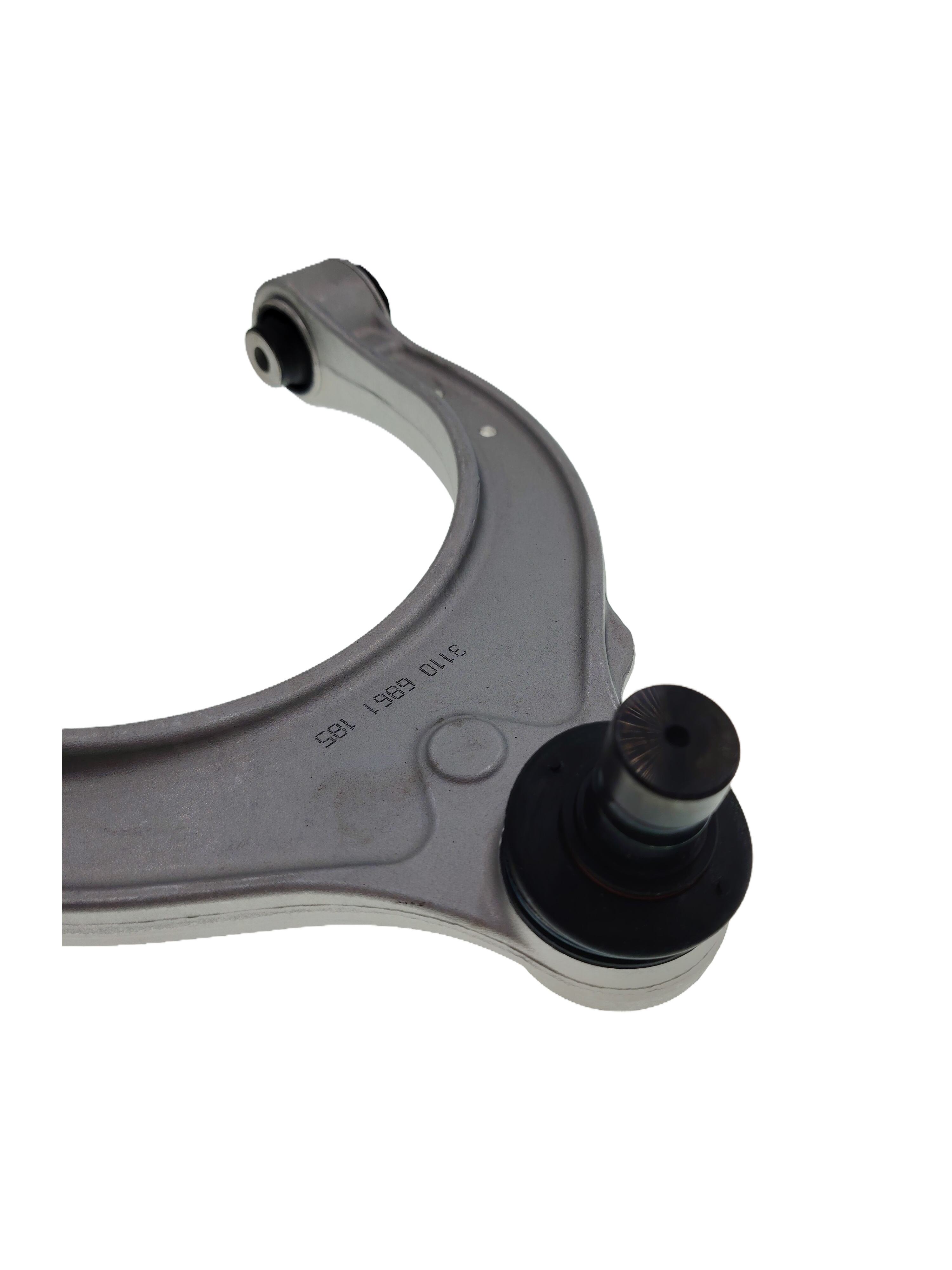
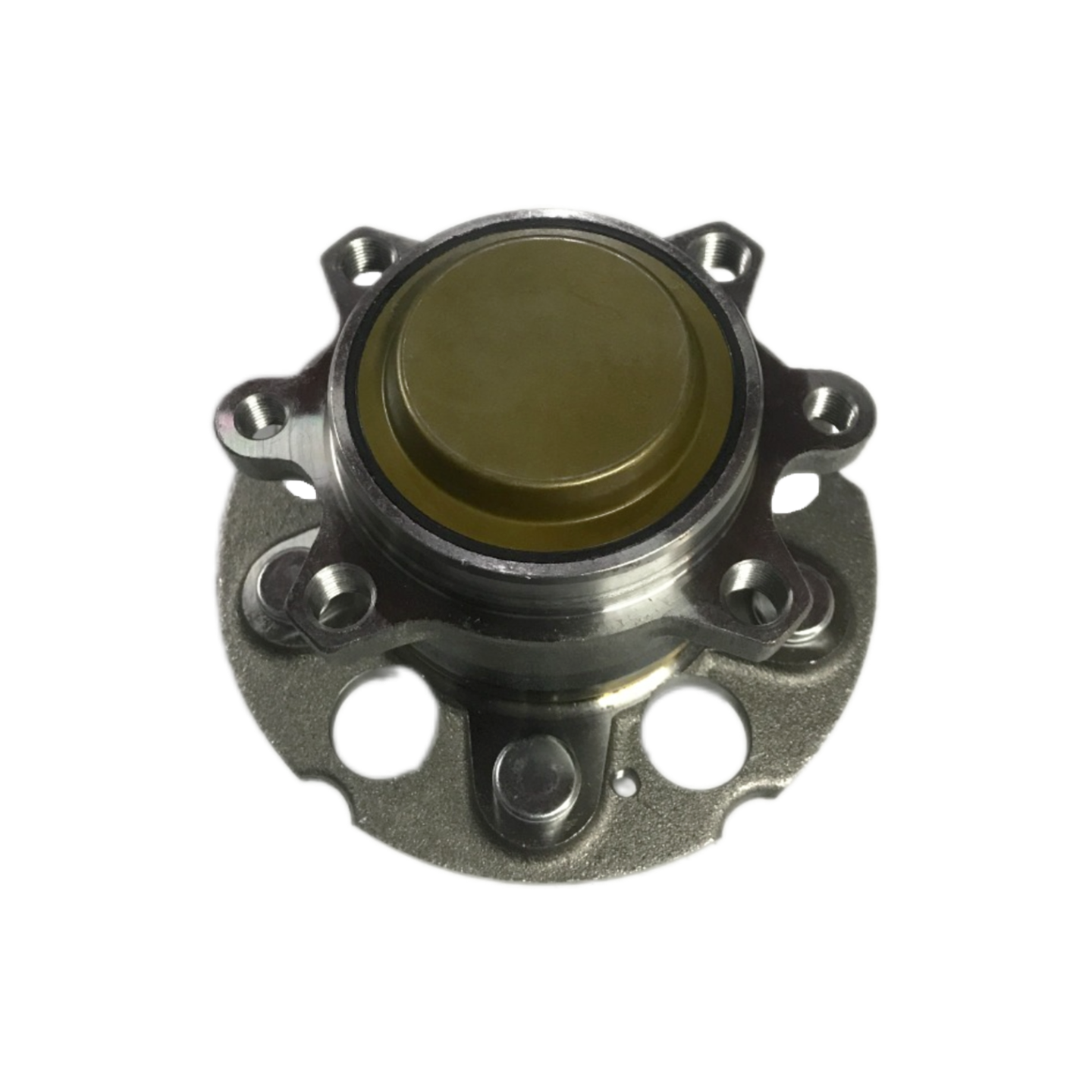
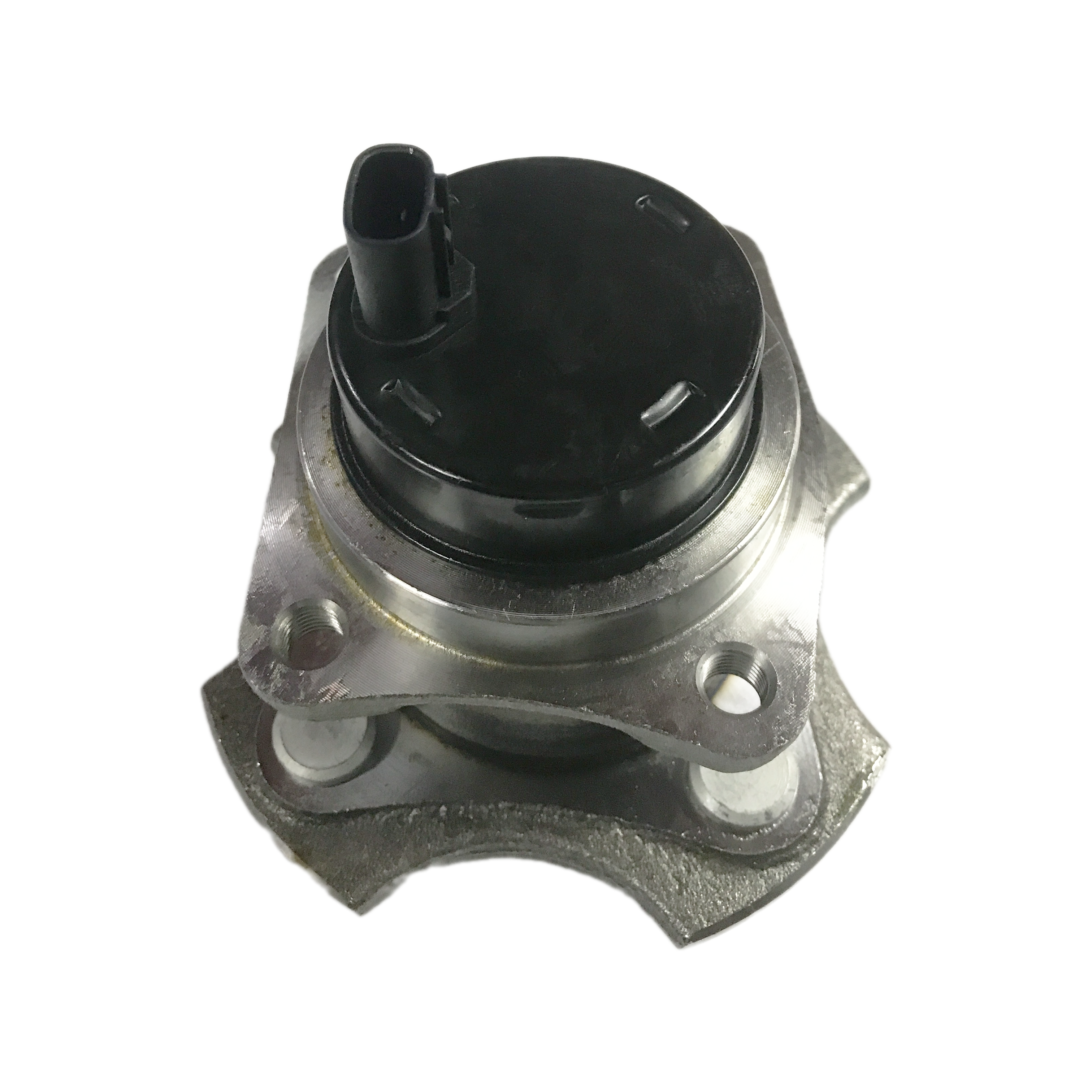
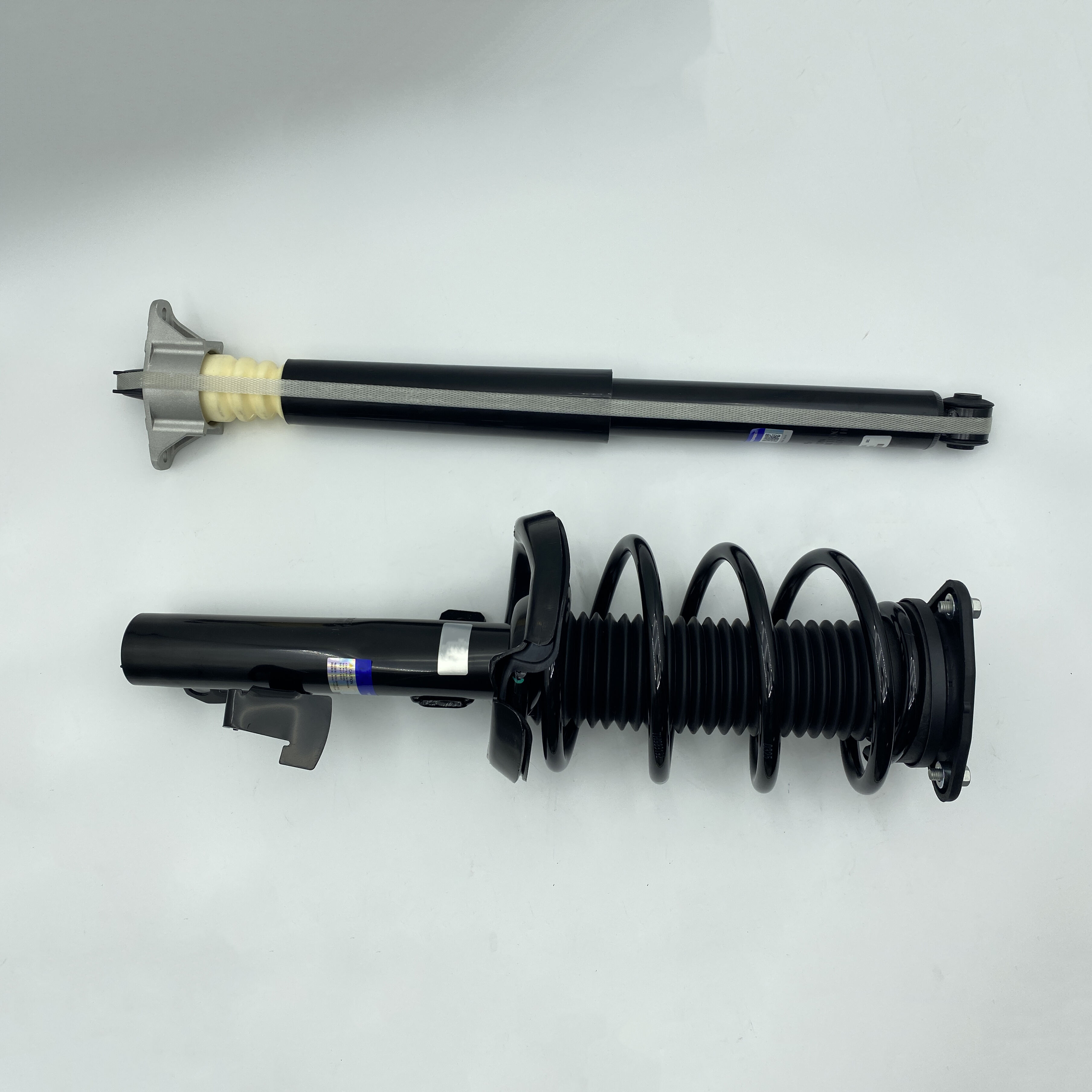
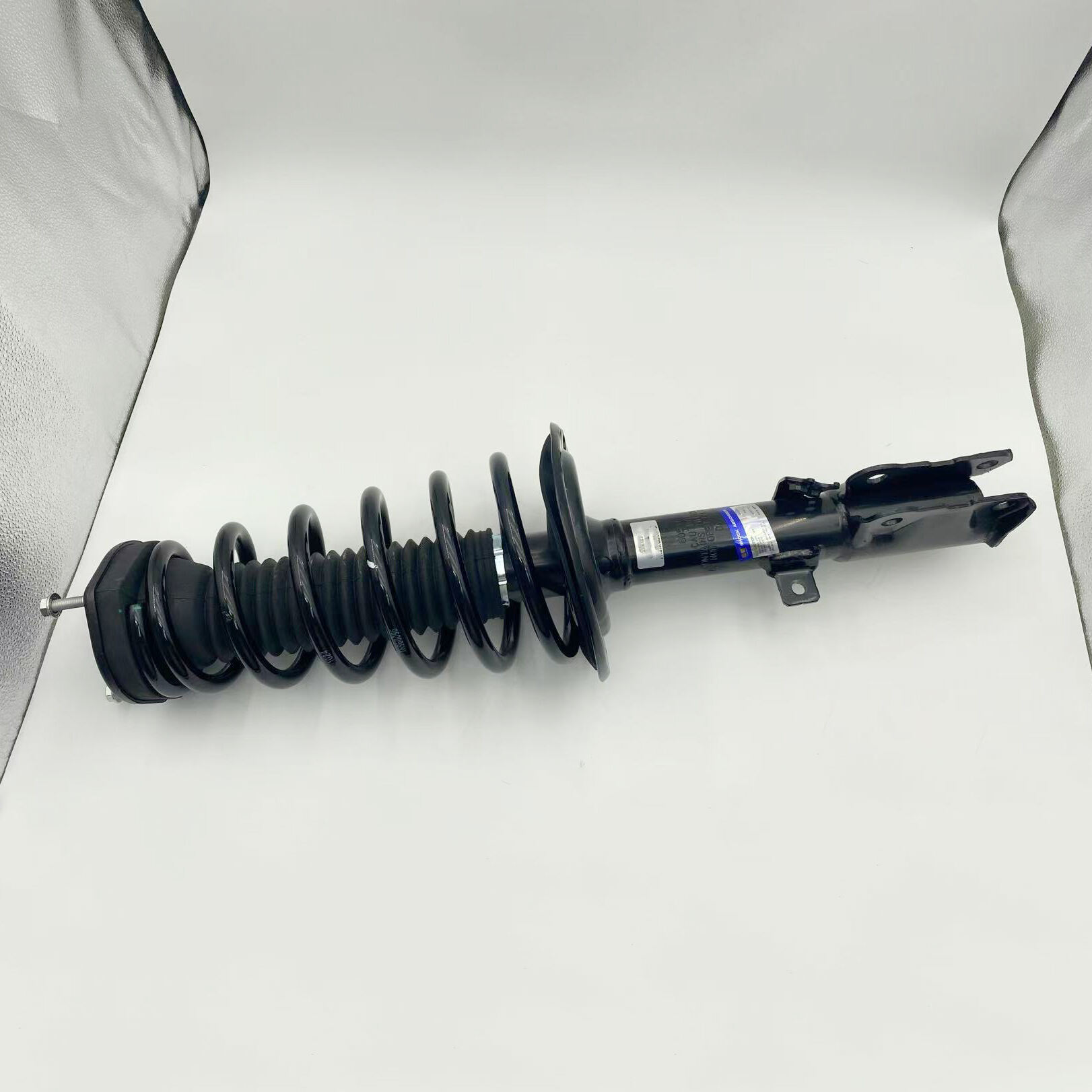
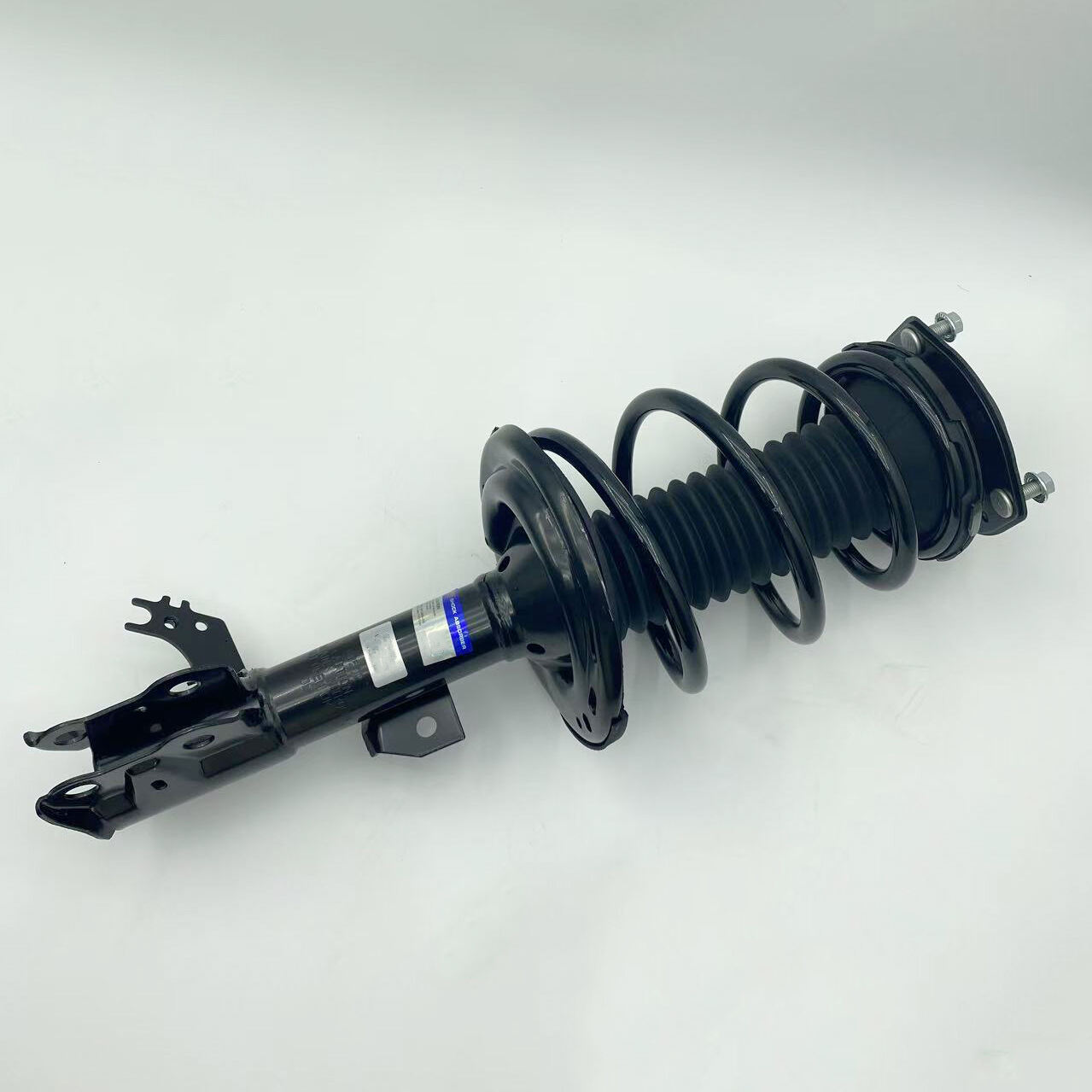
shock struts
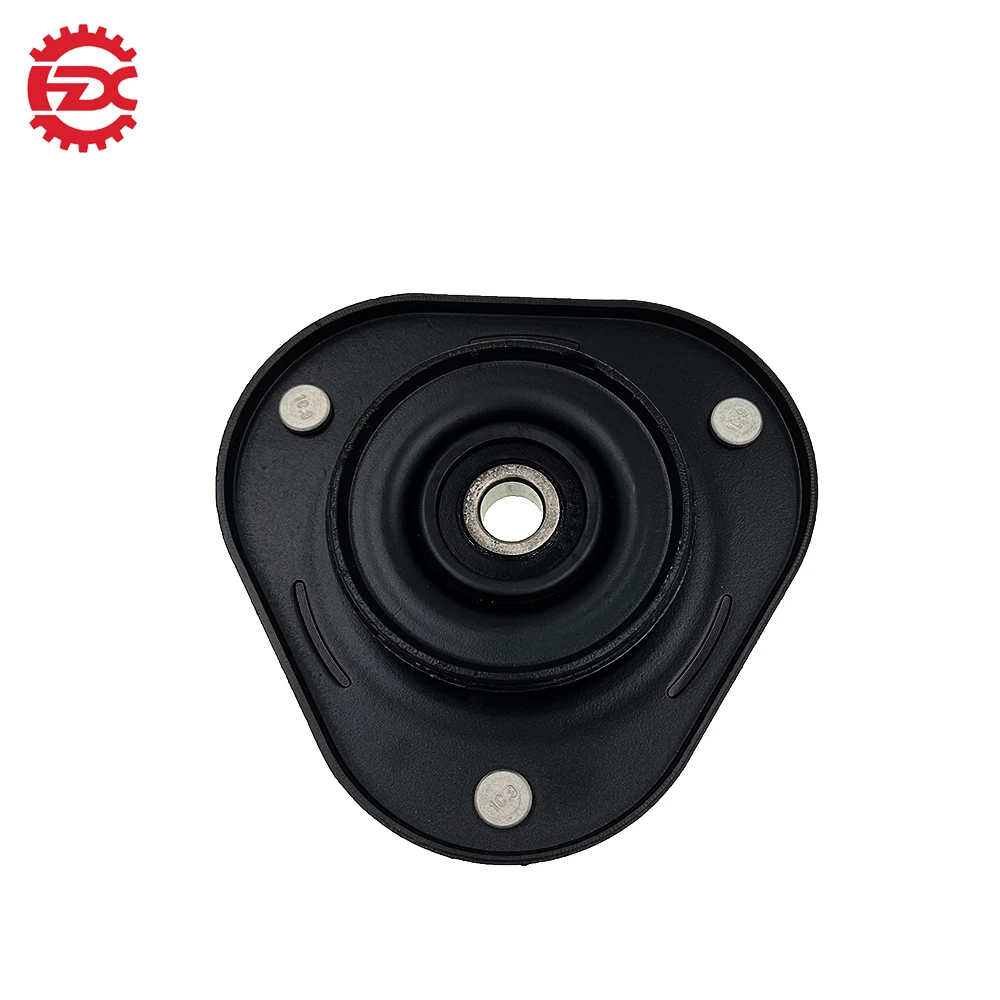
Shock struts represent a critical component in modern suspension systems, combining the dual functionality of shock absorption and structural support in a single, integrated unit. These sophisticated mechanical devices serve as the primary interface between a vehicle's wheels and chassis, managing the complex dynamics of motion control, load distribution, and impact mitigation. The fundamental design of shock struts incorporates a telescoping cylinder housing that contains hydraulic fluid, a piston assembly, and a coil spring mechanism, all working in harmony to deliver superior ride quality and handling characteristics. The main functions of shock struts extend beyond simple vibration dampening to encompass comprehensive suspension management. They control wheel movement during compression and rebound cycles, maintain tire contact with road surfaces, and provide essential steering geometry support. The technological features integrated into modern shock struts include precision-engineered valving systems that regulate fluid flow, temperature-compensated sealing mechanisms that ensure long-term reliability, and advanced metallurgy that withstands extreme operating conditions. These components utilize sophisticated hydraulic principles to convert kinetic energy from road irregularities into controlled heat dissipation. Applications for shock struts span across multiple transportation sectors, from passenger automobiles and commercial trucks to aircraft landing gear systems and industrial machinery. In automotive applications, shock struts are particularly prevalent in front suspension assemblies where they combine with steering components to deliver precise handling response. The aerospace industry relies heavily on shock struts for landing gear systems, where they must absorb tremendous impact forces during aircraft touchdown operations. Marine applications utilize specialized shock struts in boat trailers and watercraft suspension systems, while agricultural and construction equipment depend on heavy-duty variants to manage extreme loads and harsh operating environments.

 EN
EN