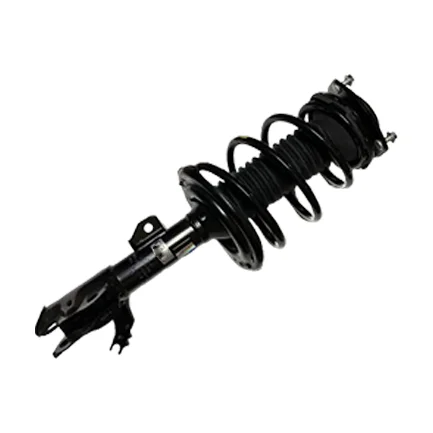
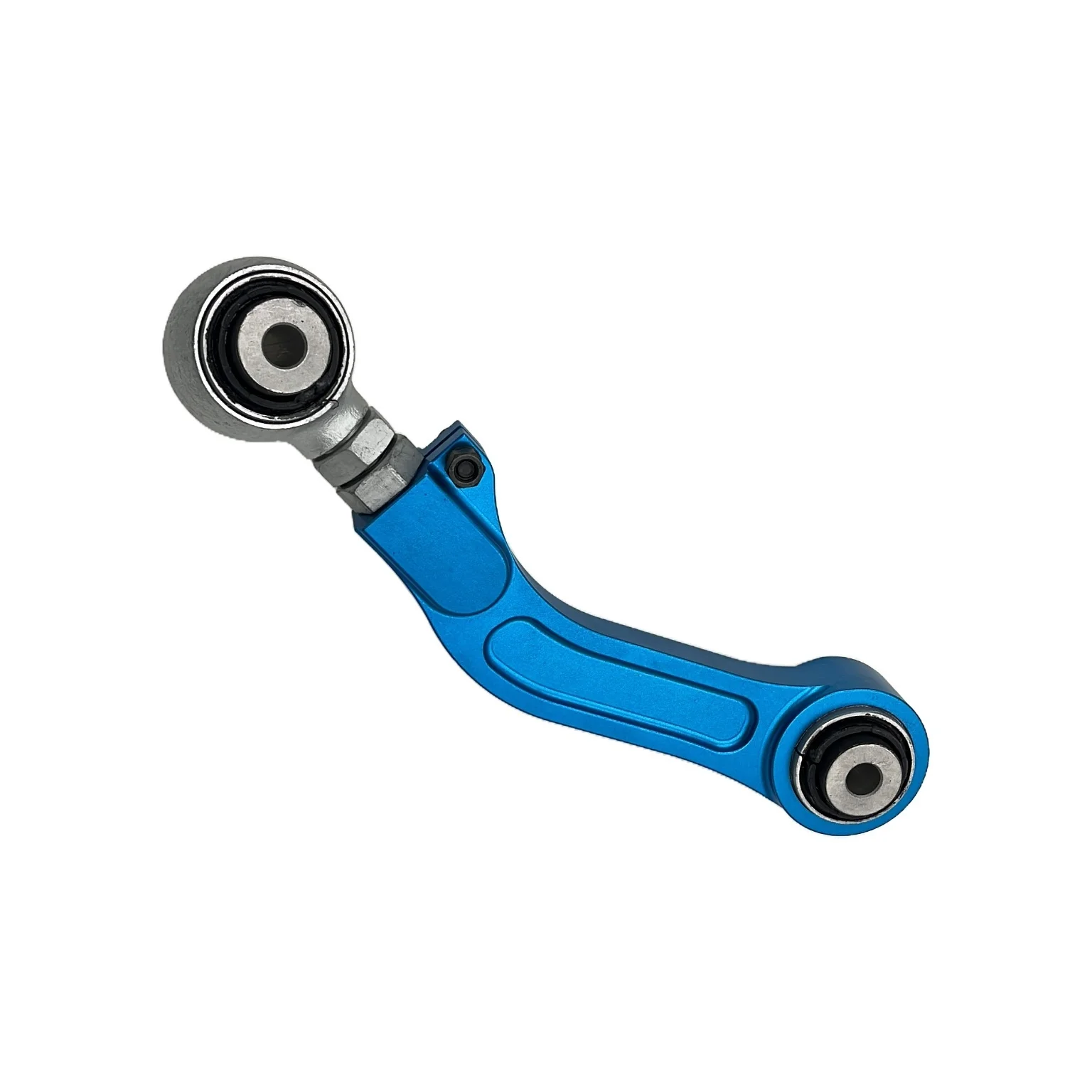
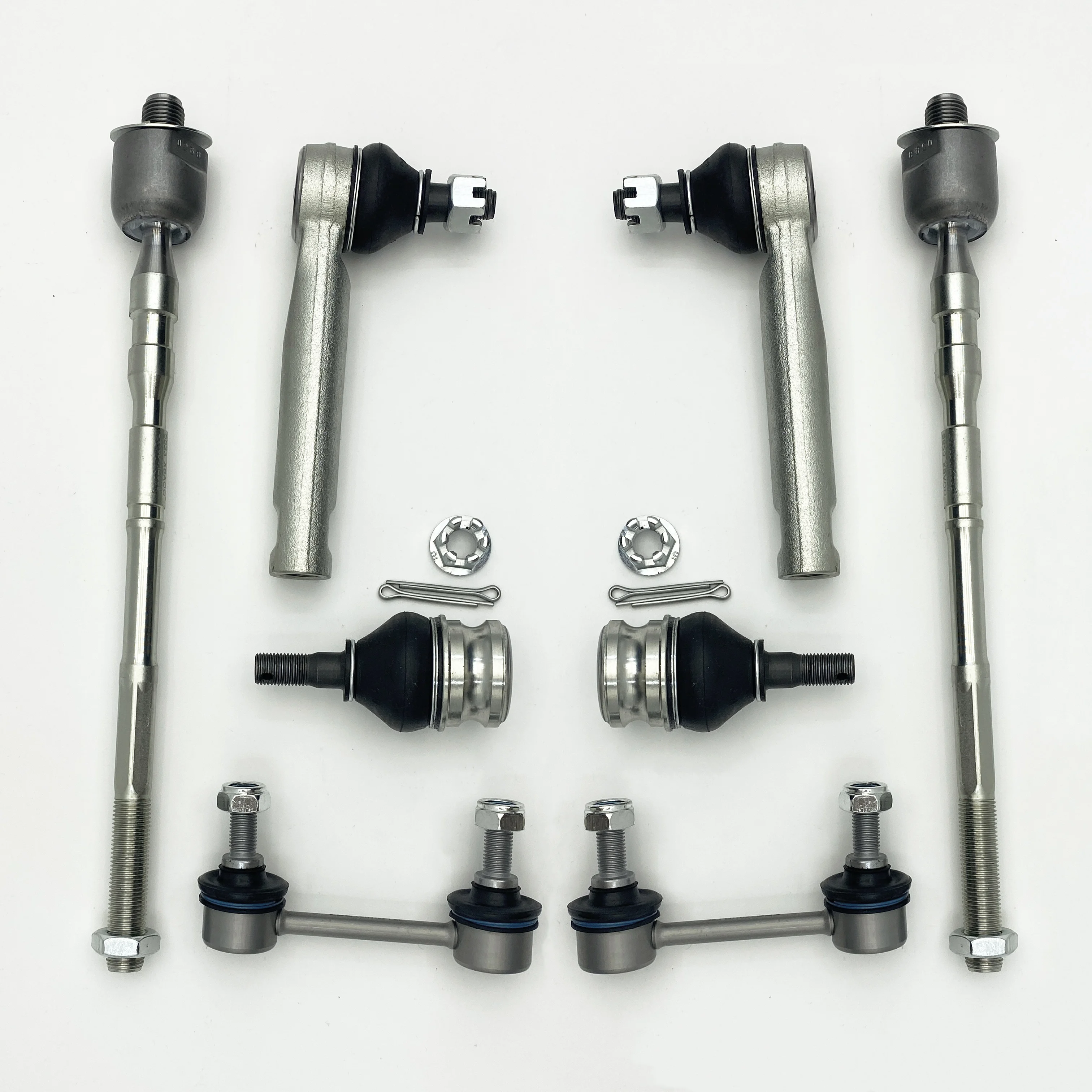
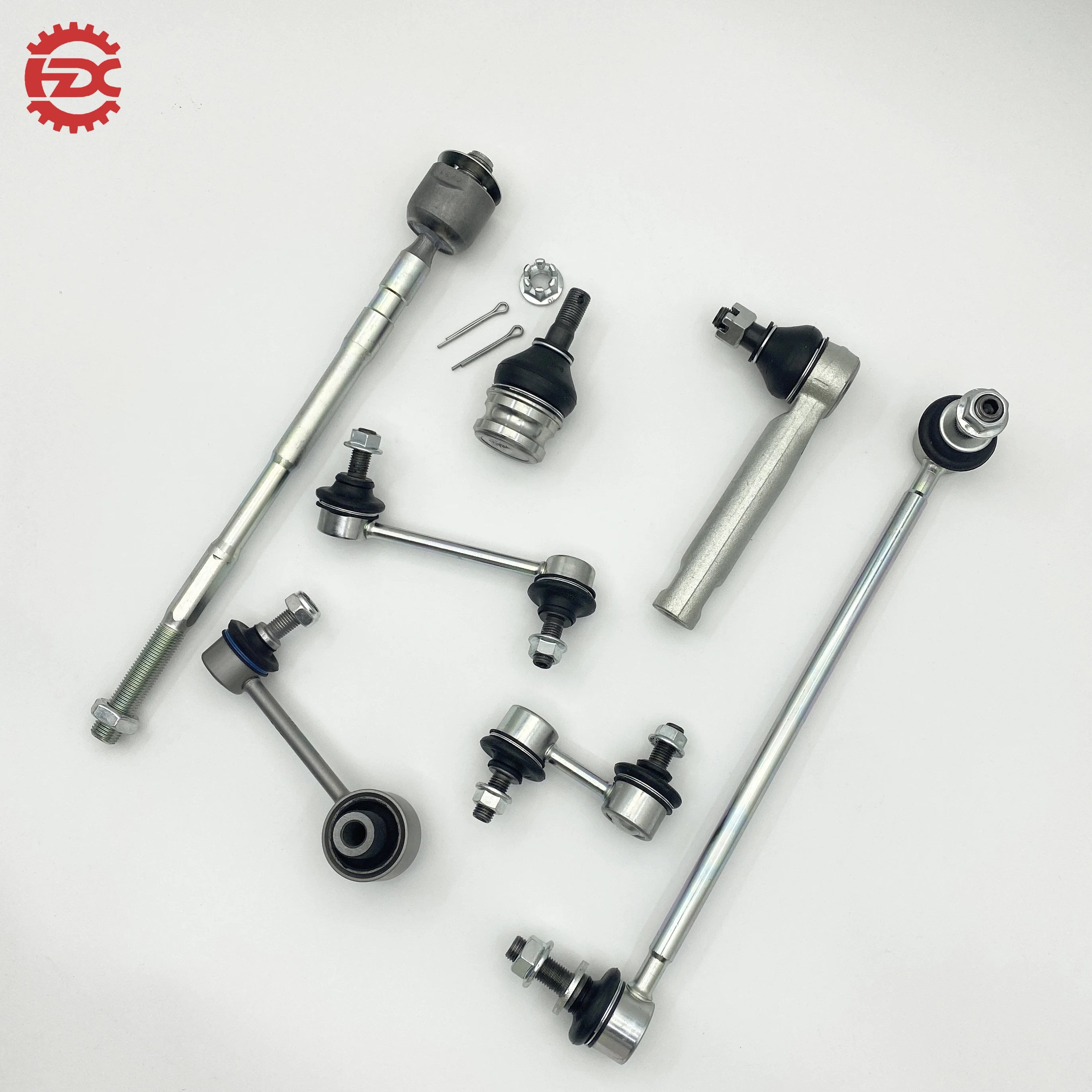
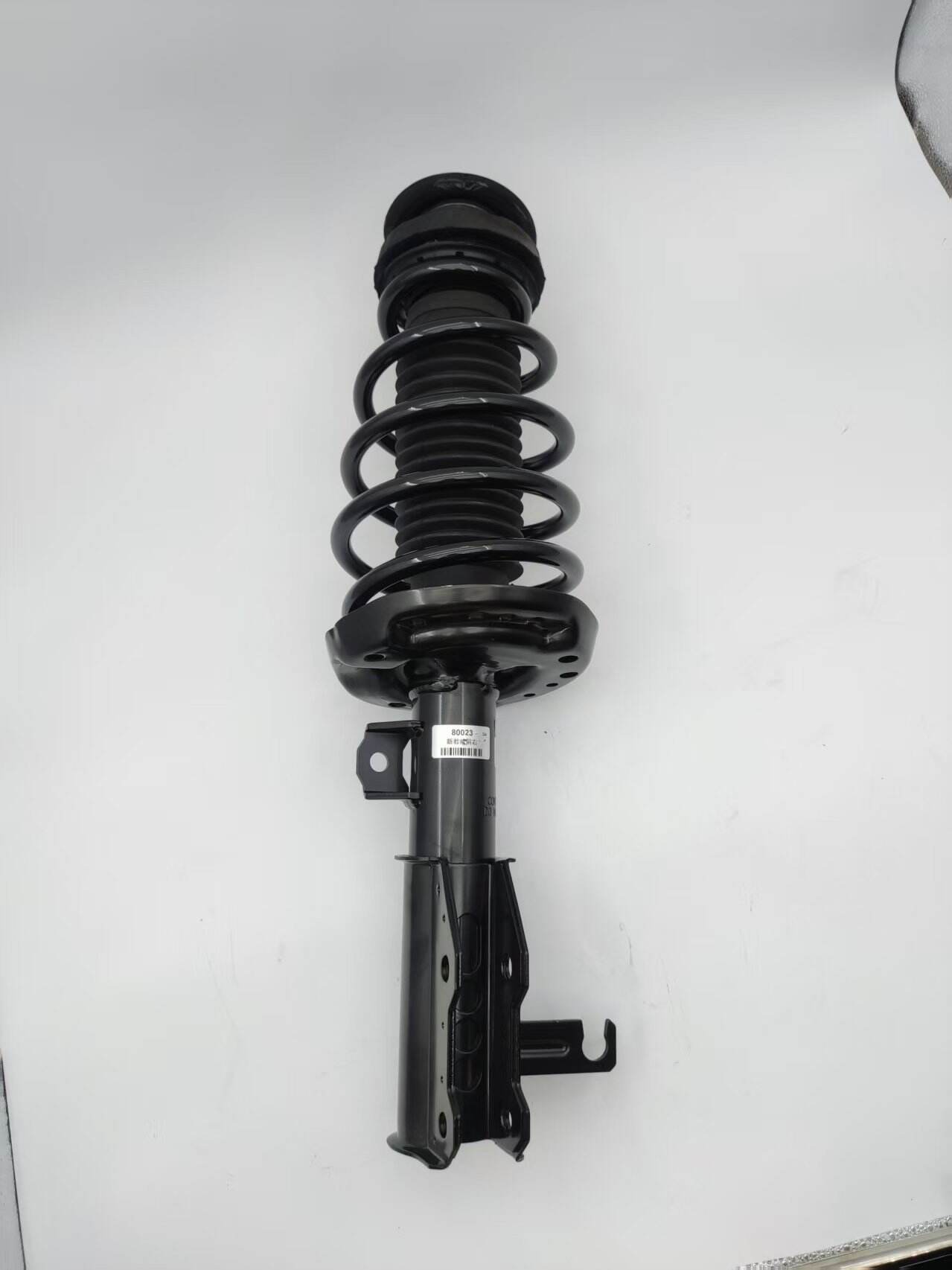
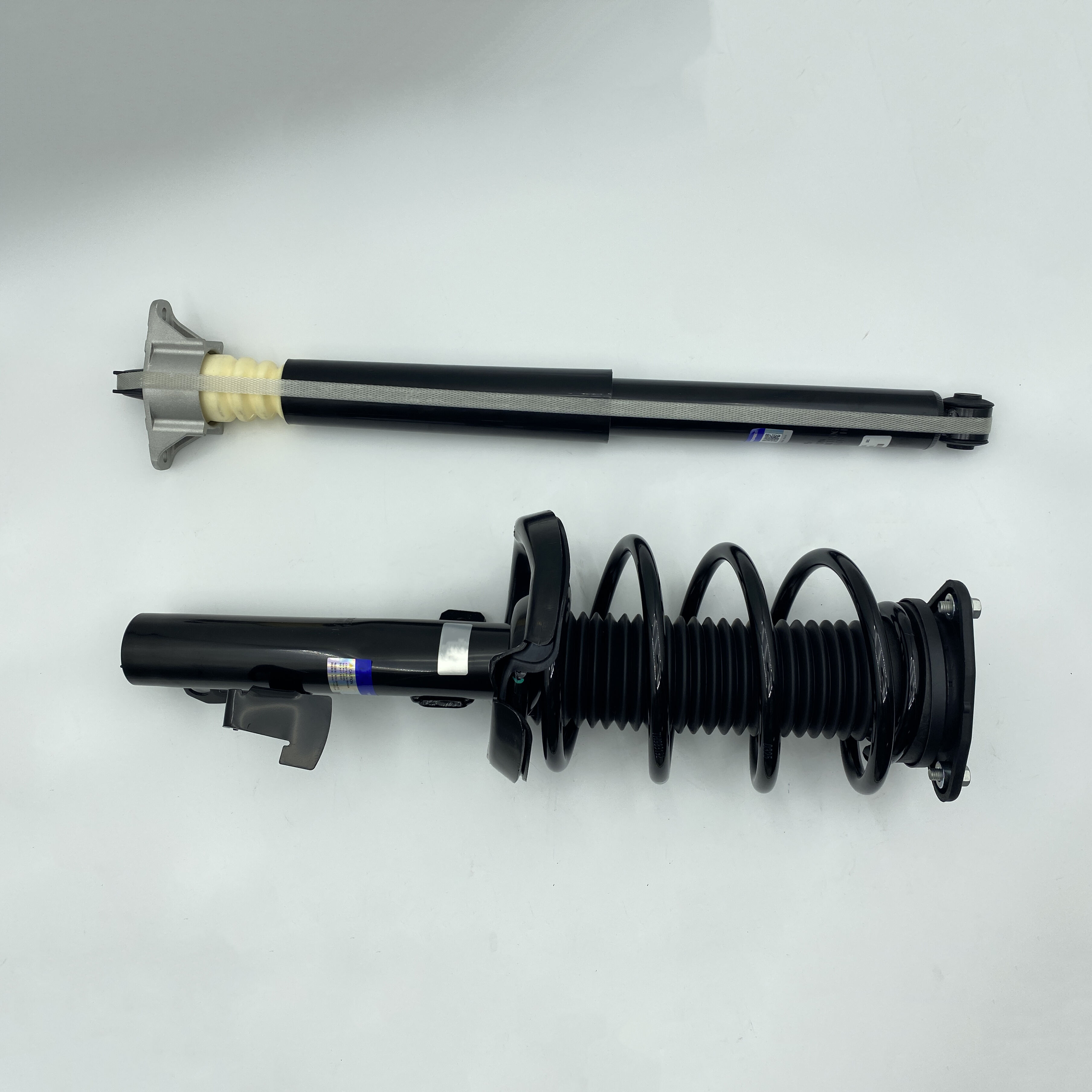
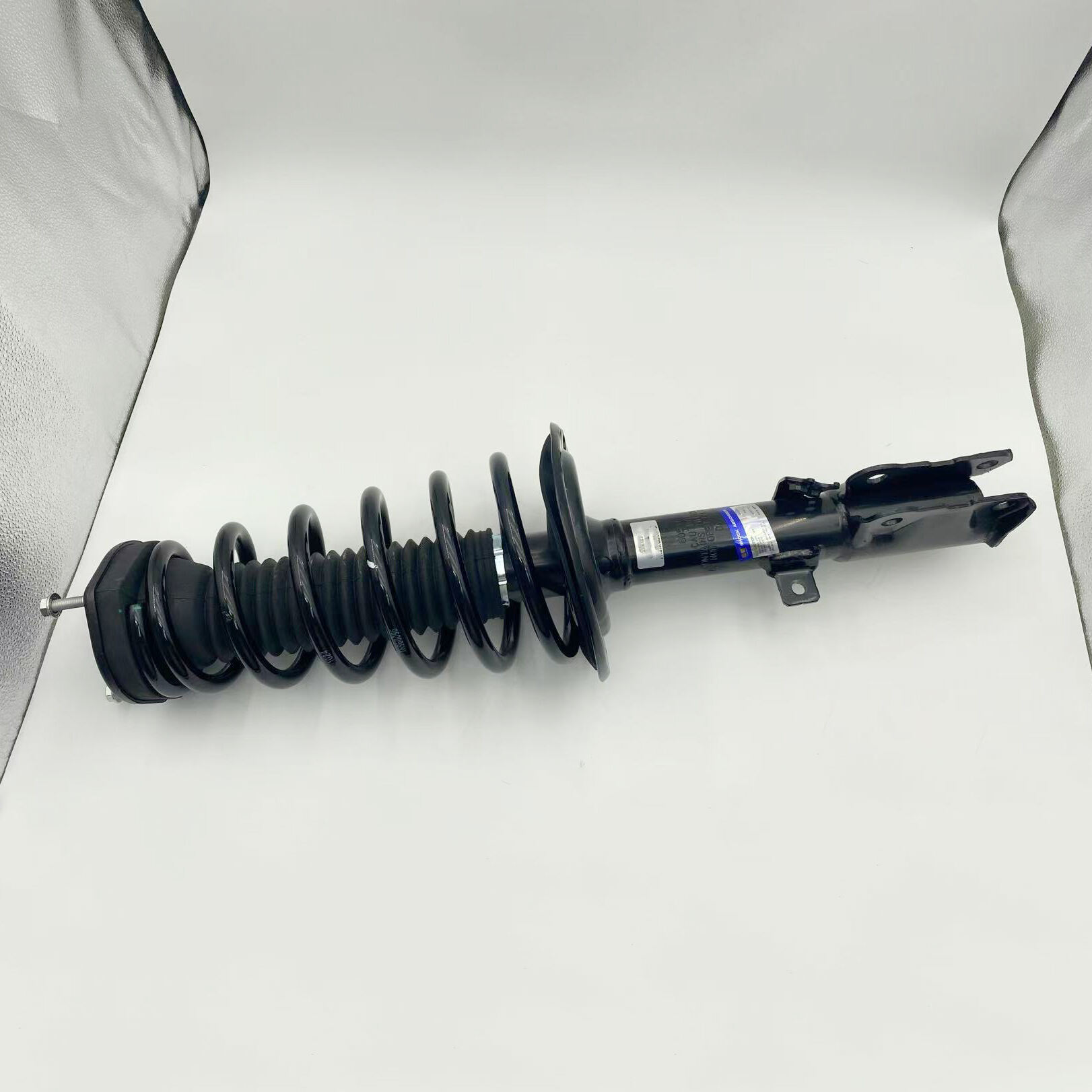
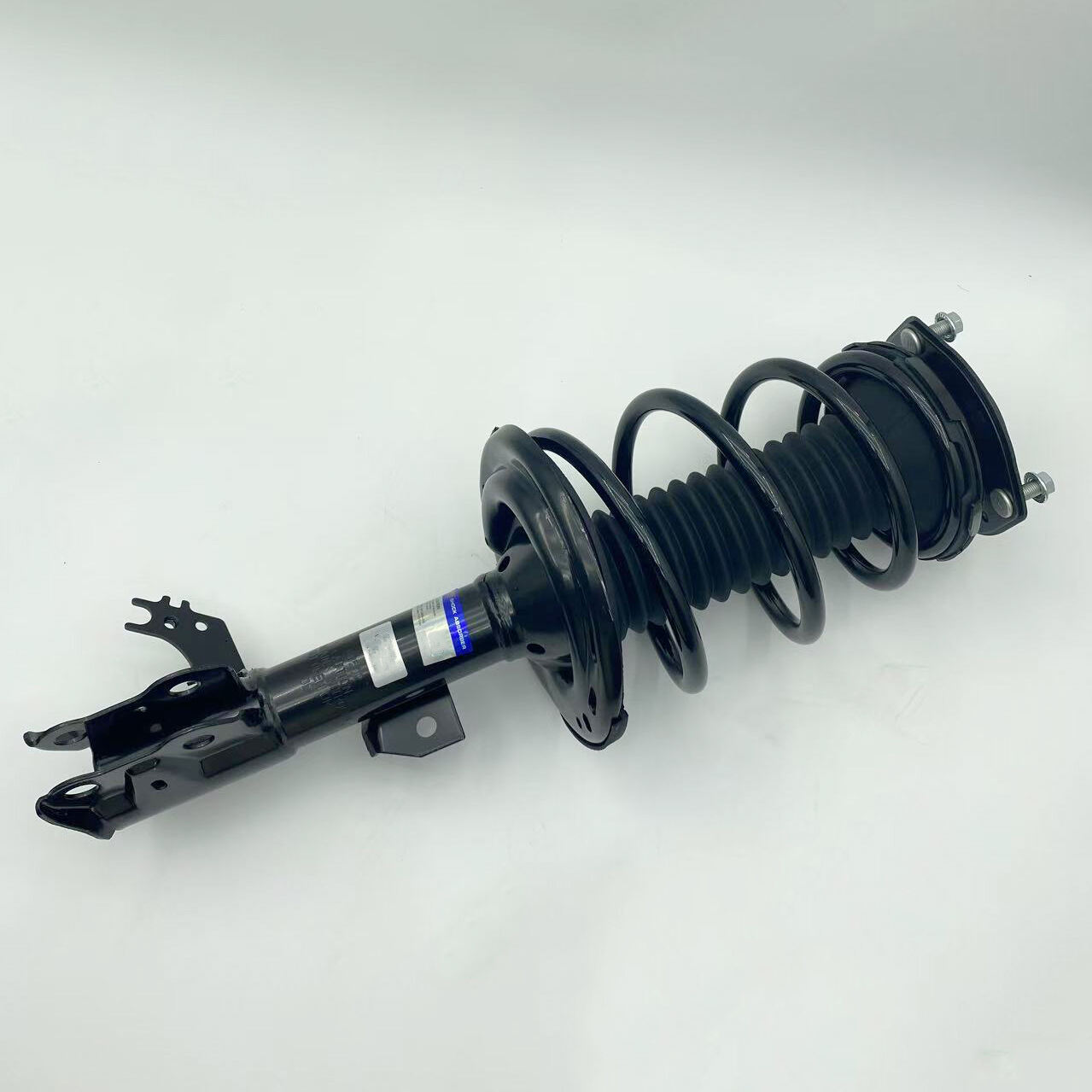
shock absorber
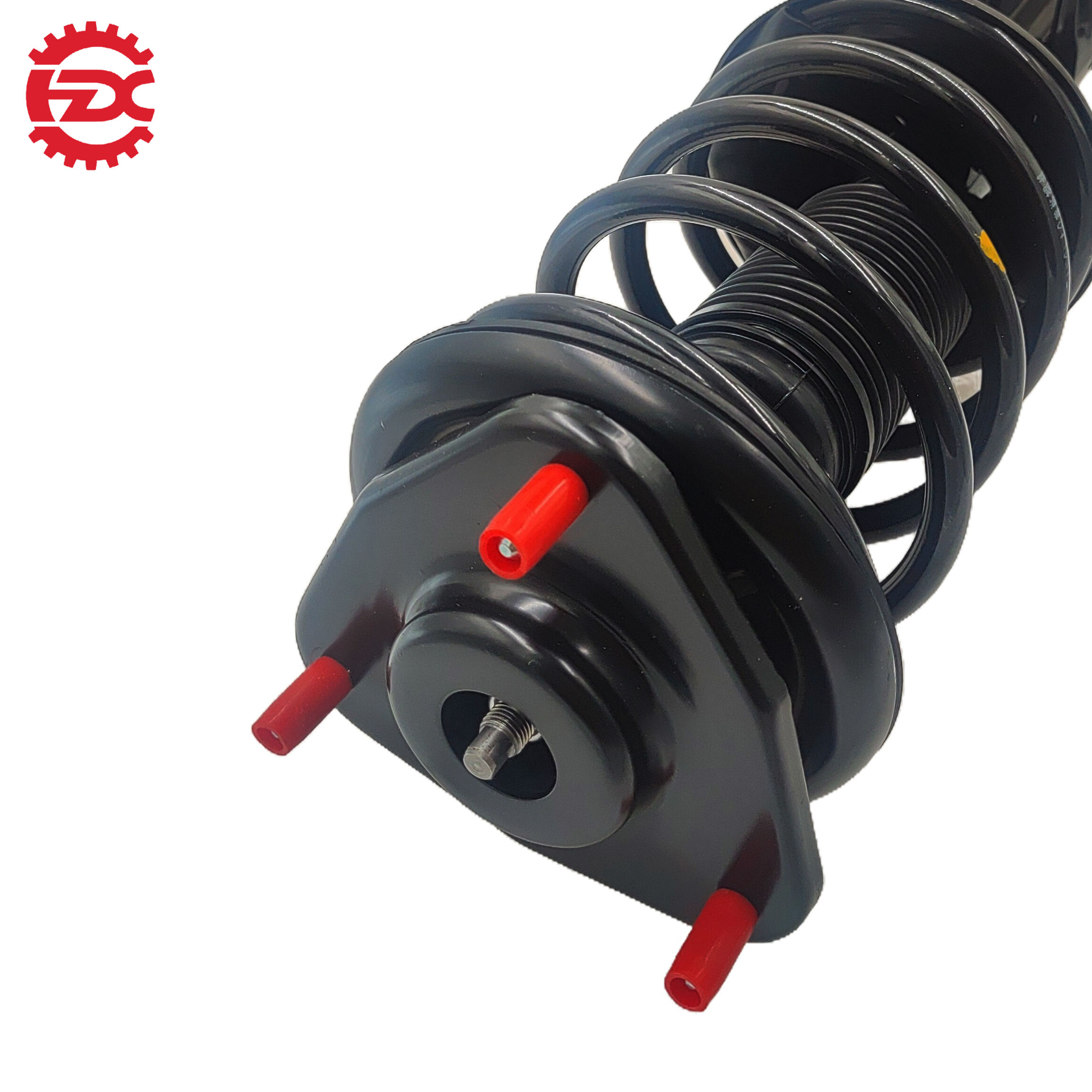
A shock absorber is a crucial mechanical component designed to control and dampen the oscillatory motion of vehicle suspension systems. This essential automotive part works by converting kinetic energy from suspension movement into thermal energy, which is then dissipated through hydraulic fluid or gas compression mechanisms. The primary purpose of a shock absorber is to maintain optimal contact between vehicle tires and road surfaces while providing passengers with enhanced comfort during travel. Modern shock absorber technology incorporates sophisticated engineering principles that utilize hydraulic cylinders filled with specialized fluid or gas-charged chambers. The internal piston moves through this medium, creating controlled resistance that effectively manages spring oscillations and prevents excessive bouncing or swaying motions. Advanced shock absorber designs feature multiple valve systems that automatically adjust damping characteristics based on driving conditions and load requirements. These components typically consist of durable steel construction with precision-engineered seals that ensure long-lasting performance under various environmental conditions. The technological features of contemporary shock absorber systems include velocity-sensitive damping, which provides different resistance levels depending on suspension movement speed. Many high-performance shock absorber units incorporate adjustable settings that allow users to customize ride quality according to personal preferences or specific driving scenarios. Applications for shock absorber technology extend across numerous vehicle categories, including passenger cars, commercial trucks, motorcycles, and heavy machinery. In automotive applications, shock absorber systems work in conjunction with springs and struts to create comprehensive suspension solutions that enhance vehicle stability, reduce tire wear, and improve overall driving dynamics. Industrial applications utilize shock absorber technology in manufacturing equipment, construction machinery, and specialized transportation vehicles where vibration control is essential for operational efficiency and equipment longevity.

 EN
EN