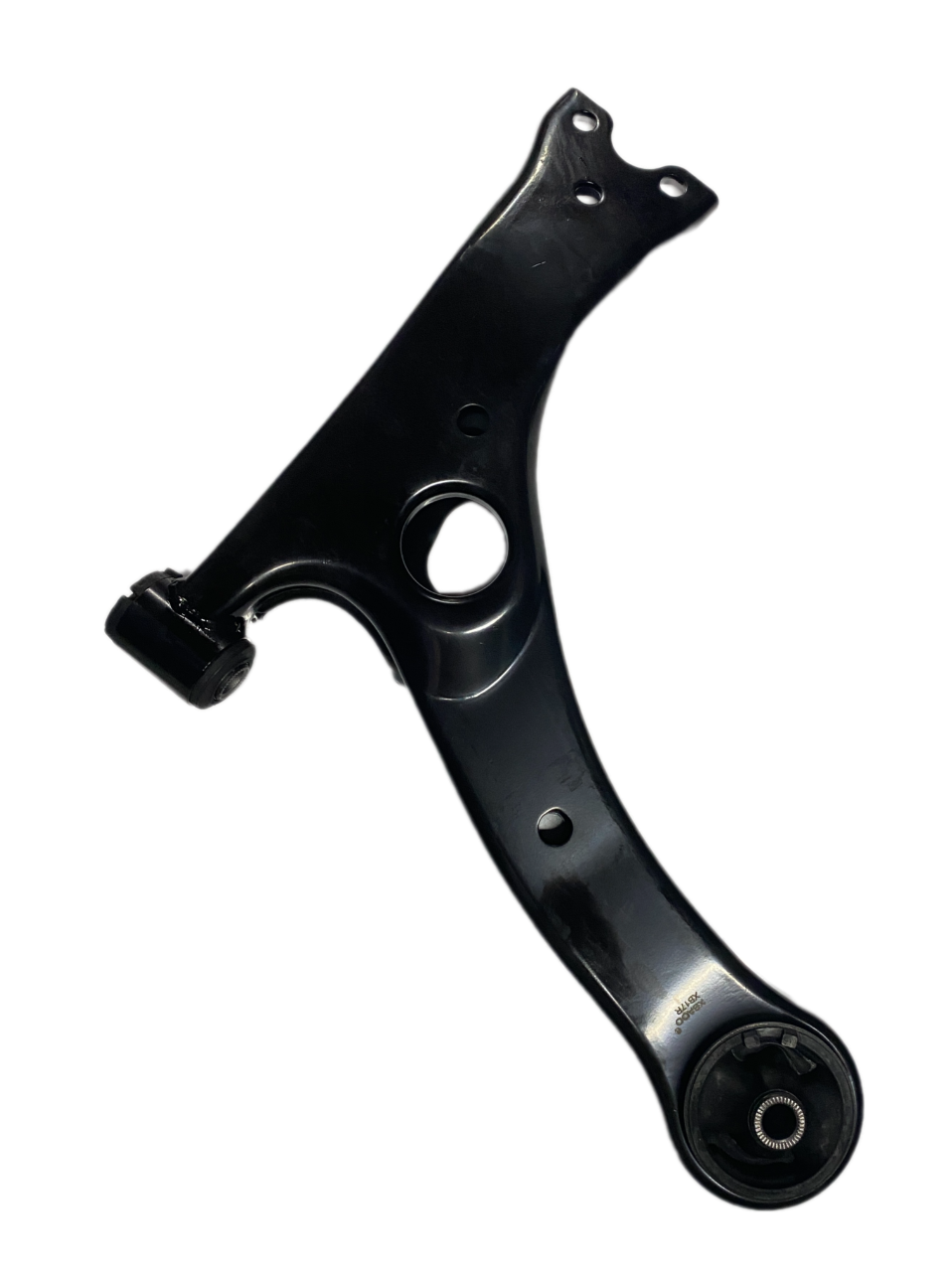
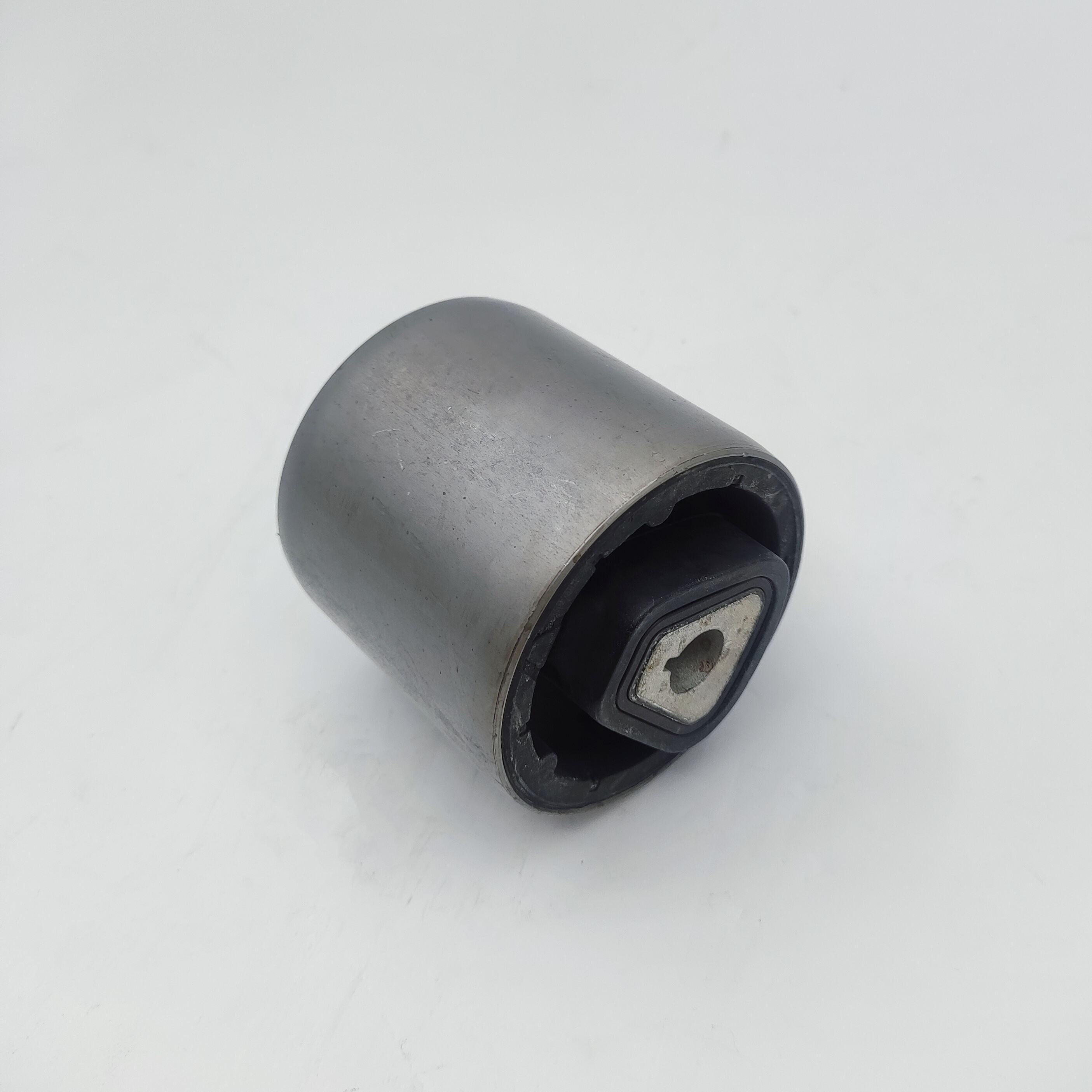
front suspension arm
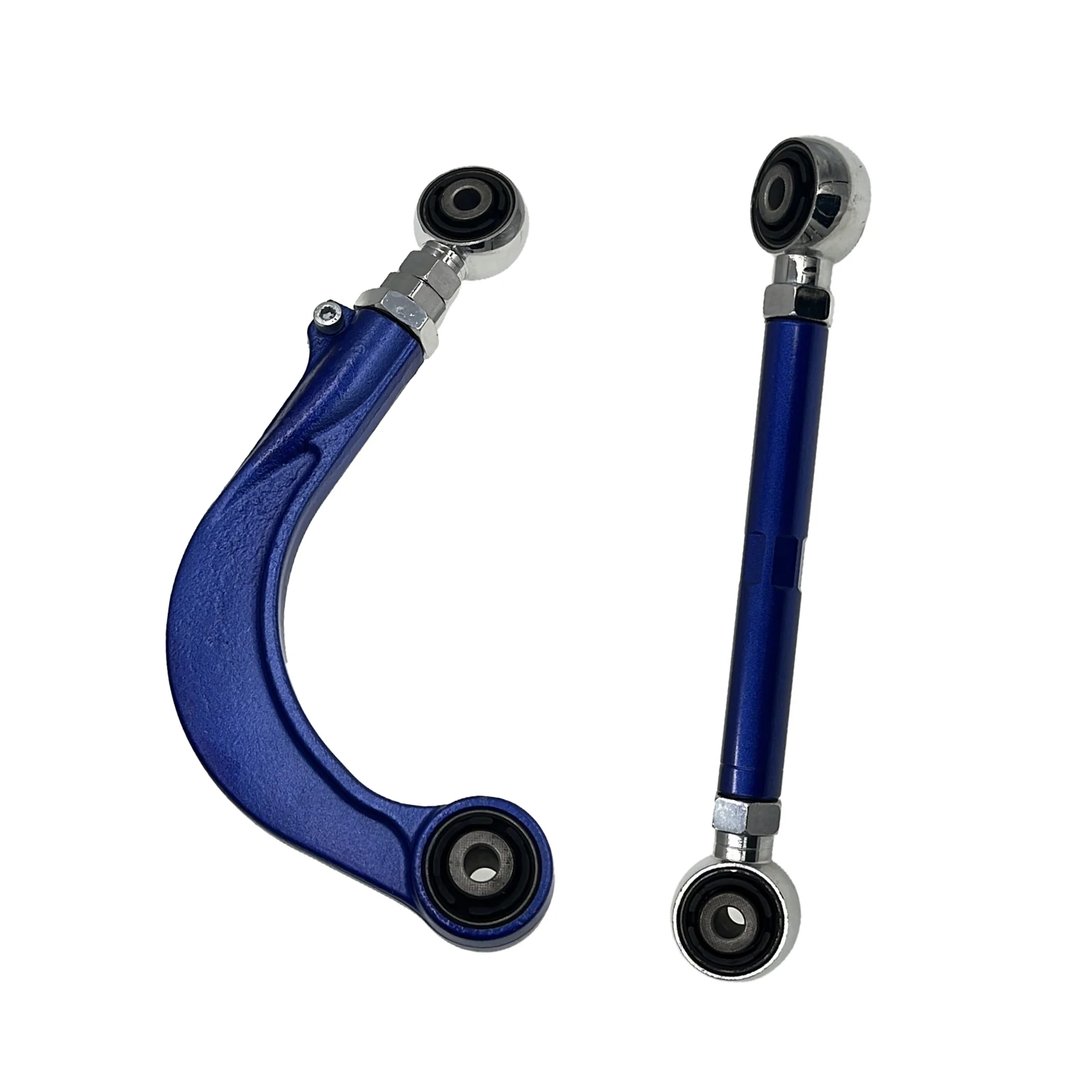
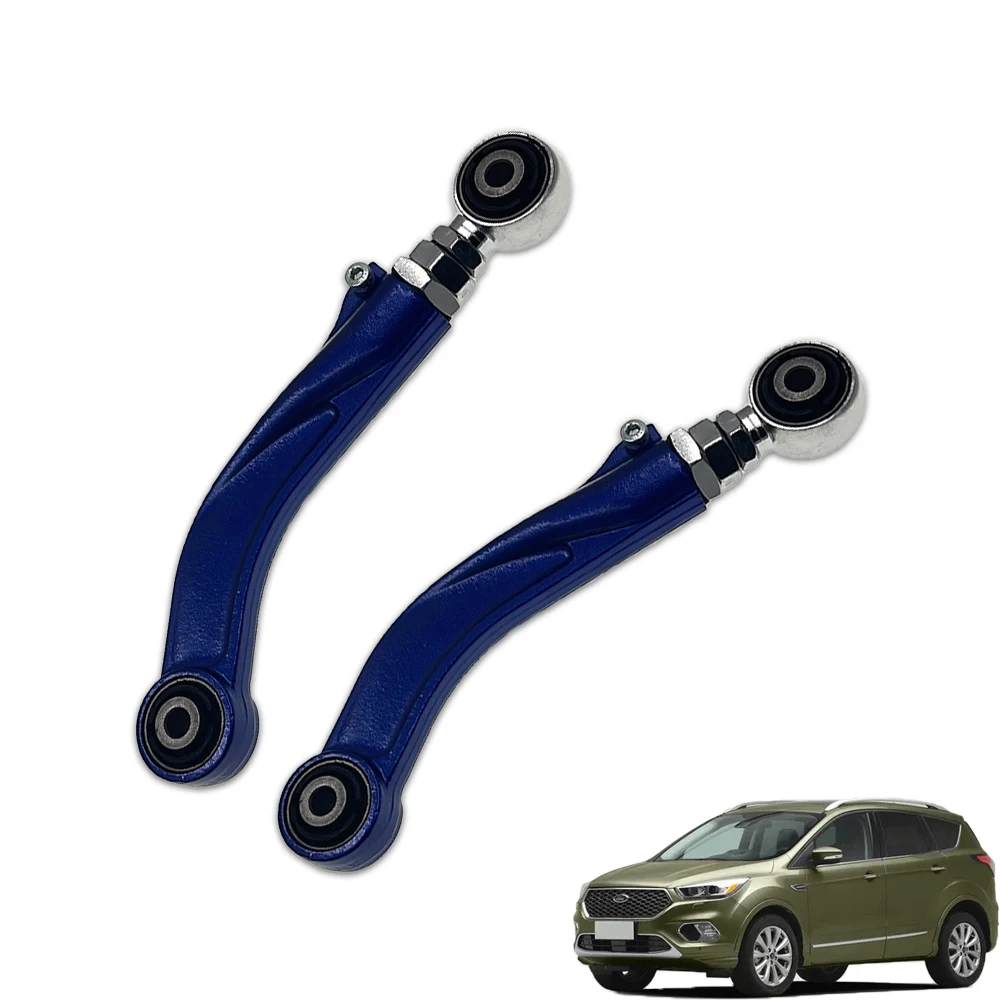
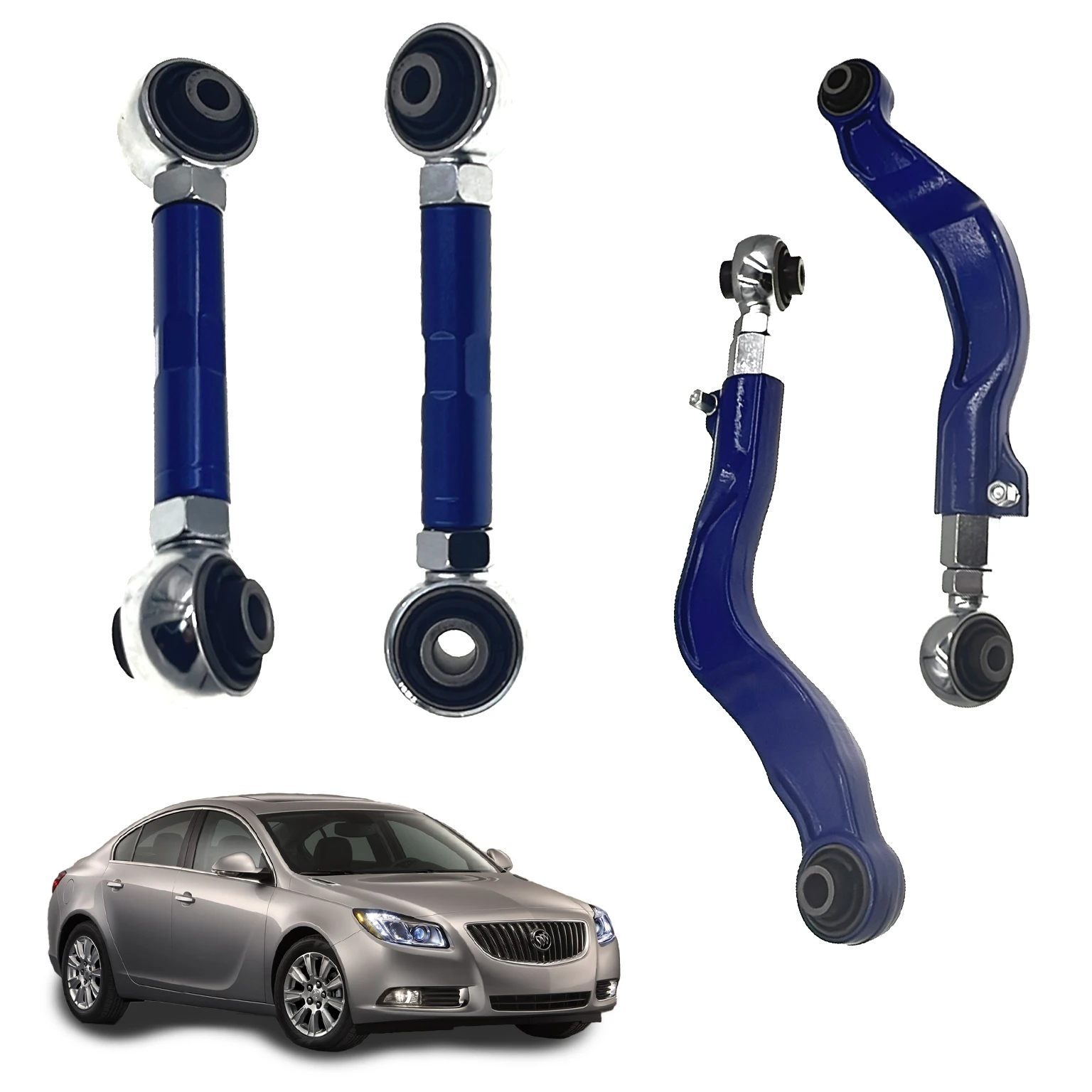
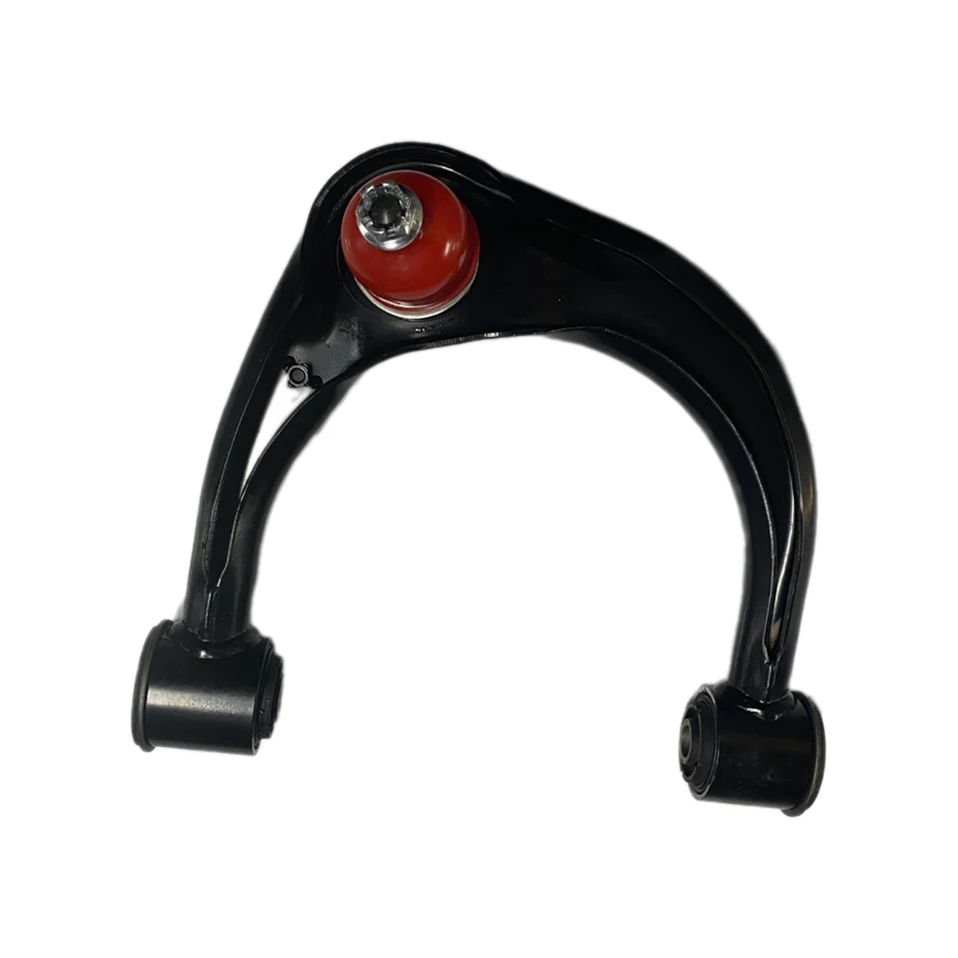
The front suspension arm represents a critical component in automotive suspension systems, serving as the foundational link between the vehicle's chassis and the front wheels. This essential part operates as a structural bridge that connects the wheel hub assembly to the vehicle's frame, enabling controlled movement while maintaining proper wheel alignment and stability. The front suspension arm plays a pivotal role in absorbing road impacts, distributing forces evenly across the suspension system, and ensuring optimal tire contact with the road surface. Modern front suspension arms are engineered using advanced materials and precision manufacturing techniques to deliver exceptional durability and performance. These components typically feature rubber bushings at connection points to minimize vibration transfer and enhance ride comfort. The design incorporates strategic mounting points for ball joints, which allow for the necessary articulation during steering and suspension travel. Front suspension arms are manufactured to withstand enormous stress loads while maintaining dimensional accuracy over extended periods of operation. The component's geometry directly influences vehicle handling characteristics, affecting parameters such as camber angle, caster angle, and toe settings. Advanced front suspension arm designs often include integrated mounting brackets for stabilizer bars and shock absorber connections. The manufacturing process involves precision forging or casting techniques, followed by machining operations to achieve exact specifications. Quality control measures ensure that each front suspension arm meets stringent safety standards and performance requirements. The component's design varies significantly depending on the suspension type, whether it's a MacPherson strut, double wishbone, or multi-link configuration. Front suspension arms undergo rigorous testing procedures including fatigue testing, stress analysis, and real-world durability assessments to guarantee long-term reliability and safety performance in diverse driving conditions.

 EN
EN