Premium Front Suspension Chassis Parts - Enhanced Performance, Durability & Safety Solutions

All Categories

Get a Free Quote

Our representative will contact you soon.
Email
Name
Company Name
Message
0/1000

front suspension chassis parts

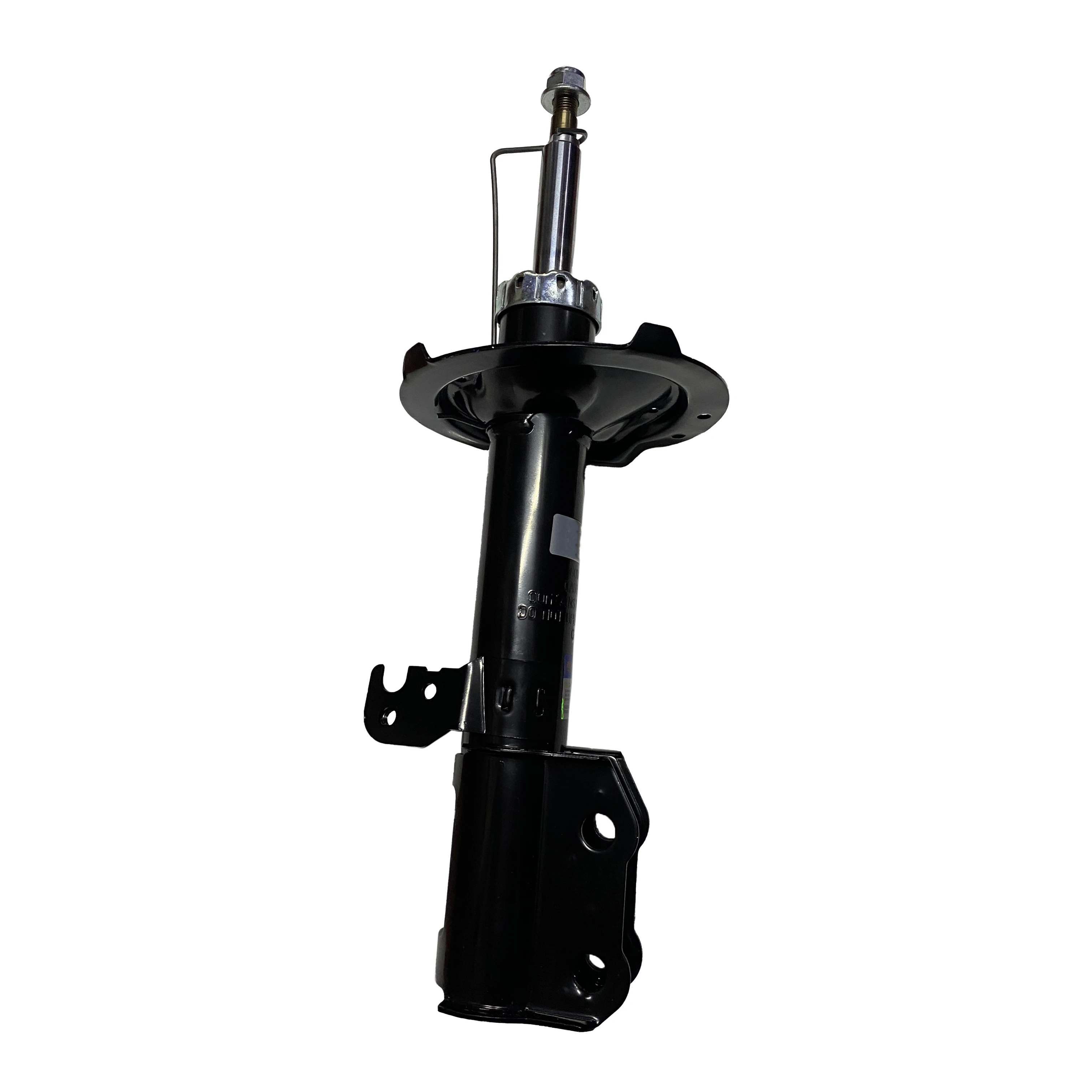
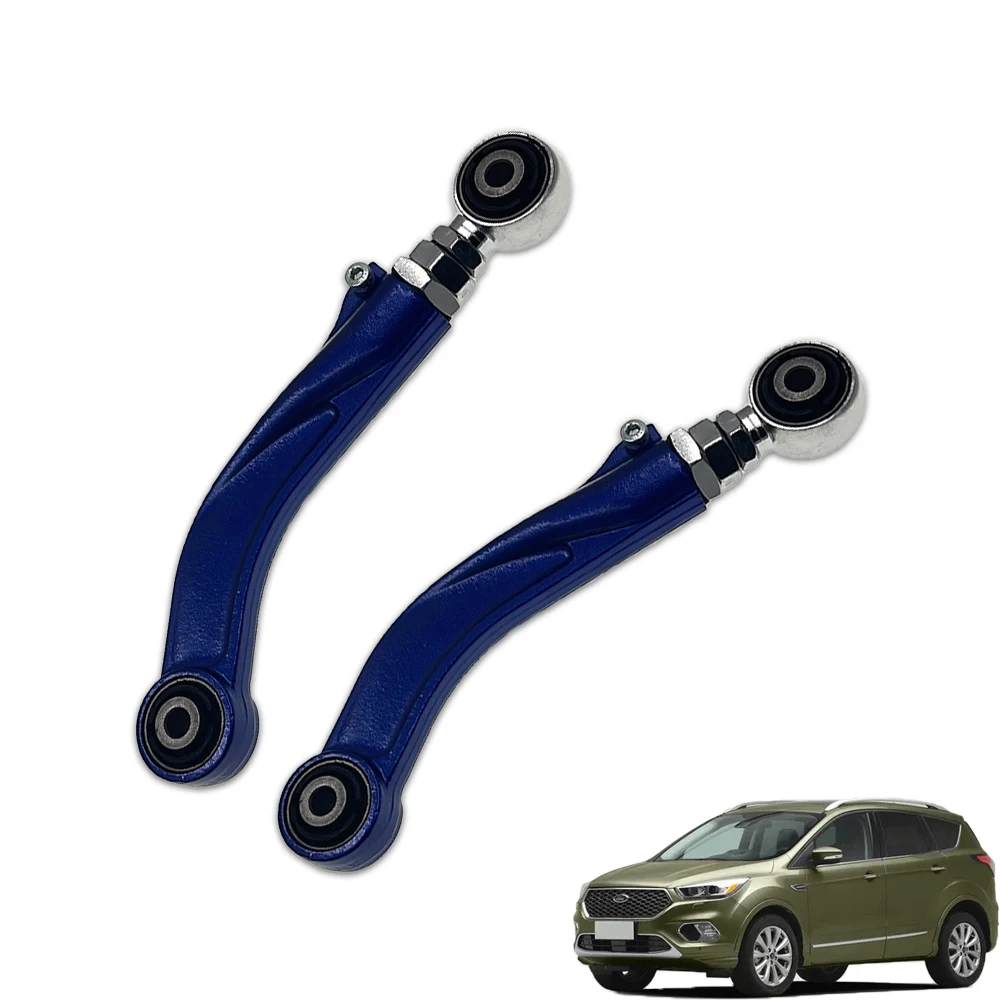
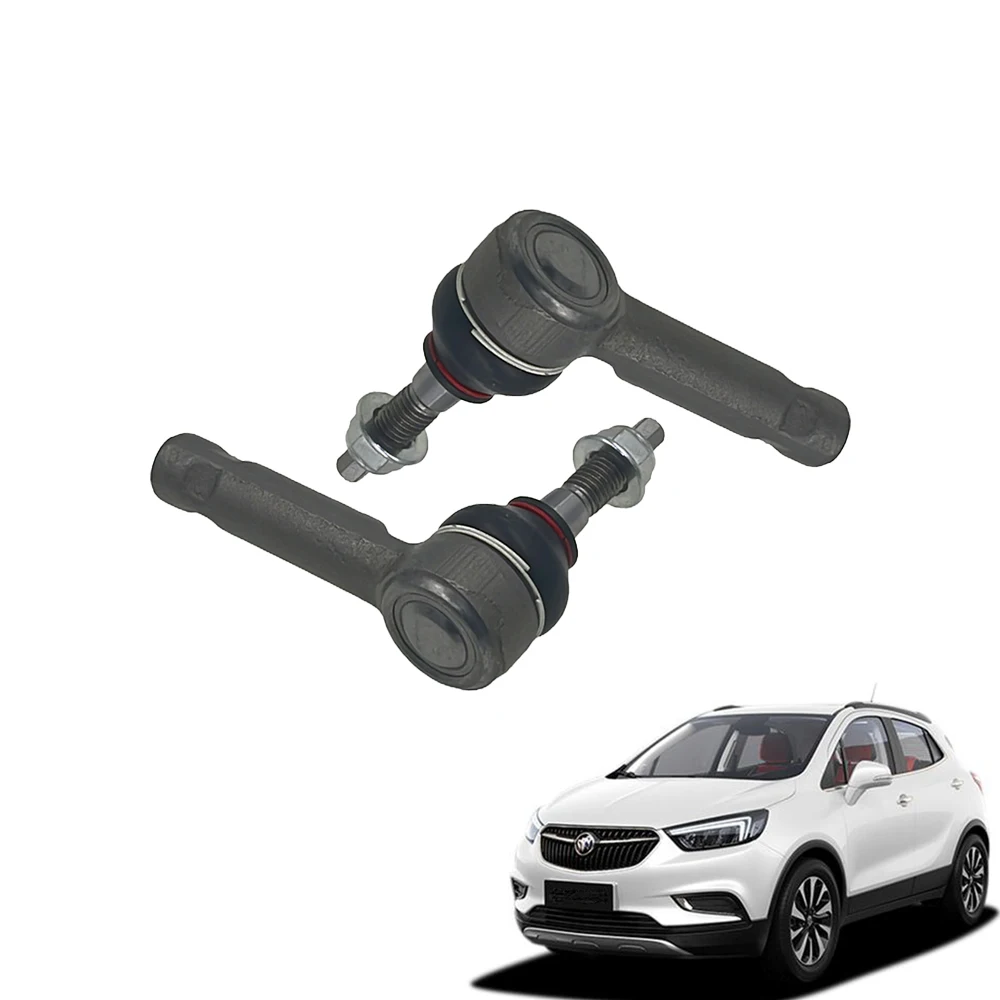
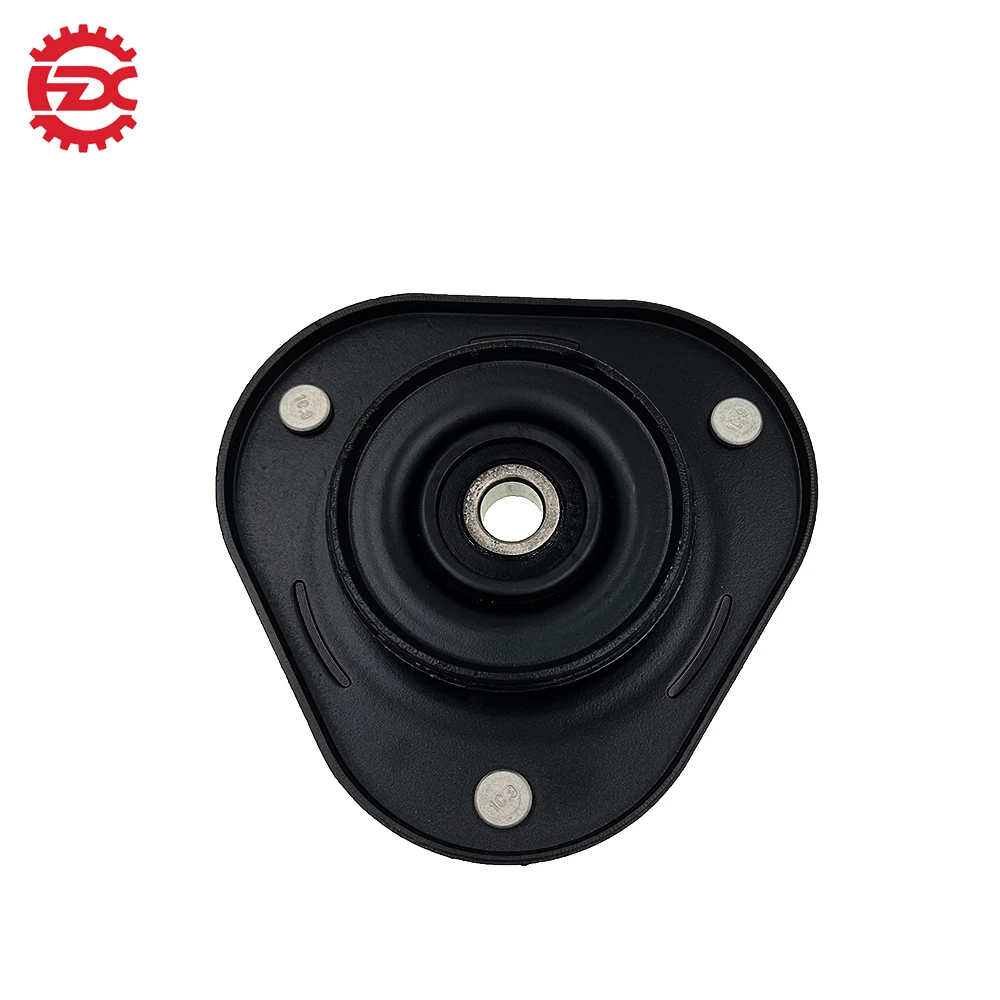
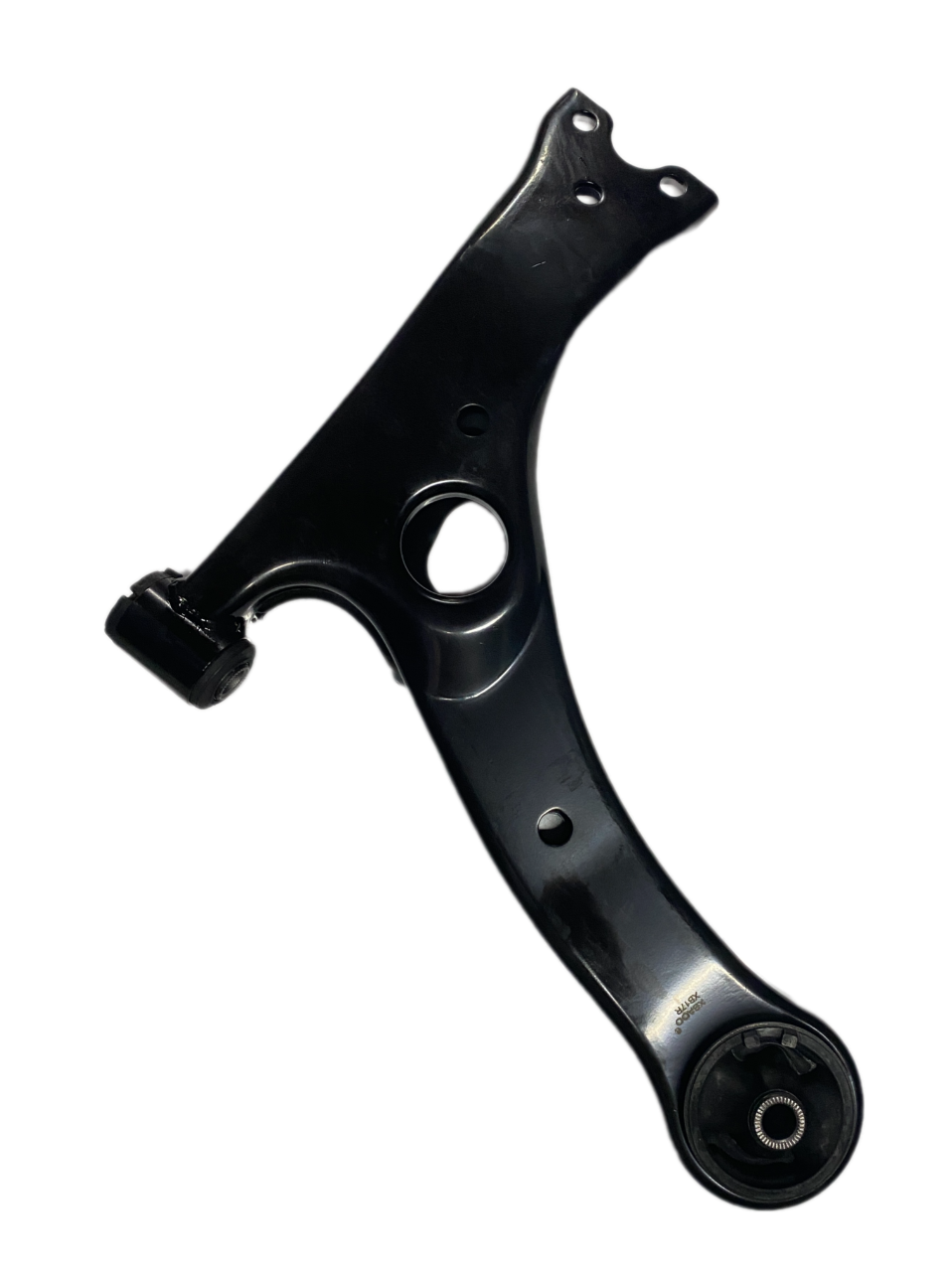
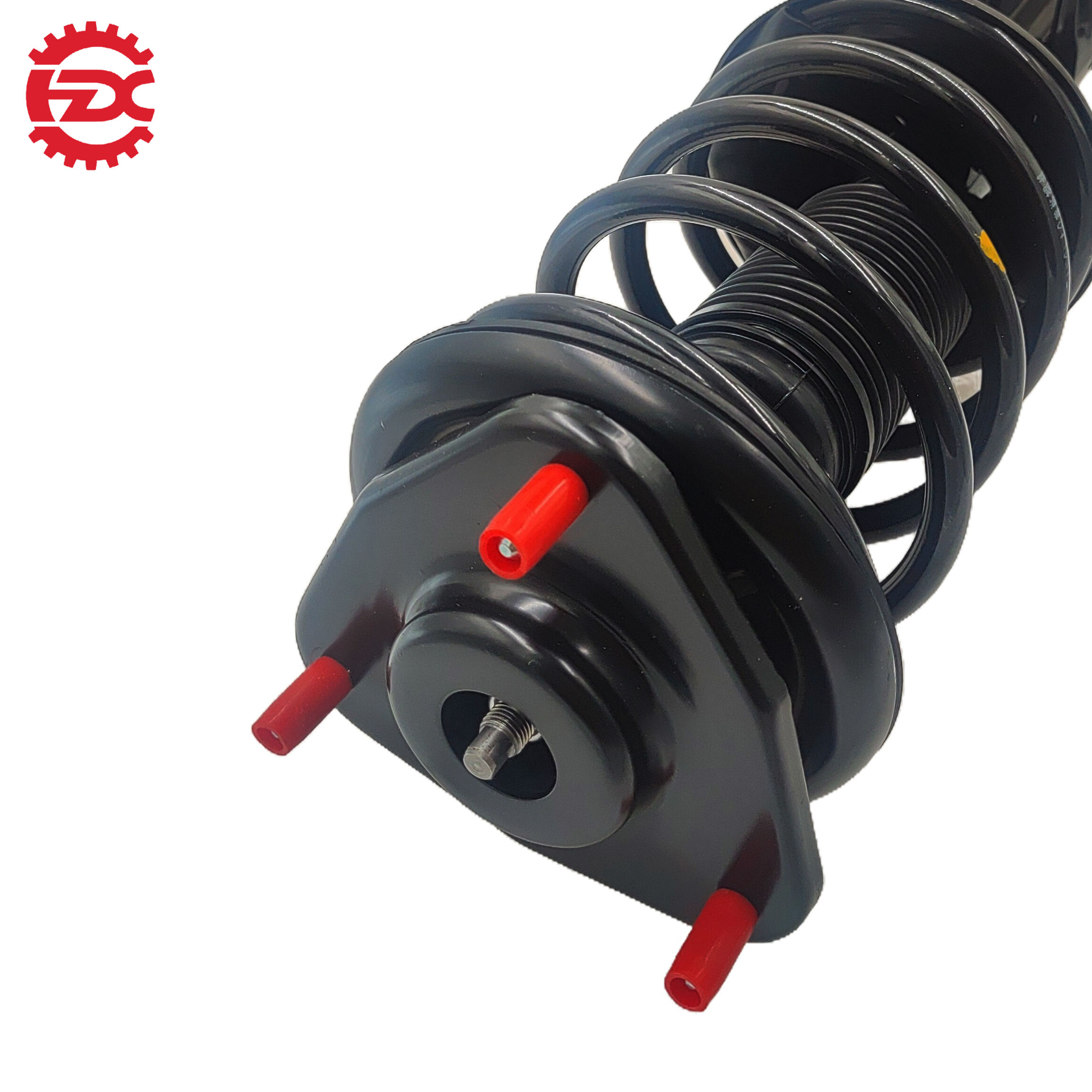
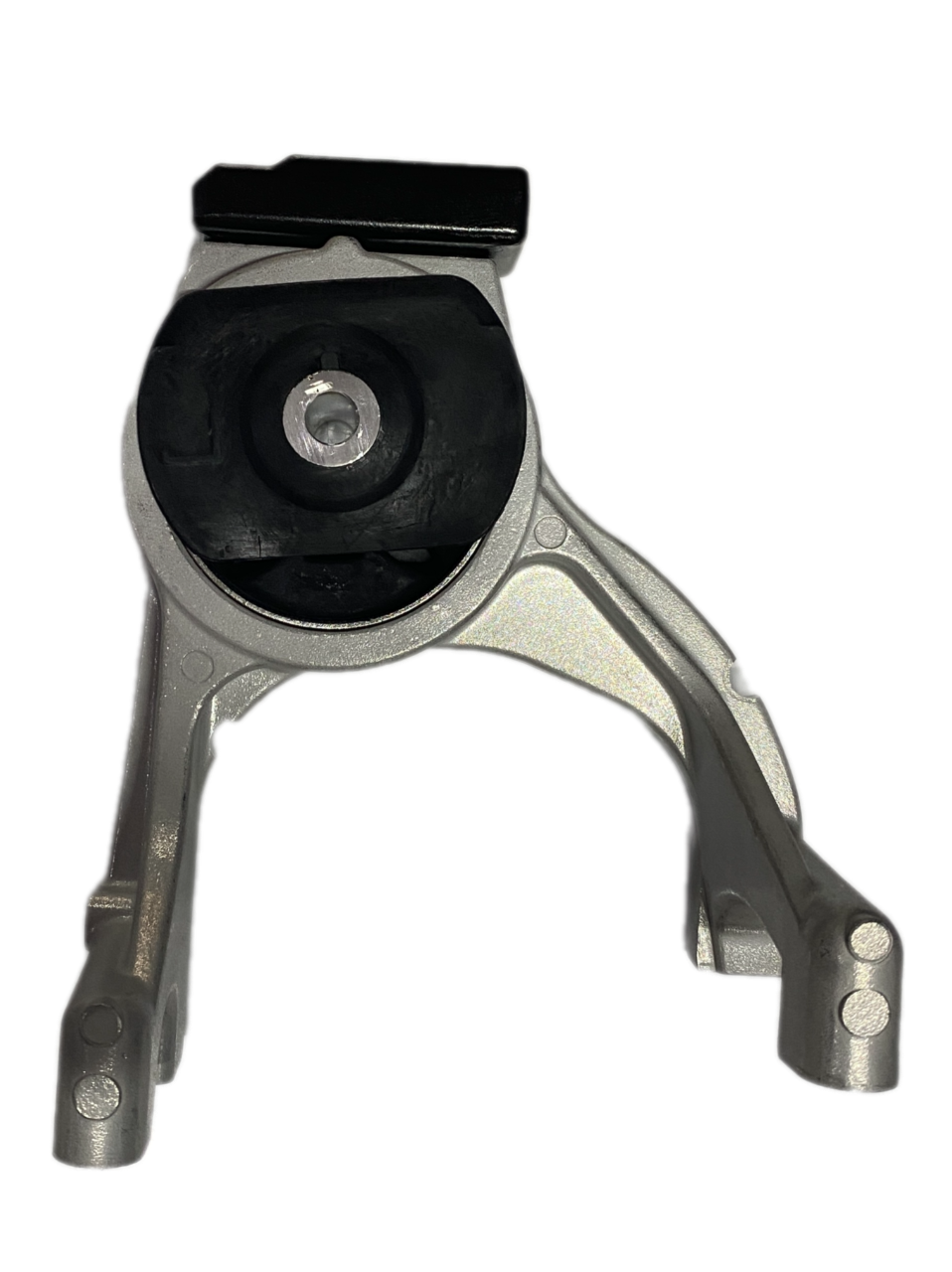
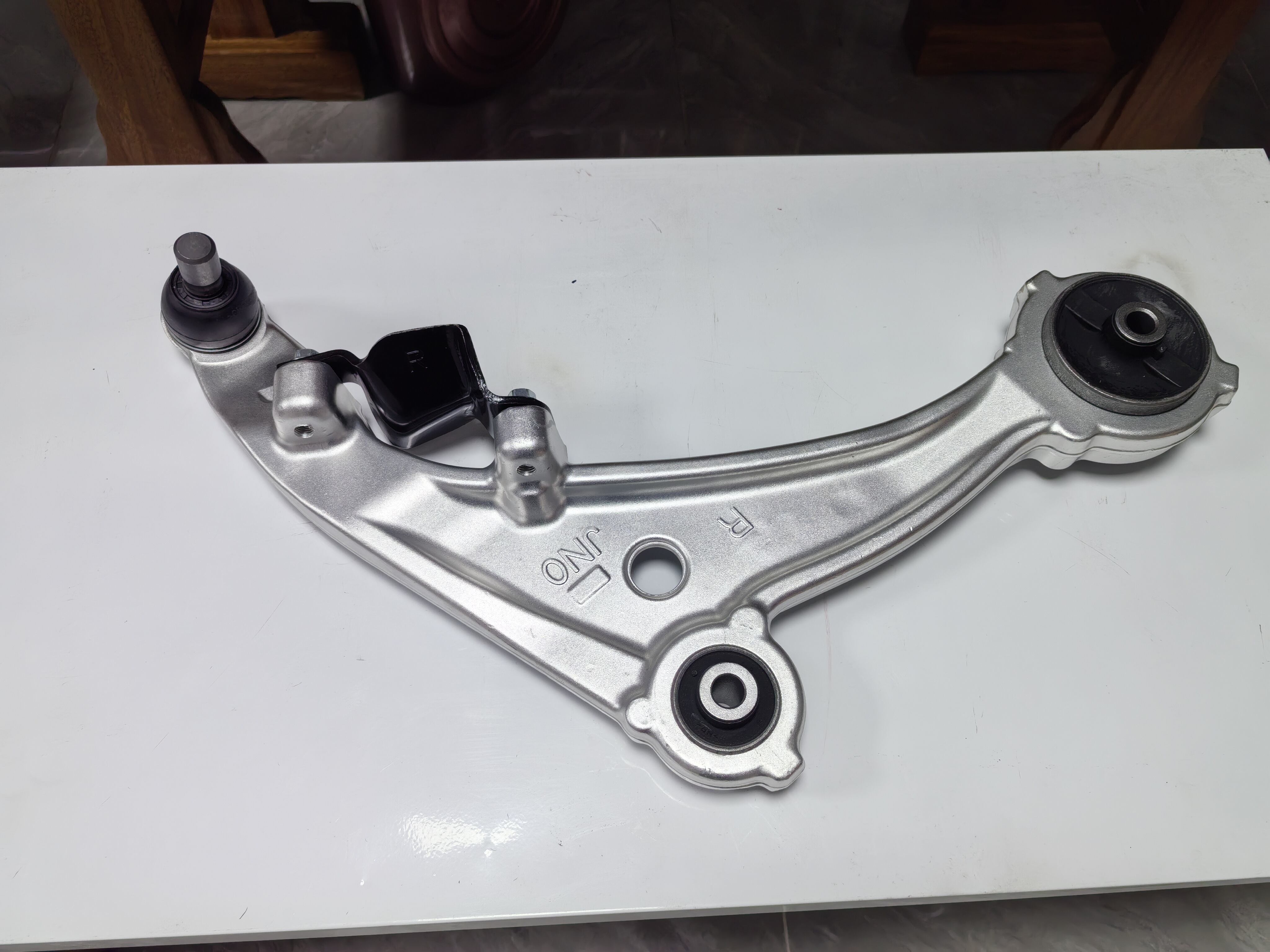
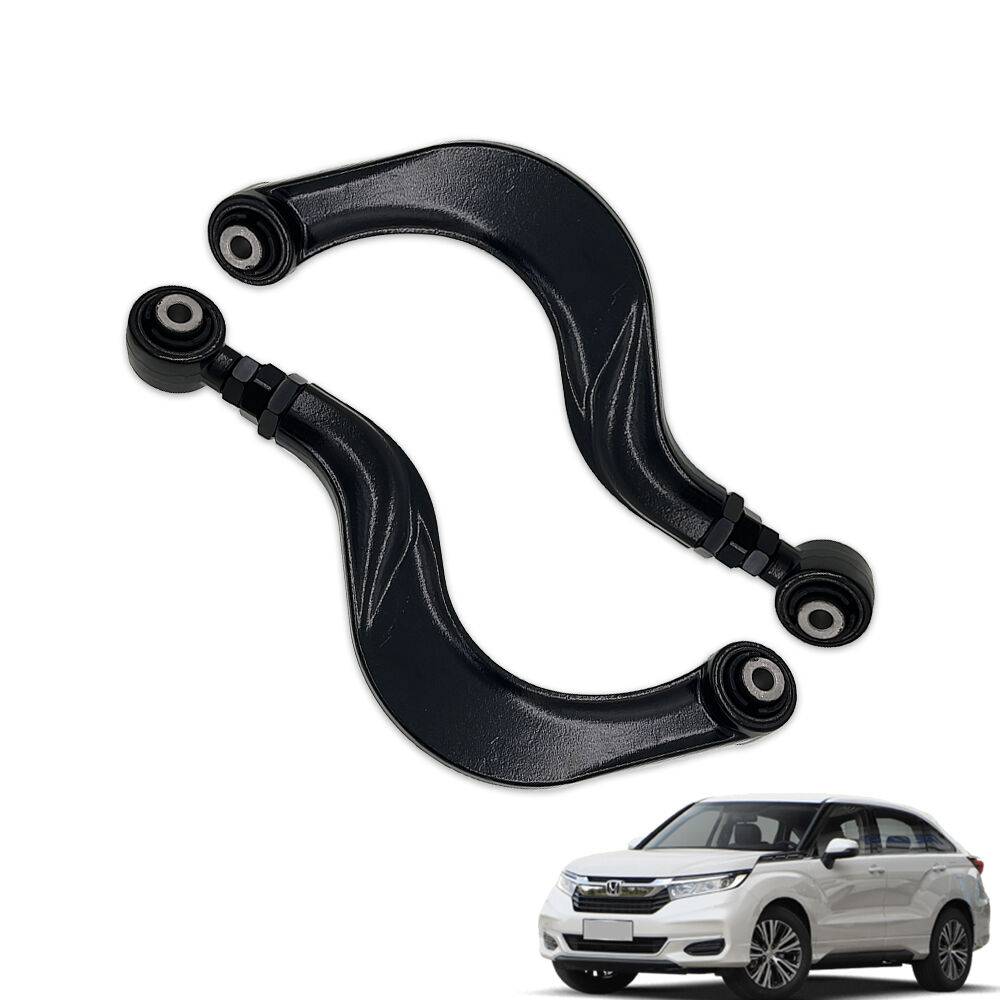
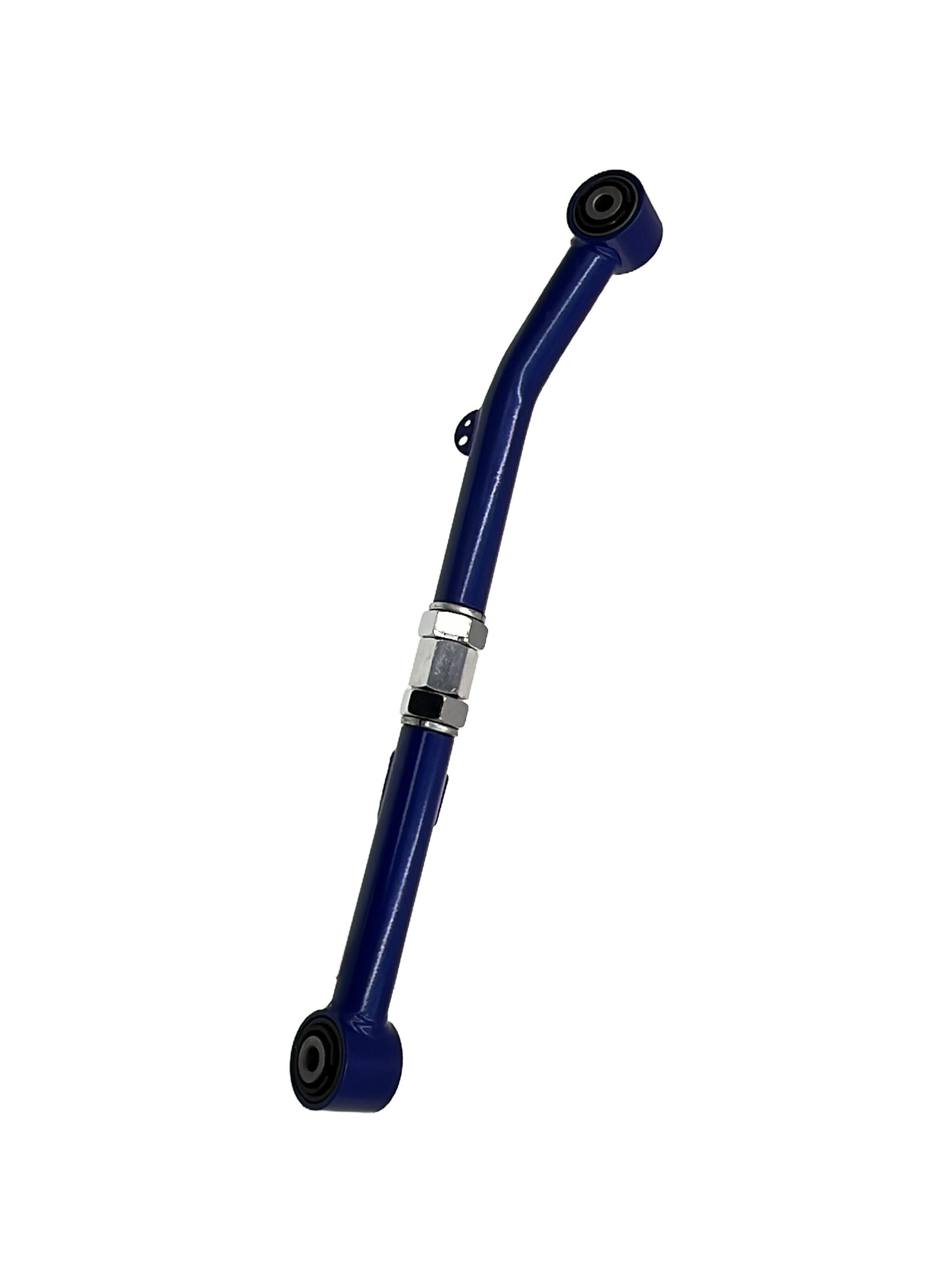
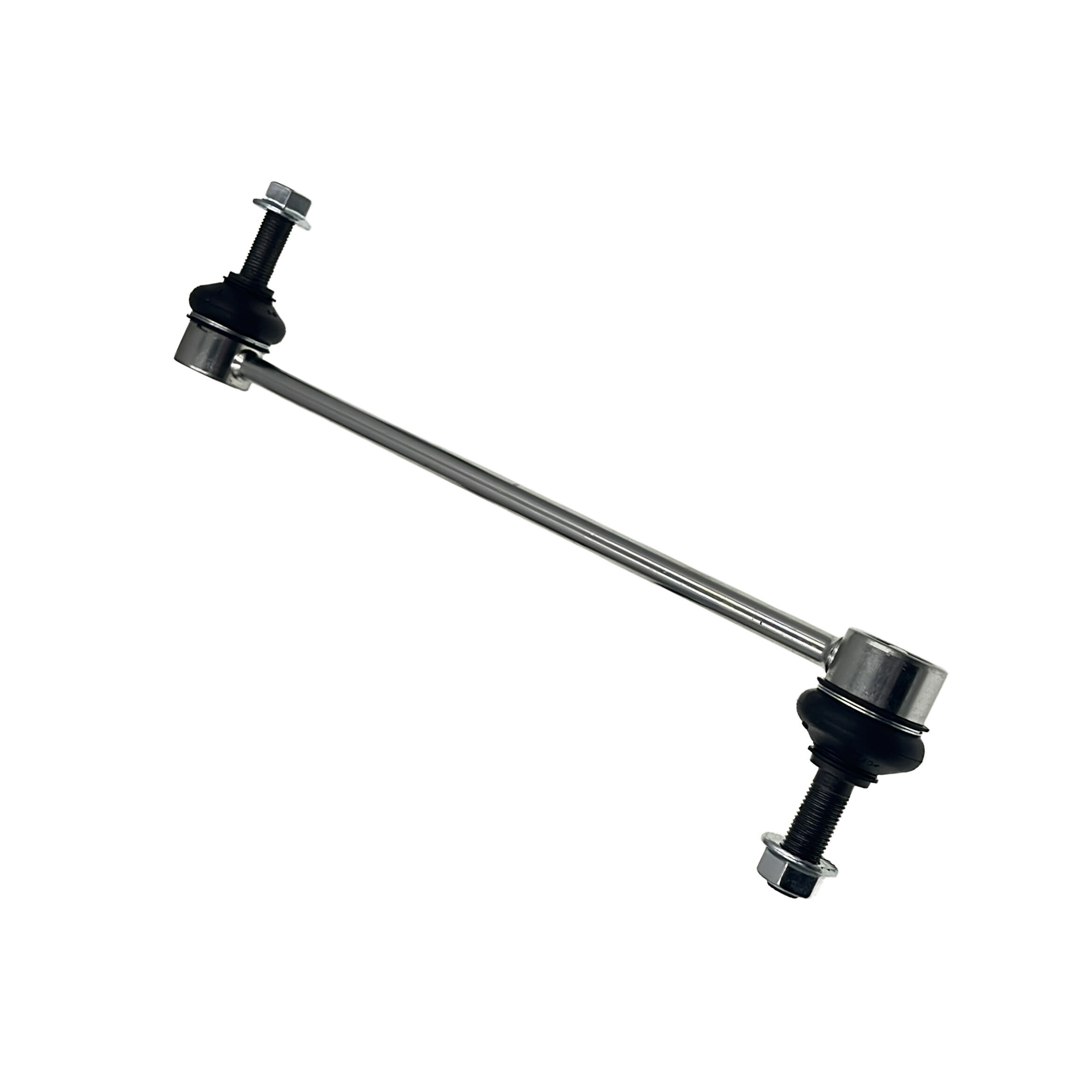
Front suspension chassis parts represent the critical foundation of vehicle handling, comfort, and safety systems. These essential components work together to connect the vehicle's body to the front wheels while managing road forces, vibrations, and steering inputs. The front suspension chassis parts include control arms, ball joints, tie rods, sway bar links, strut mounts, bushings, and various mounting brackets that form an integrated system. Each component serves specific functions in maintaining proper wheel alignment, absorbing road shocks, and enabling precise steering control. Control arms provide the primary connection between the chassis and wheel assemblies, allowing vertical movement while maintaining lateral stability. Ball joints serve as pivot points that enable steering movement and vertical suspension travel simultaneously. Tie rods transmit steering input from the steering gear to the wheels, ensuring responsive directional control. Sway bar links connect the anti-roll bar to the suspension, reducing body roll during cornering. Strut mounts isolate the cabin from road noise and vibrations while supporting the strut assembly. Bushings throughout the system provide cushioning and reduce metal-to-metal contact, extending component life and improving ride quality. Modern front suspension chassis parts incorporate advanced materials like high-strength steel alloys, aluminum, and engineered plastics to optimize weight, durability, and performance. Manufacturing techniques include precision forging, CNC machining, and advanced coating processes that enhance corrosion resistance and dimensional accuracy. Quality control measures ensure each component meets strict tolerances and safety standards. These parts find applications across passenger vehicles, light trucks, SUVs, and commercial vehicles, with specialized designs for different vehicle classes and performance requirements. Regular maintenance and timely replacement of worn front suspension chassis parts ensure optimal vehicle performance, safety, and driving comfort throughout the vehicle's service life.


New Product Releases

Front suspension chassis parts deliver numerous practical benefits that directly impact your driving experience and vehicle ownership costs. These components significantly enhance ride comfort by effectively absorbing road imperfections, bumps, and vibrations before they reach the passenger cabin. Your daily commute becomes noticeably smoother when quality front suspension chassis parts work properly, reducing fatigue during long drives and improving overall passenger comfort. Vehicle handling improves dramatically with well-maintained front suspension chassis parts, providing better steering response and increased control during cornering, braking, and emergency maneuvers. This enhanced control translates to increased driver confidence and improved safety margins in various driving conditions. Proper front suspension chassis parts maintain optimal tire contact with the road surface, ensuring maximum traction for acceleration, braking, and cornering. This improved road contact extends tire life by preventing irregular wear patterns that occur when suspension components become worn or damaged. Cost savings represent another significant advantage, as maintaining front suspension chassis parts prevents more expensive repairs to related systems like tires, steering components, and wheel bearings. Early replacement of worn parts costs far less than dealing with cascade failures that can damage multiple systems simultaneously. Safety benefits cannot be overstated, as properly functioning front suspension chassis parts ensure predictable vehicle behavior during emergency situations. These components maintain proper wheel alignment and steering geometry, preventing dangerous handling characteristics that could lead to accidents. Fuel efficiency improves when front suspension chassis parts operate correctly, as proper wheel alignment reduces rolling resistance and eliminates drag caused by misaligned wheels. Modern front suspension chassis parts offer extended service life through improved materials and manufacturing processes, reducing replacement frequency and associated labor costs. Installation has become more straightforward with standardized designs and better documentation, making maintenance more accessible and cost-effective. Performance enthusiasts benefit from aftermarket front suspension chassis parts that offer adjustability and enhanced characteristics for specific driving styles or conditions. The reliability of modern front suspension chassis parts provides peace of mind for vehicle owners, knowing that these critical safety components will perform consistently over extended periods. Quality front suspension chassis parts maintain their performance characteristics across various temperature ranges and environmental conditions, ensuring consistent operation regardless of climate or driving conditions.

Latest News

Understanding Rear Toe Arm Impact on Stability

18

Sep

Understanding Rear Toe Arm Impact on Stability

The Critical Role of Suspension Geometry in Vehicle Performance When it comes to automotive engineering, few components play as vital a role in vehicle handling and stability as the rear toe arm. This crucial suspension element helps maintain proper ...
View More
Adjustable Camber Arms: Precision in Alignment

24

Sep

Adjustable Camber Arms: Precision in Alignment

Understanding Vehicle Suspension Geometry and Control Vehicle performance enthusiasts and professional mechanics alike recognize the critical role that suspension geometry plays in achieving optimal handling and tire wear. At the heart of this precis...
View More
Implementing a Performance Rear Toe Arm Upgrade

27

Nov

Implementing a Performance Rear Toe Arm Upgrade

Performance enthusiasts and automotive professionals increasingly recognize the critical role that suspension geometry plays in vehicle dynamics and handling characteristics. Among the various suspension components that can be upgraded to enhance per...
View More
Maximizing Value from Your Rear Toe Arm Investment

27

Nov

Maximizing Value from Your Rear Toe Arm Investment

Vehicle suspension systems represent one of the most critical aspects of automotive performance, safety, and handling characteristics. Among the various components that contribute to optimal suspension geometry, the rear toe arm stands as a pivotal e...
View More

Get a Free Quote

Our representative will contact you soon.
Email
Name
Company Name
Message
0/1000

front suspension chassis parts

Superior Durability and Longevity Engineering

Superior Durability and Longevity Engineering

Modern front suspension chassis parts incorporate cutting-edge materials science and manufacturing techniques that deliver exceptional durability and extended service life. Advanced metallurgy processes create components with enhanced fatigue resistance, enabling them to withstand millions of loading cycles without failure. High-strength steel alloys used in control arms and mounting brackets undergo specialized heat treatment processes that optimize their molecular structure for maximum strength-to-weight ratios. Precision forging techniques eliminate internal voids and grain boundaries that could become failure points under stress, resulting in components that exceed original equipment specifications for reliability. Corrosion protection systems include multi-layer coating processes that provide superior resistance to salt, moisture, and environmental contaminants that typically cause premature component failure. Advanced polymer bushings replace traditional rubber components, offering superior resistance to ozone, chemicals, and temperature extremes while maintaining their elastic properties over extended periods. Quality control measures during manufacturing include comprehensive testing protocols that verify dimensional accuracy, material properties, and performance characteristics before components leave the factory. Field testing programs expose front suspension chassis parts to accelerated aging conditions that simulate years of real-world use, ensuring they maintain their performance specifications throughout their intended service life. The engineering philosophy behind these components prioritizes preventive durability, incorporating safety margins that accommodate varying driving styles, vehicle loads, and environmental conditions. Investment in quality front suspension chassis parts reduces long-term ownership costs by eliminating premature failures that lead to unexpected repair expenses and potential safety hazards. The superior durability of these components provides vehicle owners with confidence in their investment, knowing that proper maintenance will deliver reliable performance for many years of service.
Precision Performance and Handling Enhancement

Precision Performance and Handling Enhancement

Front suspension chassis parts engineered for precision performance transform vehicle handling characteristics through advanced geometry optimization and manufacturing accuracy. Computer-aided design processes ensure that each component maintains exact dimensional specifications that preserve proper suspension geometry throughout the vehicle's service life. Precision manufacturing tolerances eliminate play and looseness that compromise steering feel and vehicle responsiveness, delivering crisp, immediate response to driver inputs. Advanced ball joint designs incorporate low-friction materials and optimized bearing surfaces that maintain smooth operation while eliminating binding or sticking that could affect steering precision. Control arm geometry receives careful optimization to maintain proper camber, caster, and toe angles throughout suspension travel, ensuring consistent tire contact patches that maximize grip and handling performance. Weight distribution considerations influence component design, with strategic material placement that optimizes unsprung weight for improved suspension responsiveness and tire control. Engineering analysis includes finite element modeling that identifies stress concentrations and optimizes component shapes for maximum strength with minimum weight penalties. Performance testing validates theoretical calculations through real-world evaluation programs that measure handling improvements in controlled conditions. The precision engineering of front suspension chassis parts enables aftermarket tuning options that allow enthusiasts to customize their vehicle's handling characteristics for specific driving preferences or track conditions. Manufacturing quality control systems include coordinate measuring machines that verify dimensional accuracy to within thousandths of an inch, ensuring consistent performance across all production units. These precision-engineered components work synergistically to create handling improvements that enhance both daily driving comfort and performance driving capabilities, providing tangible benefits that drivers can immediately appreciate through improved vehicle control and responsiveness.
Advanced Safety and Reliability Systems Integration

Advanced Safety and Reliability Systems Integration

Front suspension chassis parts incorporate sophisticated safety engineering principles that prioritize occupant protection and vehicle stability under all operating conditions. Fail-safe design philosophies ensure that component degradation occurs gradually with clear warning signs rather than sudden catastrophic failure that could compromise vehicle control. Progressive wear indicators built into critical components provide visual or tactile feedback that alerts maintenance personnel to approaching service intervals before safety margins become compromised. Redundant load paths in critical components ensure that even if primary load-bearing elements begin to deteriorate, secondary structures can maintain basic functionality until repairs can be completed. Advanced materials testing programs validate component performance under extreme conditions that exceed normal operating parameters, ensuring adequate safety margins for emergency situations or unexpected loads. Integration with electronic stability systems requires precise mechanical performance from front suspension chassis parts to enable optimal function of anti-lock braking, traction control, and electronic stability programs. Crash safety considerations influence component design, with engineered deformation characteristics that help manage impact forces and maintain passenger compartment integrity during collision events. Quality assurance programs include batch testing protocols that verify consistent performance across production runs, ensuring that every component meets the same high standards for safety and reliability. Environmental durability testing exposes components to accelerated aging conditions that simulate decades of use in harsh climates, validating long-term safety performance under various environmental stressors. The safety-focused engineering of front suspension chassis parts extends beyond individual component performance to consider system-level interactions that affect overall vehicle stability and control. Comprehensive documentation and service information support proper installation and maintenance procedures that preserve the safety characteristics of these critical components throughout their service life, ensuring that vehicle owners can maintain optimal safety performance through proper care and timely replacement of worn components.

Get a Free Quote

Our representative will contact you soon.
Email
Name
Company Name
Message
0/1000