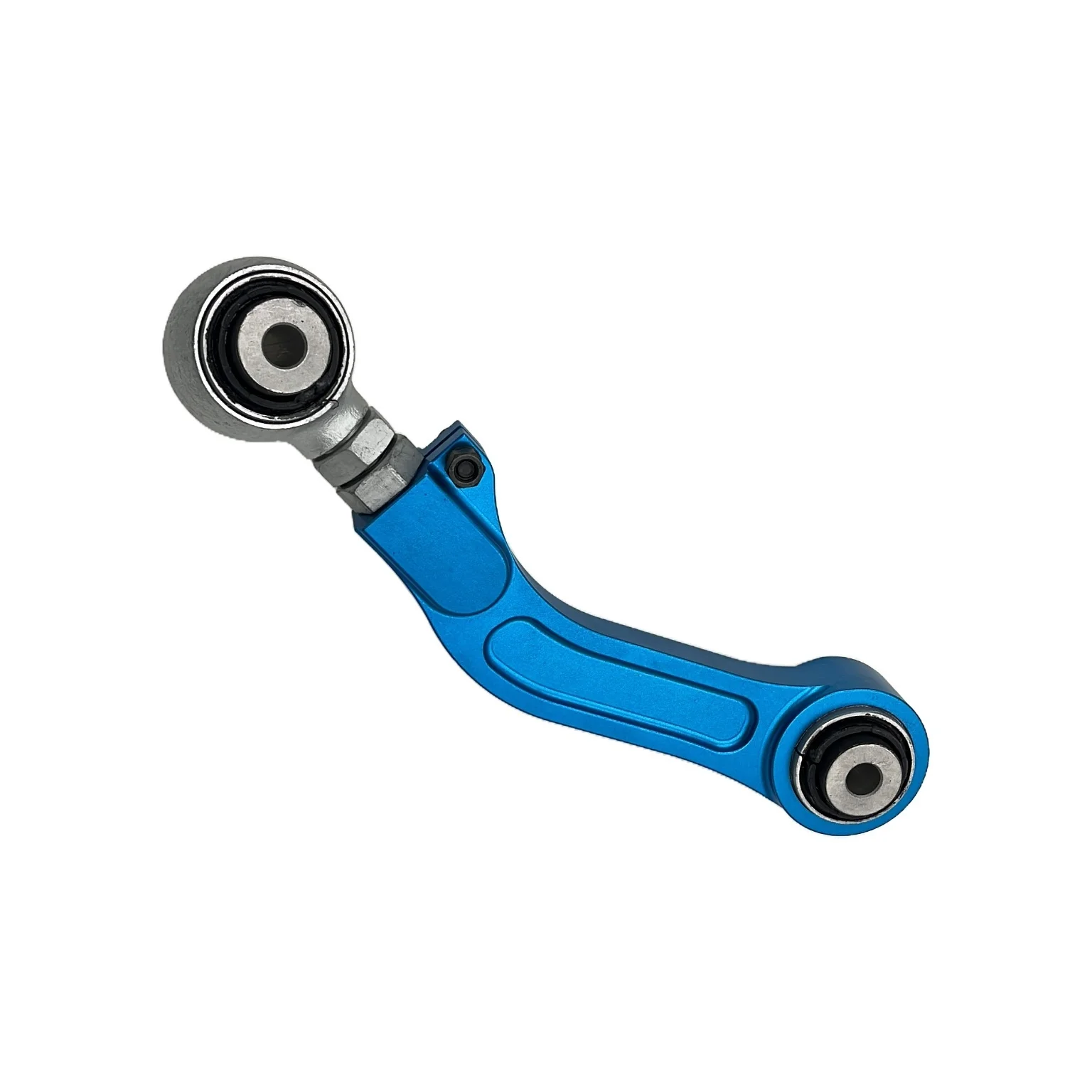
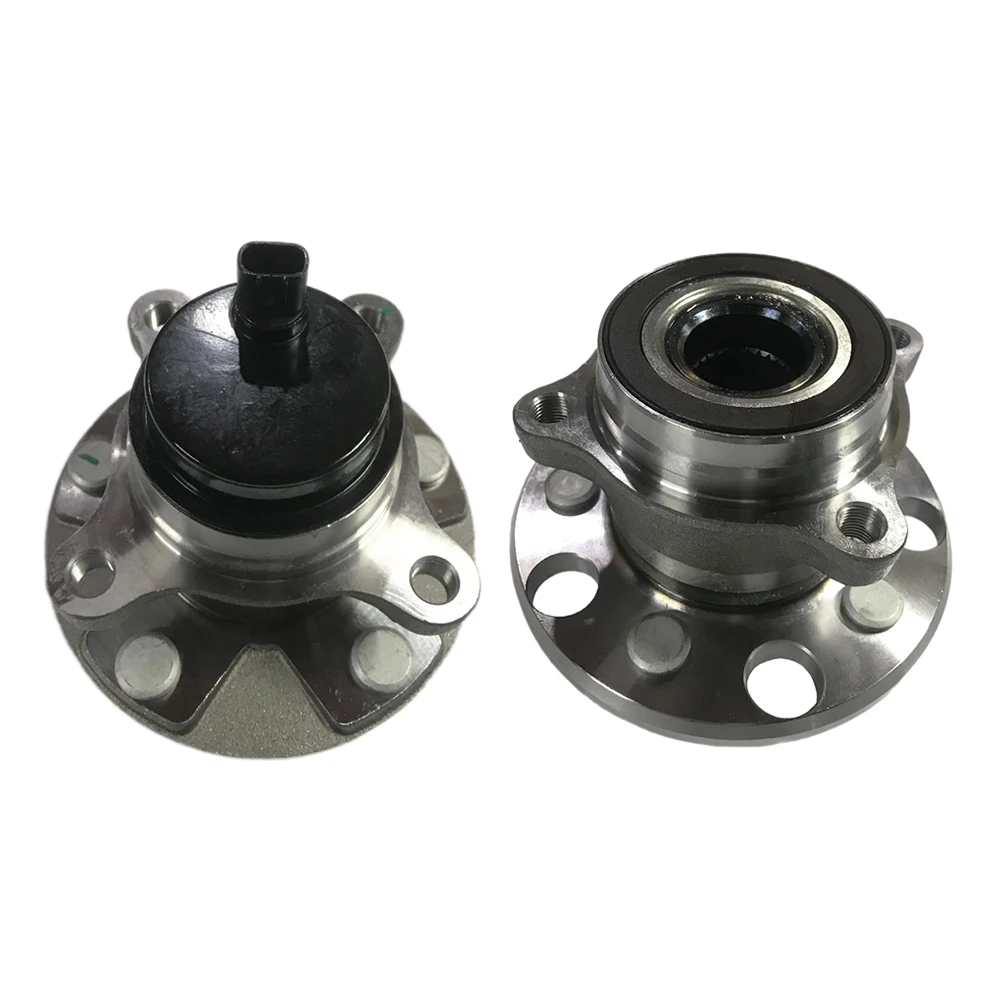
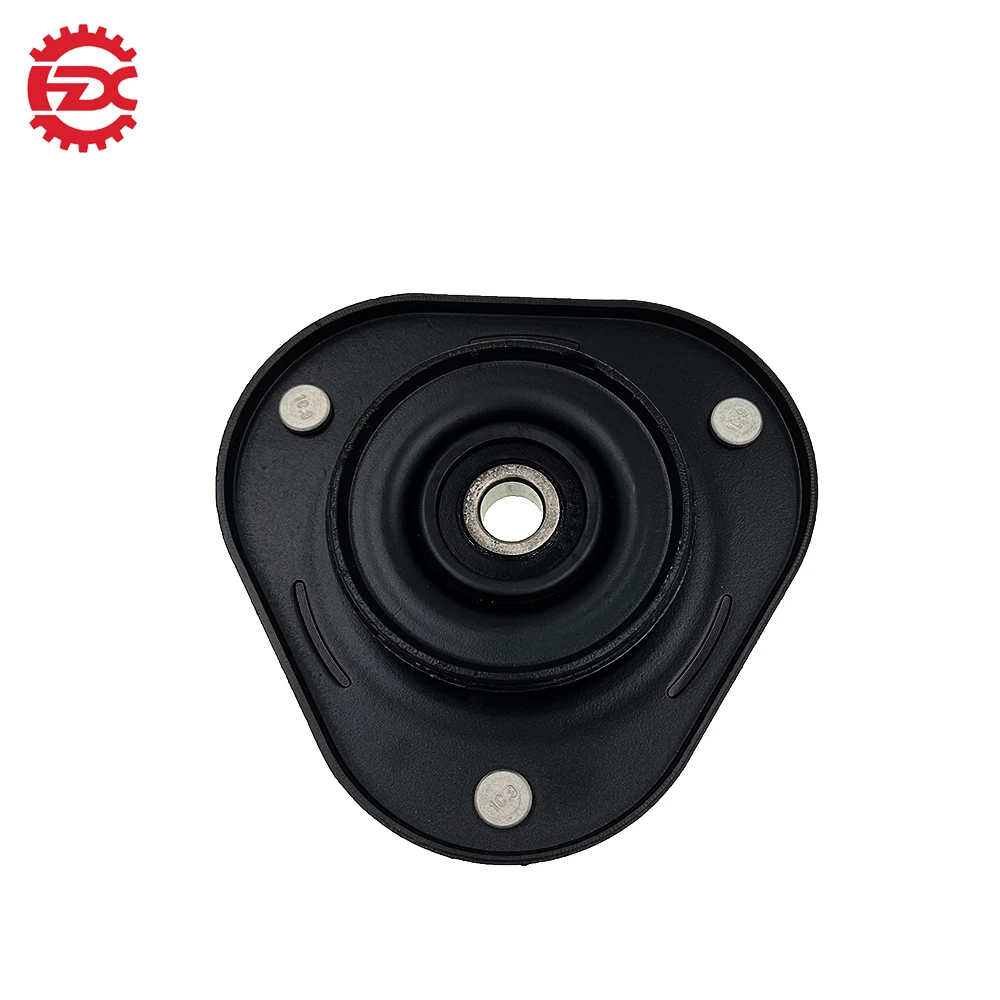
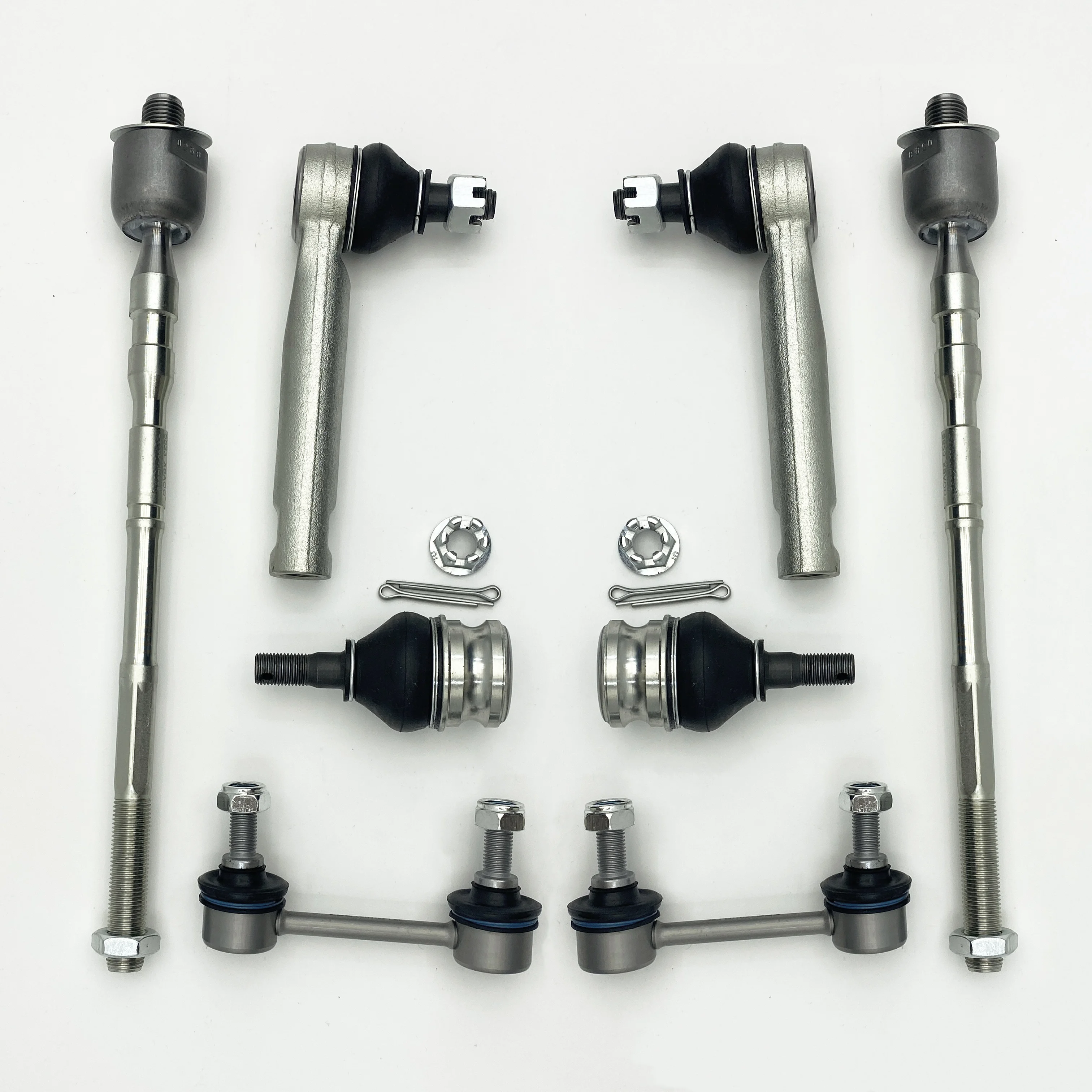
Premium Precision Chassis Parts: Advanced Engineering Solutions for Industrial Excellence

All Categories

Get a Free Quote

Our representative will contact you soon.
Email
Name
Company Name
Message
0/1000

precision chassis parts

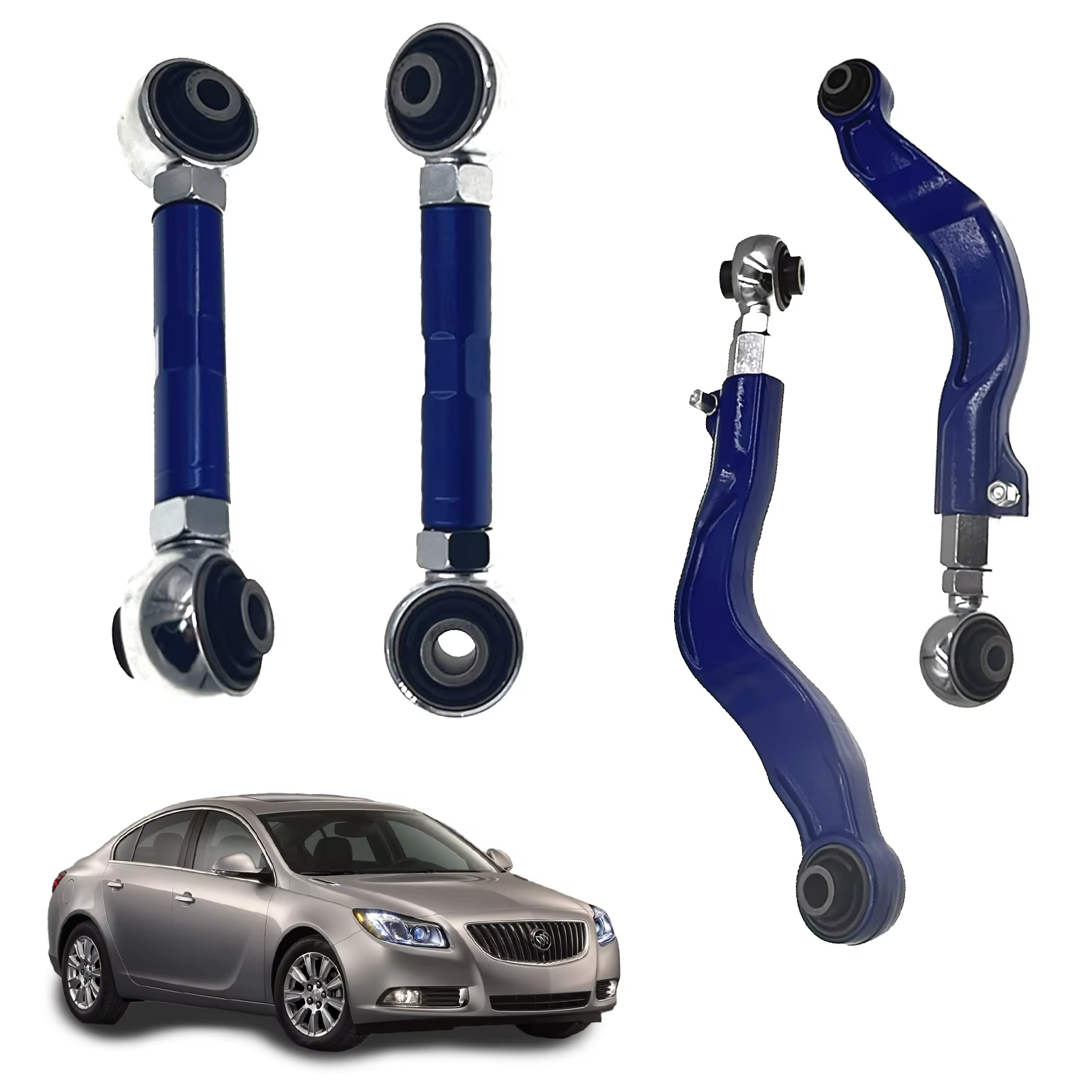
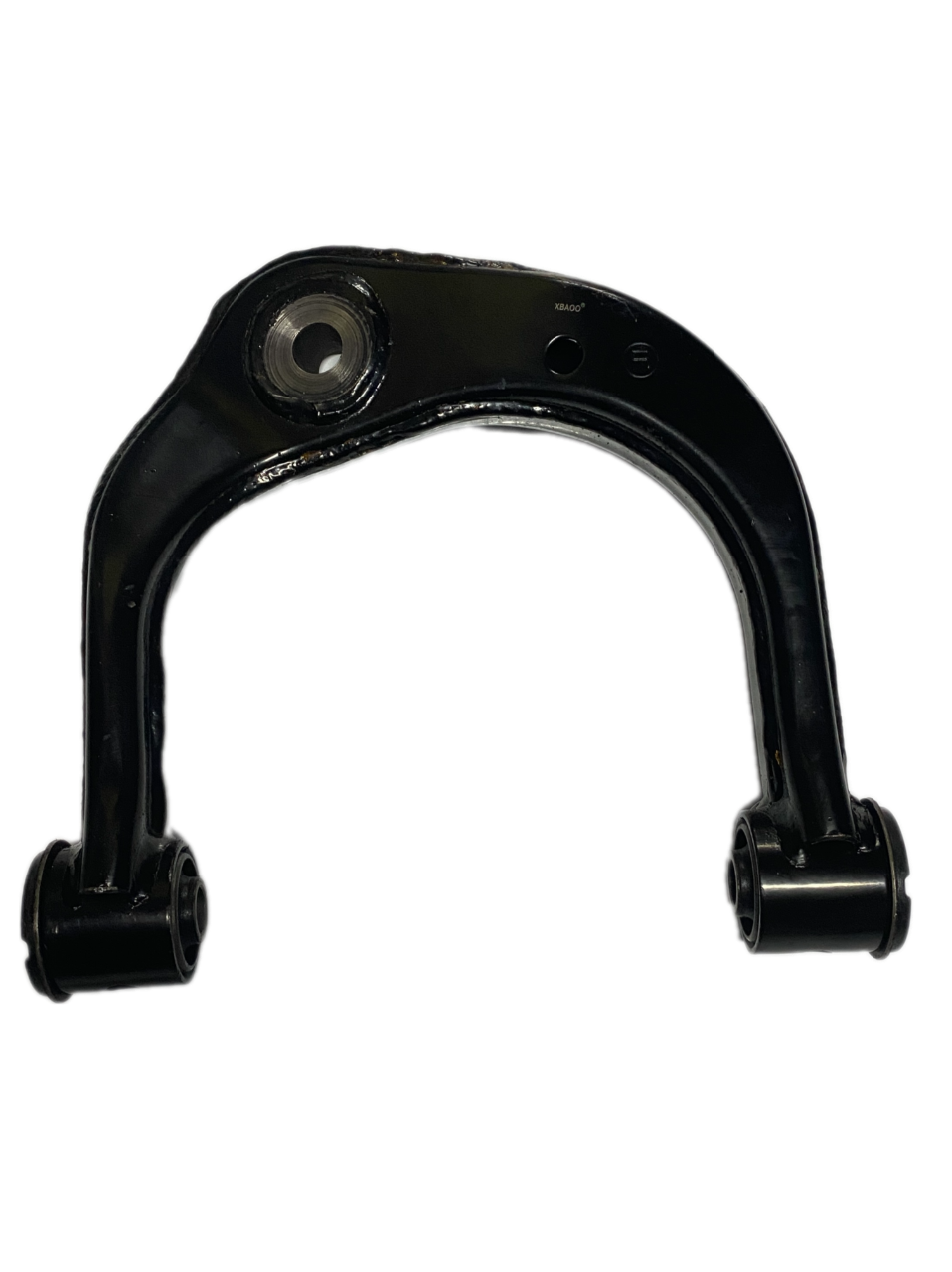
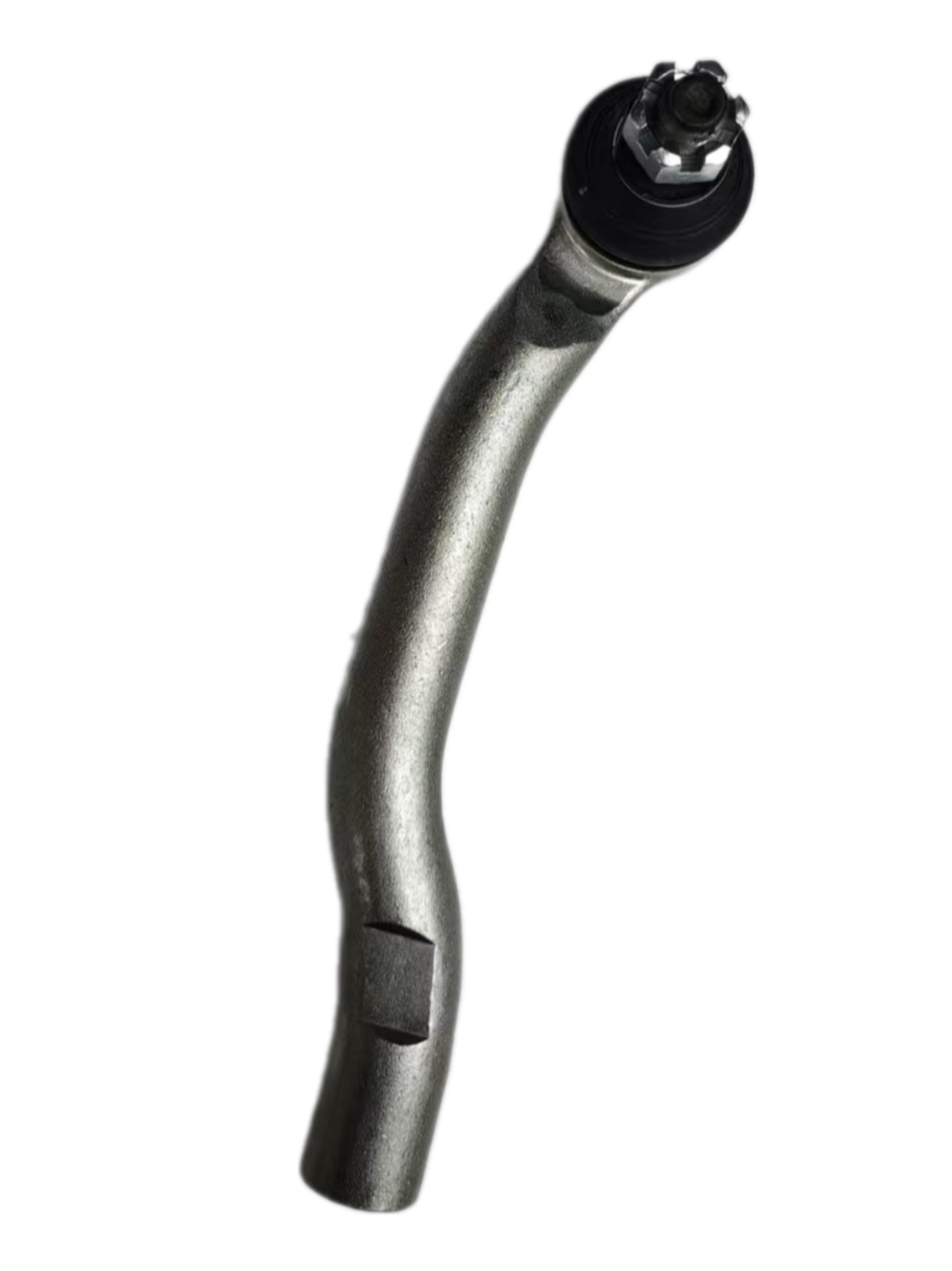
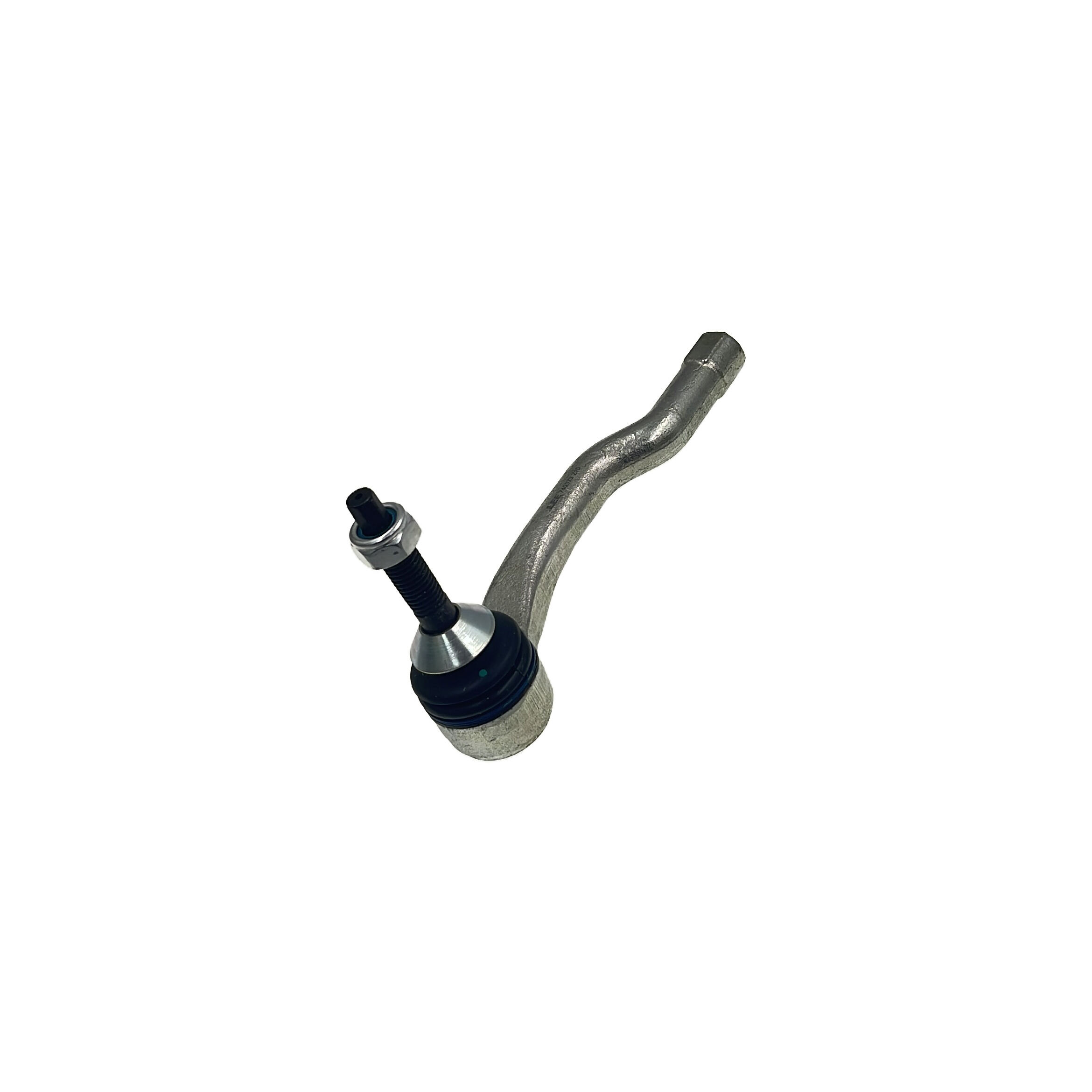
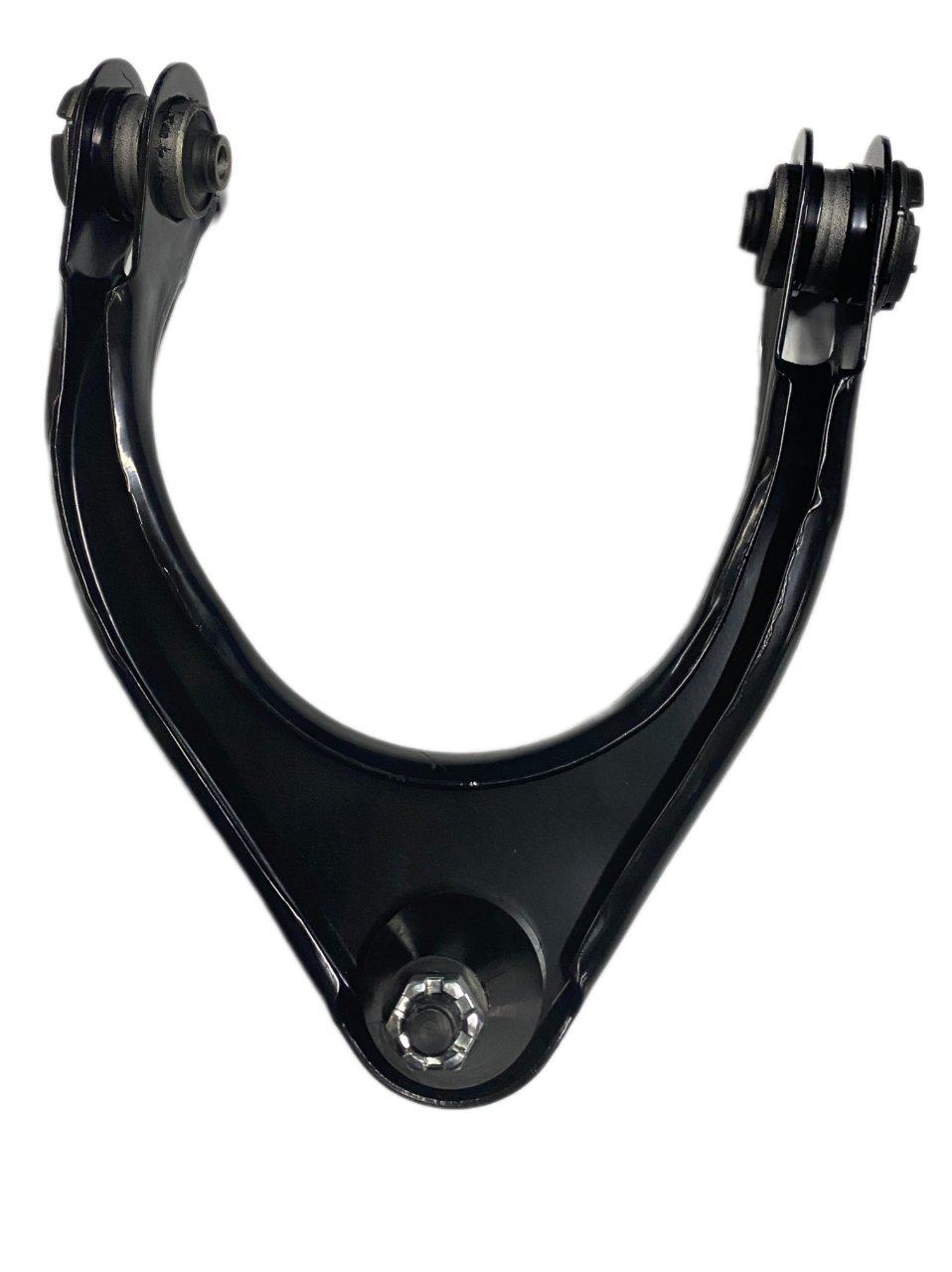
Precision chassis parts represent the backbone of modern manufacturing and engineering excellence, serving as critical components that provide structural integrity and operational stability across diverse industrial applications. These meticulously engineered components form the foundation upon which complex machinery, electronic systems, and mechanical assemblies operate with unparalleled accuracy and reliability. The primary function of precision chassis parts involves creating a rigid framework that supports and protects internal components while maintaining exact dimensional tolerances and alignment specifications. Manufacturing these components requires advanced CNC machining technologies, utilizing high-grade materials such as aluminum alloys, stainless steel, and specialized composites that ensure durability under extreme operating conditions. The technological features of precision chassis parts include exceptional dimensional accuracy, typically achieving tolerances within micrometers, surface finishes that meet stringent quality standards, and customizable designs that accommodate specific application requirements. These parts undergo rigorous quality control processes, including coordinate measuring machine inspections, material stress testing, and environmental resistance evaluations. Applications span numerous industries, from aerospace and defense systems where reliability is paramount, to medical equipment requiring sterile and precise operation, automotive manufacturing demanding consistent performance, and telecommunications infrastructure needing long-term stability. The versatility of precision chassis parts extends to robotics, semiconductor manufacturing equipment, laboratory instrumentation, and industrial automation systems. Each application benefits from the inherent stability, precise mounting capabilities, and thermal management properties that these components provide, ensuring optimal performance throughout their operational lifespan.


New Products

The advantages of precision chassis parts deliver substantial practical benefits that directly impact operational efficiency and cost-effectiveness for businesses across multiple sectors. Superior dimensional accuracy stands as the foremost advantage, eliminating the need for extensive adjustments during assembly processes and reducing manufacturing time significantly. This precision translates into consistent product quality, minimizing defects and reducing warranty claims that can damage brand reputation and profitability. The robust construction of these components ensures extended operational lifecycles, often exceeding standard industry expectations and providing exceptional return on investment. Companies benefit from reduced maintenance requirements, as precision chassis parts resist wear and deformation under normal operating conditions, leading to decreased downtime and lower maintenance costs. The modular design capabilities of these parts facilitate rapid prototyping and product development, allowing businesses to bring innovations to market faster than competitors using conventional alternatives. Thermal stability represents another crucial advantage, preventing dimensional changes that could compromise system performance in temperature-sensitive applications. This stability ensures consistent operation across varying environmental conditions, reducing the risk of costly system failures. The compatibility of precision chassis parts with standard mounting systems and interfaces streamlines integration processes, reducing engineering time and associated costs. Material selection options provide flexibility for specific applications, whether requiring corrosion resistance for marine environments, electromagnetic shielding for sensitive electronics, or lightweight construction for aerospace applications. The scalability of manufacturing processes for these parts enables both prototype quantities and high-volume production runs, supporting business growth without requiring significant infrastructure changes. Quality assurance protocols associated with precision chassis parts provide documentation and traceability that satisfy regulatory compliance requirements across industries. The customization capabilities allow businesses to optimize designs for specific applications, potentially eliminating the need for multiple components and simplifying supply chain management. These advantages combine to create comprehensive solutions that enhance operational reliability while reducing total cost of ownership.

Practical Tips

The Ultimate Guide to Choosing the Right Adjustable Control Arms for Your Car

30

Jul

The Ultimate Guide to Choosing the Right Adjustable Control Arms for Your Car

Why Suspension Precision Matters More Than Ever Performance upgrades have become increasingly popular among automotive enthusiasts and daily drivers alike. One of the most overlooked yet critical components in ensuring better handling, wheel alignm...
View More
Guide to Implementing a Performance Control Arms Upgrade

31

Jul

Guide to Implementing a Performance Control Arms Upgrade

Guide to Implementing a Performance Control Arms Upgrade Control arms are critical parts of a vehicle’s suspension system, linking the frame to the wheels and managing how the wheels move during acceleration, braking, and cornering. Stock contr...
View More
Camber Arms vs. Standard Solutions: Key Differences

27

Nov

Camber Arms vs. Standard Solutions: Key Differences

Vehicle suspension systems play a crucial role in determining driving performance, handling characteristics, and overall vehicle dynamics. Among the various suspension components that enthusiasts and professional mechanics consider for upgrades, camb...
View More
Advanced Camber Arms Techniques for Performance Gains

27

Nov

Advanced Camber Arms Techniques for Performance Gains

Precision suspension tuning represents the pinnacle of automotive performance enhancement, where every component plays a crucial role in achieving optimal handling characteristics. Among the most influential yet often overlooked components are camber...
View More

Get a Free Quote

Our representative will contact you soon.
Email
Name
Company Name
Message
0/1000

precision chassis parts

Unmatched Manufacturing Precision and Quality Control Standards

Unmatched Manufacturing Precision and Quality Control Standards

The manufacturing excellence of precision chassis parts sets industry benchmarks through advanced production methodologies and comprehensive quality assurance protocols. These components achieve dimensional tolerances that exceed conventional manufacturing capabilities, often maintaining accuracy within plus or minus 0.001 inches across complex geometries. The production process utilizes state-of-the-art CNC machining centers equipped with multi-axis capabilities, enabling the creation of intricate features and contours that would be impossible with traditional manufacturing methods. Temperature-controlled manufacturing environments ensure consistent material properties and dimensional stability throughout production cycles. Quality control procedures incorporate multiple inspection stages, beginning with incoming material verification using spectroscopic analysis to confirm alloy compositions and mechanical properties. During production, real-time monitoring systems track cutting forces, temperatures, and tool wear to maintain consistent surface finishes and dimensional accuracy. Coordinate measuring machines perform detailed inspections of critical dimensions, generating comprehensive reports that document compliance with engineering specifications. Surface roughness measurements ensure optimal mating surfaces for gaskets and seals, preventing leakage and ensuring proper component interfaces. The traceability systems implemented for precision chassis parts maintain complete records from raw material sourcing through final inspection, enabling rapid identification and resolution of any quality concerns. Statistical process control methods analyze production data to identify trends and implement preventive measures before quality issues arise. These comprehensive quality measures result in precision chassis parts that consistently meet or exceed customer expectations, reducing field failures and warranty claims. The investment in advanced manufacturing technology and quality systems translates directly into superior product performance and customer satisfaction, establishing long-term partnerships built on reliability and trust.
Exceptional Material Engineering and Durability Performance

Exceptional Material Engineering and Durability Performance

The material engineering excellence behind precision chassis parts delivers unparalleled durability and performance characteristics that withstand the most demanding operational environments. Material selection processes evaluate numerous factors including mechanical strength, corrosion resistance, thermal conductivity, and electromagnetic properties to identify optimal solutions for specific applications. High-strength aluminum alloys provide excellent strength-to-weight ratios while offering superior corrosion resistance and machinability, making them ideal for aerospace and automotive applications where weight reduction is critical. Stainless steel variants offer exceptional corrosion resistance and temperature stability for food processing, medical, and marine environments where cleanliness and longevity are paramount. Advanced composite materials combine the benefits of multiple base materials, creating hybrid solutions that optimize specific performance characteristics while maintaining cost-effectiveness. Heat treatment processes enhance material properties, increasing hardness and strength while maintaining dimensional stability across temperature variations. Surface treatment options include anodizing for aluminum parts, providing additional corrosion protection and improved wear resistance, while passivation treatments for stainless steel components enhance their natural corrosion resistance properties. The durability testing protocols for these materials include accelerated aging tests, salt spray exposure, thermal cycling, and mechanical stress evaluations that simulate years of operational use in compressed timeframes. Fatigue resistance testing ensures components maintain structural integrity under repeated loading cycles typical in industrial applications. The resulting precision chassis parts demonstrate exceptional longevity, often operating for decades without requiring replacement or significant maintenance. This durability translates into substantial cost savings for end users through reduced replacement costs, decreased maintenance requirements, and improved system availability. The comprehensive approach to material engineering ensures that precision chassis parts provide reliable performance throughout their extended operational lifecycles.
Versatile Design Flexibility and Custom Engineering Solutions

Versatile Design Flexibility and Custom Engineering Solutions

The design flexibility inherent in precision chassis parts enables custom engineering solutions that address unique application requirements while maintaining manufacturing efficiency and cost-effectiveness. Computer-aided design capabilities allow engineers to optimize component geometries for specific load distributions, thermal management requirements, and spatial constraints. Parametric modeling techniques enable rapid design iterations, allowing customers to evaluate multiple configuration options before finalizing specifications. The modular design approach facilitates the creation of standardized interfaces that simplify integration with existing systems while providing flexibility for future modifications or upgrades. Finite element analysis capabilities validate design concepts before manufacturing, ensuring optimal stress distribution and identifying potential failure modes before production begins. The customization process begins with comprehensive application analysis, examining operational requirements, environmental conditions, and performance objectives to develop tailored solutions. Design engineers collaborate closely with customers to understand specific challenges and develop innovative approaches that may not be achievable with standard commercial components. Manufacturing process optimization ensures that custom designs remain cost-effective even for moderate production quantities through efficient tooling strategies and production planning. The ability to incorporate multiple functions into single precision chassis parts reduces overall system complexity, part count, and assembly time while improving reliability through elimination of potential failure points. Surface feature integration allows the inclusion of mounting bosses, cooling fins, cable routing channels, and alignment features directly in the base component design. Material selection flexibility enables optimization for specific environmental conditions, electromagnetic requirements, or weight constraints without compromising structural integrity. Rapid prototyping capabilities accelerate development timelines, enabling physical validation of designs before committing to production tooling. The comprehensive design documentation provided with custom precision chassis parts includes detailed drawings, material specifications, inspection criteria, and assembly instructions that facilitate seamless integration into customer manufacturing processes. This design flexibility ensures that precision chassis parts provide optimal solutions for even the most challenging engineering applications.

Get a Free Quote

Our representative will contact you soon.
Email
Name
Company Name
Message
0/1000