Enhanced Durability Through Advanced Materials and Protective Coatings
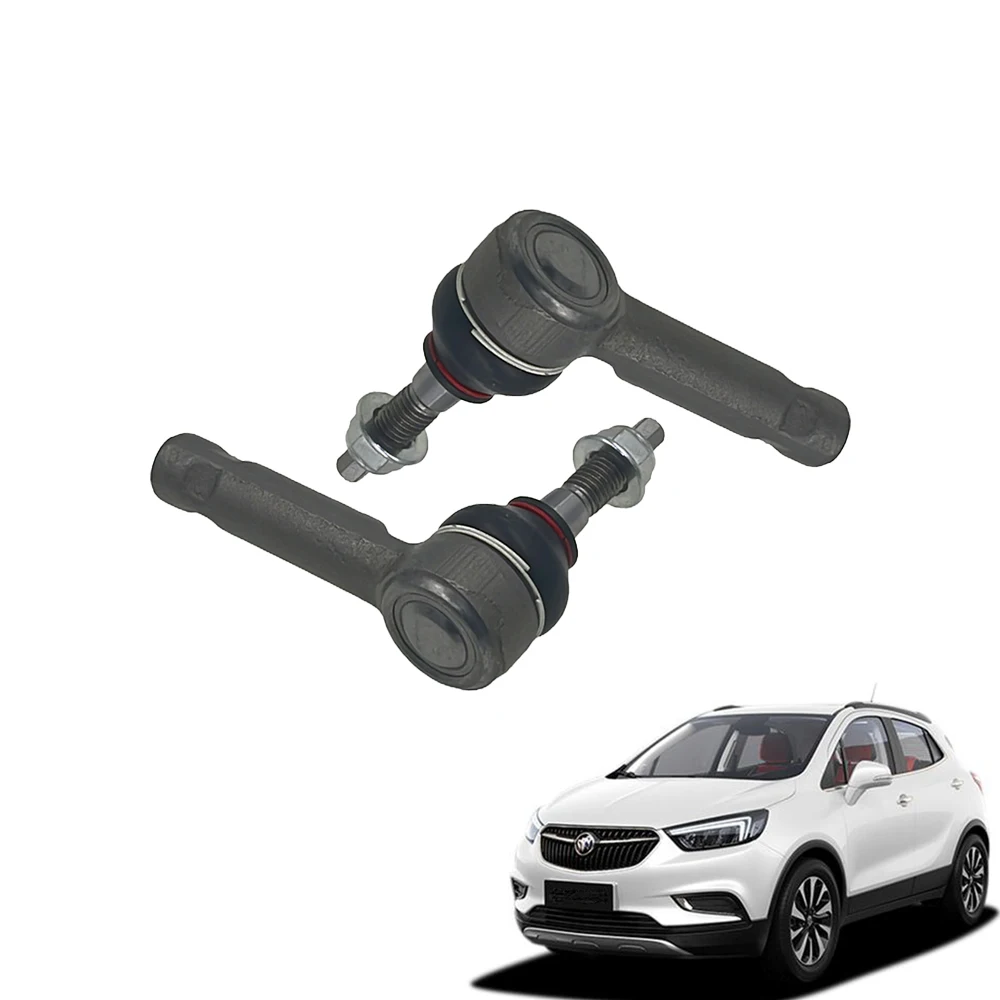
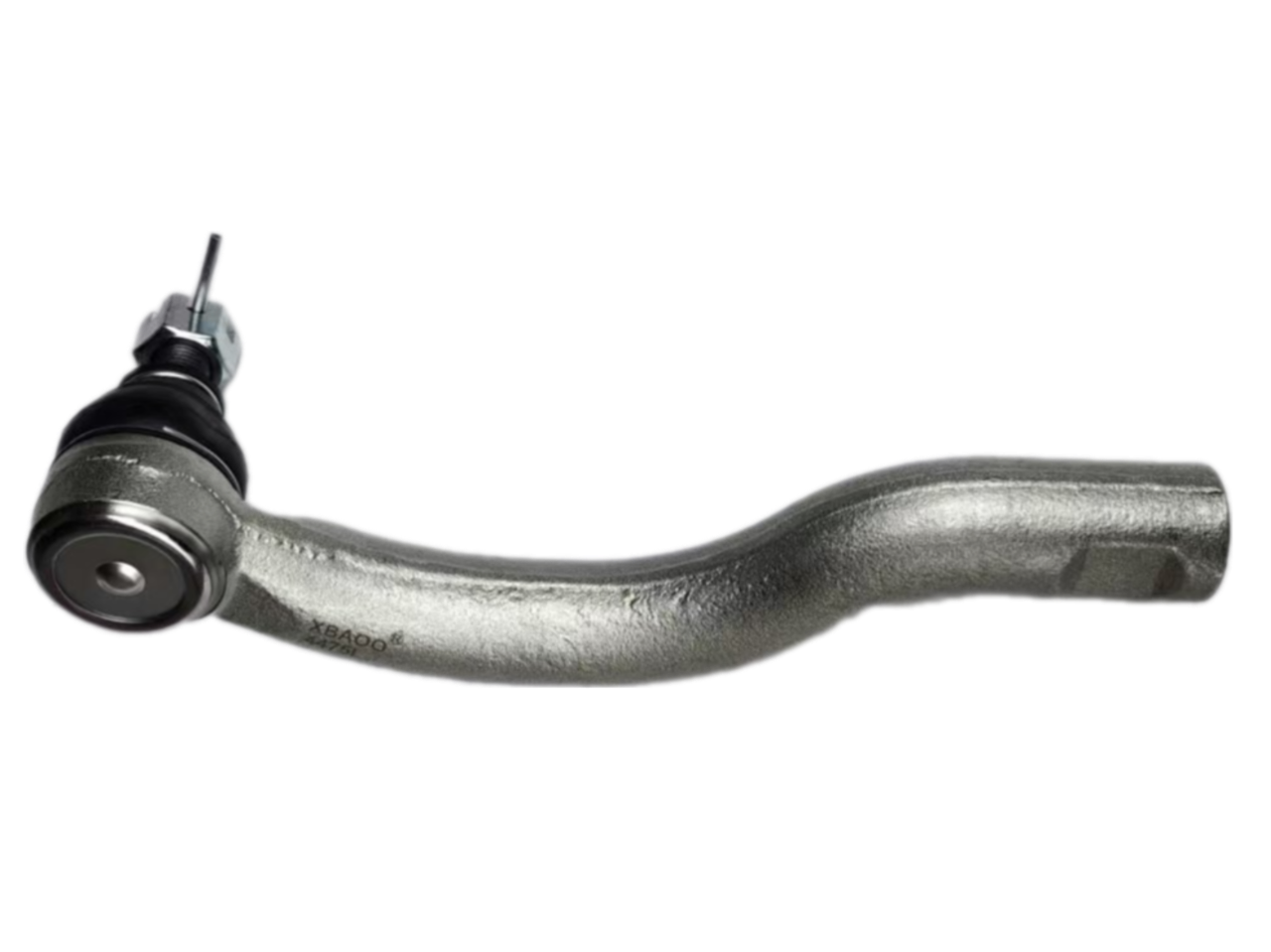
Auto tie rod ends achieve exceptional longevity through the implementation of advanced materials science and protective coating technologies that resist corrosion, wear, and environmental degradation. The component housing utilizes high-strength steel alloys specifically formulated for automotive suspension applications, incorporating elements such as chromium, nickel, and molybdenum to enhance hardness and corrosion resistance. These metallurgical advancements enable auto tie rod ends to withstand tremendous forces generated during steering operations while maintaining dimensional stability under varying load conditions. The protective coating system employs multiple layers of specialized treatments, beginning with phosphate conversion coatings that provide excellent paint adhesion and corrosion protection at the molecular level. Subsequently applied powder coating or electroplating processes create durable barrier layers that resist salt spray, chemical exposure, and mechanical abrasion common in automotive environments. The ball stud component receives particular attention through induction hardening processes that create wear-resistant surfaces while maintaining core toughness necessary for impact resistance. Quality testing procedures subject finished components to accelerated corrosion testing, thermal cycling, and mechanical stress evaluations that simulate years of real-world service conditions. The protective coating system demonstrates superior performance in standardized salt spray tests, often exceeding industry requirements by substantial margins while maintaining aesthetic appearance throughout extended service periods. Advanced seal materials resist degradation from petroleum products, road chemicals, and ozone exposure, ensuring that internal lubrication remains effective and contaminant-free. The manufacturing process incorporates statistical quality control methods that monitor coating thickness, adhesion strength, and coverage uniformity to guarantee consistent protection levels across all production units. Field testing programs validate durability claims through real-world vehicle installations in diverse geographic regions, confirming performance expectations under actual operating conditions including extreme temperatures, high humidity, and aggressive road salt applications.

 EN
EN