replacing stabilizer links
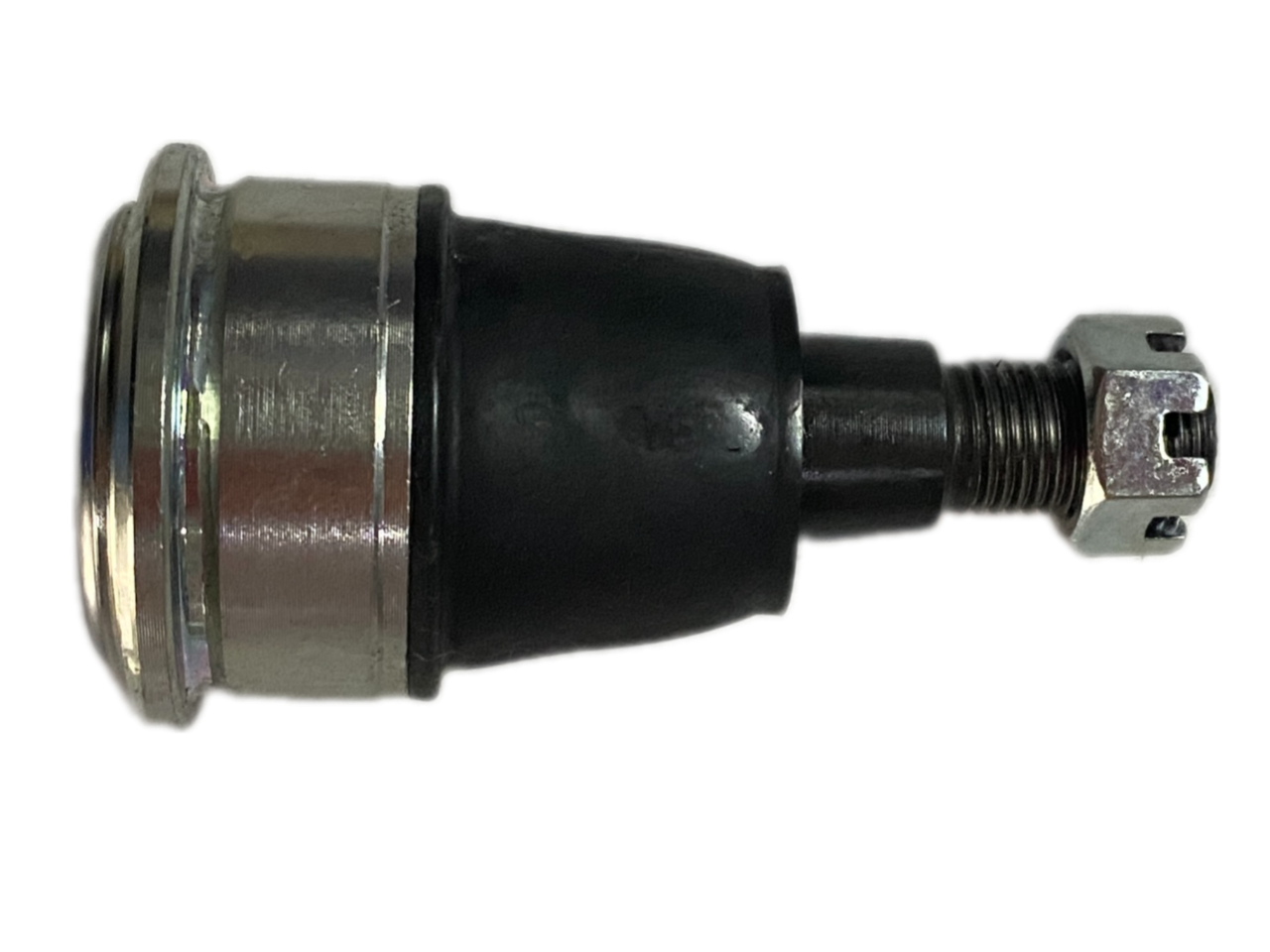
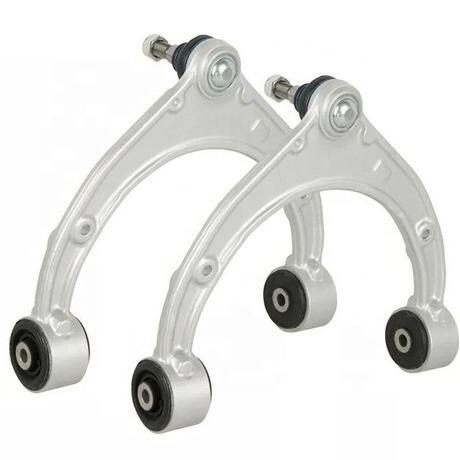
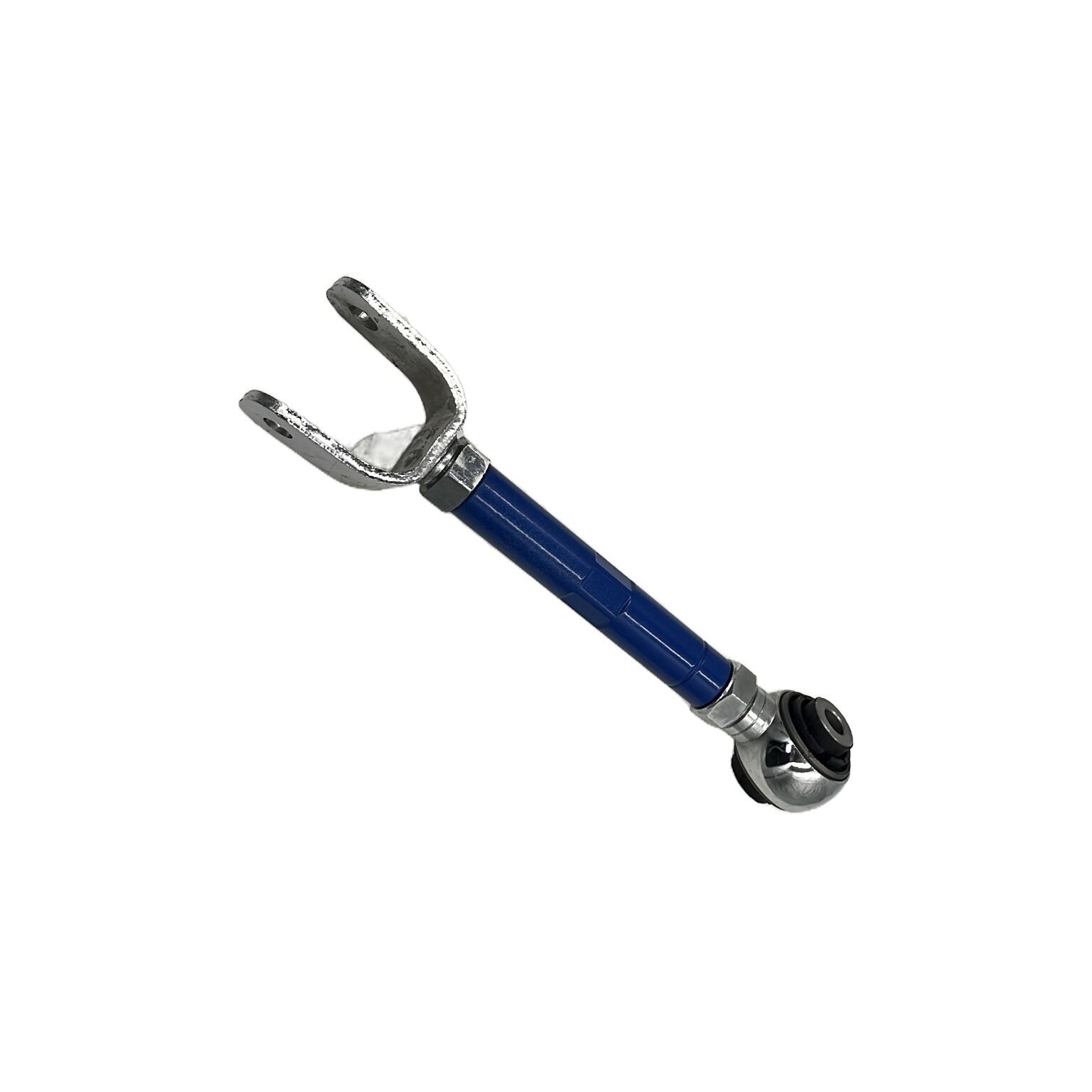
Replacing stabilizer links represents a crucial maintenance procedure that ensures optimal vehicle performance and safety. These essential suspension components, also known as sway bar links or anti-roll bar links, connect the stabilizer bar to the vehicle's suspension system. When replacing stabilizer links becomes necessary, understanding their fundamental role helps drivers appreciate their importance in maintaining vehicle stability and control. The primary function of stabilizer links involves transferring forces between the stabilizer bar and the suspension components, effectively reducing body roll during cornering and improving overall handling characteristics. Modern replacing stabilizer links incorporate advanced engineering designs that utilize high-strength materials and precision manufacturing techniques. These technological features include corrosion-resistant coatings, enhanced ball joint designs, and improved bushing materials that extend service life. The applications of replacing stabilizer links span across various vehicle types, from compact cars to heavy-duty trucks, with each application requiring specific engineering considerations. Professional technicians recommend replacing stabilizer links when symptoms such as clunking noises, excessive body roll, or uneven tire wear become apparent. The replacement process involves careful inspection of surrounding components, proper torque specifications, and alignment verification to ensure optimal performance. Quality replacing stabilizer links feature reinforced construction that withstands the demanding forces encountered during normal driving conditions. The technological advancement in replacing stabilizer links has led to improved designs that offer superior durability and performance compared to original equipment components. These enhancements include advanced metallurgy, precision machining, and quality control processes that ensure consistent performance across different operating conditions.
 EN
EN