stabiliser link rod
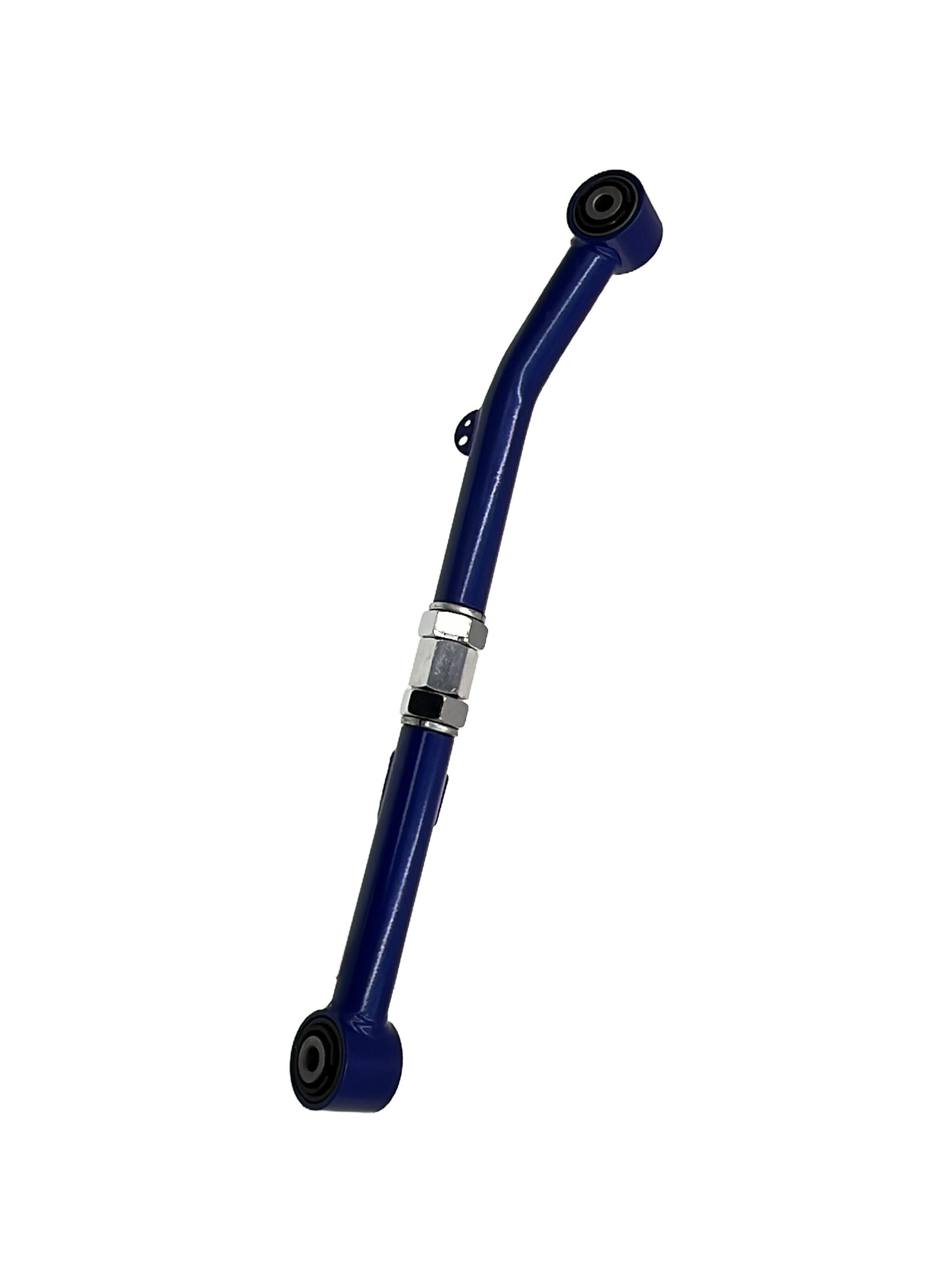
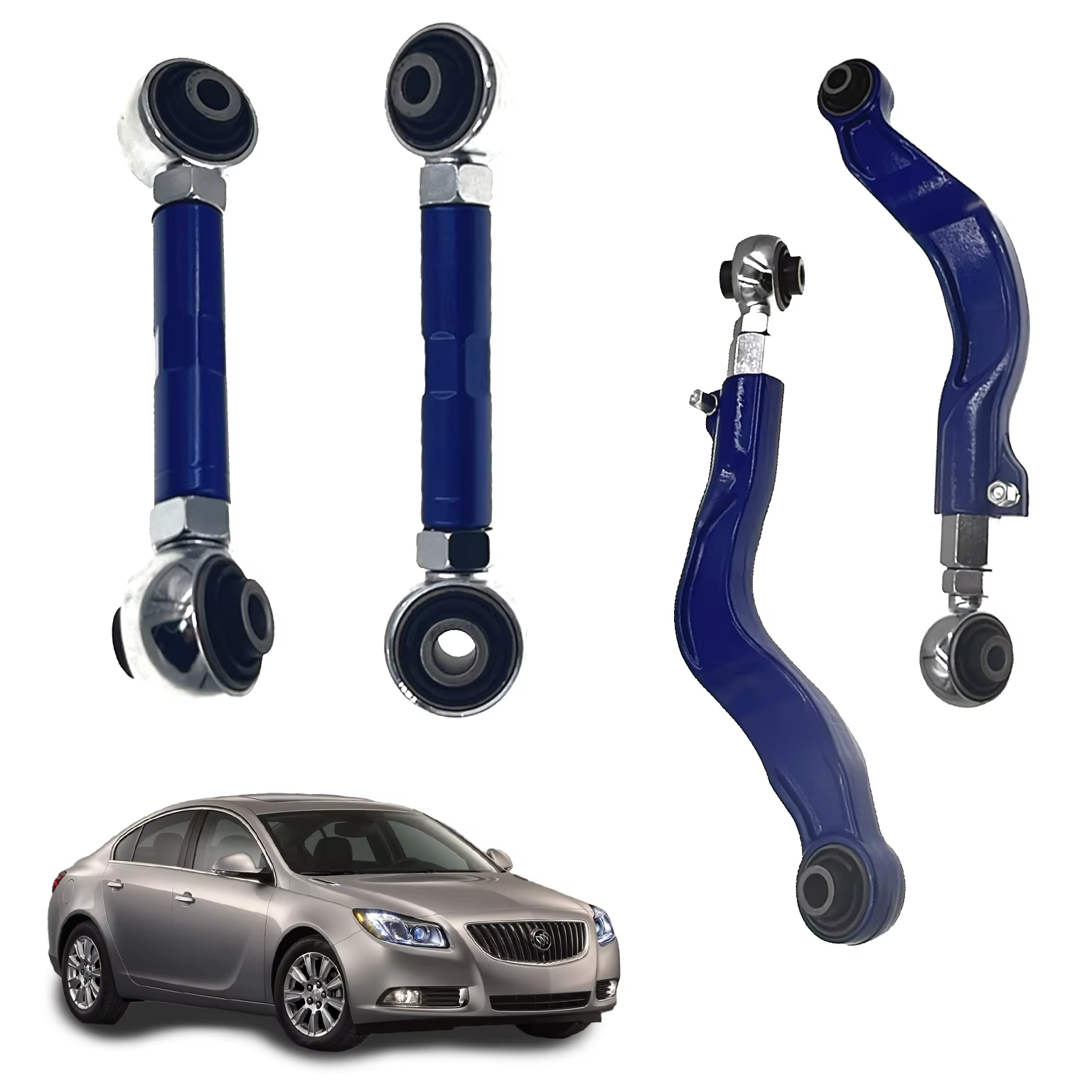
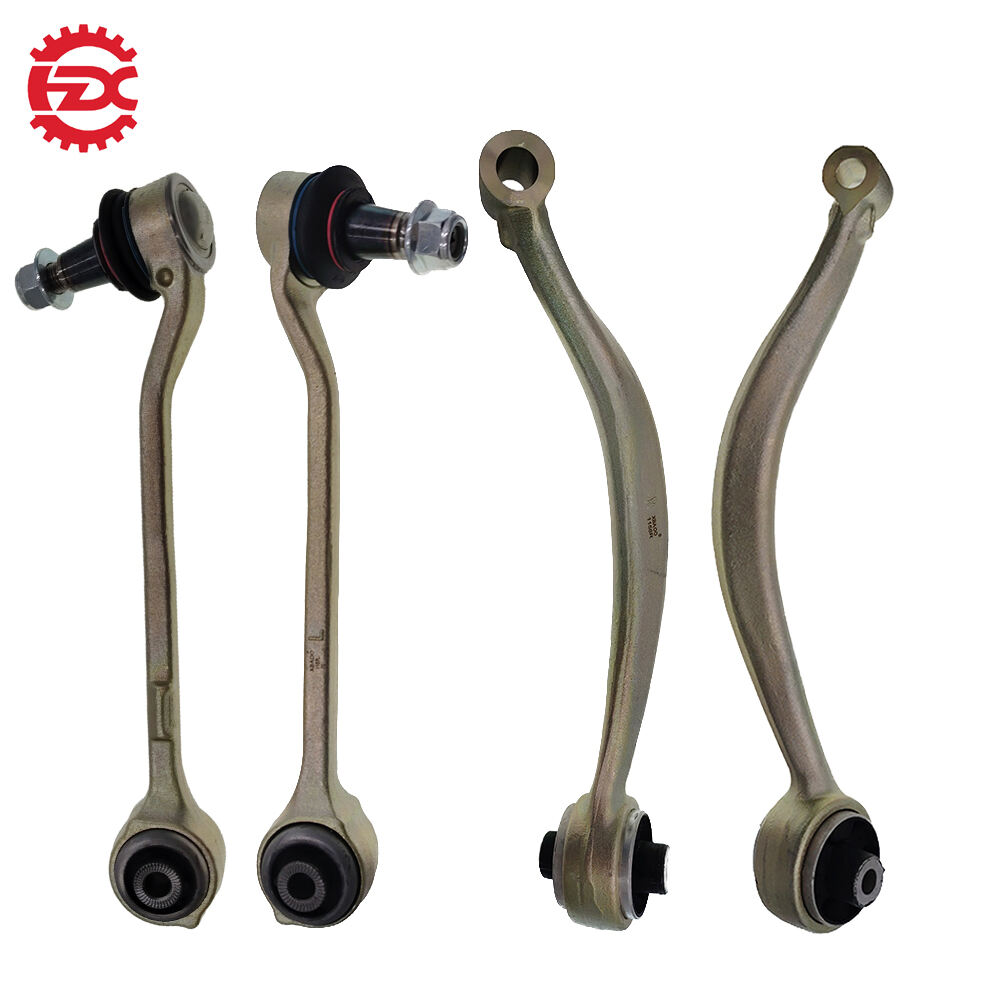
The stabiliser link rod serves as a crucial connecting component between a vehicle's stabiliser bar and the suspension system, playing a fundamental role in maintaining vehicle stability and ride comfort. This precision-engineered component transfers forces between the anti-roll bar and the suspension strut or control arm, ensuring optimal weight distribution during cornering and uneven road conditions. The stabiliser link rod consists of a robust metal rod with ball joints or rubber bushings at both ends, allowing for controlled movement while maintaining structural integrity. Its primary function involves reducing body roll when the vehicle navigates turns, providing drivers with enhanced control and passenger comfort. Modern stabiliser link rods incorporate advanced materials such as hardened steel alloys and corrosion-resistant coatings, ensuring long-lasting performance in various environmental conditions. The technological features of today's stabiliser link rod include precision-machined threads, sealed ball joints with protective boots, and specially formulated rubber bushings that resist wear and environmental degradation. These components undergo rigorous quality testing to meet automotive industry standards, including vibration resistance, load capacity, and durability assessments. Applications for the stabiliser link rod extend across passenger vehicles, commercial trucks, SUVs, and performance automobiles, with each application requiring specific engineering considerations. The component's design varies depending on vehicle weight, suspension geometry, and intended use, with heavy-duty versions featuring reinforced construction for commercial applications. Installation typically occurs at designated mounting points on the suspension system, where the stabiliser link rod creates a mechanical connection that allows controlled articulation while preventing excessive movement. Regular inspection and maintenance of the stabiliser link rod ensures optimal vehicle handling characteristics and prevents premature wear of related suspension components, making it an essential element in modern automotive engineering and vehicle safety systems.

 EN
EN