stabilizer end link
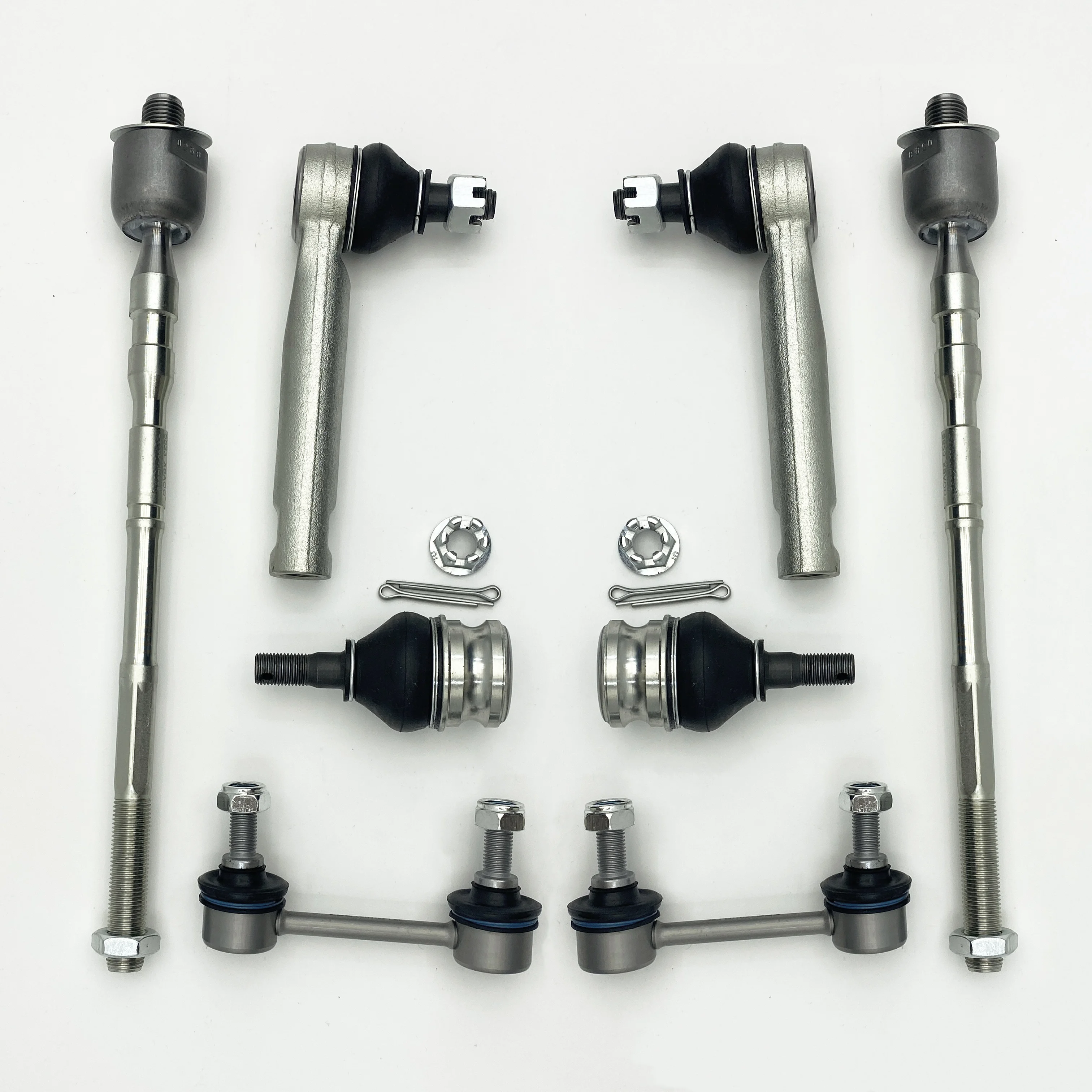
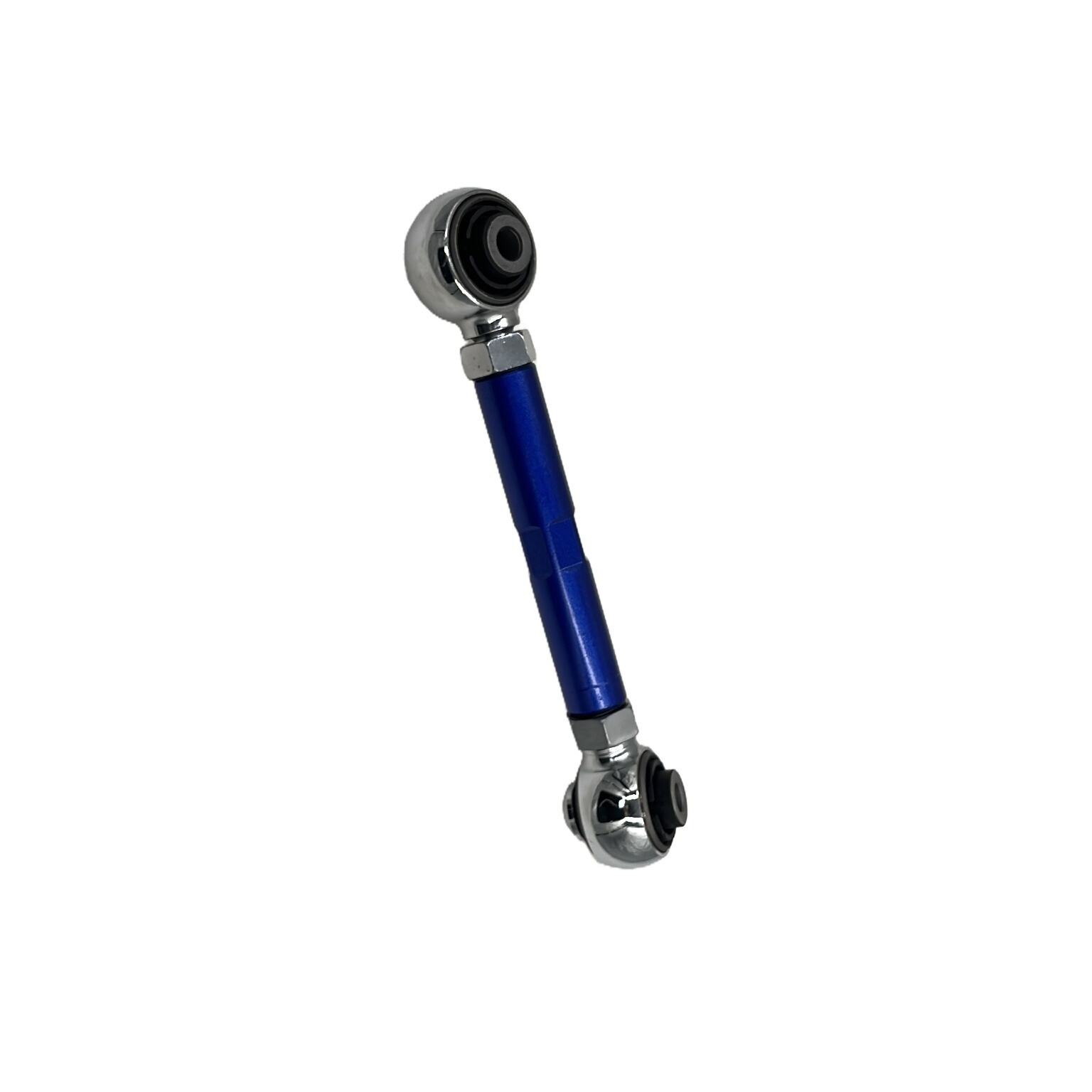
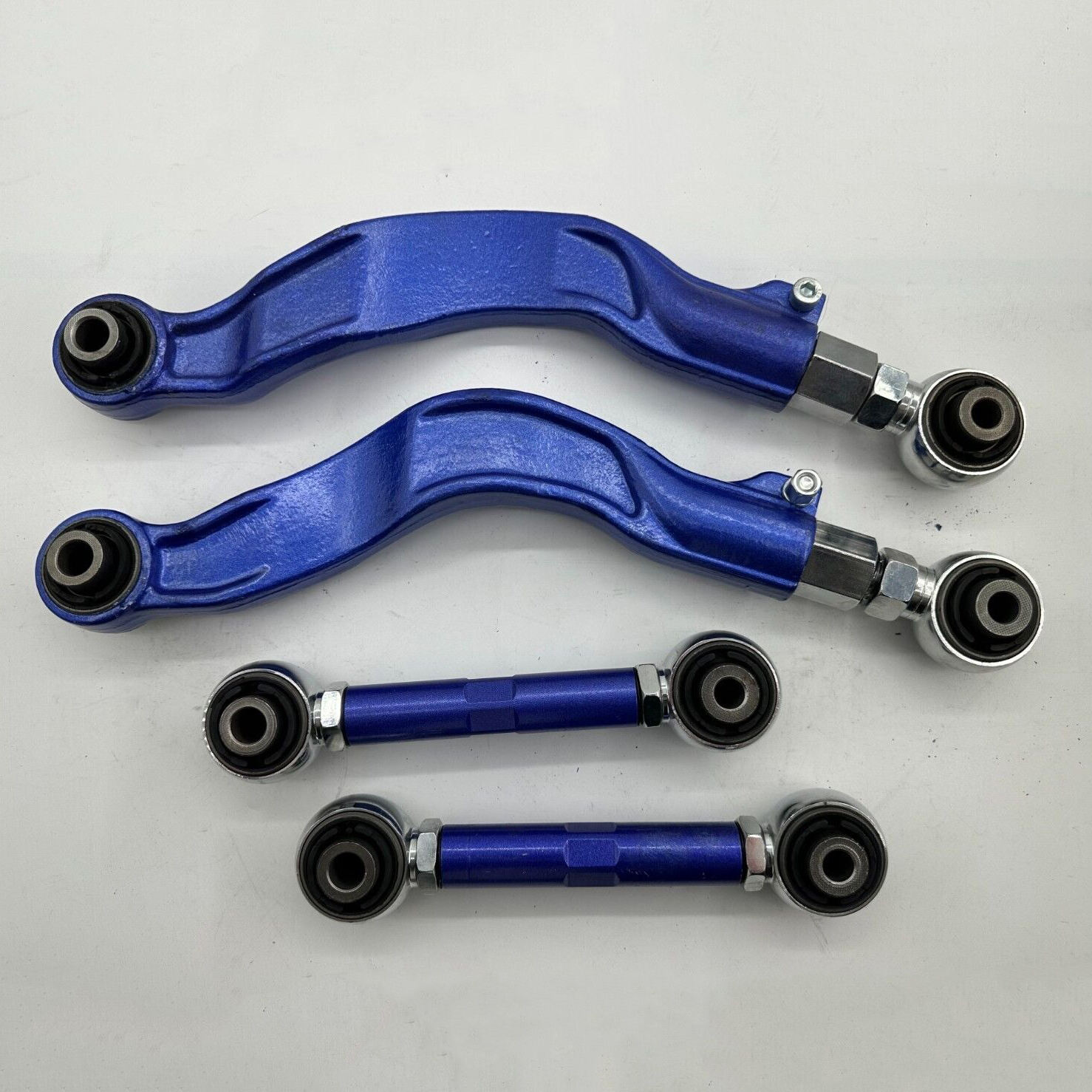
The stabilizer end link represents a critical component in modern automotive suspension systems, serving as the vital connection between the anti-roll bar and the vehicle's suspension assembly. This precision-engineered component plays an essential role in maintaining vehicle stability during cornering, braking, and various driving conditions. The stabilizer end link consists of a ball joint mechanism at each end, connected by a central rod or strut assembly, designed to transmit forces between the stabilizer bar and the suspension components effectively. The primary function of the stabilizer end link involves reducing body roll during cornering maneuvers by distributing weight transfer forces across the vehicle's chassis. When a vehicle enters a turn, the stabilizer end link works in conjunction with the anti-roll bar to resist the natural tendency of the vehicle body to lean outward, thereby maintaining optimal tire contact with the road surface. This mechanism significantly enhances driving safety and comfort by providing predictable handling characteristics. Technologically, modern stabilizer end links incorporate advanced materials such as high-strength steel, aluminum alloys, and specialized polymers in their construction. The ball joint mechanisms feature precision-machined surfaces with specialized lubricants that ensure smooth operation throughout the component's service life. Many contemporary designs utilize maintenance-free sealed joints that eliminate the need for regular greasing, reducing maintenance requirements for vehicle owners. The applications of stabilizer end links extend across various vehicle categories, including passenger cars, light trucks, SUVs, and commercial vehicles. Each application requires specific engineering considerations regarding load capacity, dimensional constraints, and performance characteristics. Premium stabilizer end links often feature adjustable lengths, allowing for fine-tuning of suspension geometry and handling characteristics to meet specific performance requirements or accommodate modified suspension systems.

 EN
EN