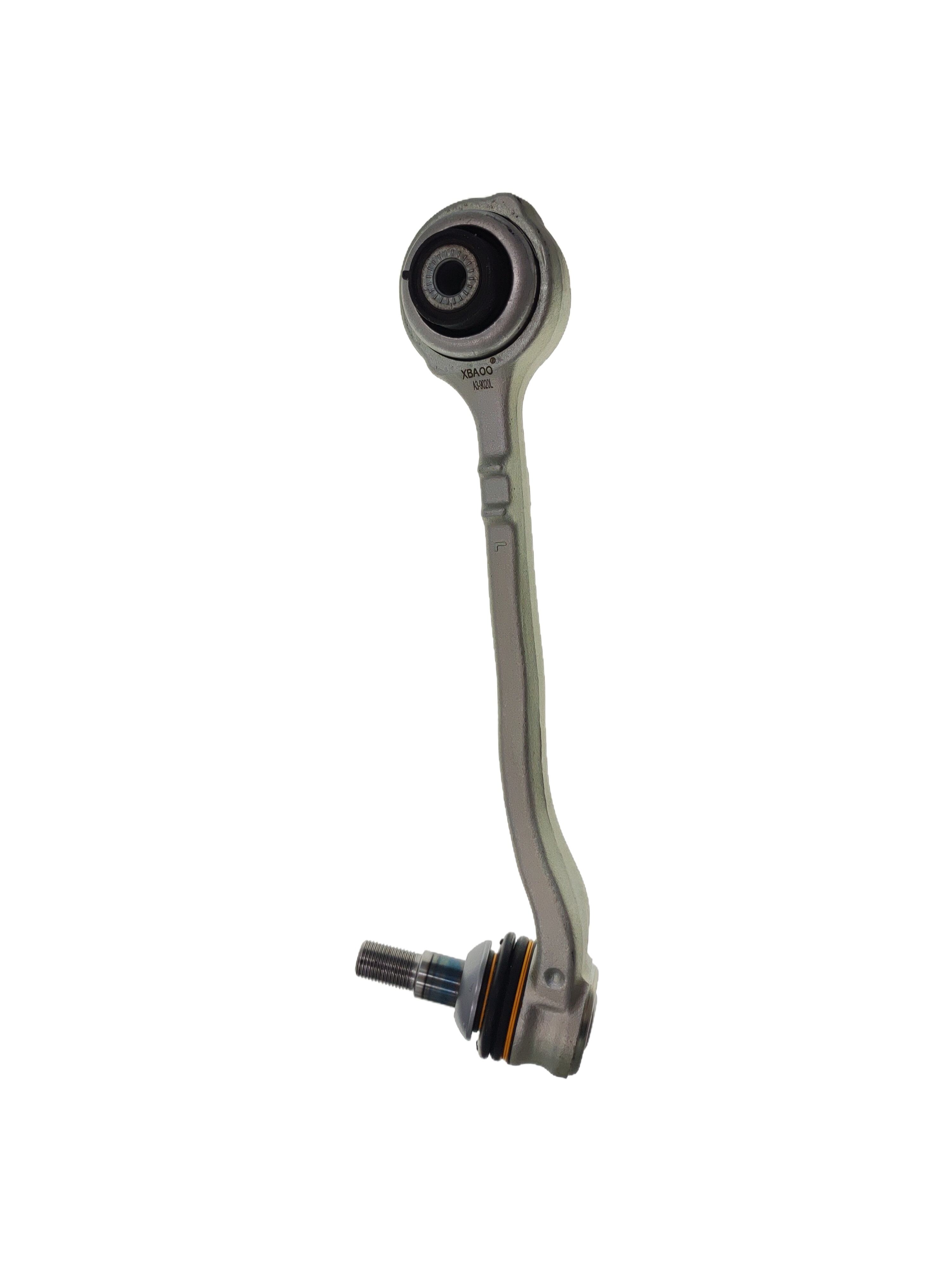
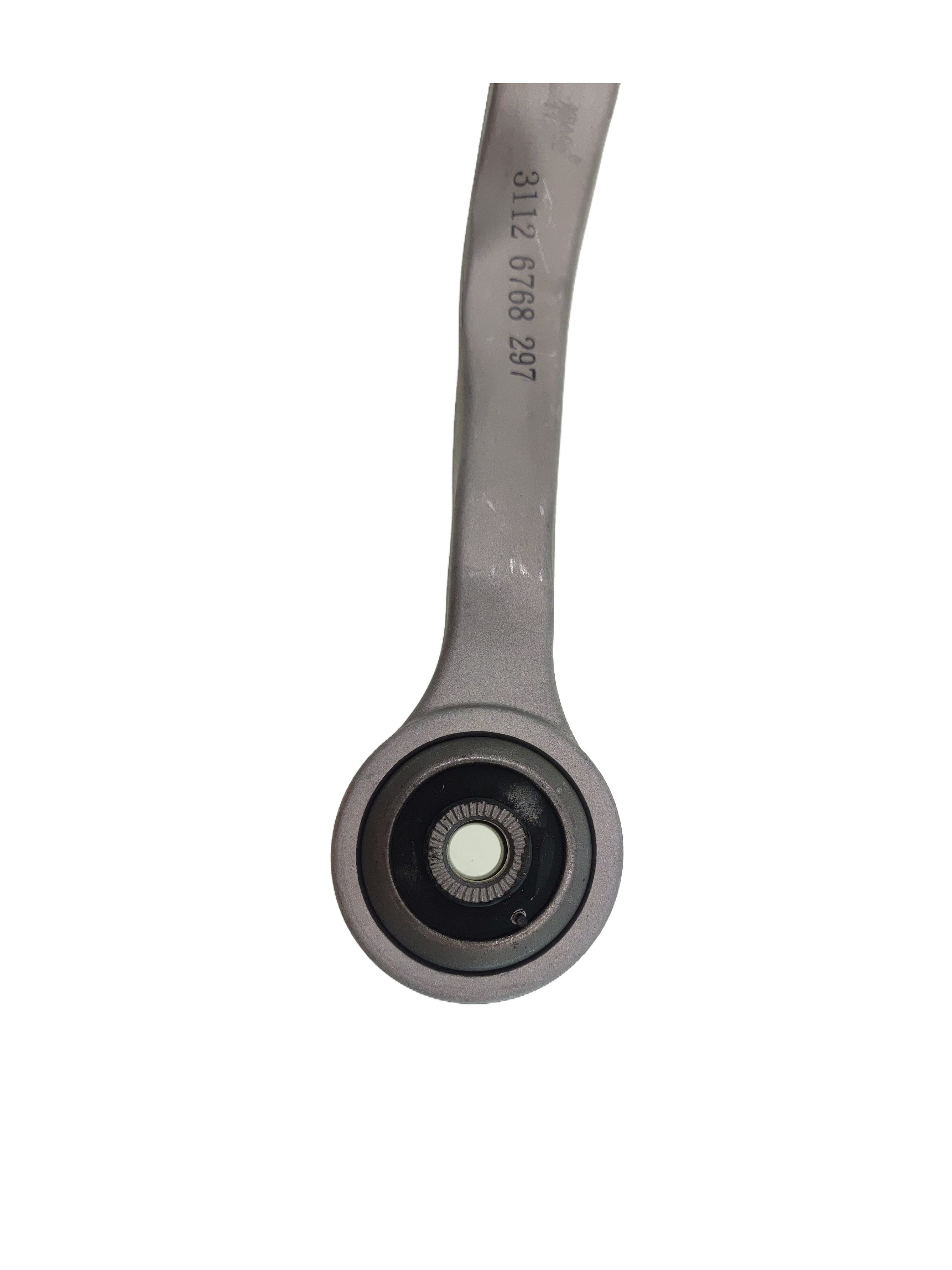
Premium Stabilizer Link Rear Components - Enhanced Vehicle Stability and Performance Solutions

All Categories

Get a Free Quote

Our representative will contact you soon.
Email
Name
Company Name
Message
0/1000

stabilizer link rear

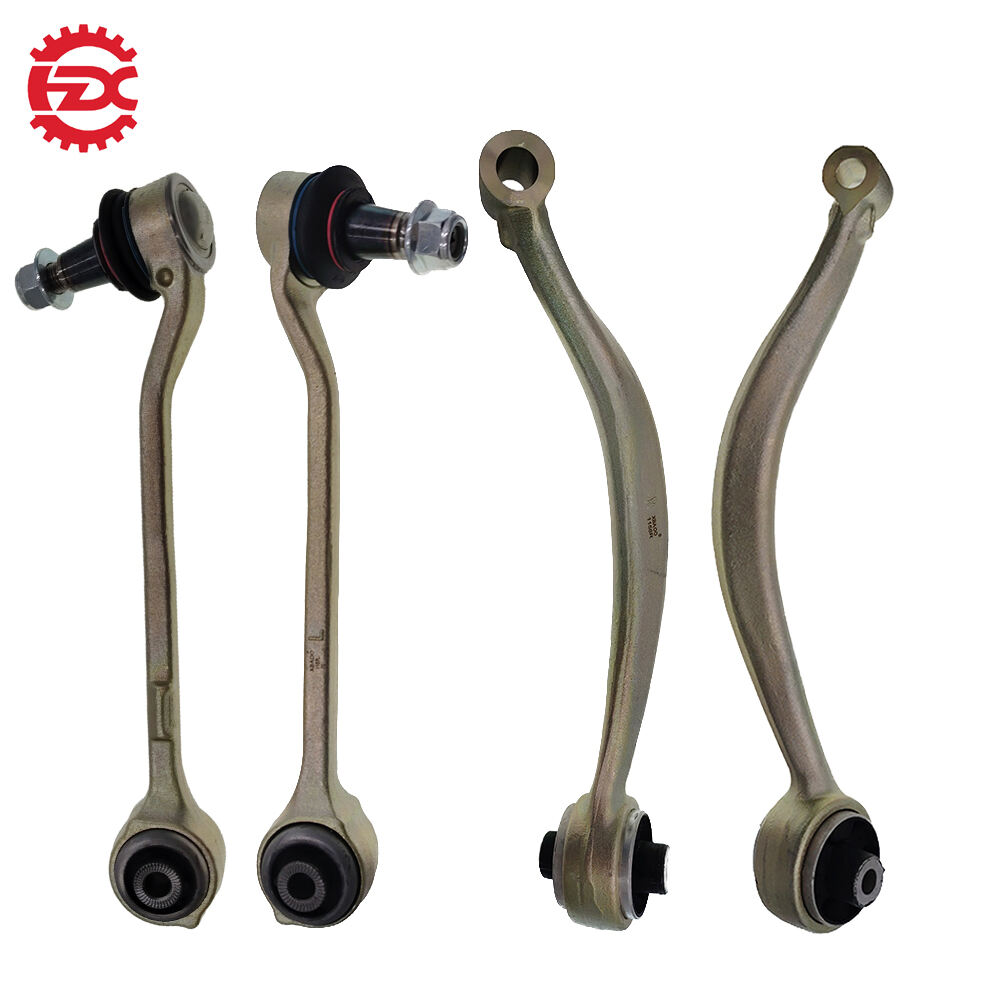
The stabilizer link rear, also known as the rear sway bar link or anti-roll bar link, serves as a crucial suspension component that connects the rear stabilizer bar to the vehicle's suspension system. This essential automotive part plays a vital role in maintaining vehicle stability, enhancing handling performance, and ensuring passenger safety during various driving conditions. The stabilizer link rear consists of several key components including a ball joint assembly, connecting rod, and mounting hardware that work together to transfer forces between the stabilizer bar and suspension components. Modern stabilizer link rear assemblies incorporate advanced engineering designs that utilize high-strength materials such as forged steel or aluminum alloy construction, providing exceptional durability and resistance to wear. The technological features of the stabilizer link rear include precision-engineered ball joints with specialized sealing systems that prevent contamination and maintain consistent performance throughout the component's service life. Many contemporary designs feature maintenance-free construction with integrated grease seals and protective boots that eliminate the need for regular lubrication. The stabilizer link rear operates by transmitting lateral forces from one side of the vehicle to the other through the stabilizer bar, effectively reducing body roll during cornering and improving overall vehicle dynamics. This component finds applications across a wide range of vehicles including passenger cars, SUVs, light trucks, and commercial vehicles. The stabilizer link rear is particularly important in performance-oriented vehicles where precise handling characteristics are essential for optimal driving experience. Installation typically involves mounting the component between the rear stabilizer bar and the vehicle's control arm or strut assembly, creating a mechanical linkage that allows the stabilizer system to function effectively. Quality stabilizer link rear components undergo rigorous testing procedures to ensure they meet stringent automotive industry standards for strength, durability, and performance reliability under various operating conditions.

New Products

The stabilizer link rear delivers numerous practical benefits that directly impact vehicle performance, safety, and driver satisfaction. First and foremost, this component significantly enhances vehicle stability by reducing excessive body roll during cornering maneuvers, allowing drivers to maintain better control and confidence when navigating curves or changing lanes. The improved stability provided by a properly functioning stabilizer link rear translates to enhanced passenger comfort, as occupants experience less lateral movement and swaying motion during turns. Safety benefits represent another major advantage, as the stabilizer link rear helps prevent dangerous handling characteristics that could lead to loss of vehicle control, particularly during emergency maneuvers or adverse weather conditions. The component contributes to more predictable vehicle behavior, enabling drivers to respond more effectively to unexpected road situations. From a performance perspective, the stabilizer link rear optimizes tire contact with the road surface, ensuring more even tire wear patterns and extending tire life. This improved tire contact also enhances braking performance and acceleration capabilities, as the tires maintain better grip on the pavement. The stabilizer link rear reduces stress on other suspension components by distributing forces more evenly throughout the suspension system, potentially extending the service life of expensive parts such as shocks, struts, and bushings. Modern stabilizer link rear designs offer improved durability compared to older components, featuring advanced materials and manufacturing processes that resist corrosion, wear, and fatigue failure. Many units include lifetime lubrication systems that eliminate maintenance requirements while ensuring consistent performance throughout their service life. The component provides excellent value for money, as replacing a worn stabilizer link rear is typically much less expensive than repairing damage caused by compromised vehicle stability. Installation procedures are generally straightforward, making replacement accessible to both professional mechanics and skilled DIY enthusiasts. Quality stabilizer link rear components often include comprehensive warranties that provide additional peace of mind for vehicle owners. The improved handling characteristics delivered by a new stabilizer link rear can restore the original driving feel of the vehicle, making it more enjoyable and responsive to drive.

Tips And Tricks

Custom Control Arms: Aligning with Business Needs

31

Jul

Custom Control Arms: Aligning with Business Needs

Custom Control Arms: Aligning with Business Needs Custom control arms are specialized suspension components designed to meet specific vehicle requirements, unlike mass-produced “one-size-fits-all” parts. For businesses in industries like ...
View More
Guide to Implementing a Performance Control Arms Upgrade

31

Jul

Guide to Implementing a Performance Control Arms Upgrade

Guide to Implementing a Performance Control Arms Upgrade Control arms are critical parts of a vehicle’s suspension system, linking the frame to the wheels and managing how the wheels move during acceleration, braking, and cornering. Stock contr...
View More
Camber Arms vs. Standard Solutions: Key Differences

27

Nov

Camber Arms vs. Standard Solutions: Key Differences

Vehicle suspension systems play a crucial role in determining driving performance, handling characteristics, and overall vehicle dynamics. Among the various suspension components that enthusiasts and professional mechanics consider for upgrades, camb...
View More
Advanced Camber Arms Techniques for Performance Gains

27

Nov

Advanced Camber Arms Techniques for Performance Gains

Precision suspension tuning represents the pinnacle of automotive performance enhancement, where every component plays a crucial role in achieving optimal handling characteristics. Among the most influential yet often overlooked components are camber...
View More

Get a Free Quote

Our representative will contact you soon.
Email
Name
Company Name
Message
0/1000

stabilizer link rear

Enhanced Vehicle Stability and Safety Performance

Enhanced Vehicle Stability and Safety Performance

The primary benefit of the stabilizer link rear lies in its exceptional ability to enhance vehicle stability and safety performance across all driving conditions. This critical suspension component works by creating a mechanical connection between the rear stabilizer bar and the vehicle's suspension system, effectively controlling body roll and maintaining optimal tire contact with the road surface. When a vehicle enters a turn or encounters lateral forces, the stabilizer link rear transfers these forces through the stabilizer bar to the opposite side of the vehicle, counteracting the natural tendency for the vehicle body to lean excessively. This action significantly reduces body roll angles, keeping the vehicle more level and stable during cornering maneuvers. The enhanced stability provided by the stabilizer link rear translates directly into improved safety for all vehicle occupants, as it helps prevent dangerous situations where excessive body roll could lead to loss of control or even rollover incidents. Modern stabilizer link rear designs incorporate precision-engineered ball joints and connecting mechanisms that provide consistent performance under varying load conditions, ensuring reliable operation whether the vehicle is lightly loaded or carrying maximum payload. The component's ability to maintain tire contact pressure across the entire contact patch during cornering improves braking effectiveness and reduces stopping distances, particularly important during emergency situations. Furthermore, the stabilizer link rear helps maintain proper wheel alignment and suspension geometry during dynamic driving conditions, preventing premature tire wear and maintaining optimal vehicle handling characteristics. The safety benefits extend beyond cornering performance, as the stabilizer link rear also helps control vehicle movement during lane changes, evasive maneuvers, and crosswind situations. Quality stabilizer link rear components undergo extensive testing to ensure they meet or exceed automotive safety standards, providing reliable performance under extreme conditions including temperature variations, road salt exposure, and high-stress driving situations.
Advanced Engineering and Durability Features

Advanced Engineering and Durability Features

Modern stabilizer link rear components showcase advanced engineering and durability features that set them apart from conventional suspension components. These sophisticated designs incorporate high-strength materials such as heat-treated alloy steel or lightweight aluminum construction, providing exceptional strength-to-weight ratios while resisting fatigue failure under repeated stress cycles. The engineering excellence of contemporary stabilizer link rear assemblies includes precision-machined components with tight manufacturing tolerances, ensuring consistent performance and proper fit across a wide range of vehicle applications. Advanced ball joint designs feature specialized sealing systems with multi-lip seals and protective boots that effectively prevent contamination from dirt, moisture, and road debris, significantly extending component service life. Many stabilizer link rear units incorporate maintenance-free designs with lifetime lubrication systems, utilizing high-performance synthetic greases that maintain their lubricating properties across extreme temperature ranges and extended service intervals. The manufacturing processes employed in producing quality stabilizer link rear components include computer-controlled machining, precision forging, and advanced heat treatment procedures that optimize material properties for maximum durability and performance reliability. Corrosion resistance represents another key engineering feature, with many units receiving specialized coating treatments such as zinc plating, powder coating, or advanced polymer finishes that protect against rust and environmental degradation. The design philosophy behind modern stabilizer link rear components emphasizes modularity and serviceability, with many units featuring replaceable components that allow for cost-effective maintenance and repair. Quality control procedures during manufacturing include dimensional verification, material testing, and performance validation to ensure each stabilizer link rear meets stringent automotive industry standards. The engineering advancements in contemporary designs also focus on noise, vibration, and harshness reduction, incorporating features such as isolation bushings and dampening materials that minimize transmission of road noise and vibrations to the vehicle cabin.

Cost-Effective Performance and Easy Installation Benefits

Cost-Effective Performance and Easy Installation Benefits

The stabilizer link rear offers exceptional cost-effective performance benefits that make it an attractive investment for vehicle owners seeking to maintain or improve their vehicle's handling characteristics. This component provides remarkable value by delivering significant performance improvements at a fraction of the cost associated with more complex suspension modifications or repairs. When compared to the expense of replacing major suspension components such as shocks, struts, or control arms, the stabilizer link rear represents an economical solution for addressing handling issues and maintaining vehicle stability. The cost-effectiveness extends beyond the initial purchase price, as a properly functioning stabilizer link rear helps prevent premature wear of other suspension components by distributing forces more evenly throughout the suspension system. This protective effect can save vehicle owners substantial amounts in future repair costs while maintaining optimal vehicle performance. Installation procedures for the stabilizer link rear are typically straightforward and accessible, requiring only basic automotive tools and moderate mechanical knowledge. Most stabilizer link rear replacements can be completed in under an hour per side, making it an ideal project for both professional service facilities and skilled DIY enthusiasts. The installation process generally involves removing the old component, cleaning the mounting points, and installing the new stabilizer link rear with proper torque specifications. Many units come with detailed installation instructions and all necessary hardware, further simplifying the replacement procedure. The accessibility of mounting locations for most stabilizer link rear components means that specialized equipment or extensive disassembly is rarely required, reducing both labor costs and installation complexity. Quality stabilizer link rear components often include comprehensive warranties that provide additional value protection, covering defects in materials and workmanship for extended periods. The performance benefits realized from installing a new stabilizer link rear are immediately noticeable, with improved handling response, reduced body roll, and enhanced stability evident from the first drive. This immediate performance improvement provides excellent satisfaction and demonstrates the value of the investment, encouraging proper vehicle maintenance and component replacement when needed.

Get a Free Quote

Our representative will contact you soon.
Email
Name
Company Name
Message
0/1000