right control arm
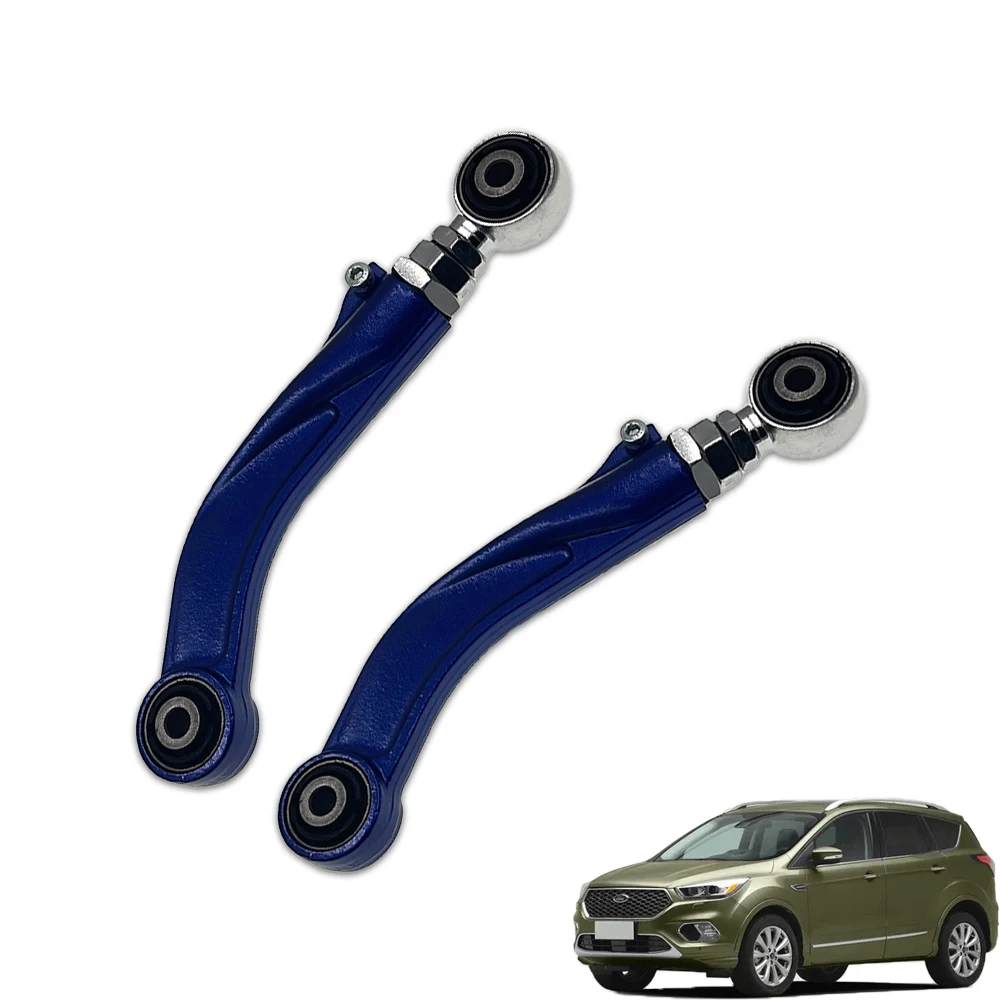
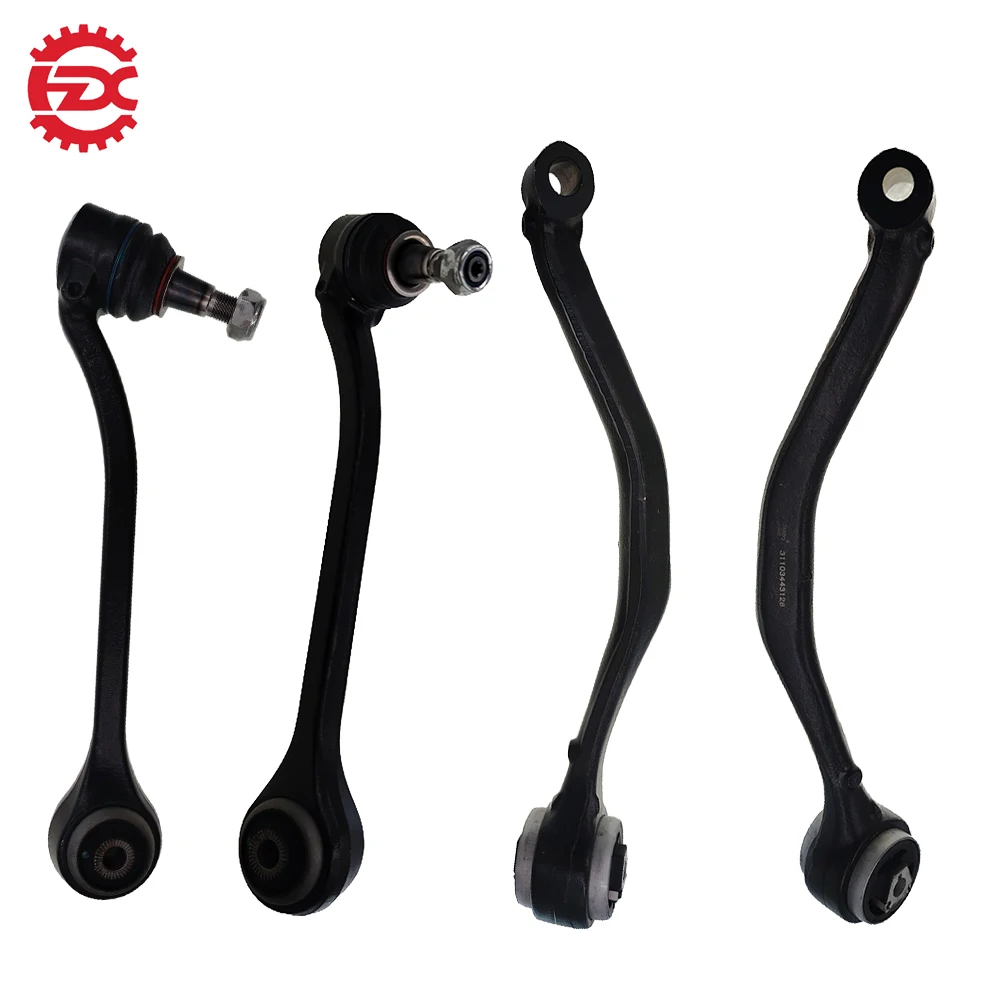
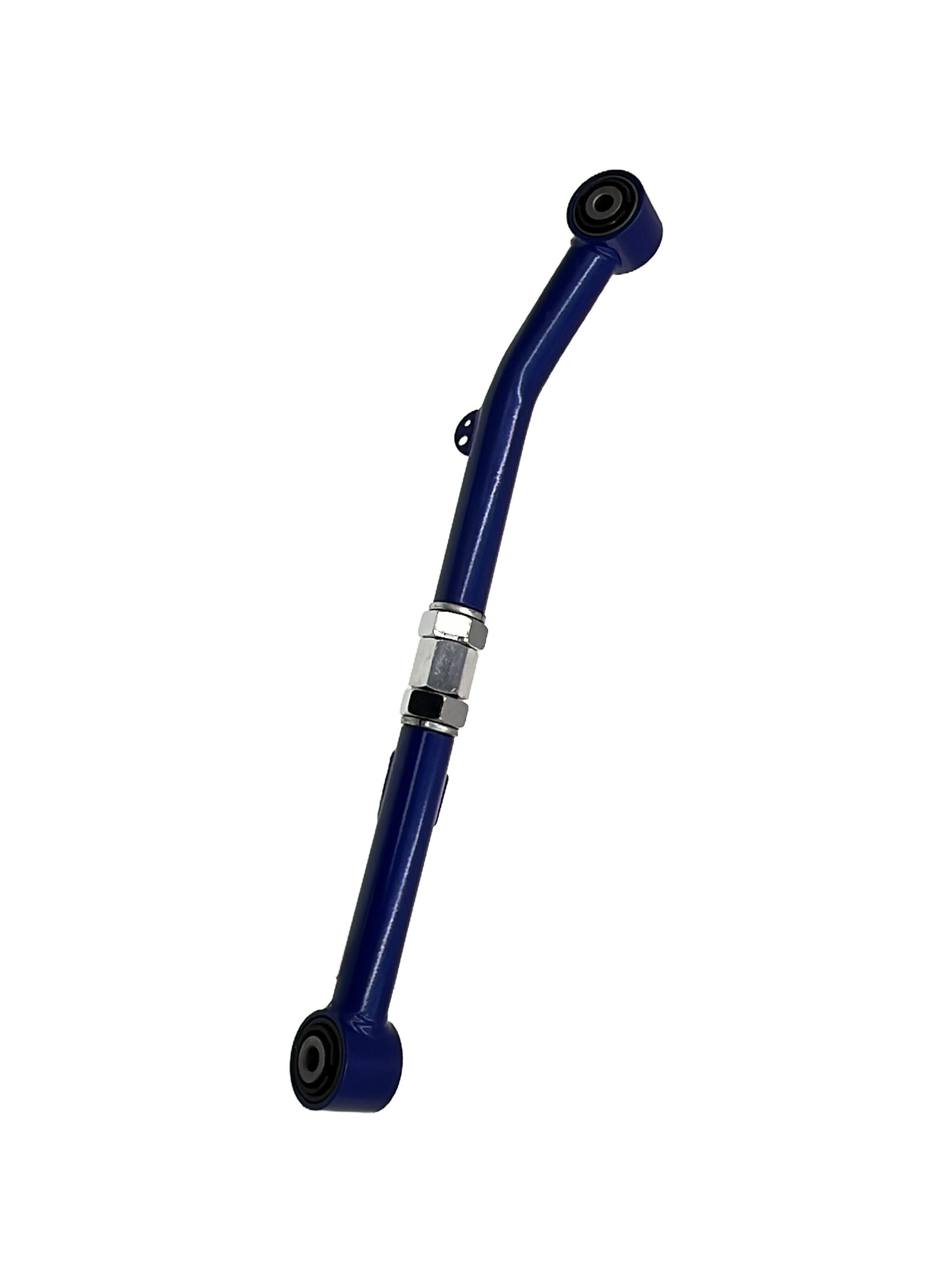
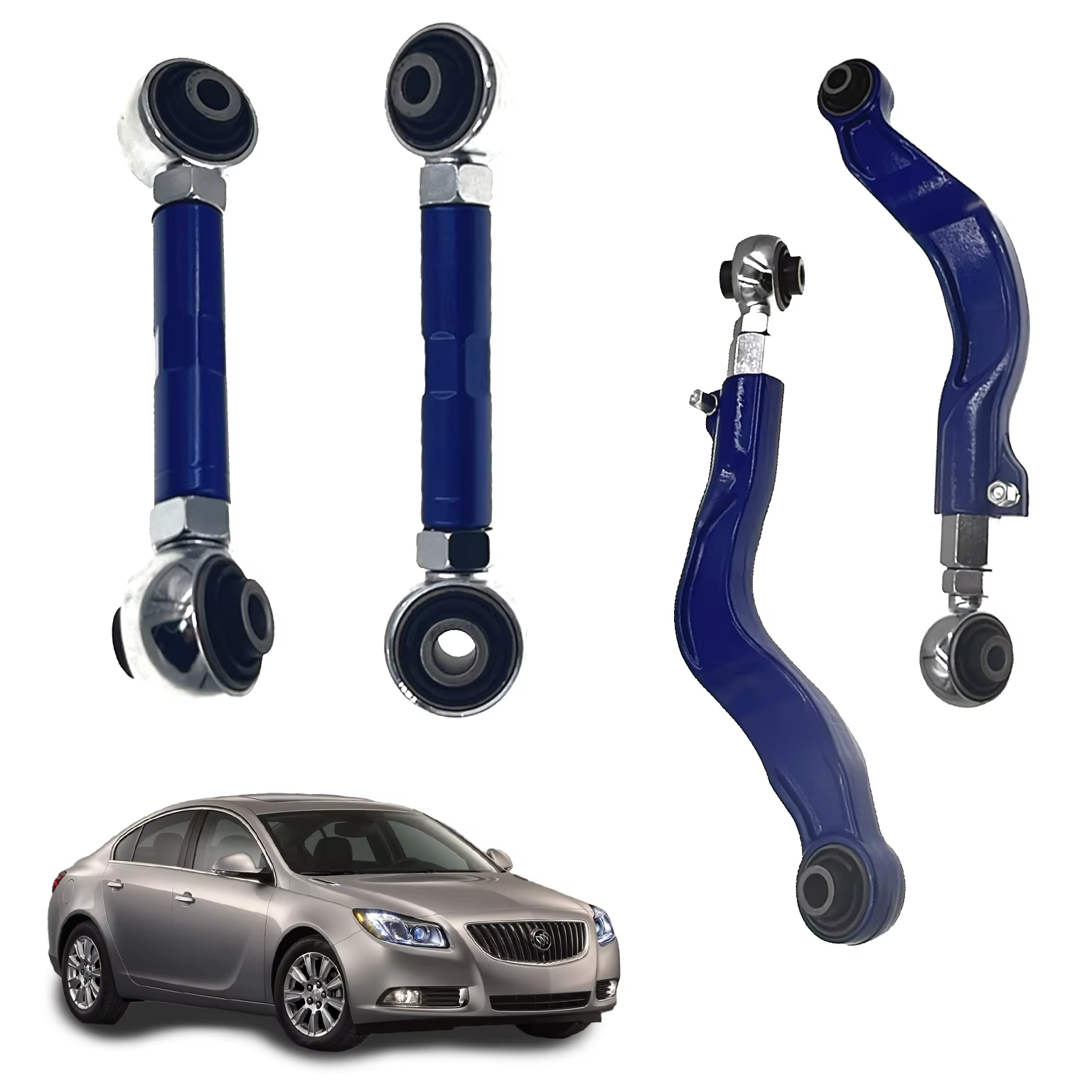
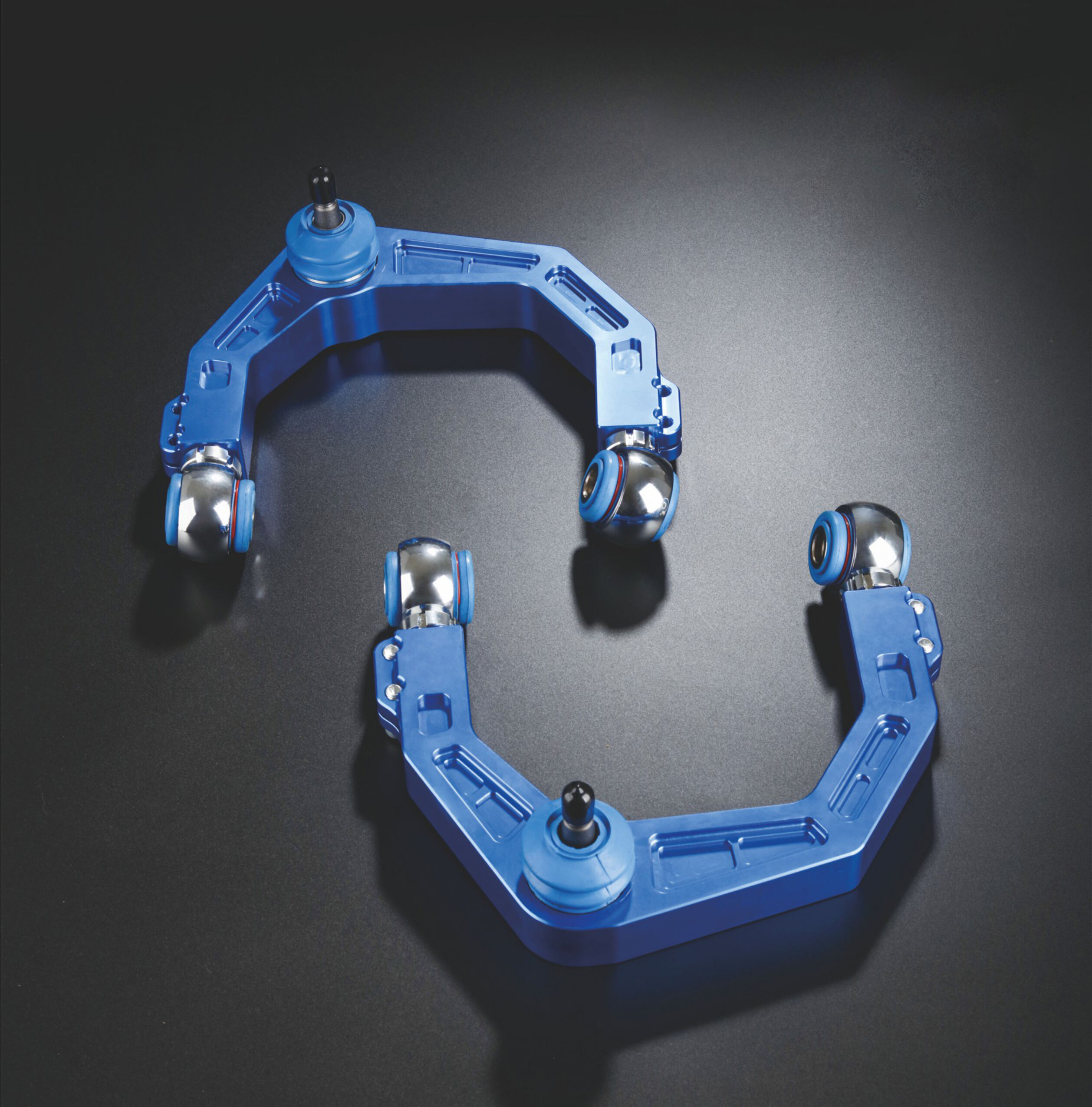
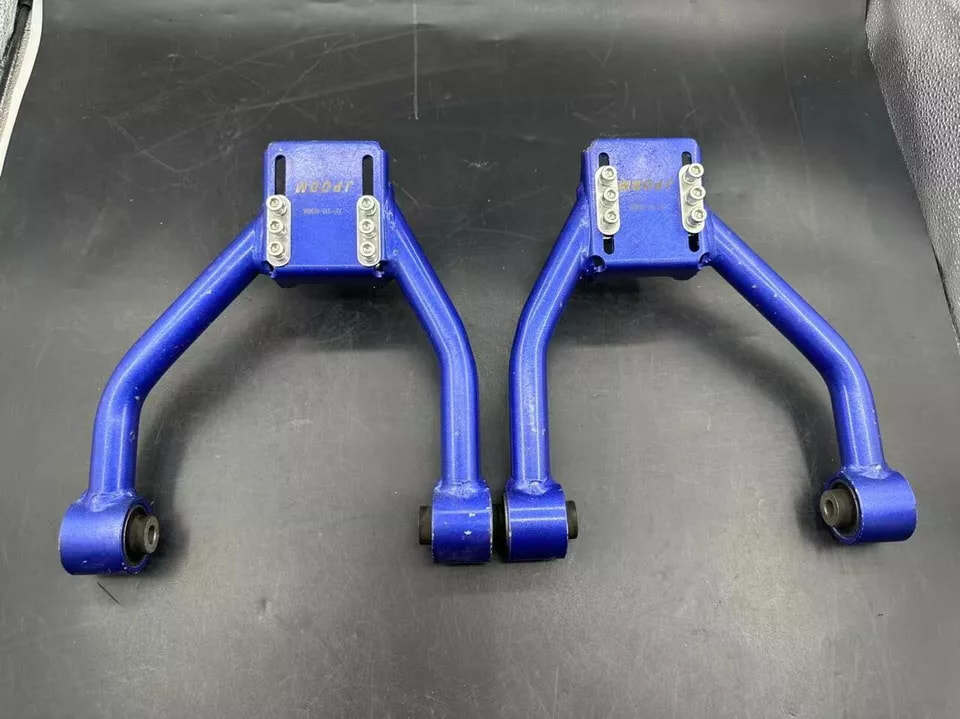
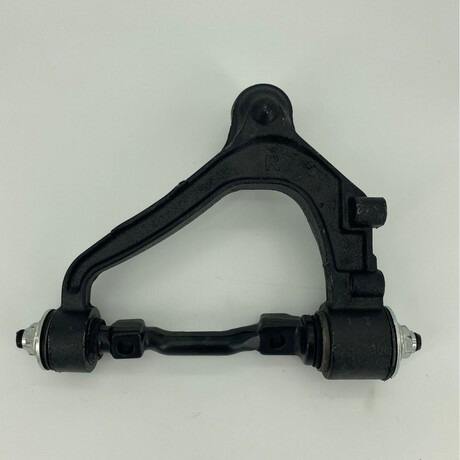
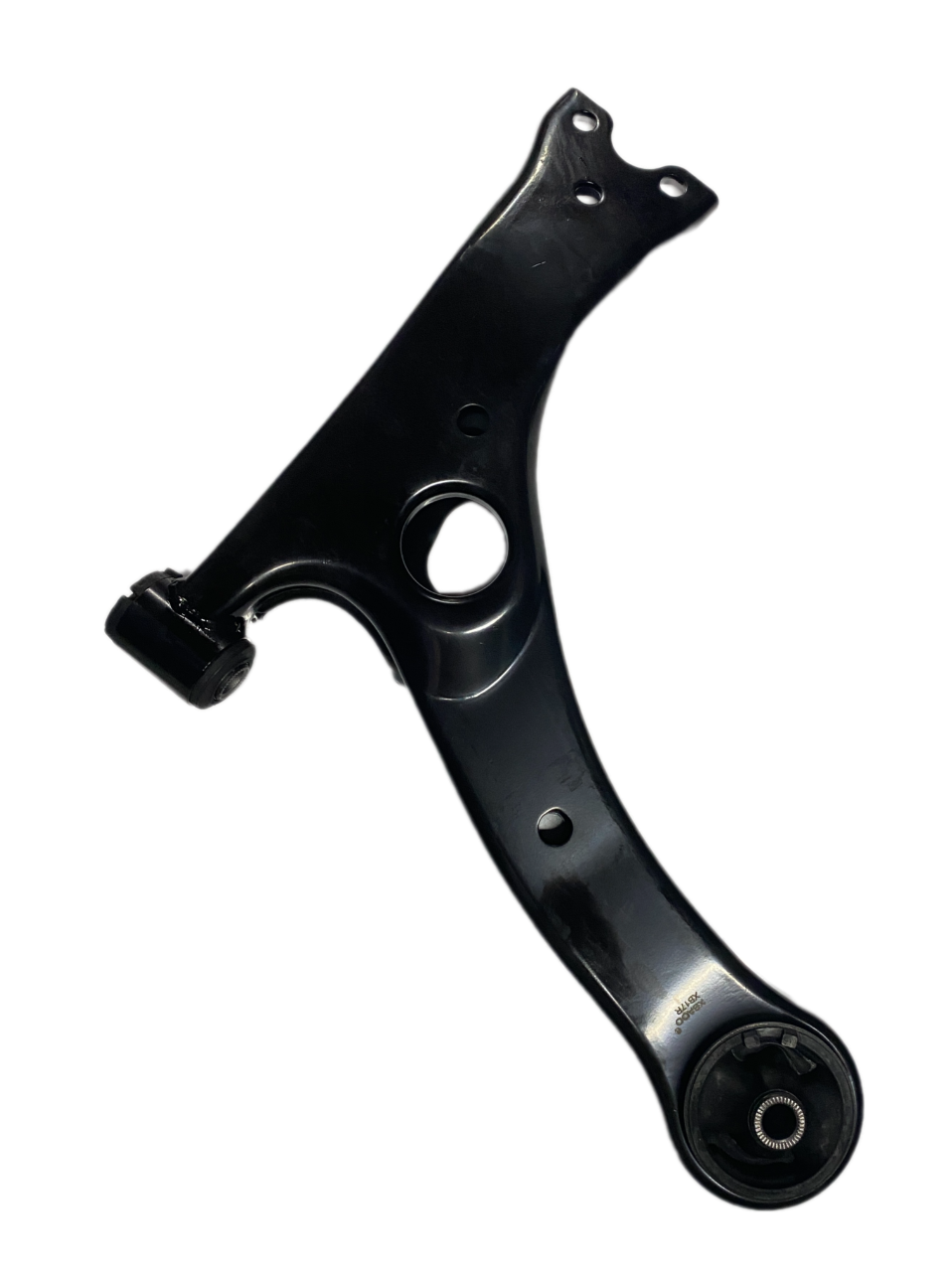
The right control arm represents a critical component in modern automotive suspension systems, serving as the essential link between the vehicle's chassis and wheel assembly. This sophisticated mechanical element operates as part of the independent suspension framework, enabling controlled wheel movement while maintaining proper alignment and stability during vehicle operation. The right control arm's primary function involves managing vertical wheel motion, allowing the suspension to absorb road imperfections while preserving tire contact with the driving surface. Constructed from high-grade materials such as forged steel or aluminum alloy, the right control arm demonstrates exceptional durability and resistance to mechanical stress. The component features strategically positioned mounting points that accommodate rubber or polyurethane bushings, which serve to isolate vibrations and reduce noise transmission to the passenger compartment. Advanced manufacturing techniques ensure precise tolerances and consistent quality across production runs. The right control arm incorporates ball joint connections that facilitate smooth articulation during suspension travel, enabling seamless steering response and maintaining wheel geometry throughout various driving conditions. Modern designs often integrate hollow construction methods to reduce overall weight without compromising structural integrity. The component's engineering considers factors such as load distribution, fatigue resistance, and thermal expansion to ensure reliable performance across diverse operating environments. Applications span across passenger vehicles, commercial trucks, and performance automobiles, with each application requiring specific design parameters to meet unique performance requirements. The right control arm's technological features include corrosion-resistant coatings that extend service life in harsh environmental conditions. Some variants incorporate adjustable elements that allow for suspension tuning and alignment corrections. The component's design influences vehicle handling characteristics, ride comfort, and tire wear patterns, making it fundamental to overall automotive performance and safety systems.

 EN
EN