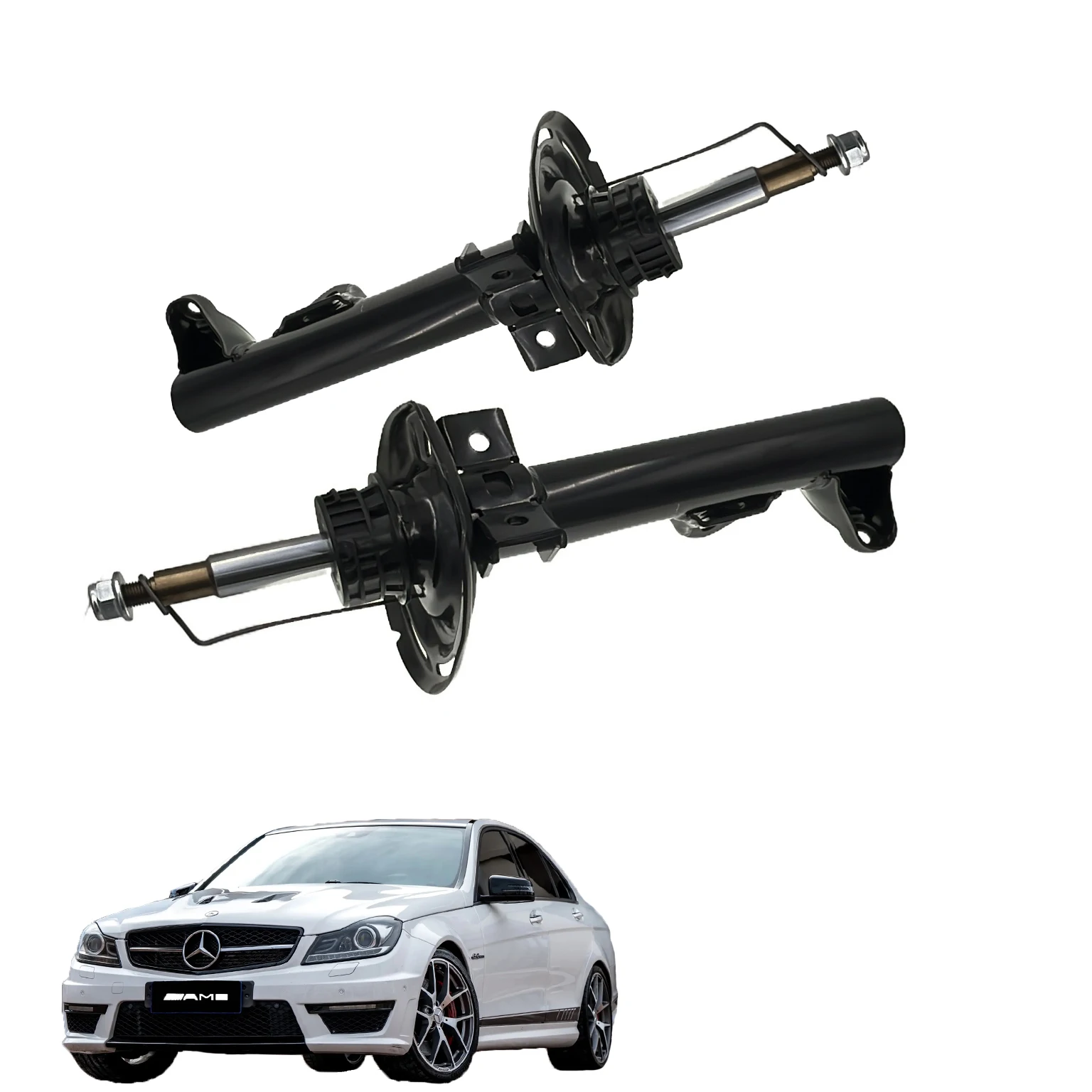
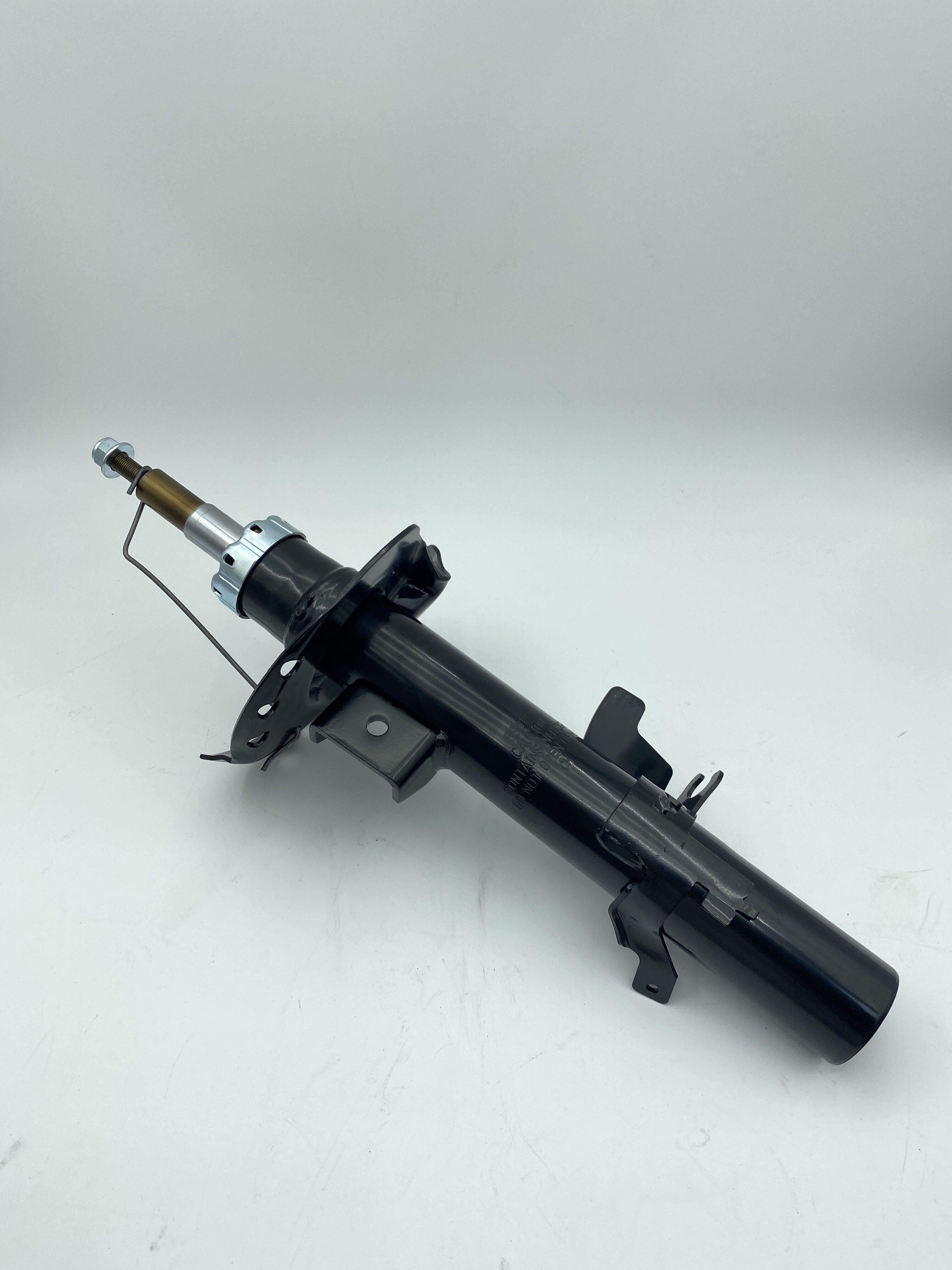
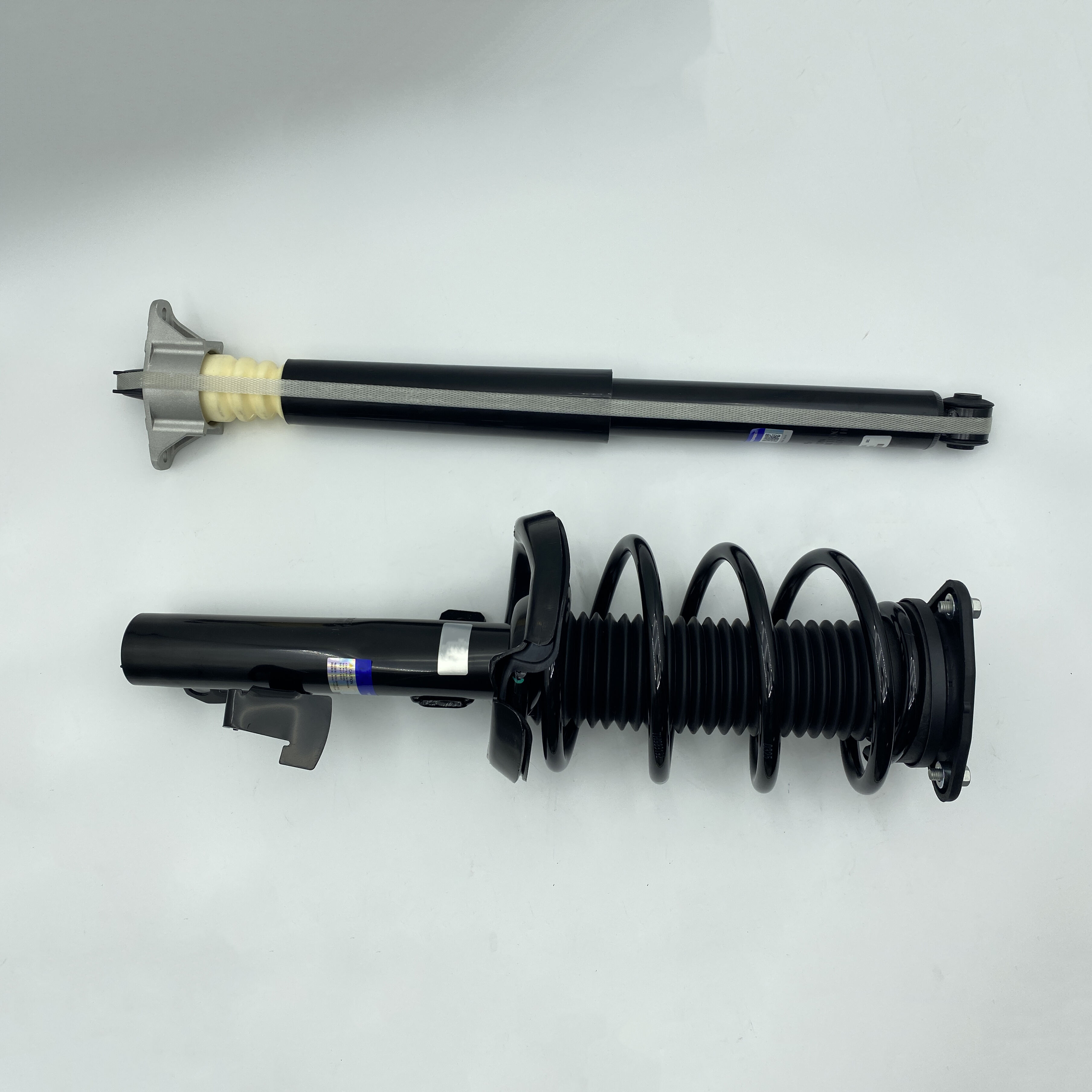
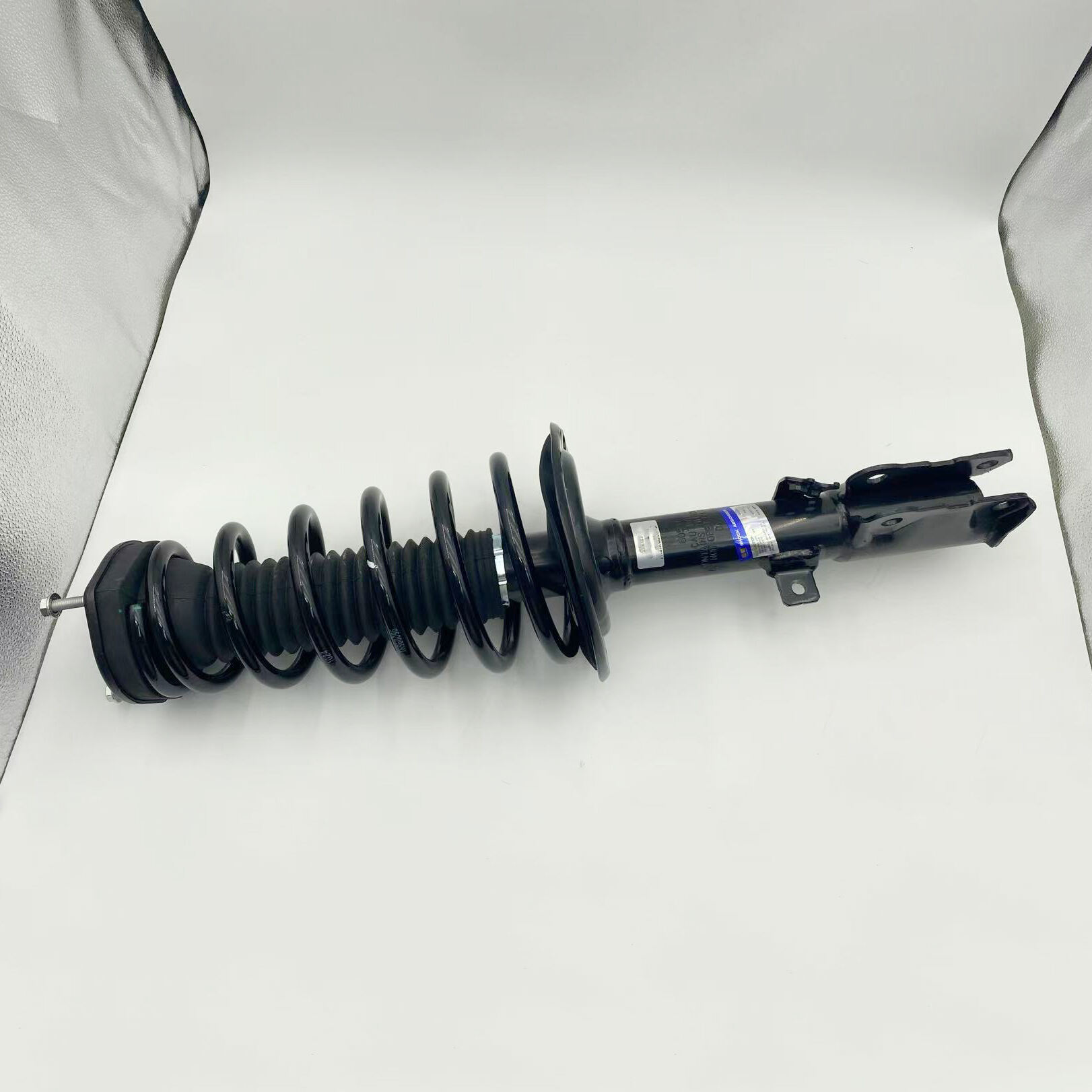
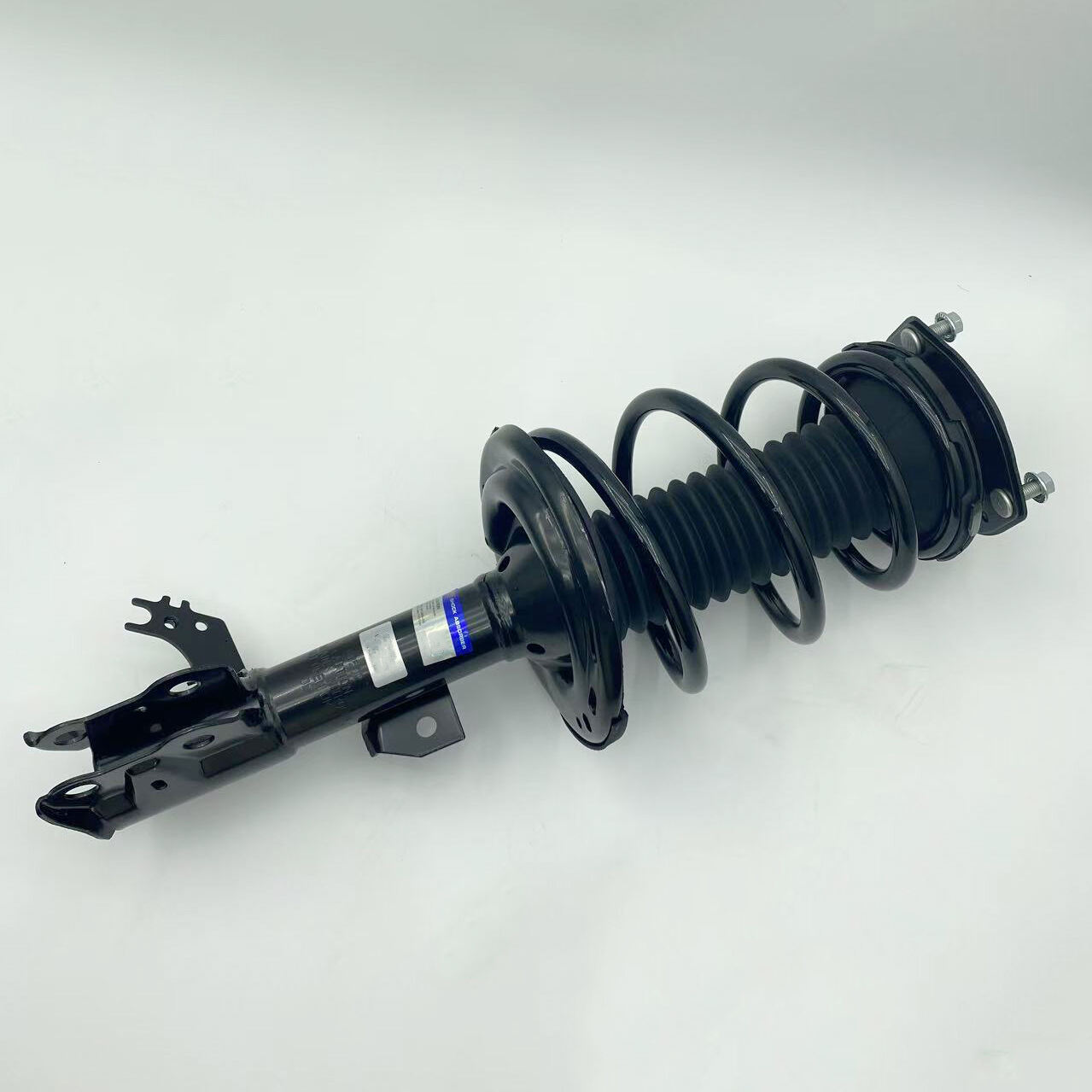
shock absorber with coil spring
The shock absorber with coil spring represents a fundamental component in modern vehicle suspension systems, combining two essential elements that work together to provide optimal ride comfort and vehicle stability. This integrated system consists of a hydraulic or gas-filled damper unit paired with a helical coil spring that surrounds the shock absorber body. The shock absorber with coil spring serves multiple critical functions in automotive applications, primarily controlling vehicle motion during driving, braking, and cornering scenarios. The main function of this shock absorber with coil spring assembly involves managing the vertical movement of wheels and chassis components when encountering road irregularities such as potholes, bumps, and uneven surfaces. The coil spring element supports the vehicle weight while absorbing initial impact forces, while the shock absorber component controls the oscillation and rebound motion to prevent excessive bouncing. Technologically, the shock absorber with coil spring features advanced engineering designs that incorporate precision-manufactured components including piston assemblies, valve systems, and specially formulated hydraulic fluids or gas chambers. Modern versions utilize progressive spring rates and adjustable damping characteristics to accommodate varying load conditions and driving preferences. The coil spring portion typically employs high-tensile steel construction with specific wire diameters and coil configurations optimized for particular vehicle applications. Applications for the shock absorber with coil spring extend across numerous automotive segments including passenger cars, trucks, SUVs, and commercial vehicles. These systems are commonly found in both front and rear suspension configurations, with MacPherson strut designs being particularly popular for front-wheel-drive vehicles. The shock absorber with coil spring also finds use in aftermarket performance applications where enhanced handling characteristics and ride quality improvements are desired by automotive enthusiasts and professional racing applications.

 EN
EN