auto shock absorber
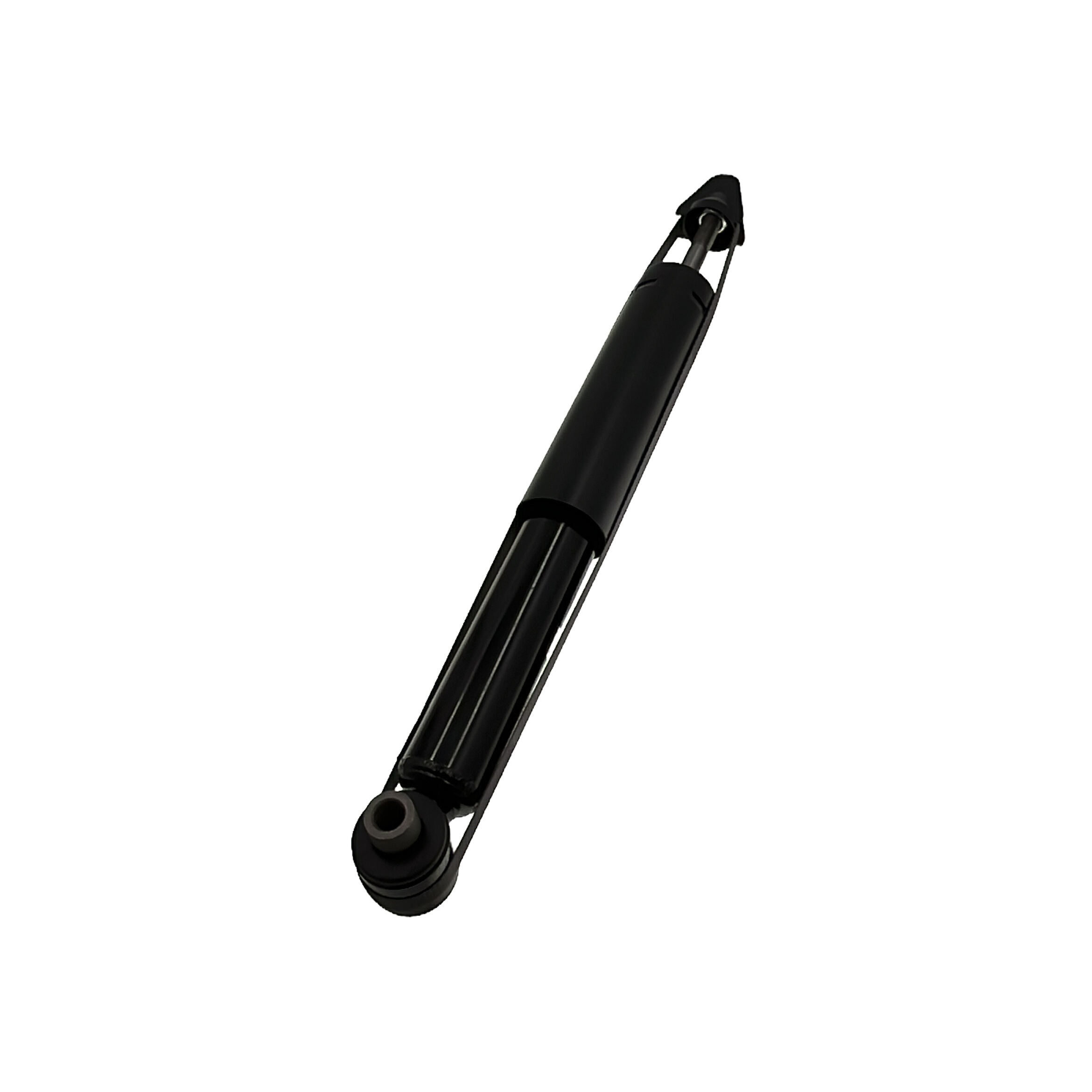
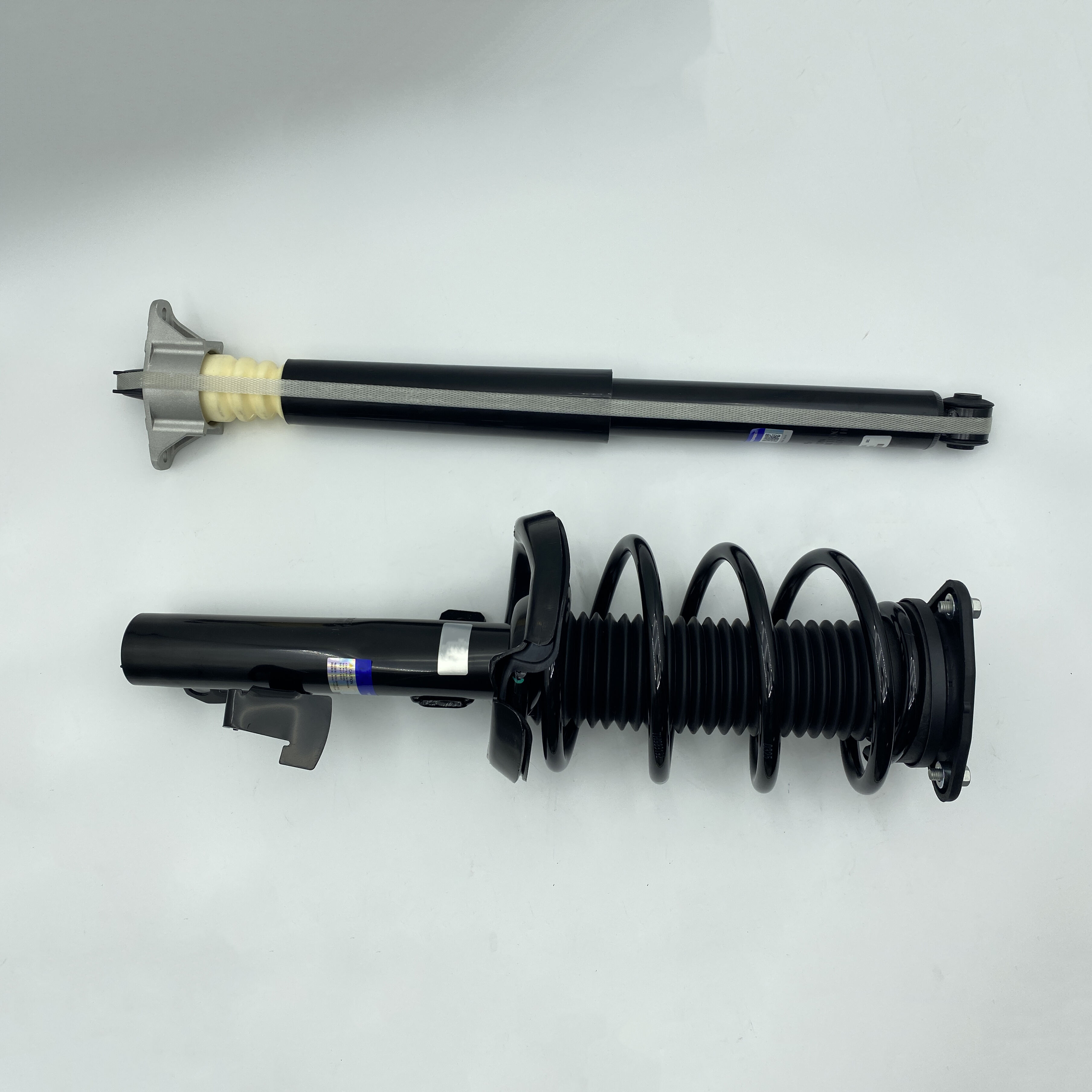
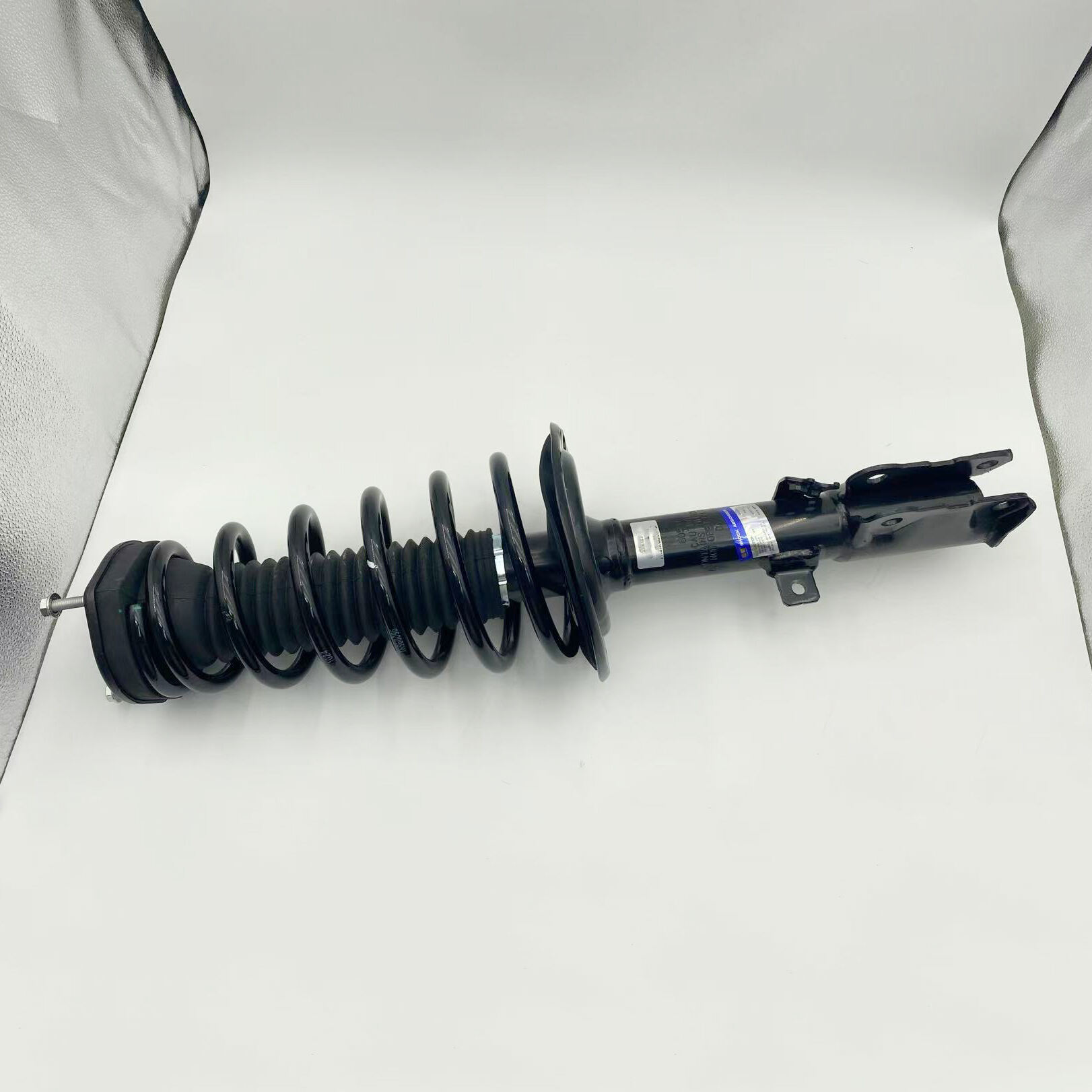
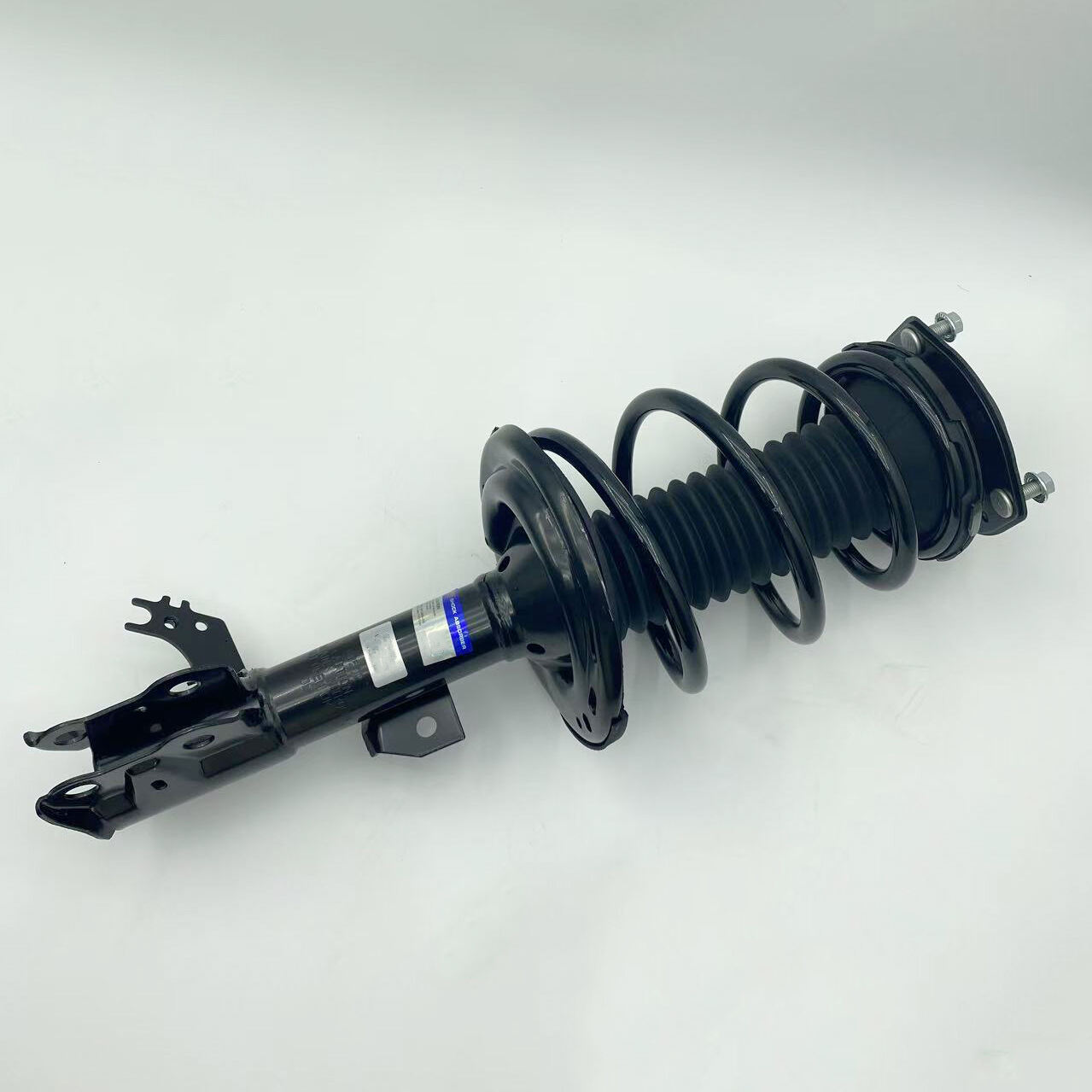
An auto shock absorber serves as a critical component in vehicle suspension systems, designed to control spring oscillations and provide optimal ride comfort while maintaining vehicle stability. These precision-engineered devices work by converting kinetic energy from road impacts into heat energy through hydraulic dampening mechanisms. The auto shock absorber consists of several key components including a piston, cylinder, hydraulic fluid, and various seals that work together to manage vertical wheel movement. Modern auto shock absorber technology incorporates advanced materials such as high-strength steel cylinders and specialized hydraulic oils that maintain consistent performance across temperature variations. The primary function involves dampening spring rebound and compression movements, preventing excessive bouncing that would otherwise compromise vehicle control and passenger comfort. Auto shock absorber systems utilize either twin-tube or monotube designs, with each configuration offering distinct performance characteristics suited for different driving conditions. Twin-tube auto shock absorber models feature an inner working cylinder surrounded by an outer reservoir tube, allowing for efficient heat dissipation during extended operation. Monotube designs incorporate a single cylinder with a floating piston that separates hydraulic fluid from pressurized gas, delivering superior heat management and consistent dampening force. The technological sophistication of contemporary auto shock absorber units includes velocity-sensitive valving that automatically adjusts dampening characteristics based on suspension movement speed. This adaptive response ensures optimal performance during both gentle road undulations and sharp impact scenarios. Quality auto shock absorber manufacturing processes involve precision machining, specialized coatings for corrosion resistance, and rigorous testing protocols to ensure durability under demanding operating conditions. Applications span across passenger vehicles, commercial trucks, motorcycles, and specialized equipment where controlled suspension movement remains essential for safety and performance.

 EN
EN