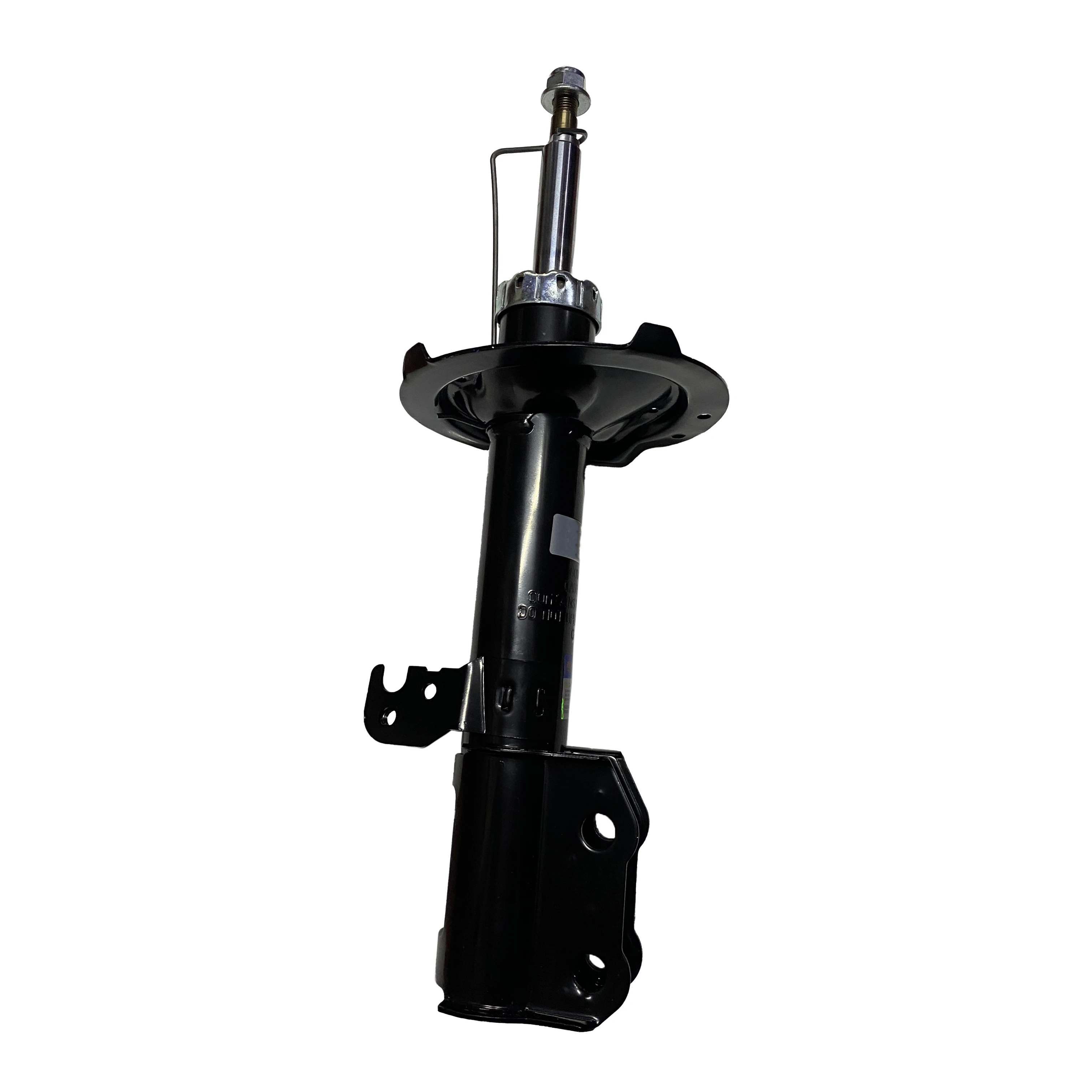
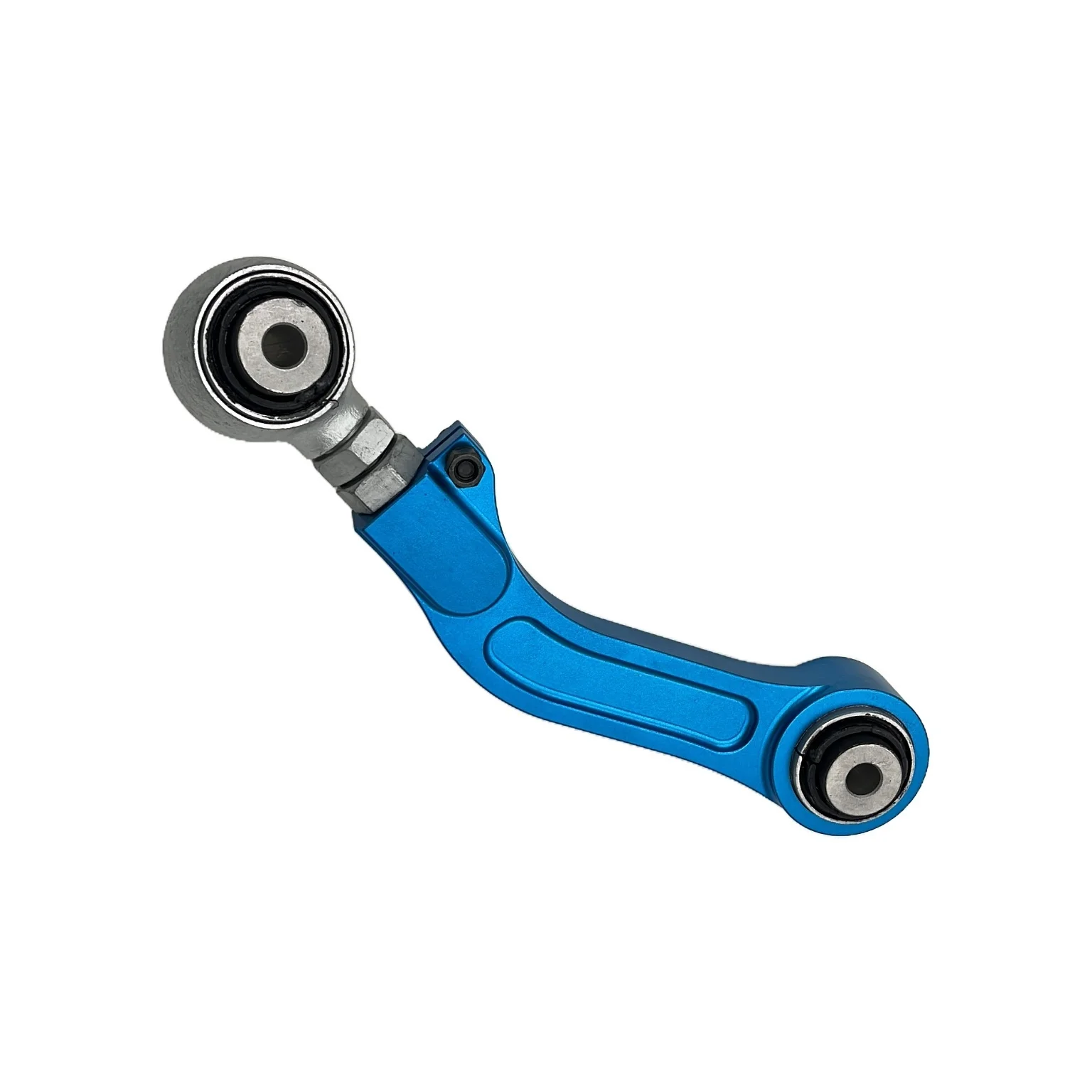
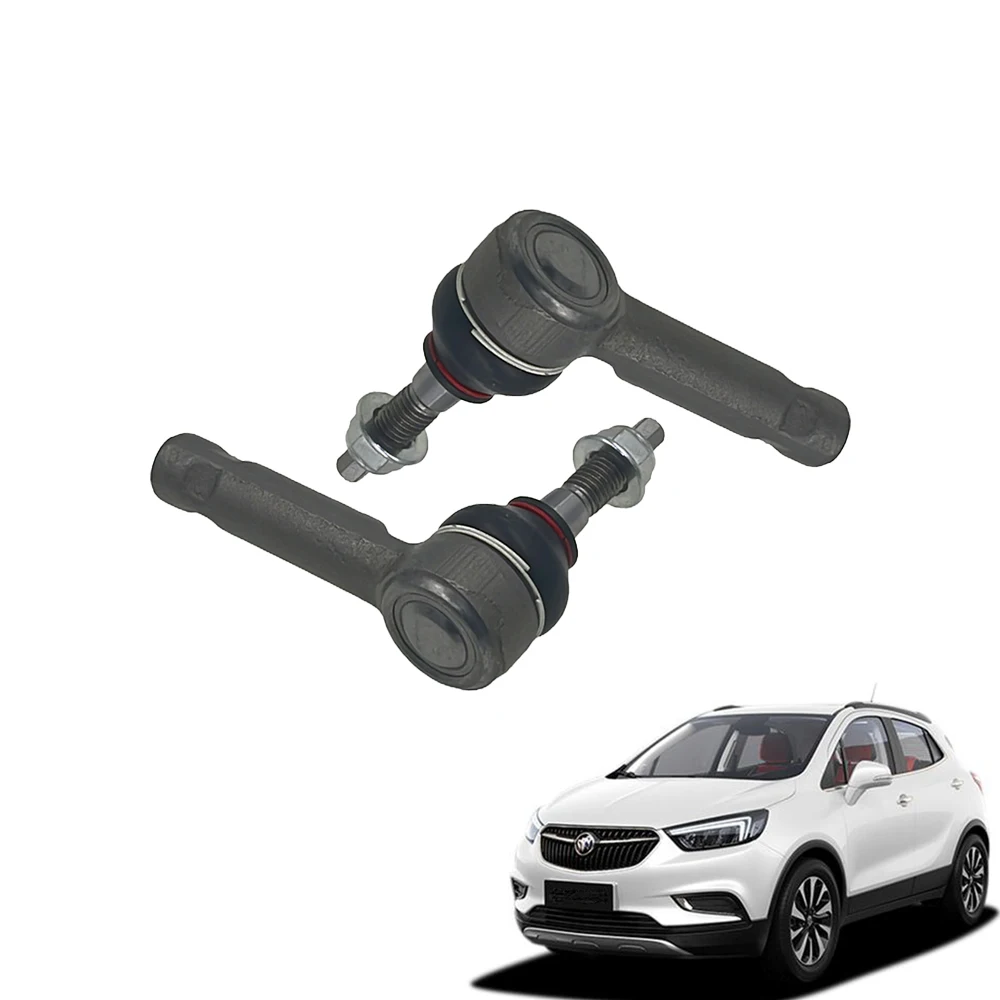
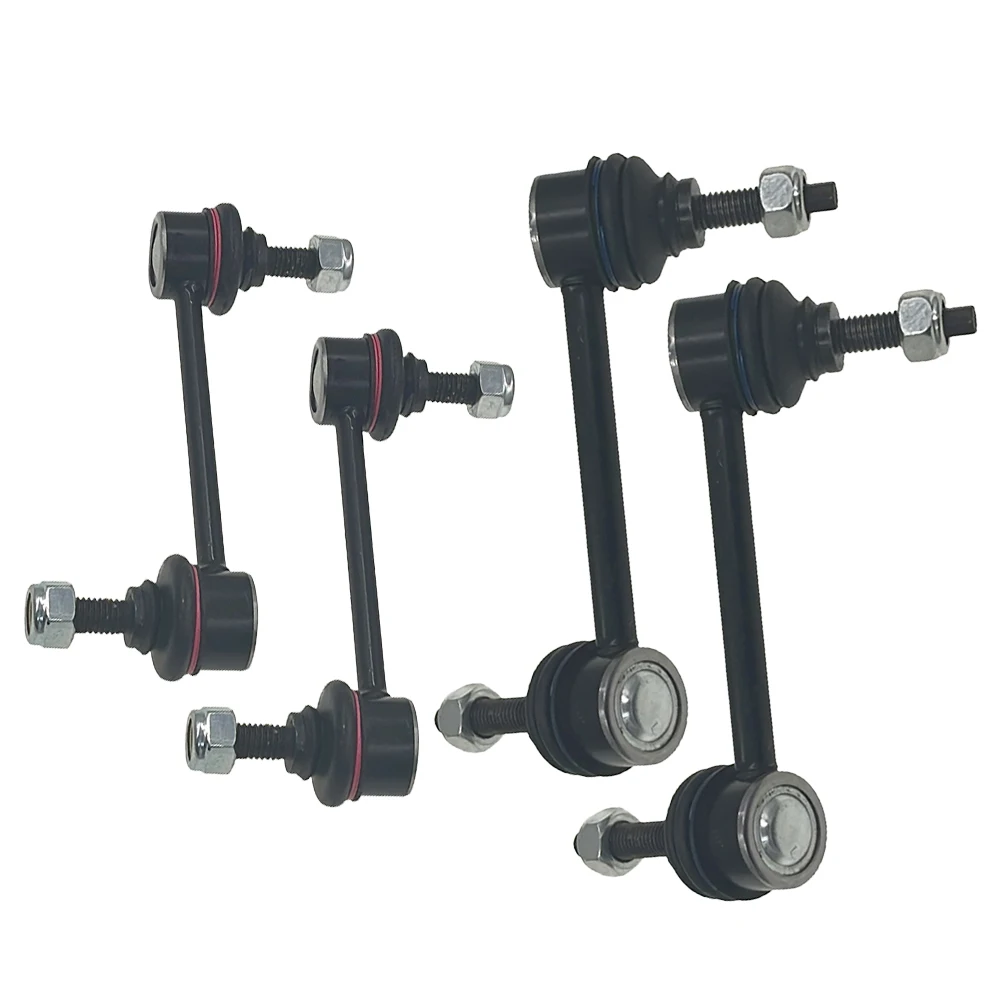
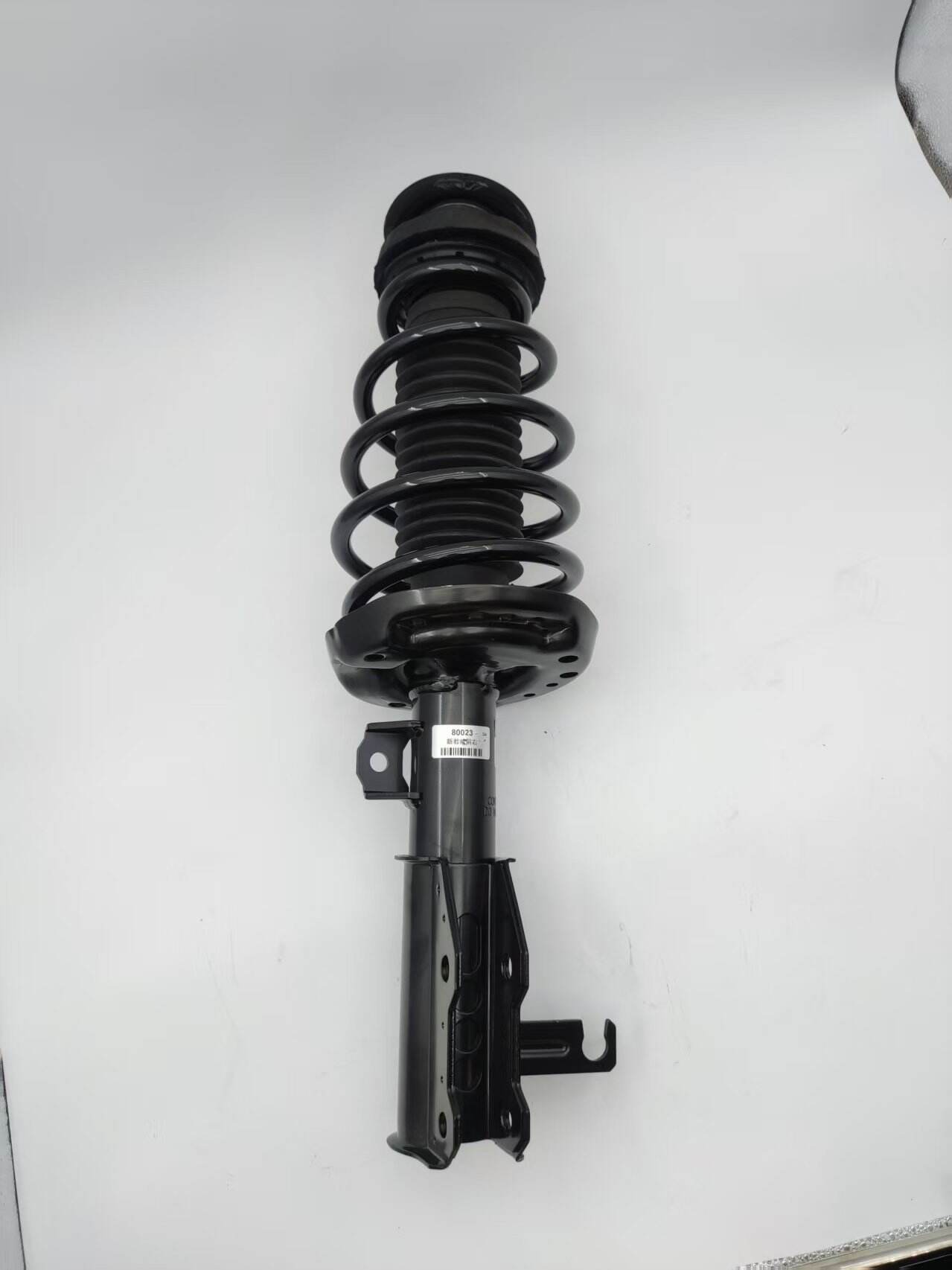
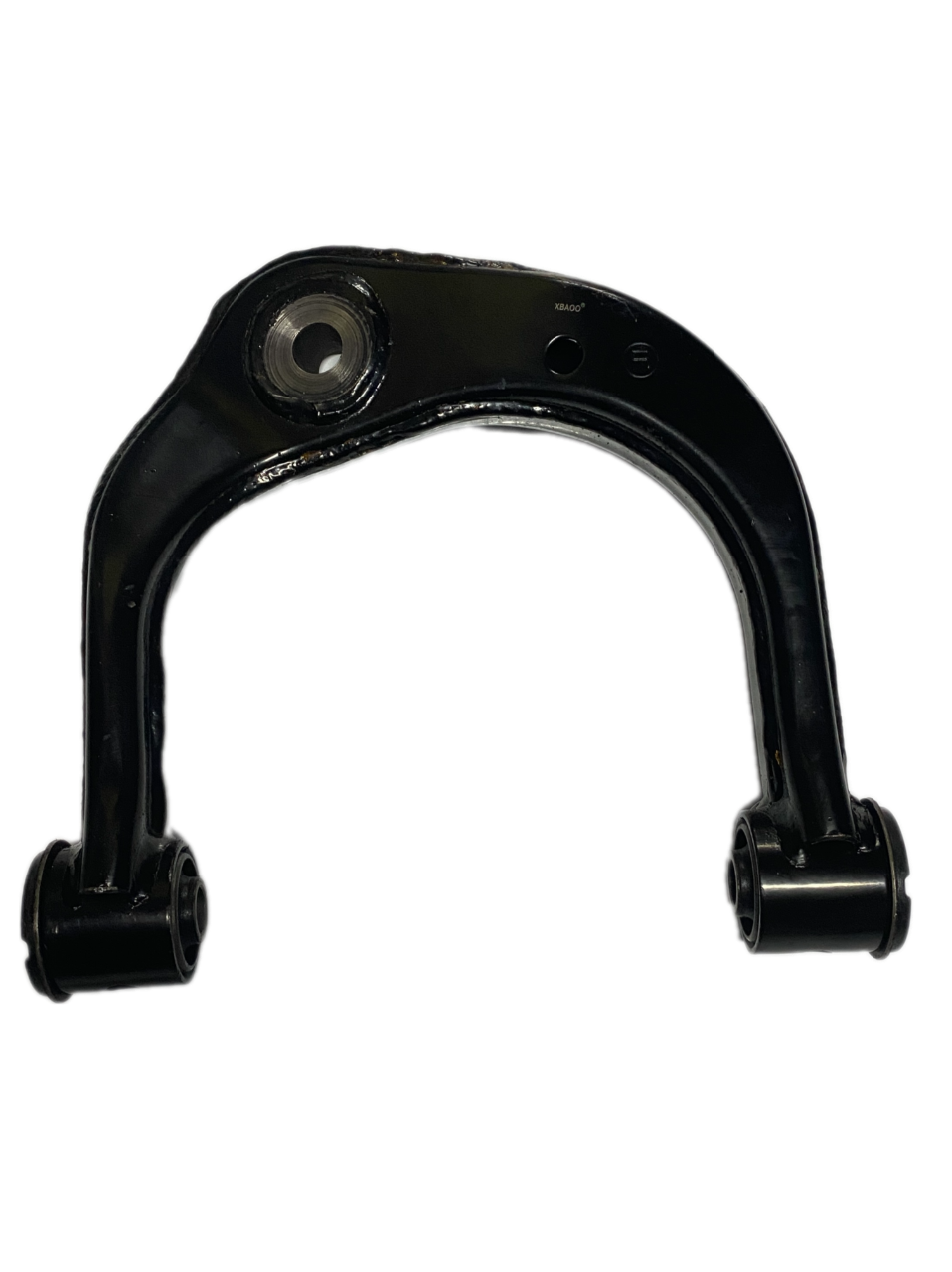
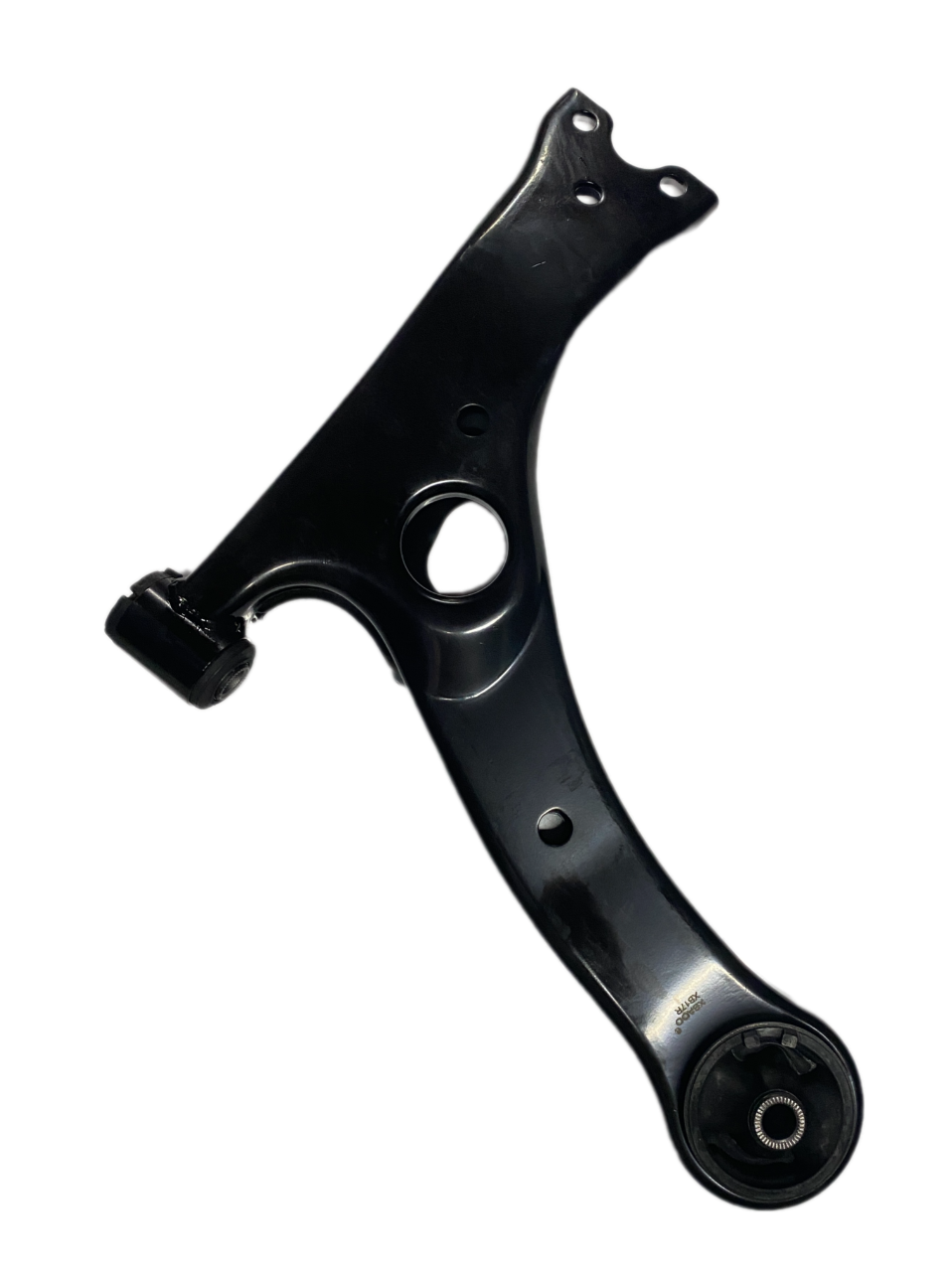
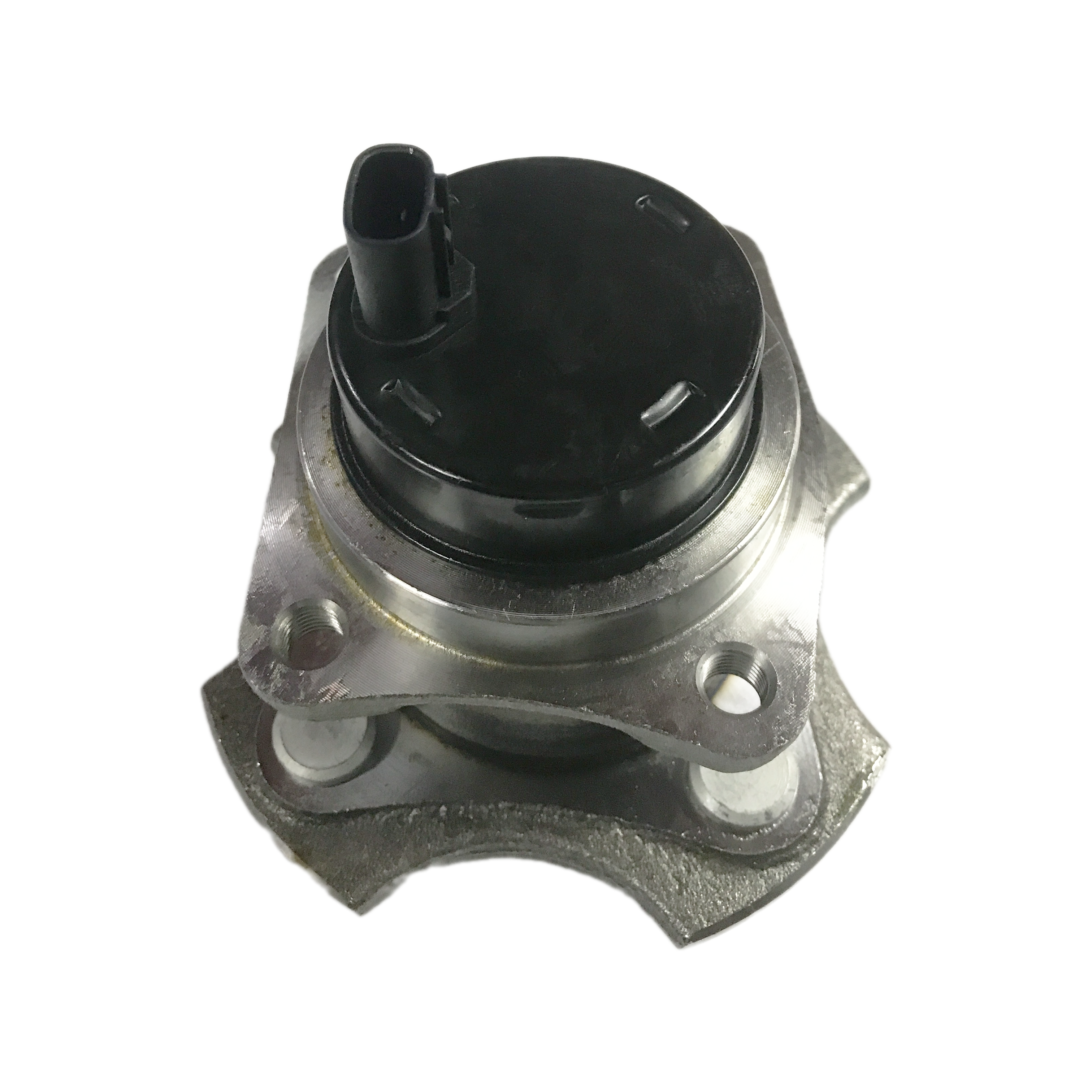
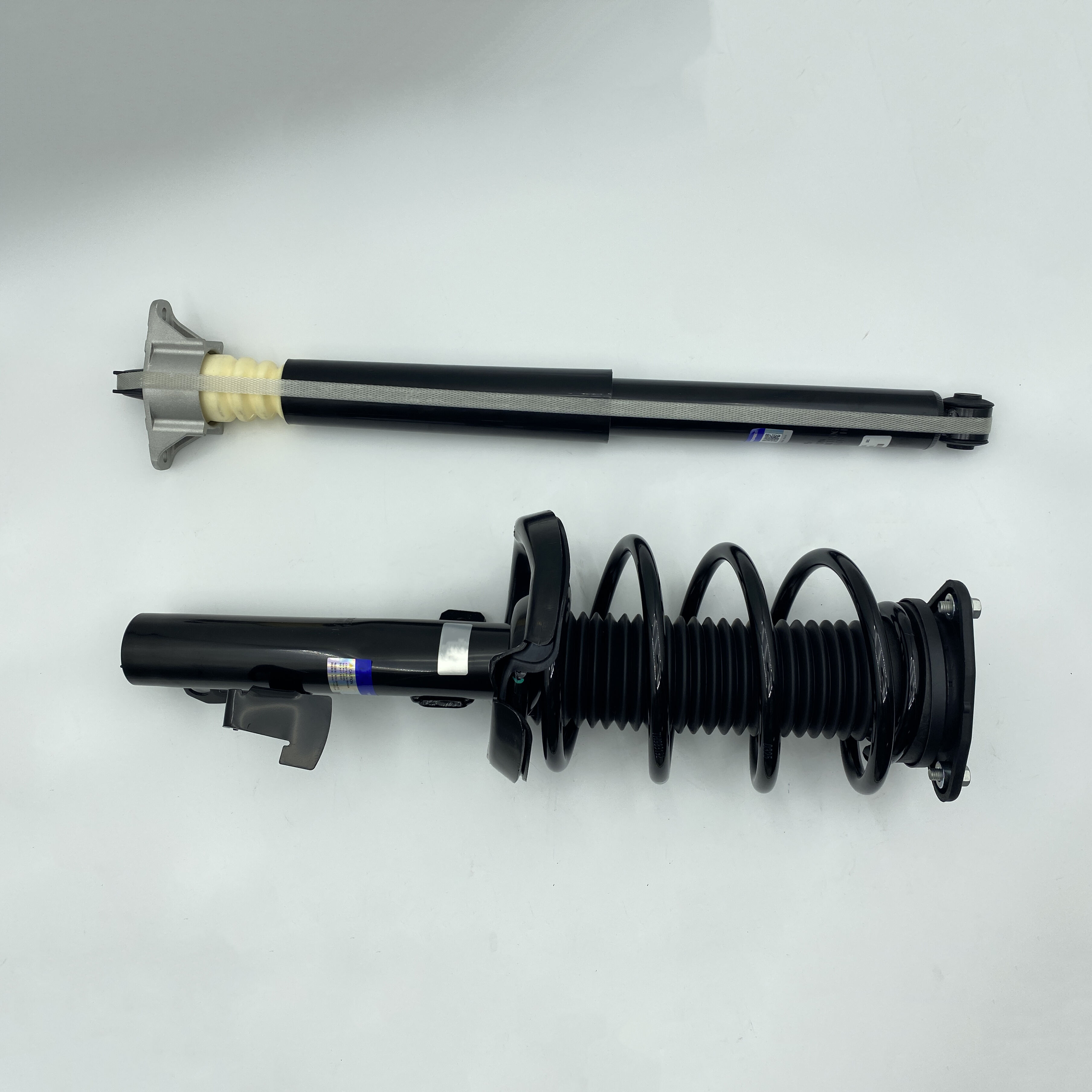
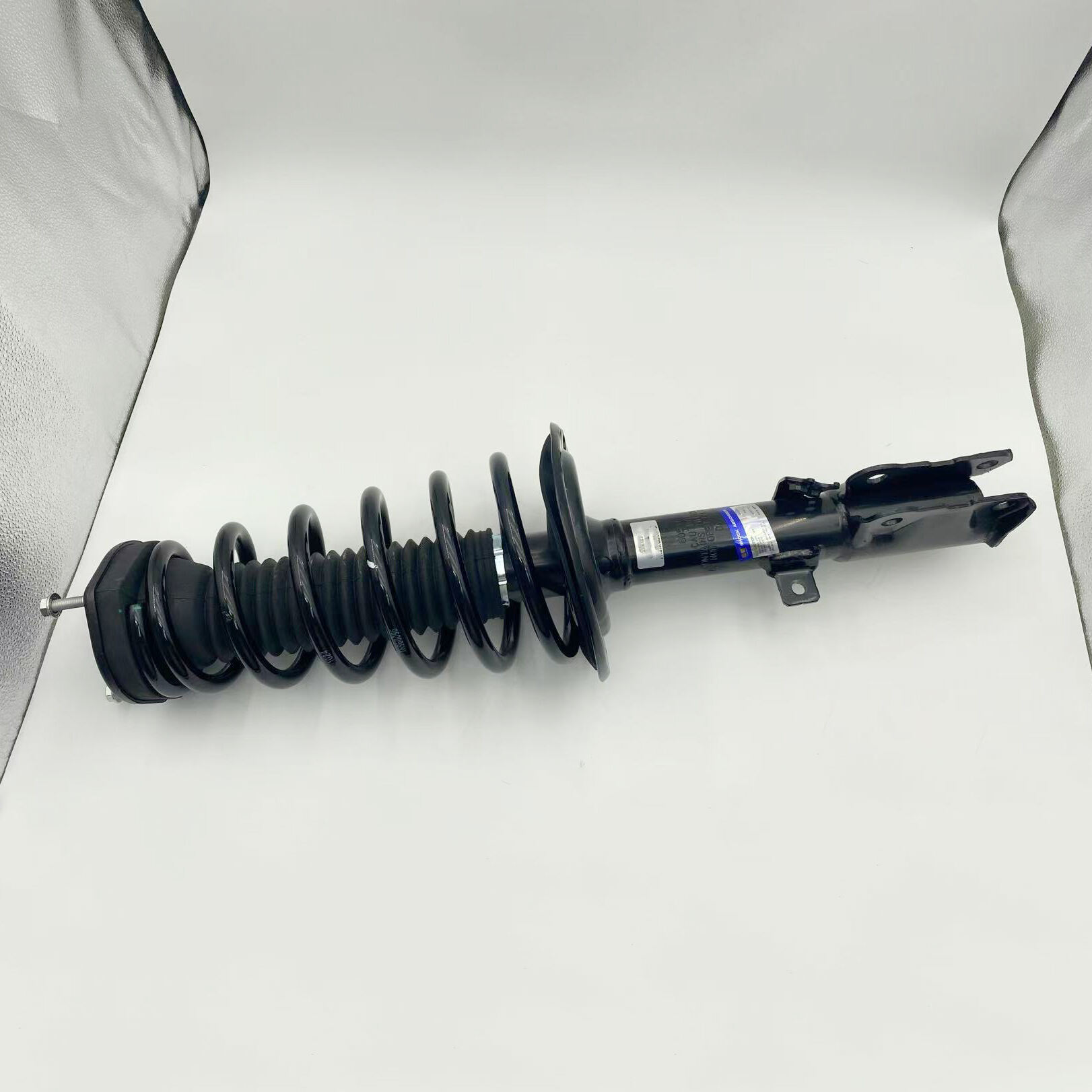
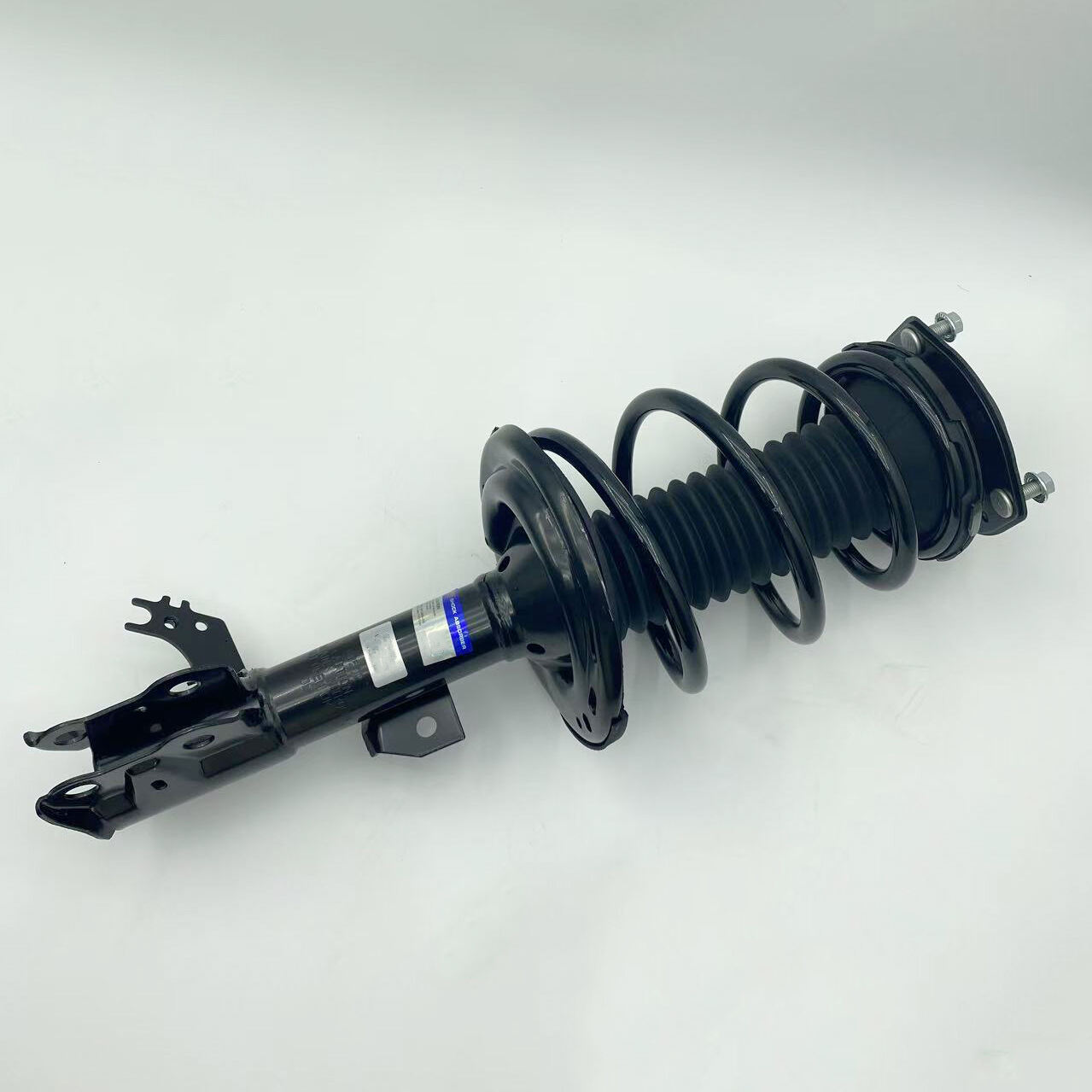
front and rear shock absorbers
Front and rear shock absorbers represent essential components in modern vehicle suspension systems, delivering critical performance benefits that directly impact driving safety, comfort, and vehicle longevity. These sophisticated mechanical devices work by controlling the oscillation of springs and managing the vertical movement of wheels when encountering road irregularities. The primary function of front and rear shock absorbers involves dampening unwanted bouncing motions that occur when vehicles traverse bumps, potholes, or uneven surfaces. By converting kinetic energy into thermal energy through hydraulic or gas-pressurized mechanisms, these components ensure optimal tire contact with the road surface. Front shock absorbers specifically handle steering responsiveness and directional stability, while rear units focus on load management and passenger comfort. Technological features of contemporary front and rear shock absorbers include advanced valving systems, twin-tube or monotube construction, and progressive damping characteristics that automatically adjust to varying driving conditions. Many premium models incorporate adjustable settings, allowing drivers to customize firmness levels based on driving preferences or load requirements. The applications of front and rear shock absorbers extend across diverse vehicle categories, from compact passenger cars to heavy-duty commercial trucks, sports cars, and off-road vehicles. Each application demands specific damping characteristics tailored to vehicle weight, intended use, and performance expectations. Manufacturing processes utilize high-grade materials including precision-machined steel, specialized seals, and advanced hydraulic fluids that maintain consistent performance across temperature extremes. Quality front and rear shock absorbers undergo rigorous testing protocols to ensure durability, reliability, and compliance with automotive safety standards, making them indispensable for maintaining vehicle stability and occupant safety.

 EN
EN