adjustable tie rod ends
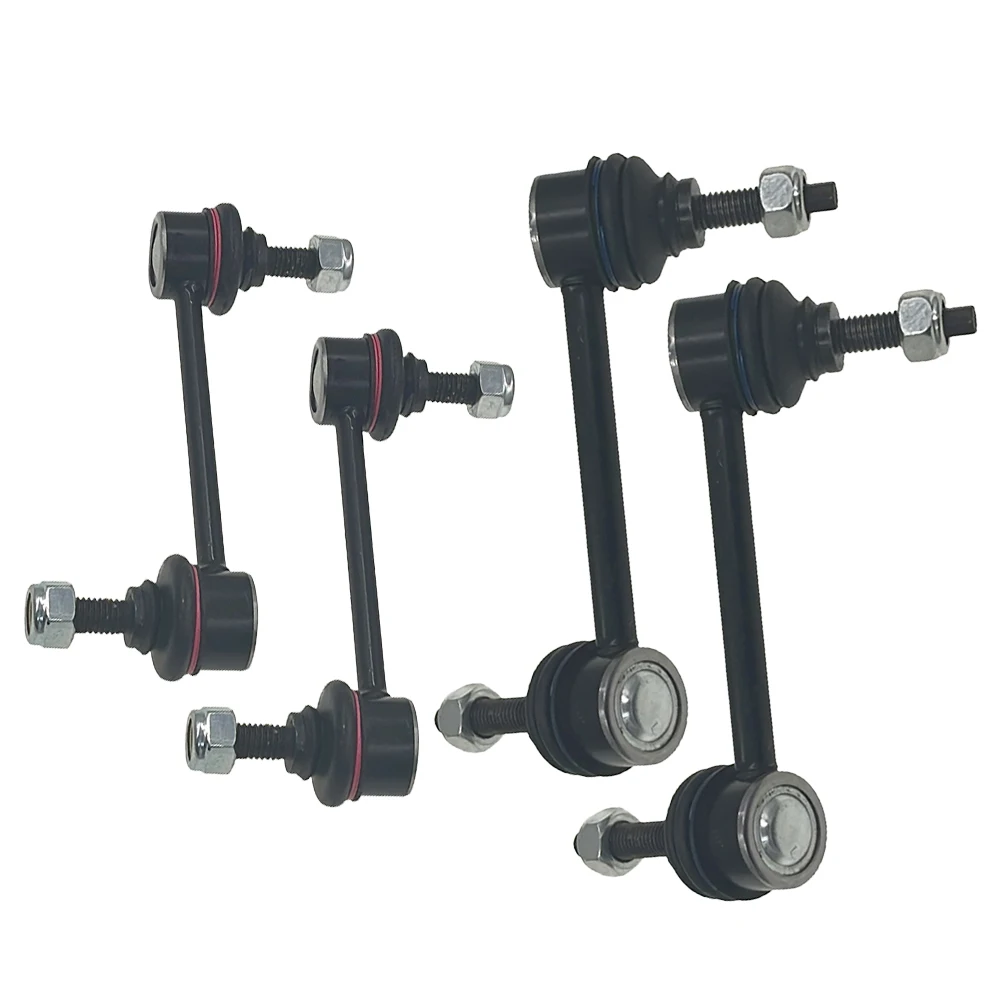
Adjustable tie rod ends represent a critical component in modern automotive suspension and steering systems, serving as the connecting link between various steering components. These precision-engineered parts enable vehicles to maintain proper wheel alignment while accommodating the dynamic movements required during steering operations. The primary function of adjustable tie rod ends involves transmitting steering input from the steering rack or steering box to the wheels, ensuring responsive and accurate directional control. Unlike fixed tie rod ends, adjustable variants feature threaded designs that allow technicians to modify their length, providing essential alignment adjustment capabilities. This adjustability makes them indispensable for maintaining optimal vehicle geometry and ensuring safe driving conditions. Technologically, adjustable tie rod ends incorporate sophisticated bearing systems, typically featuring ball-and-socket joints that facilitate smooth rotation and articulation. These joints must withstand substantial forces while maintaining precision throughout their operational lifespan. The threaded adjustment mechanism allows for fine-tuning of toe settings, which directly impacts tire wear patterns, fuel efficiency, and vehicle handling characteristics. Modern adjustable tie rod ends often utilize advanced materials such as hardened steel or specialized alloys that resist wear and corrosion. Many designs incorporate protective boots or seals to prevent contamination from road debris, moisture, and environmental elements. Applications for adjustable tie rod ends span across virtually all vehicle categories, from passenger cars and light trucks to commercial vehicles and performance automobiles. They prove particularly valuable in racing applications where precise suspension geometry adjustments can significantly impact competitive performance. Heavy-duty applications require robust designs capable of handling increased loads and harsh operating conditions. The adjustability feature becomes especially important during vehicle maintenance, allowing technicians to correct alignment issues caused by normal wear, impact damage, or component replacement.
 EN
EN