Premium Adjusting Tie Rod End - Precision Steering Components for Enhanced Vehicle Performance

All Categories

Get a Free Quote

Our representative will contact you soon.
Email
Name
Company Name
Message
0/1000

adjusting tie rod end

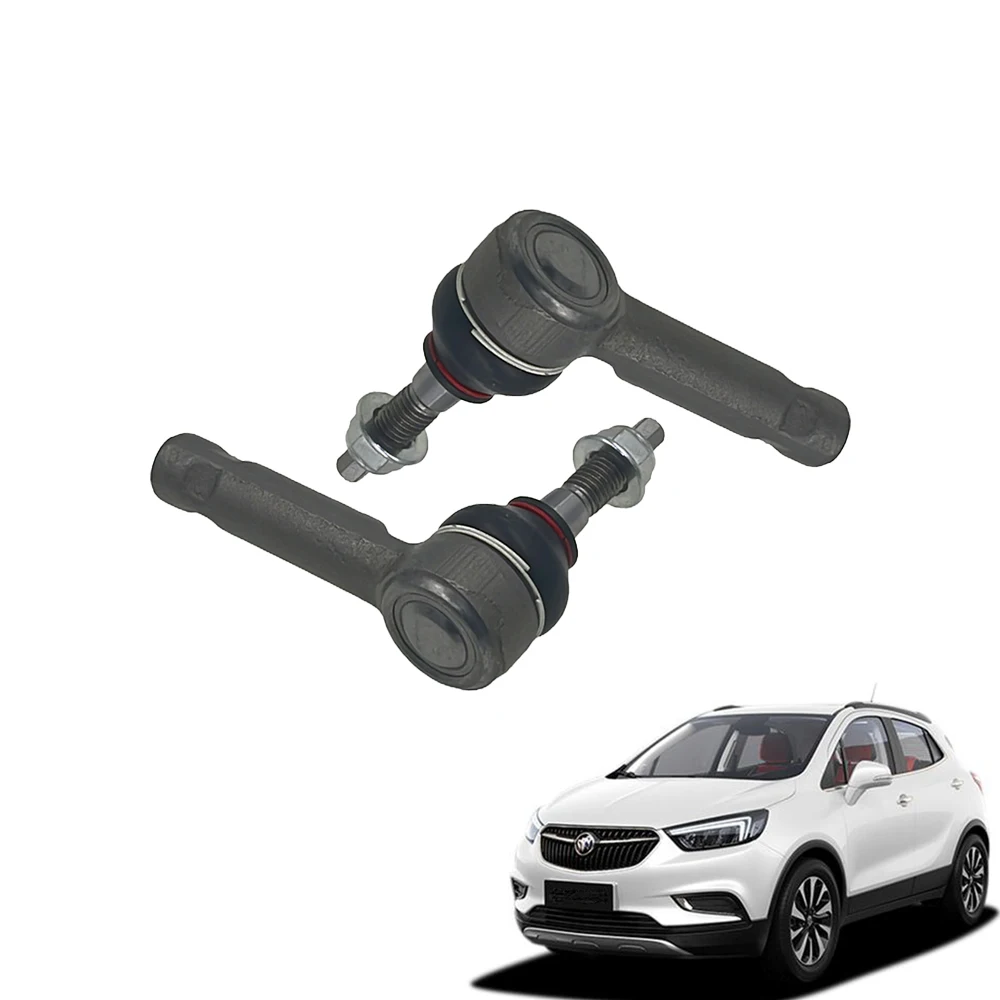
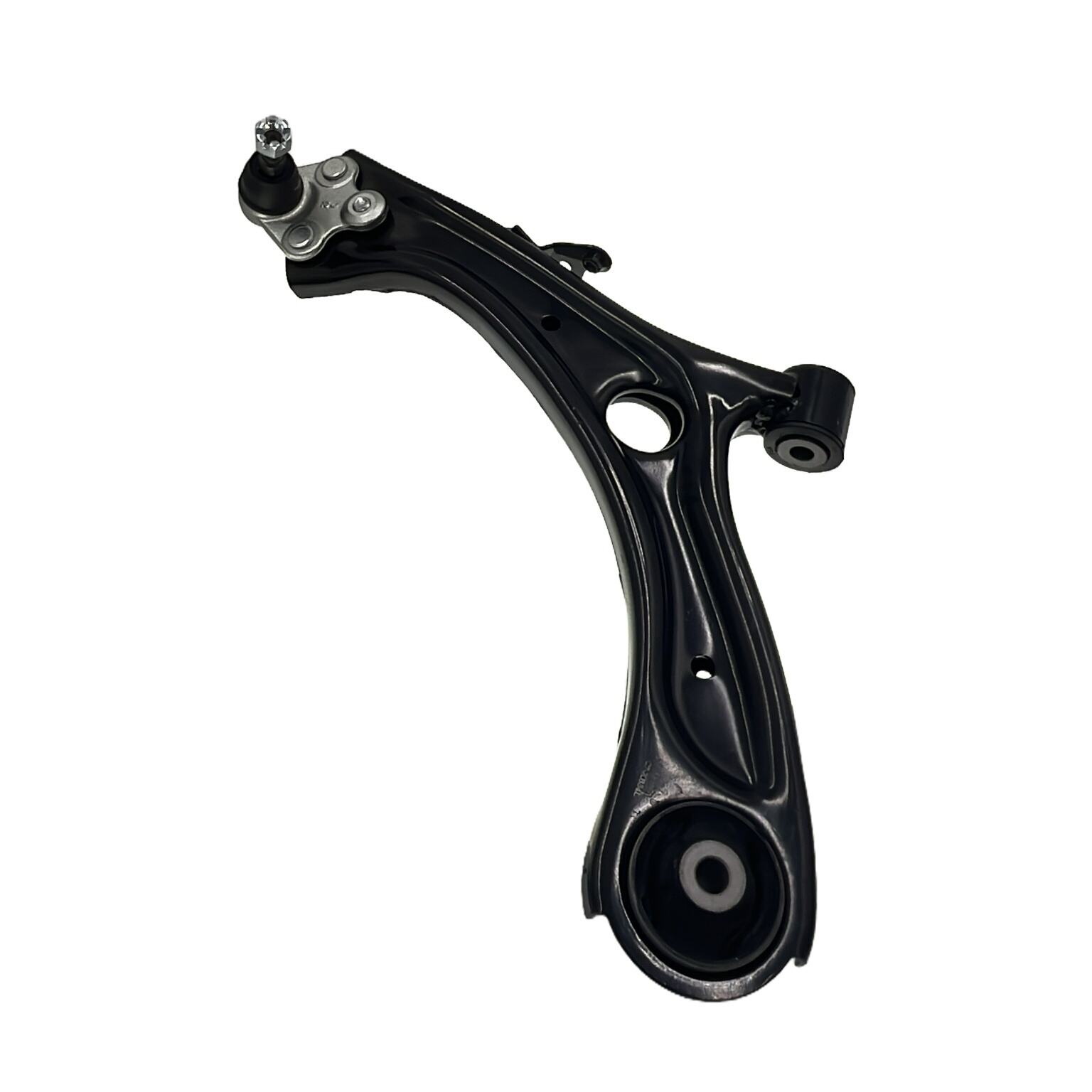
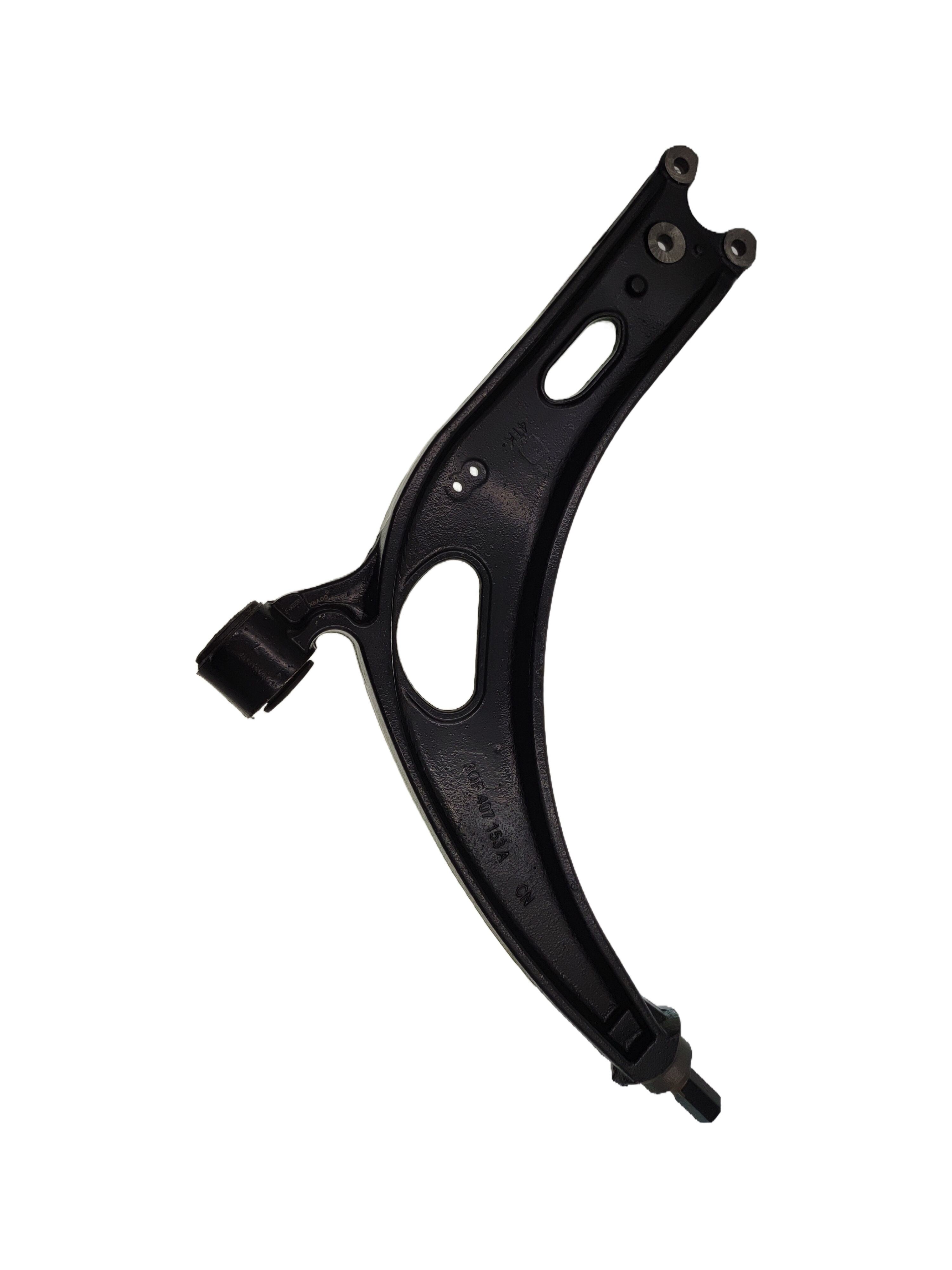
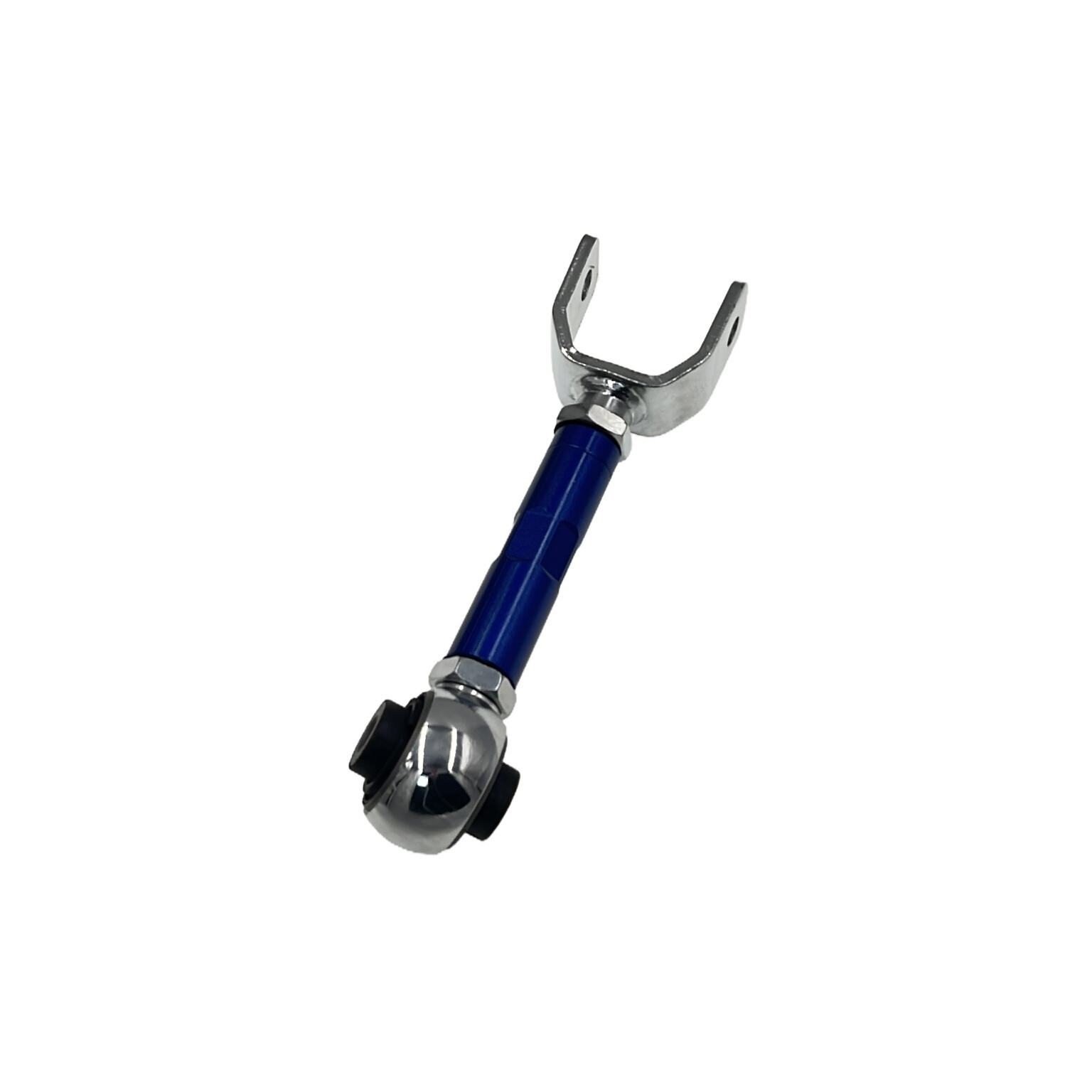
The adjusting tie rod end stands as a fundamental component within automotive steering systems, serving as the critical connection point between the steering rack and the vehicle's wheels. This precision-engineered component enables drivers to maintain proper wheel alignment while ensuring responsive steering control during operation. The adjusting tie rod end features a sophisticated ball-and-socket joint design that accommodates the complex movements required during steering maneuvers, including rotation, pivoting, and slight vertical displacement as the suspension travels over varying road surfaces. Modern adjusting tie rod end assemblies incorporate advanced materials such as hardened steel construction with corrosion-resistant coatings, ensuring long-lasting performance under demanding conditions. The component's threaded adjustment mechanism allows technicians to fine-tune toe alignment settings with remarkable precision, typically offering adjustment ranges that accommodate various vehicle specifications and alignment requirements. Contemporary adjusting tie rod end designs feature sealed bearing assemblies that protect internal components from environmental contaminants, including road salt, moisture, and debris that could compromise joint integrity. The technological sophistication extends to specialized lubrication systems that maintain smooth operation throughout the component's service life, reducing friction and preventing premature wear. Advanced manufacturing processes ensure consistent quality standards, with each adjusting tie rod end undergoing rigorous testing protocols to verify dimensional accuracy, torque specifications, and durability characteristics. Installation procedures typically involve specific torque requirements and alignment procedures that ensure optimal performance integration with existing steering components. Professional mechanics utilize specialized tools and measurement equipment to achieve precise adjustment settings that maintain proper vehicle tracking and tire wear patterns. The adjusting tie rod end's modular design facilitates efficient maintenance and replacement procedures, reducing service time and associated labor costs for vehicle owners.

New Products

Vehicle owners benefit significantly from the adjusting tie rod end's ability to maintain precise wheel alignment throughout the component's service life. This alignment precision directly translates into improved fuel efficiency, as properly aligned wheels reduce rolling resistance and eliminate the energy waste associated with tire scrubbing. The adjusting tie rod end's robust construction delivers exceptional durability that withstands the constant forces generated during daily driving, including impacts from road irregularities and the repetitive stress cycles associated with steering inputs. Drivers experience enhanced steering responsiveness and vehicle control, as the adjusting tie rod end maintains consistent connection geometry between the steering system and wheels. The component's sealed design provides superior protection against environmental factors that typically cause premature failure in lesser-quality alternatives, resulting in extended service intervals and reduced maintenance requirements. Cost savings emerge from the adjusting tie rod end's ability to prevent irregular tire wear patterns that would otherwise necessitate premature tire replacement. The precision adjustment capabilities enable technicians to compensate for normal suspension settling and component wear, extending the overall service life of steering system components. Vehicle handling characteristics remain consistent over time, as the adjusting tie rod end maintains proper suspension geometry even as other components experience normal wear progression. The component's standardized fitment specifications ensure compatibility with original equipment specifications, providing vehicle owners with reliable replacement options that maintain factory performance standards. Installation efficiency reduces labor costs, as the adjusting tie rod end's design facilitates straightforward removal and installation procedures without requiring specialized equipment or extensive disassembly. Quality control measures implemented during manufacturing ensure consistent performance characteristics, giving vehicle owners confidence in long-term reliability. The adjusting tie rod end's ability to maintain proper steering geometry contributes to enhanced safety performance, as precise wheel alignment supports optimal tire contact with road surfaces during emergency maneuvers. Maintenance scheduling becomes more predictable, as the component's robust design provides clear service indicators and follows established replacement intervals that align with routine maintenance procedures.

Practical Tips

Best Amortiguadores for a Smooth Ride: Our Top Picks

30

Jul

Best Amortiguadores for a Smooth Ride: Our Top Picks

Why Choosing the Right Amortiguadores Matters A smooth and stable ride doesn't happen by accident—it comes down to engineering, quality, and most importantly, the right amortiguadores. These essential components absorb shocks and vibrations, e...
View More
Understanding Rear Toe Arm Impact on Stability

18

Sep

Understanding Rear Toe Arm Impact on Stability

The Critical Role of Suspension Geometry in Vehicle Performance When it comes to automotive engineering, few components play as vital a role in vehicle handling and stability as the rear toe arm. This crucial suspension element helps maintain proper ...
View More
Implementing a Performance Rear Toe Arm Upgrade

27

Nov

Implementing a Performance Rear Toe Arm Upgrade

Performance enthusiasts and automotive professionals increasingly recognize the critical role that suspension geometry plays in vehicle dynamics and handling characteristics. Among the various suspension components that can be upgraded to enhance per...
View More
Maximizing Value from Your Rear Toe Arm Investment

27

Nov

Maximizing Value from Your Rear Toe Arm Investment

Vehicle suspension systems represent one of the most critical aspects of automotive performance, safety, and handling characteristics. Among the various components that contribute to optimal suspension geometry, the rear toe arm stands as a pivotal e...
View More

Get a Free Quote

Our representative will contact you soon.
Email
Name
Company Name
Message
0/1000

adjusting tie rod end

Precision Adjustment Technology for Optimal Performance

Precision Adjustment Technology for Optimal Performance

The adjusting tie rod end incorporates sophisticated precision adjustment technology that enables technicians to achieve exact wheel alignment specifications with remarkable accuracy. This advanced adjustment mechanism utilizes a threaded design that provides incremental positioning control, allowing for fine-tuning adjustments measured in fractions of degrees to meet manufacturer specifications. The technology behind this precision system involves carefully engineered thread pitches that translate rotational movement into precise linear adjustment, ensuring that alignment changes can be made gradually and accurately. Professional technicians rely on this precision capability to address various alignment issues, including toe-in and toe-out corrections that directly impact vehicle tracking and tire wear patterns. The adjusting tie rod end's precision adjustment technology accommodates the natural settling that occurs in suspension components over time, providing a means to restore original alignment specifications without replacing entire steering assemblies. This technological advantage becomes particularly valuable when addressing alignment variations that result from normal wear, minor impacts, or suspension component replacement. The precision mechanism maintains its accuracy throughout multiple adjustment cycles, ensuring that future alignment procedures can achieve consistent results. Vehicle owners benefit from this precision technology through improved fuel economy, as properly aligned wheels eliminate the rolling resistance associated with misaligned suspension geometry. The adjustment range provided by this technology typically exceeds factory specifications, allowing technicians to compensate for variations in manufacturing tolerances or modifications made to suspension components. Quality assurance testing verifies that each adjusting tie rod end maintains its precision adjustment capabilities throughout its service life, providing vehicle owners with confidence in long-term performance. The technology's reliability stems from robust materials selection and manufacturing processes that ensure dimensional stability under varying temperature conditions and mechanical stress. This precision adjustment technology represents a significant advancement over fixed-geometry alternatives, offering vehicle owners greater flexibility in maintaining optimal alignment specifications throughout their vehicle's service life.
Enhanced Durability Through Advanced Material Engineering

Enhanced Durability Through Advanced Material Engineering

The adjusting tie rod end achieves exceptional durability through advanced material engineering that incorporates high-strength steel alloys specifically selected for their resistance to fatigue, corrosion, and mechanical wear. This engineering approach begins with metallurgical analysis that identifies optimal material compositions capable of withstanding the complex stress patterns encountered during steering operations. The component's ball joint assembly utilizes hardened steel construction that maintains dimensional stability under the repetitive loading cycles associated with daily driving conditions. Advanced heat treatment processes enhance the material's mechanical properties, creating a surface hardness that resists wear while maintaining core toughness necessary for impact resistance. Corrosion protection systems integrate multiple layers of defense, including zinc plating and specialized coatings that prevent moisture penetration and chemical attack from road salt and environmental contaminants. The adjusting tie rod end's housing construction employs precision machining techniques that ensure optimal fit tolerances, reducing stress concentrations that could lead to premature failure. Material engineering extends to the internal bearing surfaces, where specialized alloys provide low-friction operation while maintaining load-bearing capacity throughout the component's service life. Quality control procedures verify material properties at multiple stages of production, ensuring that each adjusting tie rod end meets stringent durability standards before reaching vehicle owners. The engineering approach includes consideration of thermal expansion characteristics, ensuring that dimensional stability remains consistent across the full range of operating temperatures encountered in automotive applications. Advanced manufacturing techniques create seamless integration between different materials within the assembly, preventing galvanic corrosion and ensuring long-term structural integrity. This material engineering excellence translates into extended service intervals for vehicle owners, reducing the frequency of replacement and associated maintenance costs. Field testing validates the durability improvements achieved through advanced material engineering, providing real-world performance data that confirms laboratory predictions and ensures customer satisfaction with long-term reliability.
Sealed Protection System for Contamination Resistance

Sealed Protection System for Contamination Resistance

The adjusting tie rod end features an advanced sealed protection system designed to prevent contamination from road debris, moisture, salt, and other environmental hazards that typically compromise steering component performance. This comprehensive sealing technology incorporates multiple barrier layers that create an effective defense against particle intrusion while maintaining the flexibility necessary for normal joint operation. The primary sealing elements utilize elastomeric materials engineered to maintain their sealing properties across extreme temperature ranges, from winter cold to summer heat conditions. Advanced seal geometry ensures positive contact with mating surfaces while accommodating the angular movement and rotation required during steering operations. The protection system includes specialized boot designs that flex with suspension movement while maintaining complete enclosure of critical bearing surfaces and lubrication reservoirs. Manufacturing precision ensures that sealing interfaces maintain proper compression and alignment, preventing the formation of leak paths that could allow contamination entry. The sealed environment preserves factory-installed lubrication throughout the component's service life, eliminating the need for periodic relubrication and reducing maintenance requirements. Quality testing procedures verify seal integrity under simulated road conditions, including exposure to high-pressure water, salt spray, and temperature cycling that replicate real-world environmental challenges. The protection system's effectiveness extends component life significantly compared to unsealed alternatives, providing vehicle owners with improved reliability and reduced replacement frequency. Engineering considerations include the selection of seal materials that resist degradation from petroleum products, brake fluids, and other automotive chemicals commonly encountered in service environments. The sealed design maintains consistent internal clearances by preventing debris accumulation that could increase friction or cause binding in joint operation. Installation procedures ensure that seal integrity remains intact during assembly, with specific torque requirements and handling protocols that preserve the protection system's effectiveness. This contamination resistance technology represents a significant advancement in steering component reliability, offering vehicle owners peace of mind regarding long-term performance in challenging operating environments.

Get a Free Quote

Our representative will contact you soon.
Email
Name
Company Name
Message
0/1000