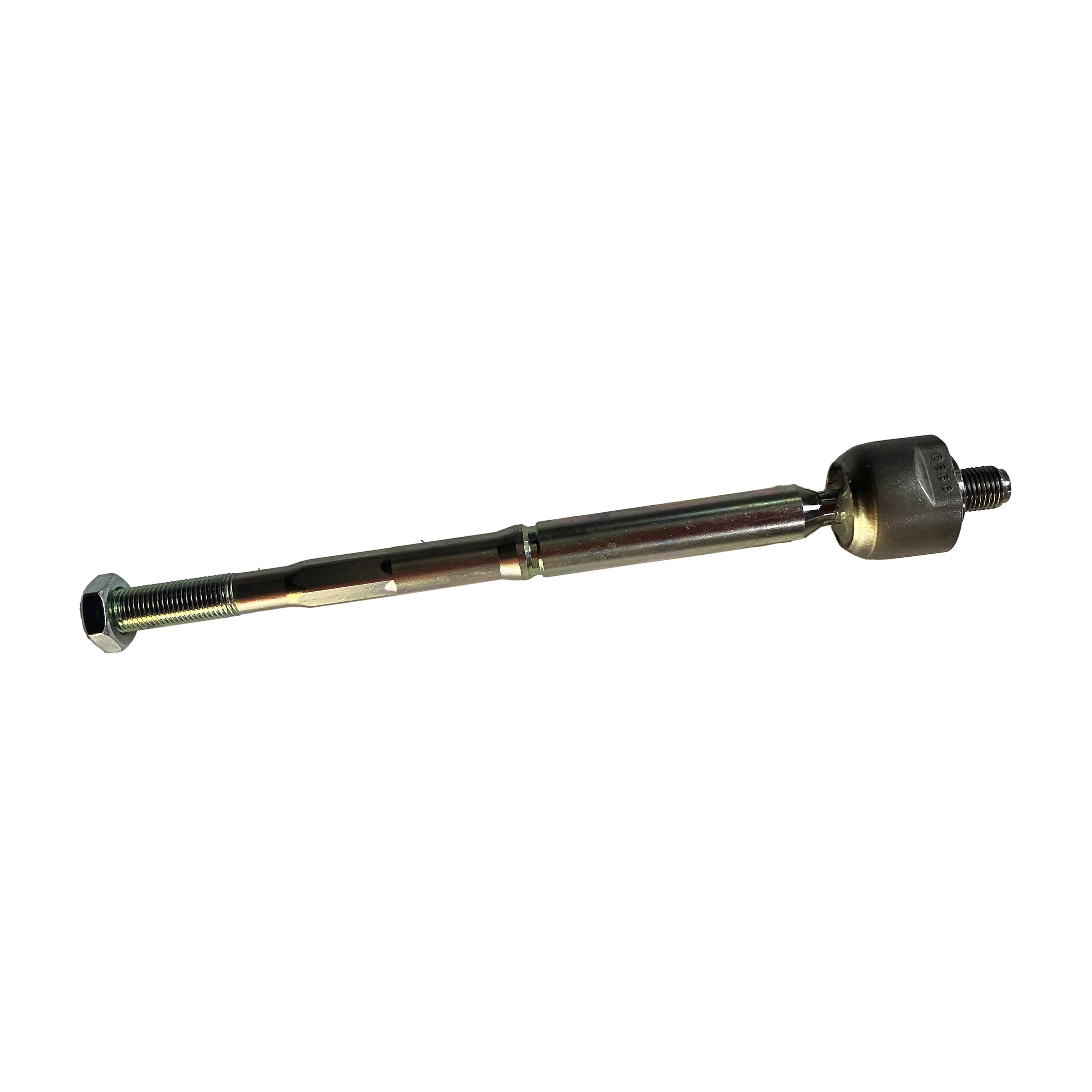
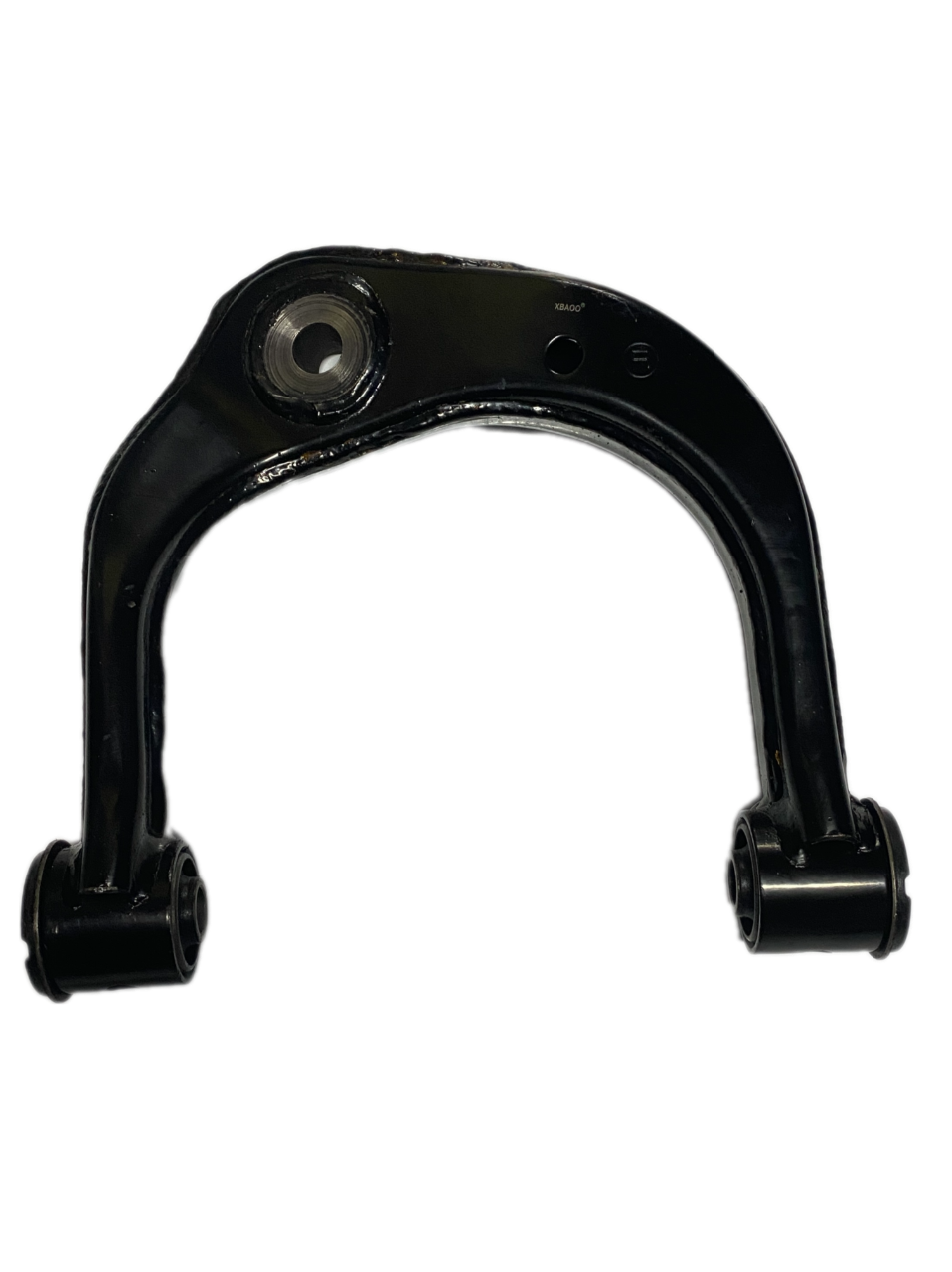
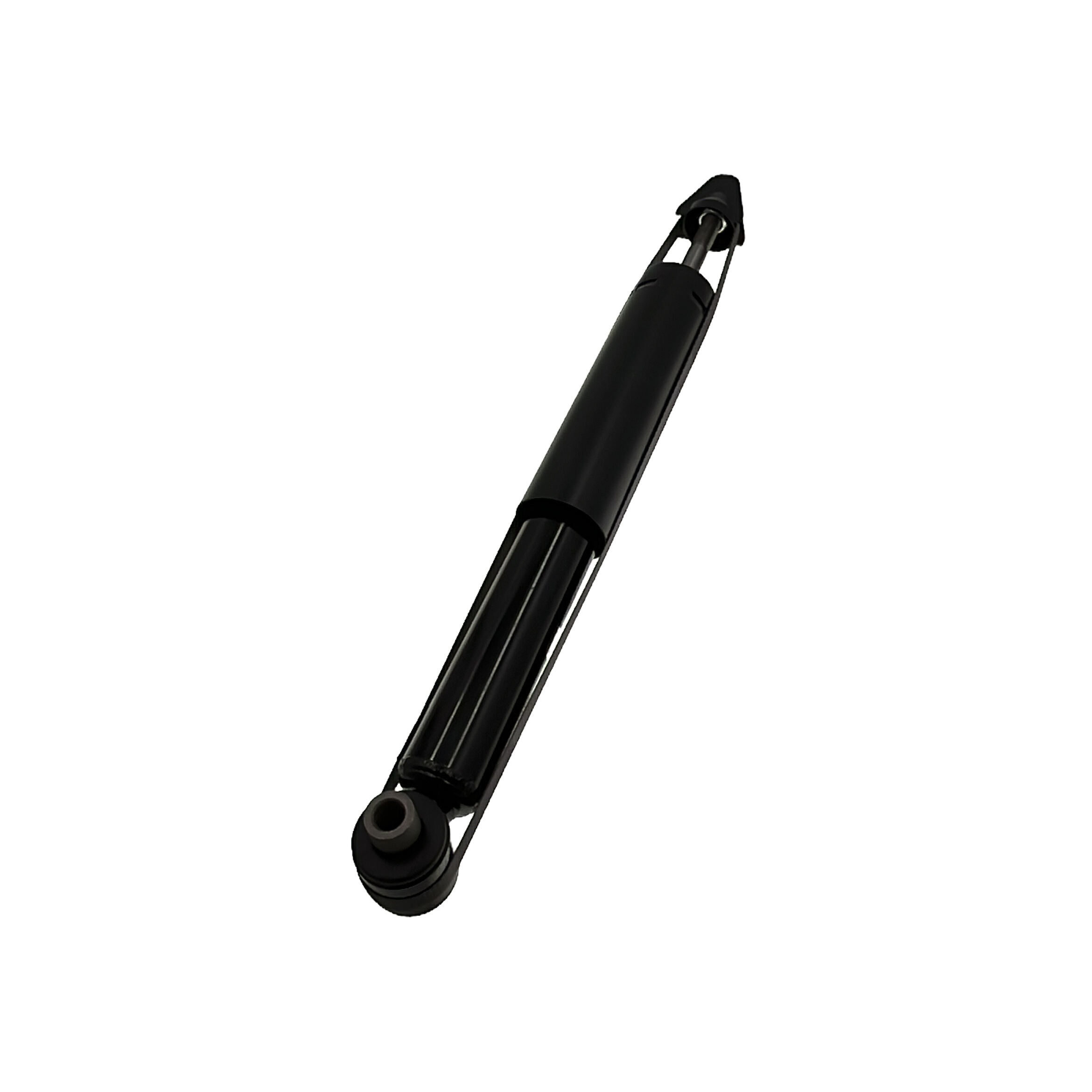
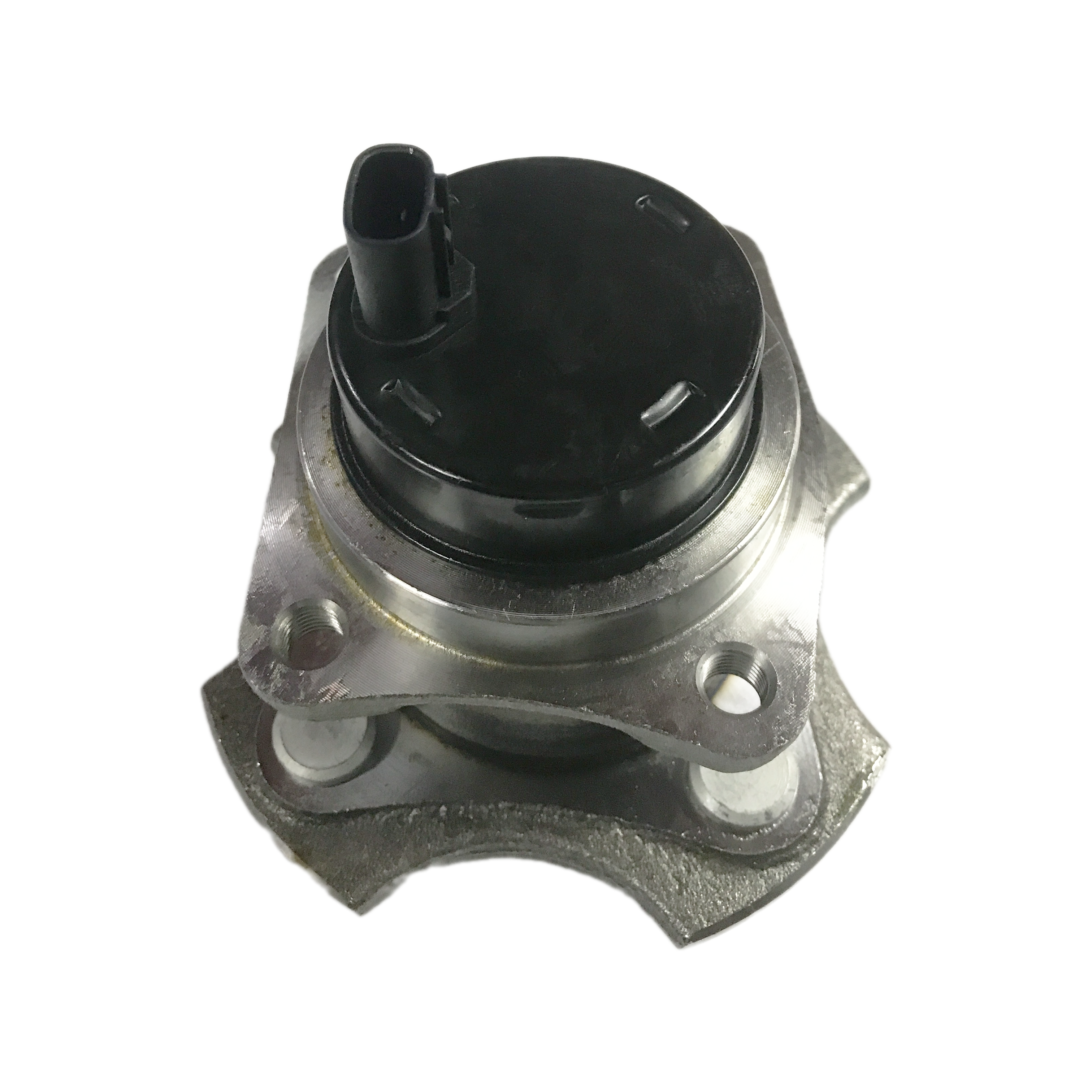
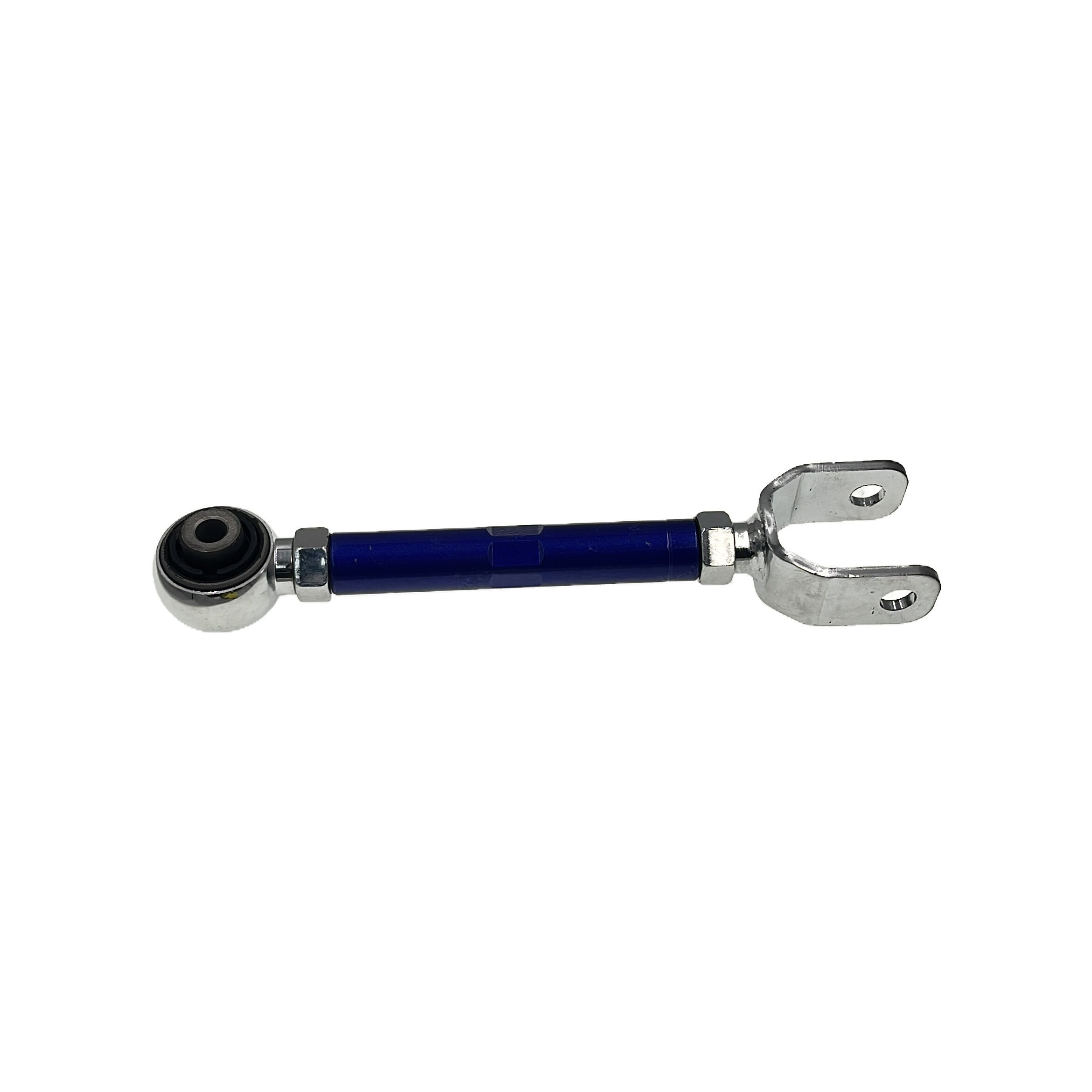
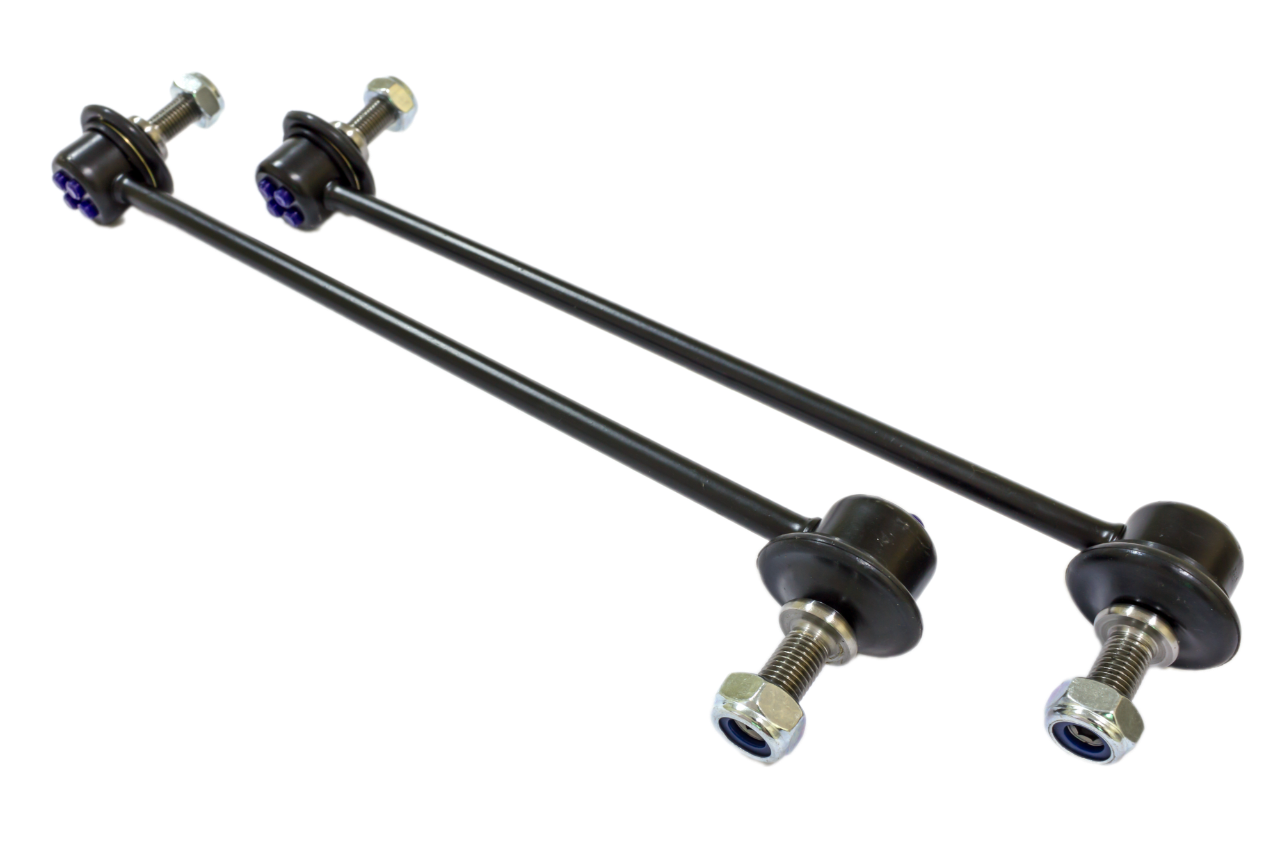
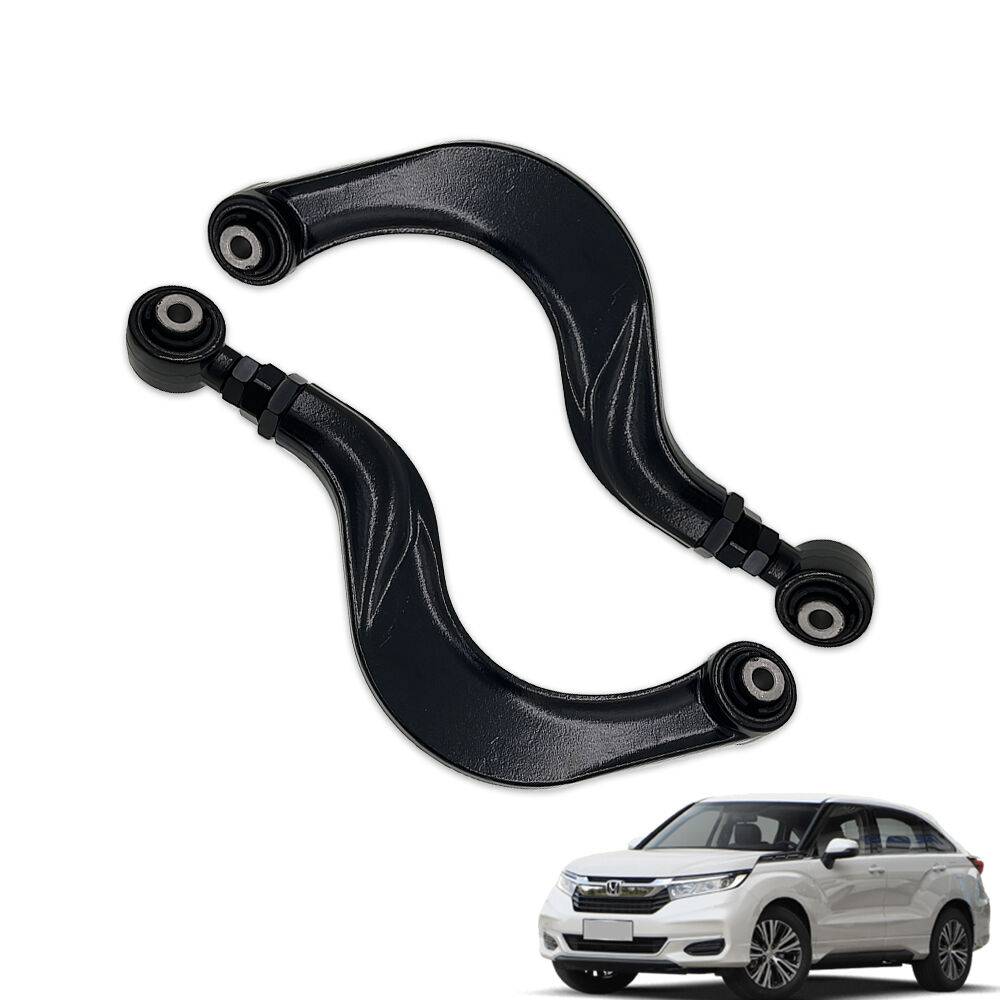
inner outer tie rod ends
Inner outer tie rod ends represent critical components in automotive steering systems, serving as the essential connection points between the steering rack and the vehicle's wheels. These precision-engineered parts consist of two distinct elements: the inner tie rod end, which attaches directly to the steering rack or center link, and the outer tie rod end, which connects to the steering knuckle. Together, these components form a vital link in the steering mechanism that translates driver input from the steering wheel into precise directional control of the vehicle. The inner outer tie rod ends operate through a sophisticated ball-and-socket joint design that allows for smooth articulation while maintaining structural integrity under various driving conditions. This engineering approach enables the steering system to accommodate suspension movement, road irregularities, and turning maneuvers without compromising steering responsiveness or vehicle stability. The technological features of inner outer tie rod ends include high-strength steel construction, advanced heat treatment processes, and precision manufacturing tolerances that ensure optimal performance and longevity. Many modern inner outer tie rod ends incorporate specialized coatings and materials that resist corrosion, wear, and environmental degradation. The applications for these components span across virtually all motor vehicles, from compact passenger cars to heavy-duty commercial trucks, with specific designs tailored to meet the unique requirements of each vehicle type. Installation typically involves careful alignment procedures to ensure proper toe settings and steering geometry, making these components crucial for maintaining vehicle safety, tire wear patterns, and overall driving performance throughout the vehicle's operational life.
 EN
EN