Complete Guide to Stabilizer Link Cost: Performance, Value & Benefits Analysis

All Categories

Get a Free Quote

Our representative will contact you soon.
Email
Name
Company Name
Message
0/1000

stabilizer link cost

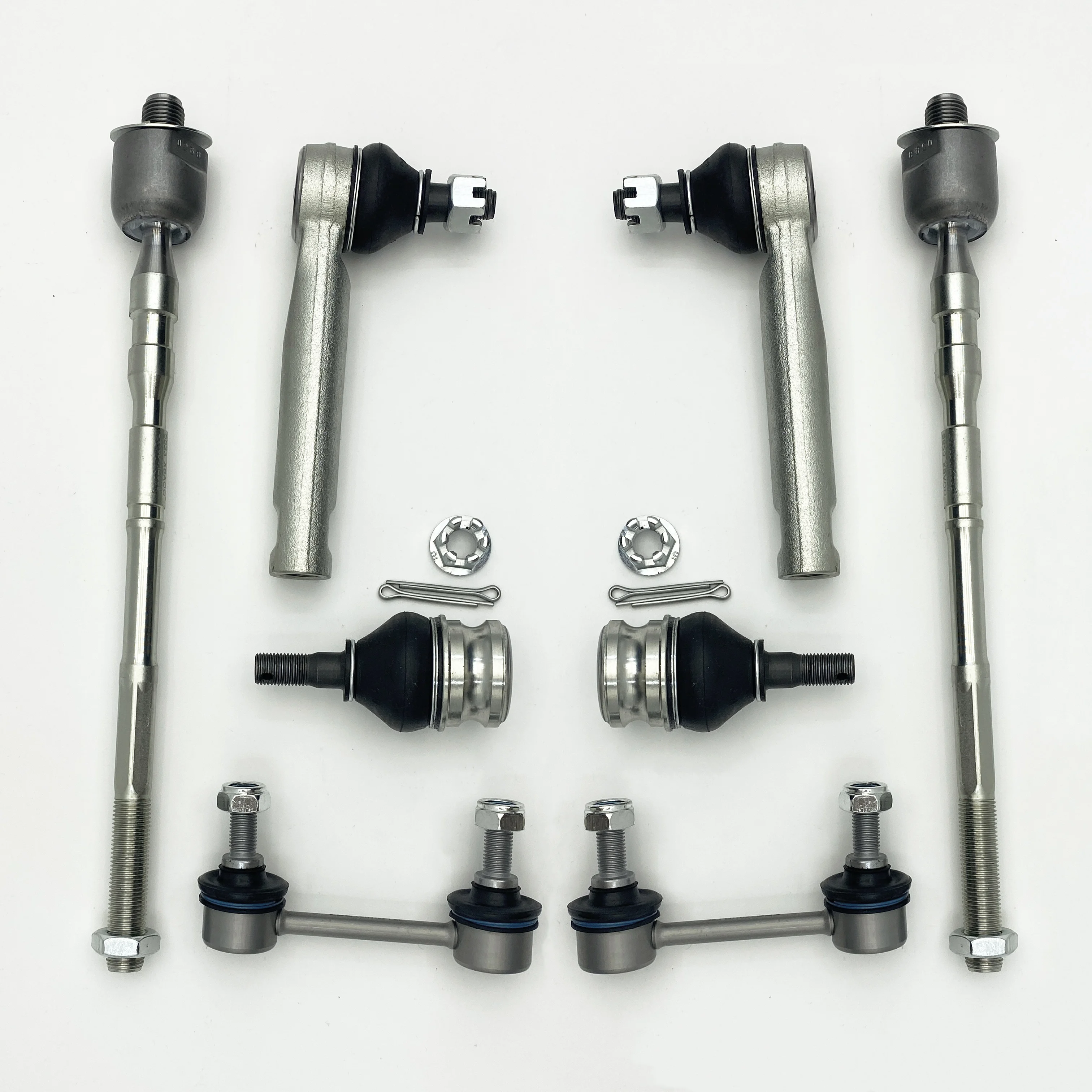
Understanding stabilizer link cost is crucial for vehicle owners seeking optimal suspension performance and budget management. The stabilizer link, also known as a sway bar link, plays an essential role in maintaining vehicle stability during cornering and lateral movements. When evaluating stabilizer link cost, consumers must consider various factors including material quality, brand reputation, and installation requirements. The primary function of a stabilizer link involves connecting the anti-roll bar to the suspension components, effectively reducing body roll and enhancing driving comfort. Modern stabilizer links incorporate advanced engineering designs that utilize high-strength steel or composite materials to withstand continuous stress and environmental conditions. The technological features of contemporary stabilizer links include corrosion-resistant coatings, precision-engineered bushings, and enhanced durability specifications that extend service life. Applications span across passenger vehicles, commercial trucks, and performance automobiles, with each requiring specific stabilizer link cost considerations based on operational demands. The cost structure encompasses manufacturing expenses, material sourcing, quality control processes, and distribution logistics that ultimately influence retail pricing. Premium stabilizer links feature superior metallurgy, advanced heat treatment processes, and rigorous testing protocols that justify higher initial investment through extended longevity and improved performance characteristics. Budget-conscious consumers can find economical options that maintain acceptable quality standards while managing stabilizer link cost effectively. Installation complexity affects total ownership costs, as some designs require specialized tools or professional expertise, while others accommodate straightforward replacement procedures. Market competition drives innovation in stabilizer link technology, resulting in improved cost-effectiveness ratios and enhanced value propositions for consumers. Understanding these fundamental aspects enables informed purchasing decisions that balance performance requirements with stabilizer link cost constraints, ensuring optimal vehicle maintenance outcomes.

New Product Recommendations

The advantages of considering stabilizer link cost extend far beyond simple price comparison, offering substantial benefits that enhance vehicle performance and owner satisfaction. Smart evaluation of stabilizer link cost enables consumers to make informed decisions that maximize value while maintaining safety standards and operational reliability. One significant advantage involves the correlation between appropriate stabilizer link cost investment and long-term durability, as higher-quality components typically deliver extended service intervals that reduce replacement frequency and associated labor expenses. Vehicle owners who understand stabilizer link cost dynamics can strategically plan maintenance schedules, avoiding unexpected failures that lead to costly emergency repairs and potential safety hazards. The competitive marketplace surrounding stabilizer link cost creates opportunities for consumers to access premium technology at reasonable prices through bulk purchasing, seasonal promotions, and manufacturer incentives. Proper stabilizer link cost analysis includes evaluation of warranty coverage, technical support availability, and manufacturer reputation, factors that significantly impact total ownership experience and satisfaction levels. Advanced stabilizer links justify their cost through improved ride quality, enhanced cornering stability, and reduced tire wear patterns that translate into measurable savings over time. The stabilizer link cost structure reflects manufacturing investments in research and development, quality assurance protocols, and advanced materials that deliver superior performance characteristics compared to basic alternatives. Professional installation services often provide cost-effective solutions when bundled with stabilizer link purchases, eliminating the need for specialized tools and ensuring proper torque specifications that maximize component longevity. Understanding stabilizer link cost variations across different vehicle applications helps consumers select appropriate specifications that match their driving habits, environmental conditions, and performance expectations. The transparency of stabilizer link cost information enables direct comparison shopping across multiple suppliers, fostering healthy competition that benefits end consumers through improved pricing and product innovations. Educational resources about stabilizer link cost factors empower vehicle owners to communicate effectively with service providers, ensuring fair pricing and appropriate product selection that aligns with their specific needs and budget constraints.

Latest News

Best Amortiguadores for a Smooth Ride: Our Top Picks

30

Jul

Best Amortiguadores for a Smooth Ride: Our Top Picks

Why Choosing the Right Amortiguadores Matters A smooth and stable ride doesn't happen by accident—it comes down to engineering, quality, and most importantly, the right amortiguadores. These essential components absorb shocks and vibrations, e...
View More
Why Adjustable Control Arms Matter for Vehicles

31

Jul

Why Adjustable Control Arms Matter for Vehicles

Why Adjustable Control Arms Matter for Vehicles Control arms are key parts of a vehicle’s suspension system, linking the frame to the wheels and guiding how wheels move when you steer, brake, or hit a bump. While standard control arms work for ...
View More
Guide to Implementing a Performance Control Arms Upgrade

31

Jul

Guide to Implementing a Performance Control Arms Upgrade

Guide to Implementing a Performance Control Arms Upgrade Control arms are critical parts of a vehicle’s suspension system, linking the frame to the wheels and managing how the wheels move during acceleration, braking, and cornering. Stock contr...
View More
Best Practices for Using Adjustable Camber Arms

27

Nov

Best Practices for Using Adjustable Camber Arms

Adjustable camber arms represent a crucial upgrade for automotive enthusiasts and professionals seeking precise wheel alignment control. These sophisticated suspension components allow drivers to fine-tune their vehicle's camber angle, delivering imp...
View More

Get a Free Quote

Our representative will contact you soon.
Email
Name
Company Name
Message
0/1000

stabilizer link cost

Cost-Effective Durability and Long-Term Value

Cost-Effective Durability and Long-Term Value

The relationship between stabilizer link cost and long-term durability represents one of the most compelling advantages for discerning vehicle owners who prioritize value optimization over short-term savings. Premium stabilizer links justify their initial cost through superior material composition, advanced manufacturing processes, and rigorous quality control standards that significantly extend operational lifespan compared to economy alternatives. High-grade steel alloys used in quality stabilizer links undergo specialized heat treatment and surface hardening procedures that enhance resistance to fatigue, corrosion, and mechanical wear, effectively reducing the frequency of replacement cycles and associated labor costs. The engineering precision reflected in stabilizer link cost ensures proper dimensional tolerances, optimal bushing materials, and enhanced connection integrity that prevents premature failure modes commonly associated with inferior components. Vehicle owners who invest appropriately in stabilizer link cost benefit from reduced maintenance intervals, fewer unexpected breakdowns, and improved overall reliability that translates into measurable cost savings over the component's service life. Advanced coating technologies incorporated into premium stabilizer links provide superior protection against environmental factors including road salt, moisture, and temperature fluctuations, maintaining structural integrity and performance characteristics throughout extended operational periods. The stabilizer link cost structure for high-quality components includes investments in advanced metallurgy, precision machining, and comprehensive testing protocols that validate performance specifications under diverse operating conditions. Professional-grade stabilizer links demonstrate exceptional resistance to stress concentration points, fatigue cracking, and bushing deterioration that commonly plague budget alternatives, ensuring consistent performance and enhanced safety margins. The correlation between appropriate stabilizer link cost investment and reduced total ownership expenses becomes evident through extended replacement intervals, decreased labor charges, and minimized secondary component damage that occurs when inferior parts fail catastrophically. Understanding this durability advantage helps consumers recognize that higher stabilizer link cost often represents superior value proposition through enhanced longevity, improved reliability, and reduced lifecycle expenses that offset initial purchase price premiums.

Enhanced Vehicle Performance and Safety Benefits

Enhanced Vehicle Performance and Safety Benefits

The performance advantages associated with quality stabilizer link cost investment manifest through measurable improvements in vehicle handling, stability, and safety characteristics that significantly enhance the driving experience across various operating conditions. Premium stabilizer links engineered with precise specifications and superior materials deliver enhanced anti-roll bar connectivity that effectively reduces body roll during cornering maneuvers, improving driver confidence and passenger comfort while maintaining optimal tire contact with road surfaces. The relationship between stabilizer link cost and performance becomes evident through improved suspension geometry maintenance, as quality components resist deflection and maintain proper alignment under dynamic loading conditions that compromise inferior alternatives. Vehicle owners who understand the performance benefits reflected in stabilizer link cost can experience enhanced steering response, reduced understeer tendencies, and improved overall vehicle composure during emergency maneuvers and spirited driving situations. Advanced stabilizer links justify their cost through superior bushing materials and connection hardware that minimize play, eliminate unwanted movement, and maintain precise suspension control throughout the component's operational lifespan. The engineering sophistication incorporated into premium stabilizer link designs includes optimized leverage ratios, enhanced material properties, and improved connection interfaces that maximize anti-roll bar effectiveness while minimizing stress concentrations and fatigue potential. Safety benefits associated with appropriate stabilizer link cost investment include reduced rollover risk, improved emergency handling characteristics, and enhanced vehicle stability during adverse weather conditions or sudden evasive maneuvers. Quality stabilizer links maintain consistent performance characteristics across temperature ranges, ensuring reliable operation during extreme weather conditions when inferior components may experience degraded performance or complete failure. The stabilizer link cost structure for performance-oriented applications reflects investments in advanced testing, validation procedures, and specialized materials that deliver superior dynamic response and enhanced durability under demanding operating conditions. Professional racing applications demonstrate the critical importance of quality stabilizer link cost investment, as component failure can result in catastrophic consequences that extend far beyond simple inconvenience or repair expenses. Understanding these performance and safety advantages enables informed decision-making that balances stabilizer link cost considerations with the substantial benefits of enhanced vehicle dynamics, improved safety margins, and superior driving experience quality.
Market Competition and Value Optimization Opportunities

Market Competition and Value Optimization Opportunities

The competitive landscape surrounding stabilizer link cost creates numerous opportunities for savvy consumers to maximize value while accessing advanced technology and superior quality components through strategic purchasing approaches and informed supplier selection. Market dynamics drive continuous innovation in stabilizer link design and manufacturing, resulting in improved cost-effectiveness ratios that benefit consumers through enhanced performance characteristics at competitive price points. Understanding stabilizer link cost variations across different manufacturers, distribution channels, and market segments enables consumers to identify optimal purchasing opportunities that balance quality requirements with budget constraints. The diversity of stabilizer link cost options reflects varying approaches to materials, manufacturing processes, and quality control standards, providing consumers with choices that range from basic functionality to premium performance applications. Bulk purchasing opportunities, seasonal promotions, and manufacturer incentives significantly impact effective stabilizer link cost, enabling substantial savings for consumers who plan maintenance activities strategically and leverage market timing advantages. Online marketplaces and specialized automotive suppliers compete aggressively on stabilizer link cost while maintaining quality standards, creating transparent pricing environments that benefit informed consumers through improved value propositions. The relationship between stabilizer link cost and warranty coverage varies significantly across suppliers, with some manufacturers offering extended protection periods that enhance overall value through reduced risk exposure and improved customer confidence. Professional installation networks often provide bundled services that optimize total stabilizer link cost through combined purchasing power, specialized expertise, and streamlined logistics that reduce overall project expenses. Educational resources about stabilizer link cost factors enable consumers to evaluate offerings effectively, compare specifications accurately, and negotiate favorable terms with suppliers and service providers. The stabilizer link cost market includes numerous aftermarket alternatives that provide excellent value through innovative designs, advanced materials, and competitive pricing structures that challenge traditional original equipment manufacturer dominance. Consumer advocacy organizations and automotive enthusiast communities provide valuable insights into stabilizer link cost optimization strategies, sharing experiences and recommendations that help others make informed purchasing decisions. Understanding these market dynamics and value optimization opportunities empowers consumers to navigate stabilizer link cost considerations effectively while maximizing return on investment through strategic supplier selection, timing optimization, and comprehensive evaluation of total ownership benefits.

Get a Free Quote

Our representative will contact you soon.
Email
Name
Company Name
Message
0/1000