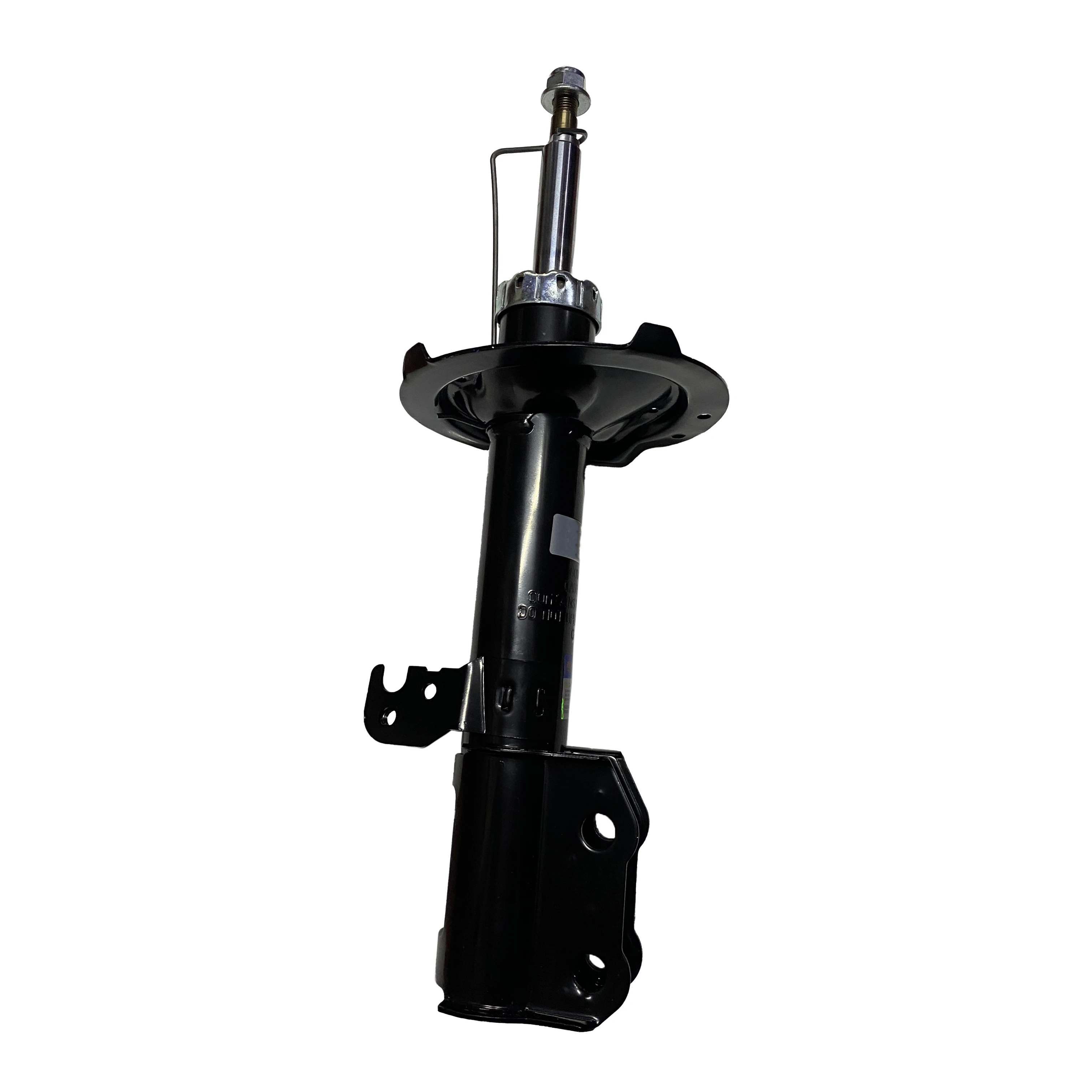
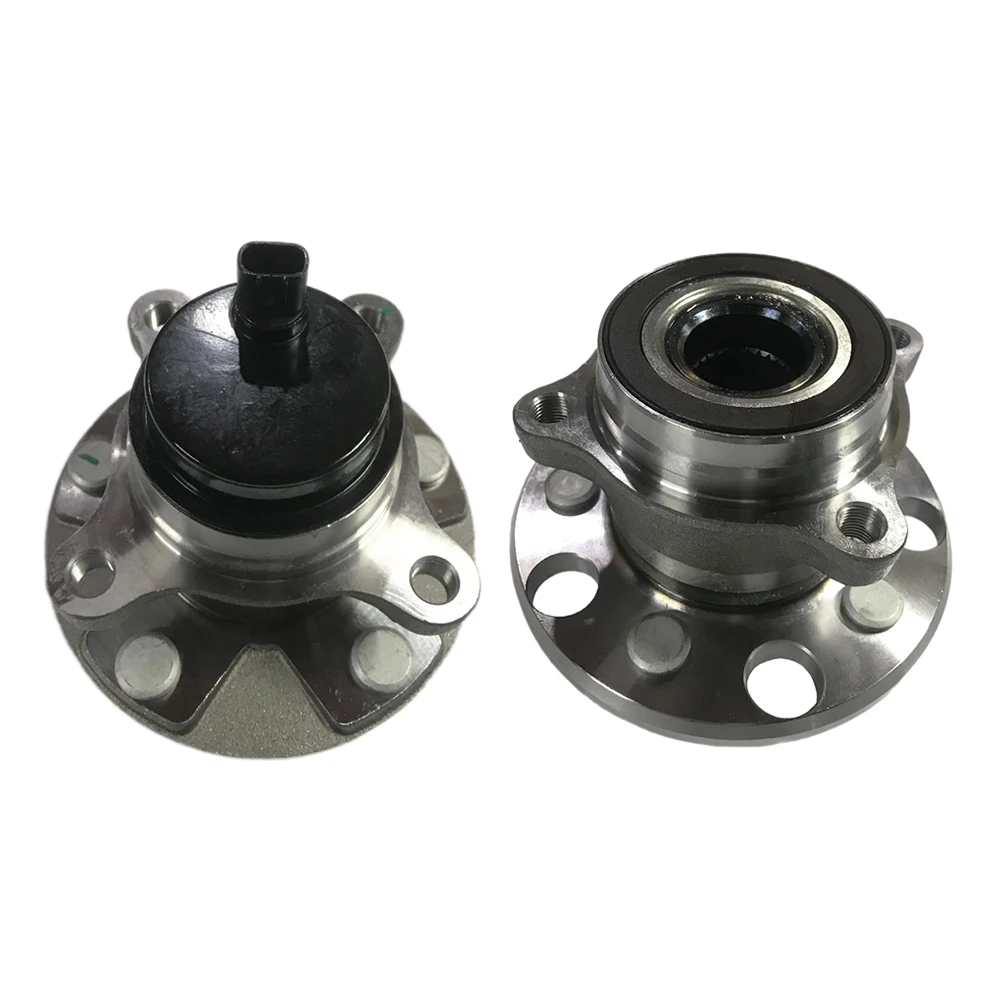
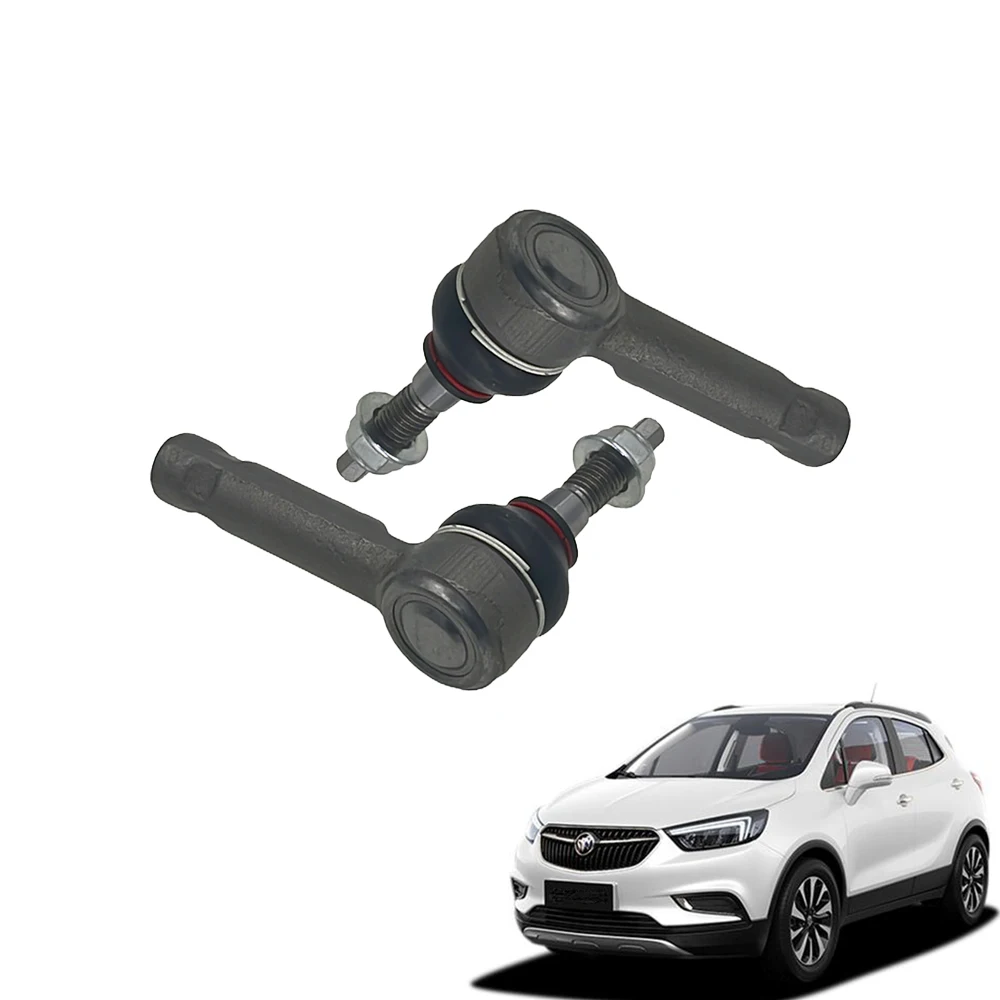
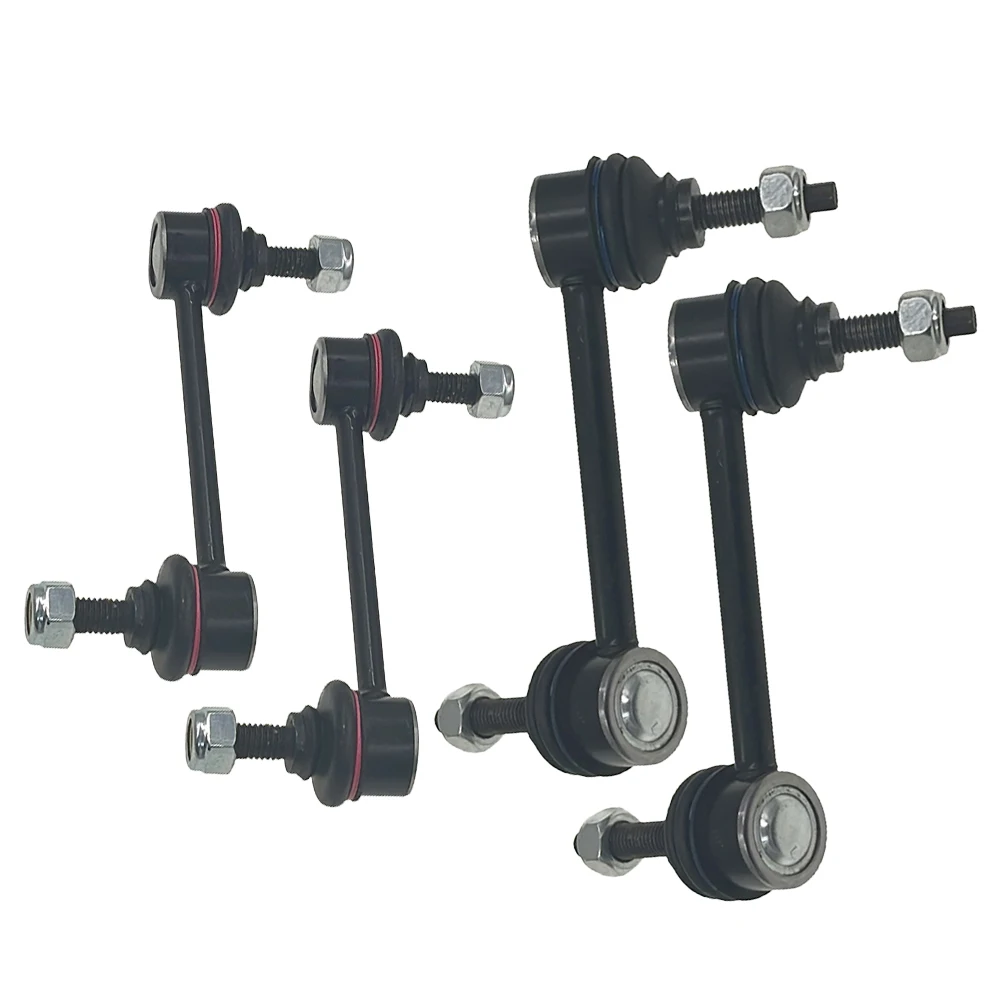
Premium Tubular Upper and Lower Control Arms - Enhanced Performance Suspension Components

All Categories

Get a Free Quote

Our representative will contact you soon.
Email
Name
Company Name
Message
0/1000

tubular upper and lower control arms

Tubular upper and lower control arms represent a significant advancement in automotive suspension technology, serving as critical components that connect a vehicle's wheel hub to the chassis frame. These precision-engineered suspension elements play a fundamental role in maintaining proper wheel alignment, controlling vertical wheel movement, and ensuring optimal tire contact with the road surface. The tubular design distinguishes these control arms from traditional stamped steel alternatives through their hollow cylindrical construction, which provides exceptional strength-to-weight ratios and enhanced performance characteristics. The primary functions of tubular upper and lower control arms encompass several vital operational aspects. They maintain precise wheel geometry during suspension travel, allowing wheels to move vertically while preventing unwanted lateral movement that could compromise handling stability. These components absorb road irregularities and distribute forces throughout the suspension system, contributing to improved ride quality and vehicle control. The upper control arms primarily manage camber angles and help maintain proper tire contact patches, while lower control arms handle the majority of suspension loads and steering inputs. Technologically, tubular upper and lower control arms incorporate advanced materials and manufacturing processes that optimize performance characteristics. The tubular construction typically utilizes high-strength steel alloys or aluminum materials, providing superior durability compared to conventional alternatives. Precision welding techniques ensure structural integrity at critical stress points, while advanced heat treatment processes enhance material properties for extended service life. Many modern designs feature adjustable mounting points that allow for fine-tuning suspension geometry to meet specific performance requirements. Applications for tubular upper and lower control arms span diverse automotive segments, from high-performance sports cars to heavy-duty trucks and off-road vehicles. Racing applications particularly benefit from the lightweight yet robust characteristics of tubular designs, where reducing unsprung weight directly translates to improved handling responsiveness. Street performance vehicles utilize these components to achieve enhanced cornering capabilities and more precise steering feedback, while off-road applications leverage their strength advantages to withstand extreme terrain conditions and heavy impact loads.

New Products

The advantages of tubular upper and lower control arms extend far beyond traditional suspension components, offering vehicle owners substantial benefits that enhance both performance and long-term value. Weight reduction stands as one of the most significant advantages these components provide. The hollow tubular construction eliminates unnecessary material while maintaining structural strength, resulting in reduced unsprung weight that directly improves suspension responsiveness. This weight reduction allows wheels to follow road contours more effectively, enhancing traction and overall handling precision. Drivers experience noticeably improved steering feedback and reduced effort required for precise vehicle control, particularly during aggressive driving maneuvers or challenging road conditions. Strength characteristics of tubular upper and lower control arms surpass conventional alternatives through superior engineering design principles. The cylindrical geometry distributes stress loads more evenly across the component structure, eliminating weak points commonly found in stamped steel designs. This enhanced strength translates to improved durability under extreme operating conditions, reducing the likelihood of component failure during high-stress situations. Vehicle owners benefit from extended service intervals and reduced maintenance costs, as these robust components resist wear and deformation better than traditional alternatives. The precision manufacturing processes used to create tubular upper and lower control arms result in tighter dimensional tolerances and improved fit characteristics. This precision ensures consistent suspension geometry throughout the component's service life, maintaining proper wheel alignment and preventing premature tire wear. Drivers enjoy more predictable handling characteristics and reduced steering wander, particularly at highway speeds where precision becomes critically important for safety and comfort. Performance enhancement represents another crucial advantage that tubular upper and lower control arms deliver to discerning vehicle owners. The improved strength-to-weight ratio allows for more aggressive suspension tuning without compromising reliability, enabling enhanced cornering capabilities and improved braking performance. Racing applications particularly benefit from these characteristics, where millisecond advantages can determine competitive success. Street applications gain similar benefits through improved confidence-inspiring handling and enhanced driving enjoyment during spirited driving situations. Cost-effectiveness emerges as vehicles age, as the superior durability of tubular upper and lower control arms often results in longer replacement intervals compared to original equipment alternatives. This longevity reduces long-term ownership costs while maintaining consistent performance characteristics throughout the component's extended service life.

Practical Tips

Best Amortiguadores for a Smooth Ride: Our Top Picks

30

Jul

Best Amortiguadores for a Smooth Ride: Our Top Picks

Why Choosing the Right Amortiguadores Matters A smooth and stable ride doesn't happen by accident—it comes down to engineering, quality, and most importantly, the right amortiguadores. These essential components absorb shocks and vibrations, e...
View More
Troubleshooting Common Adjustable Control Arms Issues

11

Sep

Troubleshooting Common Adjustable Control Arms Issues

Understanding Control Arm Functionality in Vehicle Suspension The suspension system of your vehicle plays a crucial role in delivering a smooth, controlled ride, and adjustable control arms are at the heart of this complex mechanism. These essential ...
View More
Camber Arms: The Key to Enhanced Vehicle Dynamics

18

Sep

Camber Arms: The Key to Enhanced Vehicle Dynamics

Understanding the Critical Role of Camber Arms in Vehicle Performance Vehicle performance enthusiasts and automotive engineers have long recognized that achieving optimal handling characteristics requires precise control over wheel alignment geometry...
View More
Implementing a Performance Rear Toe Arm Upgrade

27

Nov

Implementing a Performance Rear Toe Arm Upgrade

Performance enthusiasts and automotive professionals increasingly recognize the critical role that suspension geometry plays in vehicle dynamics and handling characteristics. Among the various suspension components that can be upgraded to enhance per...
View More

Get a Free Quote

Our representative will contact you soon.
Email
Name
Company Name
Message
0/1000

tubular upper and lower control arms

Superior Strength and Durability Engineering

Superior Strength and Durability Engineering

Tubular upper and lower control arms excel in strength and durability through advanced engineering principles that fundamentally improve upon traditional suspension component designs. The hollow cylindrical construction creates a structural advantage by distributing mechanical stresses more uniformly across the component's cross-section, eliminating the stress concentration points that plague conventional stamped steel alternatives. This engineering approach results in components capable of withstanding significantly higher loads without permanent deformation or catastrophic failure. The manufacturing process begins with premium-grade steel alloys or aerospace-quality aluminum materials, selected specifically for their superior strength-to-weight characteristics and resistance to fatigue failure. Advanced forming techniques shape these materials into precise tubular geometries, maintaining consistent wall thickness throughout the component's length to ensure uniform strength distribution. Critical junction points receive specialized welding treatments using automated processes that create bonds stronger than the base material itself, eliminating potential failure points that could compromise component integrity. Heat treatment processes further enhance material properties, relieving internal stresses while improving grain structure for optimal strength characteristics. The durability advantages of tubular upper and lower control arms become particularly evident in demanding applications where components face extreme operating conditions. Off-road vehicles benefit enormously from this enhanced durability, as the superior strength characteristics allow these components to absorb severe impact loads without sustaining damage that would sideline conventional alternatives. Racing applications similarly rely on this durability advantage, where component failure during competition can result in costly repairs and lost opportunities. The consistent performance characteristics maintained throughout the component's service life ensure that vehicle handling remains predictable and safe, even as mileage accumulates and operating conditions become more severe. Independent testing demonstrates that properly manufactured tubular upper and lower control arms can withstand loads exceeding twice those experienced during normal vehicle operation, providing substantial safety margins that protect against unexpected stress events. This durability translates directly into reduced maintenance requirements and lower long-term ownership costs, as replacement intervals extend significantly compared to original equipment components.
Lightweight Design for Enhanced Performance

Lightweight Design for Enhanced Performance

The lightweight characteristics of tubular upper and lower control arms deliver transformative performance benefits that fundamentally alter vehicle dynamics and driving experience. Unsprung weight reduction represents the primary mechanism through which these components enhance performance, as every pound removed from the suspension system produces disproportionate improvements in handling responsiveness and ride quality. The hollow tubular construction achieves this weight reduction without compromising structural integrity, creating components that often weigh 30-40 percent less than equivalent stamped steel alternatives while maintaining superior strength characteristics. This weight advantage directly translates to improved suspension performance through enhanced wheel control and reduced inertial effects during dynamic driving situations. Acceleration performance benefits significantly from the reduced rotational mass that tubular upper and lower control arms provide. The decreased weight allows wheels to accelerate and decelerate more quickly in response to throttle inputs, improving launch characteristics and reducing the time required to reach target speeds. Braking performance similarly improves as the reduced unsprung weight requires less energy to decelerate, allowing brake systems to operate more effectively while generating less heat during repeated stops. These performance improvements become particularly noticeable during track driving or competitive events where marginal gains accumulate into significant advantages. Handling characteristics transform dramatically when vehicles receive tubular upper and lower control arms, as the reduced unsprung weight allows suspension components to respond more quickly to road surface irregularities. This improved responsiveness translates to enhanced tire contact patch consistency, maintaining optimal grip levels throughout suspension travel cycles. Drivers experience more precise steering feedback and reduced effort required for accurate vehicle placement, particularly during high-speed cornering maneuvers where suspension precision becomes critically important. The lightweight design also reduces the energy transfer from road impacts to the vehicle chassis, improving ride comfort while maintaining the precise control characteristics demanded by performance-oriented applications. Fuel economy improvements often accompany the installation of tubular upper and lower control arms, as the reduced weight decreases the energy required for vehicle acceleration and the power needed to overcome rotational inertia during wheel speed changes. These efficiency gains become more pronounced in stop-and-go driving conditions where frequent acceleration and deceleration cycles amplify the benefits of reduced unsprung weight.
Precision Manufacturing and Adjustability Features

Precision Manufacturing and Adjustability Features

Precision manufacturing processes distinguish high-quality tubular upper and lower control arms through dimensional accuracy and consistency that exceeds original equipment standards. Computer-controlled machining operations create mounting points with tolerances measured in thousandths of inches, ensuring perfect alignment with chassis mounting locations and eliminating the binding or premature wear associated with imprecise fitment. This manufacturing precision extends throughout the component's construction, from the initial tube forming operations through final assembly and quality verification procedures that guarantee each component meets exacting specifications. Advanced welding techniques employed during manufacturing create joints that surpass the strength of base materials while maintaining precise geometric relationships between mounting points. The adjustability features incorporated into many tubular upper and lower control arms provide unprecedented flexibility for optimizing suspension geometry to meet specific performance requirements or accommodate modified vehicle configurations. Threaded adjustment mechanisms allow technicians to fine-tune camber angles, caster settings, and other critical alignment parameters without requiring specialized modification procedures or additional components. This adjustability proves invaluable for vehicles equipped with lowered suspensions, where altered ride heights can compromise factory suspension geometry and negatively impact handling characteristics. The ability to restore optimal wheel alignment through adjustable tubular upper and lower control arms ensures that modified vehicles maintain proper tire wear patterns and handling balance throughout their operational life. Racing applications particularly benefit from these adjustability features, as track-specific suspension tuning becomes possible through simple adjustment procedures that can be performed between racing sessions. Different track configurations often require unique suspension setups to optimize lap times, and adjustable tubular upper and lower control arms enable teams to achieve these optimizations quickly and reliably. Street performance applications similarly benefit from the ability to fine-tune suspension characteristics for specific driving preferences or tire combinations, allowing enthusiasts to extract maximum performance from their vehicles while maintaining acceptable comfort levels for daily driving. Quality control procedures during manufacturing ensure that adjustment mechanisms operate smoothly throughout their service life while maintaining precise positioning under dynamic loads. Corrosion-resistant treatments protect adjustment hardware from environmental exposure, ensuring reliable operation even in harsh operating conditions where salt exposure and temperature extremes could compromise conventional components.

Get a Free Quote

Our representative will contact you soon.
Email
Name
Company Name
Message
0/1000