Premium Automotive Ball Joints - Advanced Suspension Components for Enhanced Vehicle Performance and Safety

All Categories

Get a Free Quote

Our representative will contact you soon.
Email
Name
Company Name
Message
0/1000

automotive ball joint

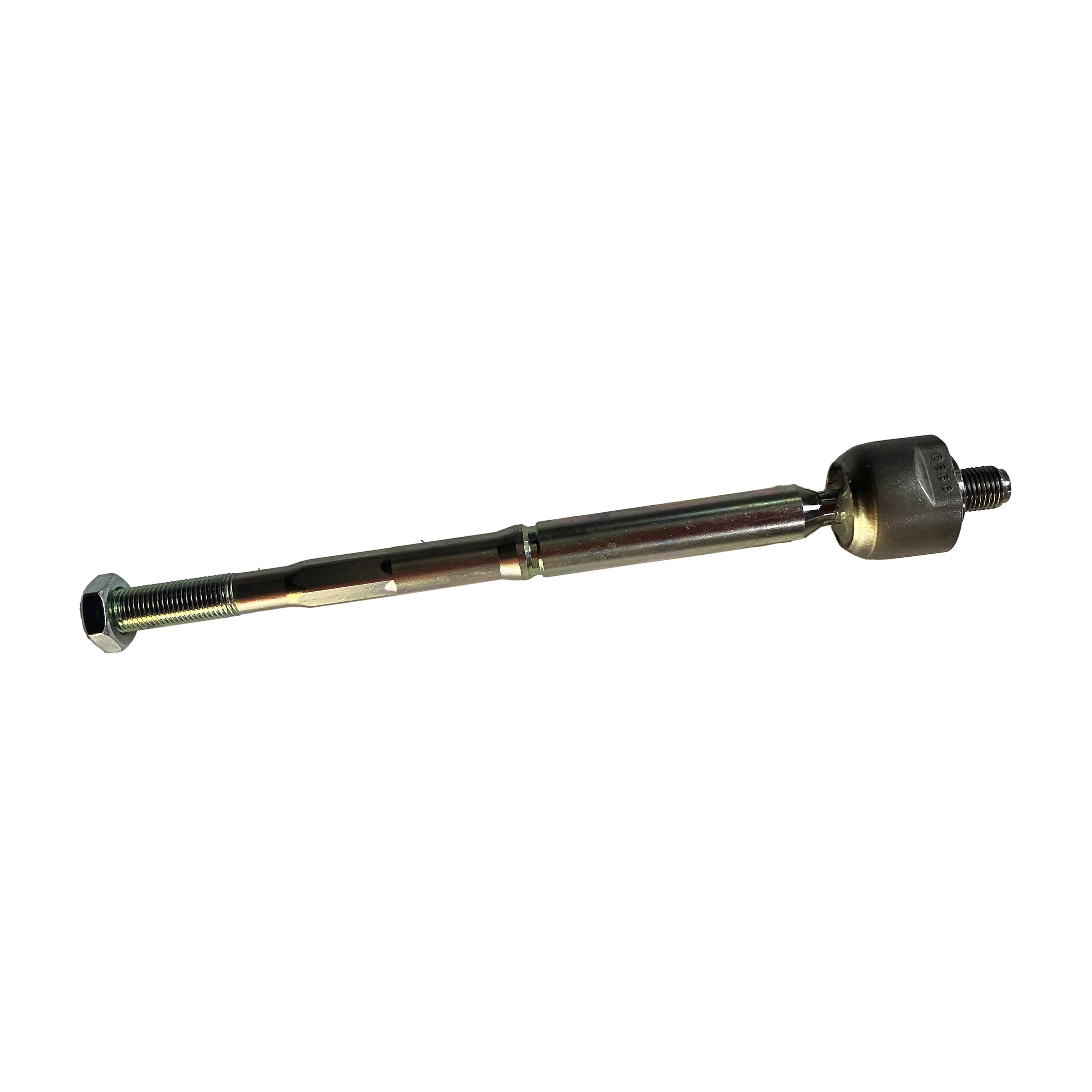
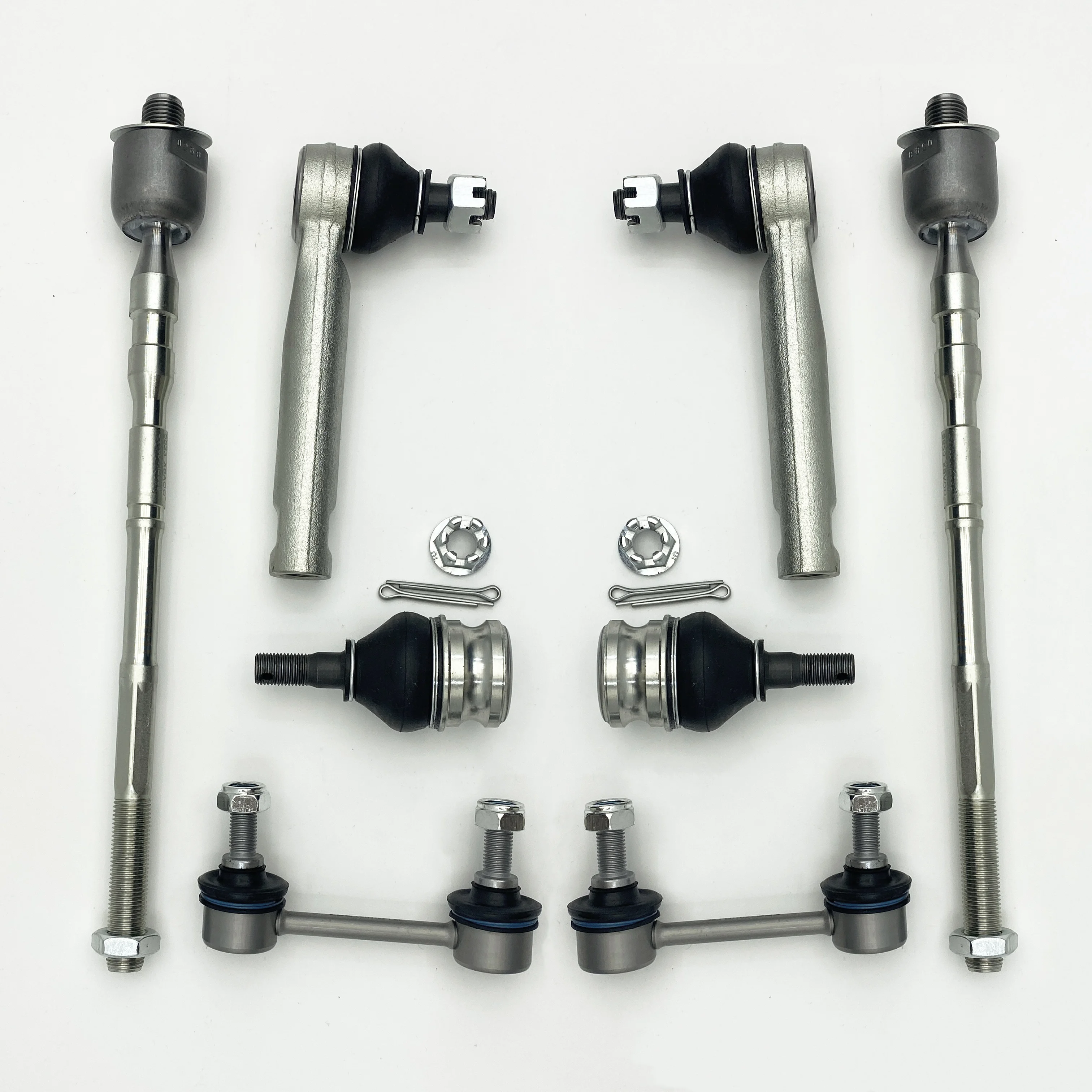
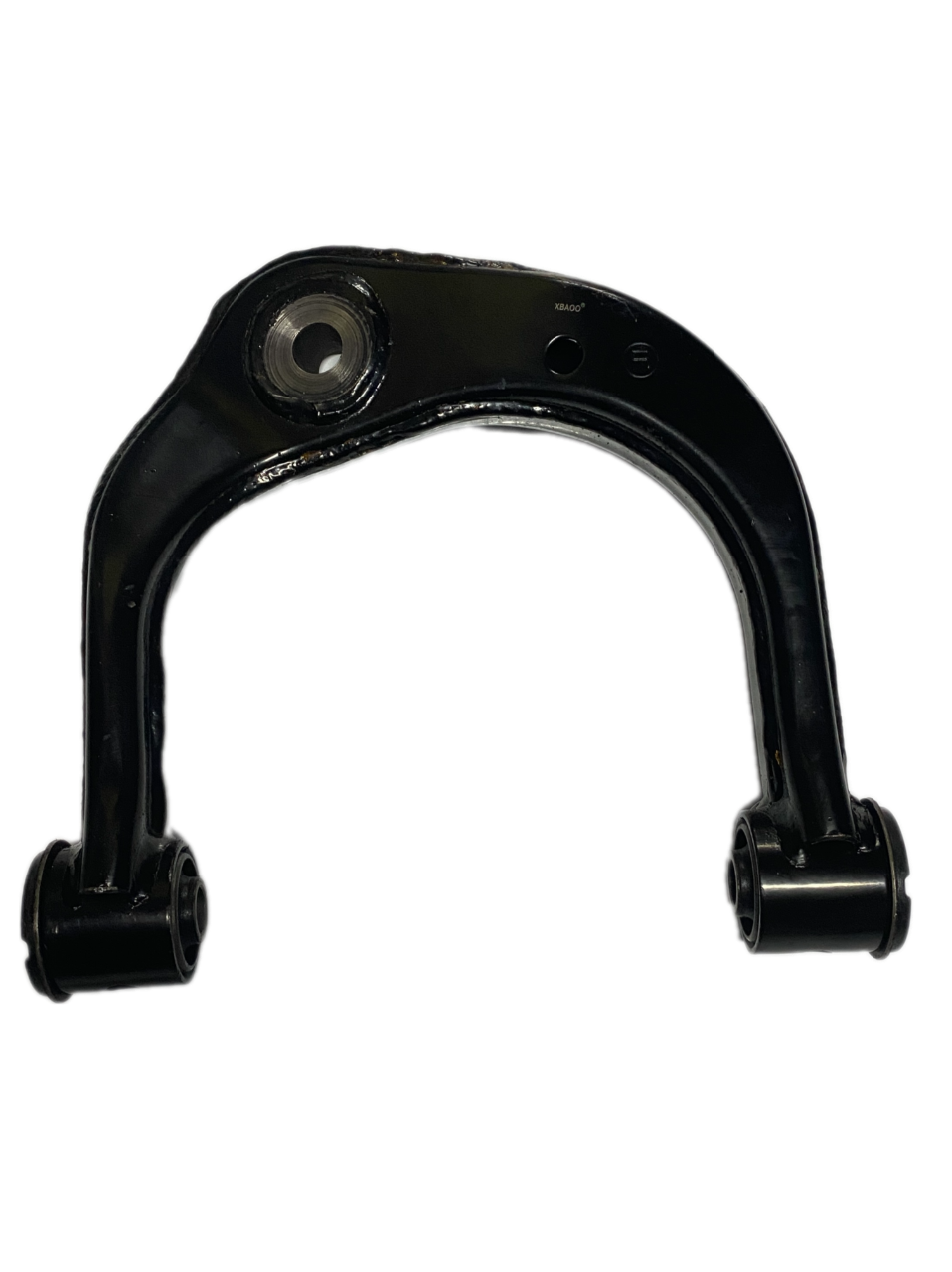
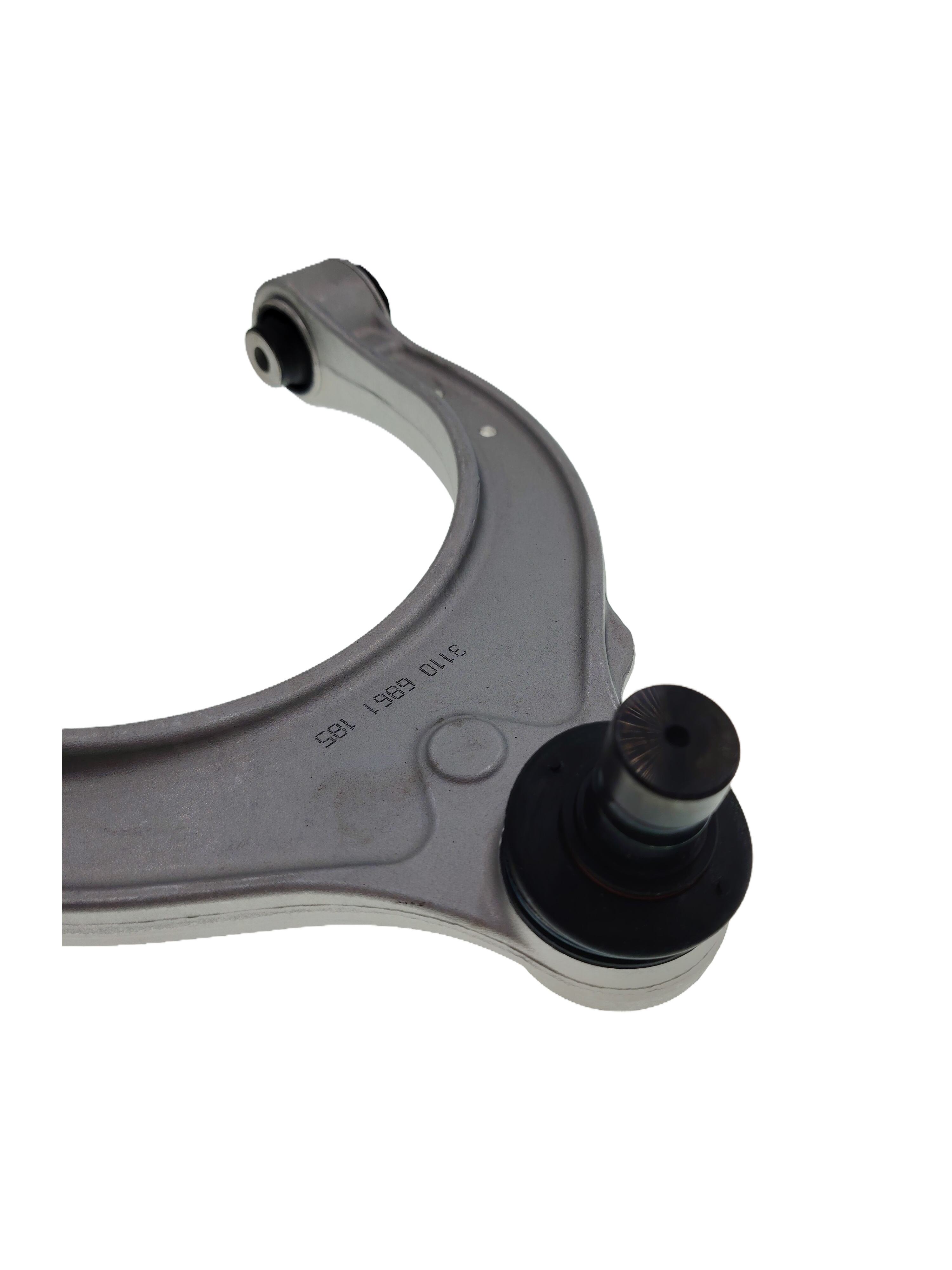
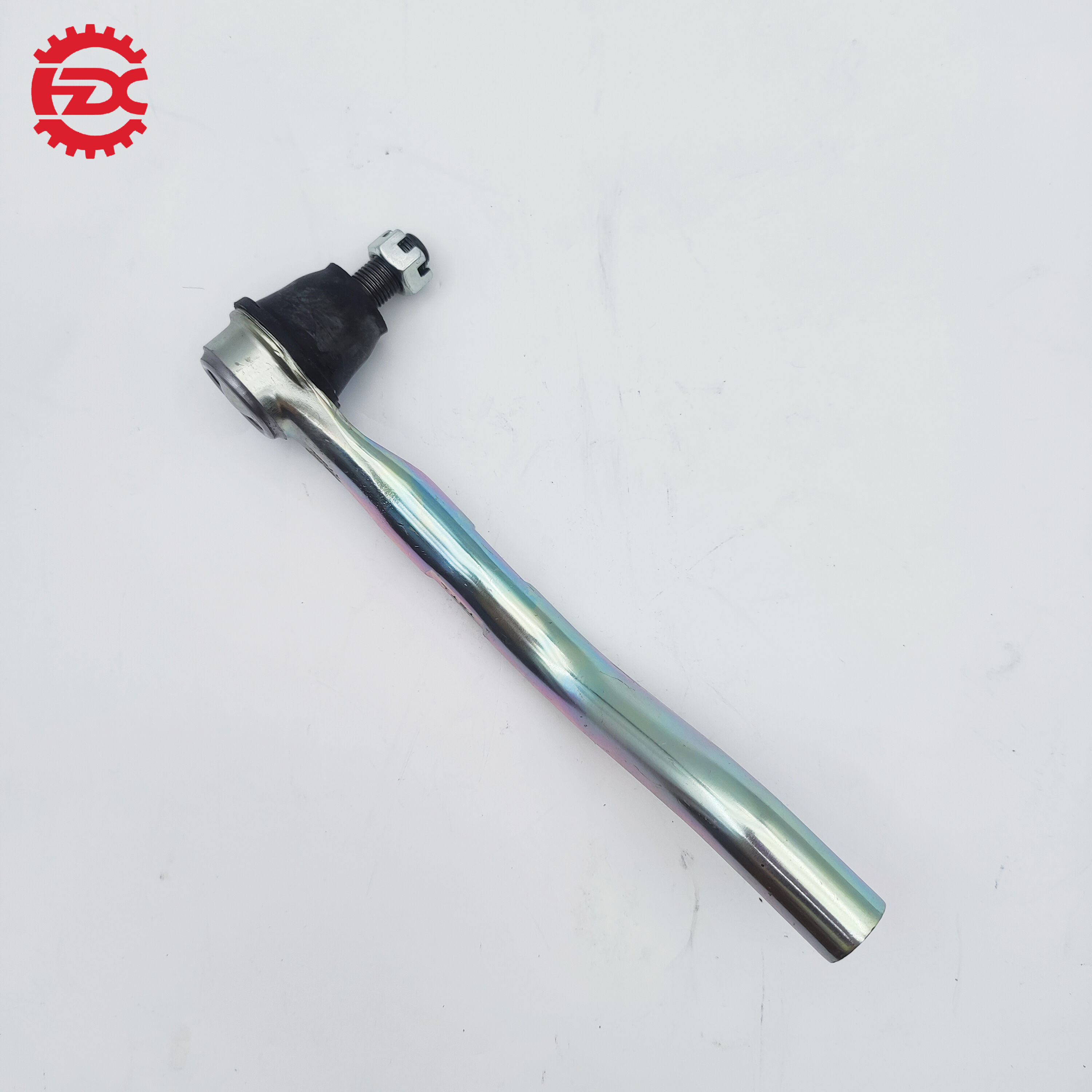
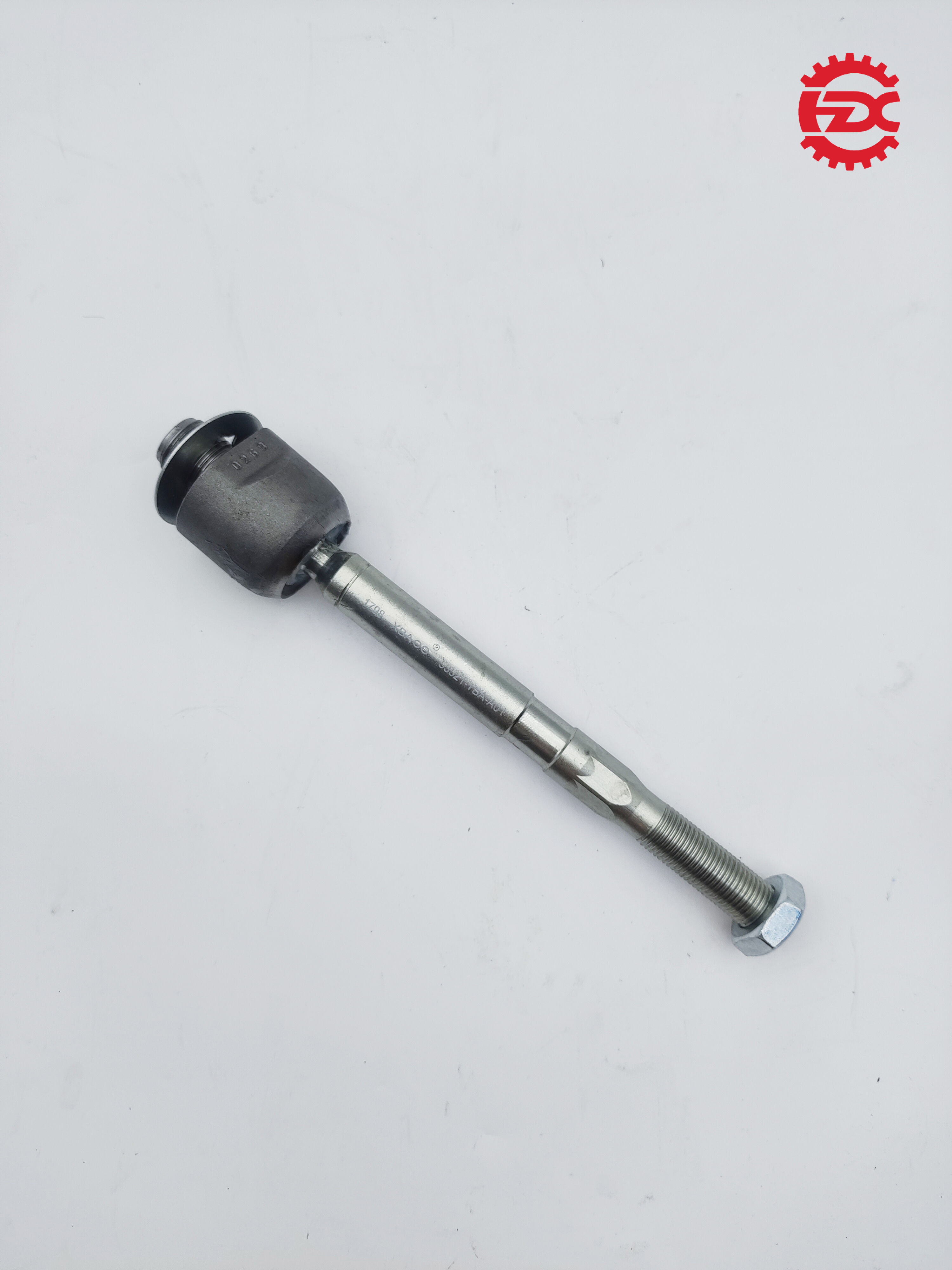
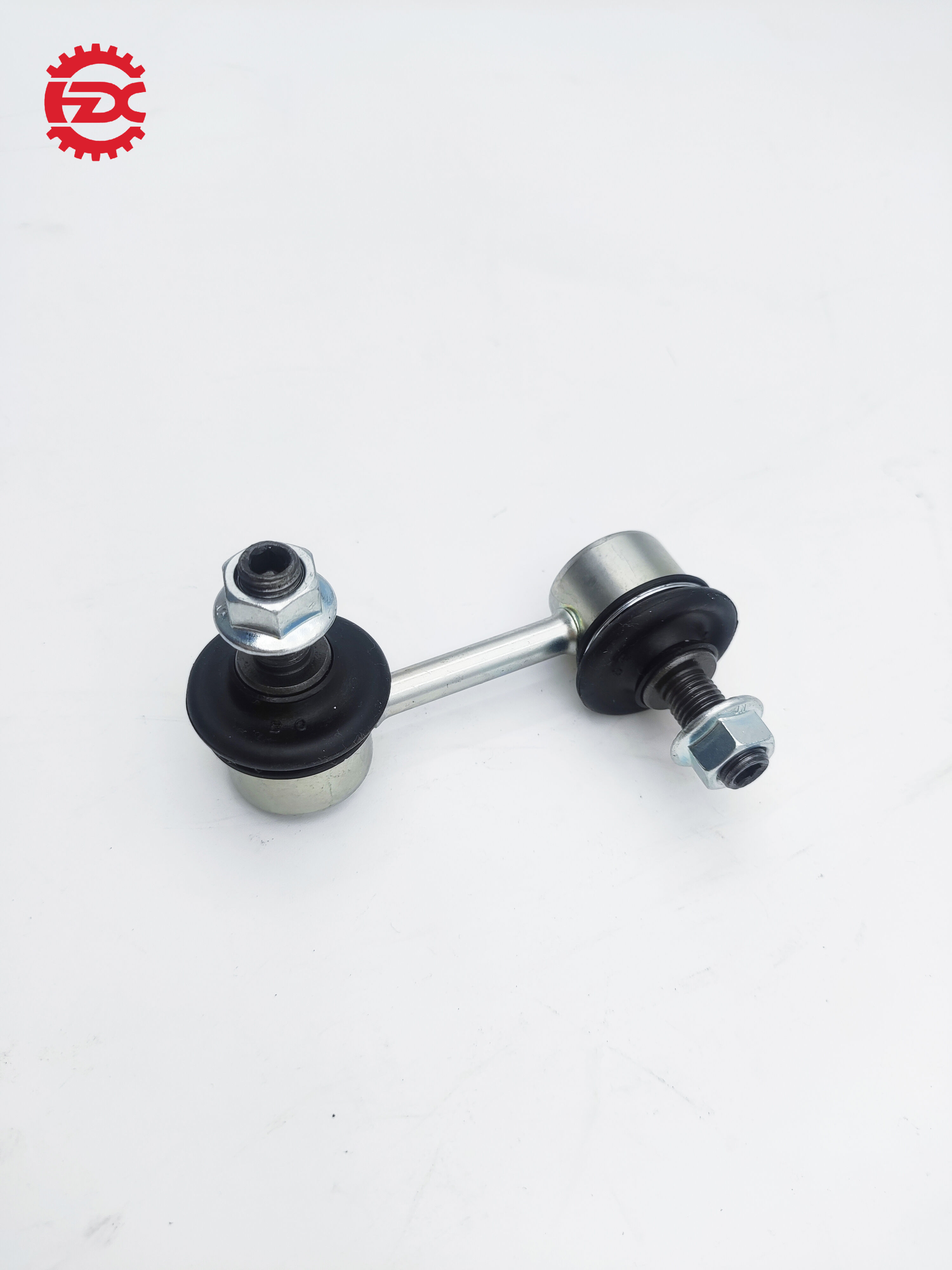
The automotive ball joint represents a critical suspension component that connects the vehicle's steering knuckle to the control arm, enabling smooth wheel movement and directional control. This spherical bearing system consists of a hardened steel ball enclosed within a protective housing filled with specialized lubricating grease. The automotive ball joint design incorporates precision engineering to withstand extreme forces while maintaining consistent performance under varying road conditions. Modern automotive ball joints feature advanced materials including high-grade steel construction with protective rubber boots that prevent contamination and moisture ingress. The component's primary function involves facilitating controlled rotational movement in multiple planes, allowing wheels to pivot during steering while simultaneously accommodating vertical suspension travel. This dual-motion capability makes the automotive ball joint indispensable for vehicle safety and handling characteristics. Manufacturing processes for automotive ball joints utilize sophisticated quality control measures, ensuring each component meets stringent automotive industry standards. The internal ball mechanism operates within tight tolerances, typically featuring specialized coatings that reduce friction and extend operational lifespan. Installation locations vary depending on vehicle design, with some configurations utilizing upper and lower automotive ball joints per wheel assembly. The component's housing typically incorporates threaded mounting provisions for secure attachment to suspension components, while the ball stud connects directly to the steering knuckle through precision-machined tapered interfaces. Regular maintenance of automotive ball joints involves periodic inspection for wear indicators, including excessive play or damaged protective boots. Replacement intervals depend on driving conditions, vehicle usage patterns, and environmental factors, with typical service life ranging from 70,000 to 150,000 miles under normal operating conditions.


New Product Releases

Automotive ball joints deliver exceptional performance benefits that directly enhance vehicle safety, comfort, and operational reliability for drivers and passengers. These components provide superior steering precision by maintaining consistent wheel alignment throughout the full range of suspension travel, ensuring predictable vehicle response during cornering, braking, and acceleration maneuvers. The robust construction of modern automotive ball joints withstands tremendous forces, including lateral loads during aggressive cornering and vertical impacts from road irregularities, protecting other suspension components from premature wear. Cost-effectiveness represents another significant advantage, as automotive ball joints typically require minimal maintenance while providing extended service life when properly cared for. Their sealed design prevents contaminant entry, reducing the need for frequent servicing compared to alternative suspension connection methods. Installation procedures for automotive ball joints remain straightforward for qualified technicians, minimizing labor costs and vehicle downtime during replacement services. The component's standardized mounting configurations ensure compatibility across diverse vehicle platforms, simplifying inventory management for service facilities and parts suppliers. Performance consistency stands as a hallmark of quality automotive ball joints, maintaining precise tolerances and smooth operation throughout their service life without requiring periodic adjustments. This reliability translates into predictable vehicle handling characteristics that drivers can depend upon for safe operation. The load distribution capabilities of automotive ball joints protect adjacent suspension components by properly transferring forces through engineered load paths, extending the overall system lifespan. Modern manufacturing processes incorporate advanced metallurgy and precision machining techniques that enhance durability while reducing weight compared to earlier designs. Environmental resistance features built into contemporary automotive ball joints include corrosion-resistant coatings and enhanced sealing systems that perform reliably in extreme temperature ranges and harsh weather conditions. These advantages collectively contribute to improved vehicle dynamics, reduced maintenance requirements, and enhanced safety margins that benefit both individual vehicle owners and commercial fleet operators seeking reliable transportation solutions.

Tips And Tricks

Guide to Implementing a Performance Control Arms Upgrade

31

Jul

Guide to Implementing a Performance Control Arms Upgrade

Guide to Implementing a Performance Control Arms Upgrade Control arms are critical parts of a vehicle’s suspension system, linking the frame to the wheels and managing how the wheels move during acceleration, braking, and cornering. Stock contr...
View More
Optimizing Custom Control Arms for Maximum Value

31

Jul

Optimizing Custom Control Arms for Maximum Value

Optimizing Custom Control Arms for Maximum Value Custom control arms are key parts of a vehicle’s suspension system, connecting the frame to the wheels and controlling how the wheels move. Unlike standard control arms made for mass-produced car...
View More
Adjustable Camber Arms: Precision in Alignment

24

Sep

Adjustable Camber Arms: Precision in Alignment

Understanding Vehicle Suspension Geometry and Control Vehicle performance enthusiasts and professional mechanics alike recognize the critical role that suspension geometry plays in achieving optimal handling and tire wear. At the heart of this precis...
View More
Camber Arms vs. Standard Solutions: Key Differences

27

Nov

Camber Arms vs. Standard Solutions: Key Differences

Vehicle suspension systems play a crucial role in determining driving performance, handling characteristics, and overall vehicle dynamics. Among the various suspension components that enthusiasts and professional mechanics consider for upgrades, camb...
View More

Get a Free Quote

Our representative will contact you soon.
Email
Name
Company Name
Message
0/1000

automotive ball joint

Advanced Load Distribution Technology

Advanced Load Distribution Technology

The sophisticated load distribution system engineered into modern automotive ball joints represents a breakthrough in suspension component design that delivers unparalleled performance under extreme operating conditions. This innovative technology utilizes precision-engineered contact surfaces that distribute mechanical stresses across optimized load paths, preventing concentration points that could lead to premature component failure. The automotive ball joint's spherical bearing design incorporates advanced metallurgical principles, featuring hardened steel alloys specifically formulated to withstand multi-directional forces exceeding several thousand pounds during normal vehicle operation. The internal geometry of these automotive ball joints utilizes calculated bearing surfaces that maintain consistent contact pressure distribution, ensuring smooth articulation while preventing excessive wear patterns that compromise long-term reliability. This load distribution capability becomes particularly critical during high-stress maneuvers such as emergency braking or aggressive cornering, where lateral and vertical forces combine to create complex loading scenarios. The automotive ball joint's ability to manage these forces protects adjacent suspension components including control arms, steering knuckles, and stabilizer links from experiencing damaging stress concentrations. Manufacturing processes for these components incorporate advanced heat treatment procedures that create uniform hardness characteristics throughout critical bearing surfaces, ensuring consistent performance across the entire contact area. Quality control measures verify that each automotive ball joint meets precise specifications for load capacity, dimensional accuracy, and material properties before approval for installation. The resulting performance benefits include extended component lifespan, reduced maintenance requirements, and improved vehicle safety through consistent suspension geometry maintenance. Fleet operators particularly value these characteristics as they translate into lower total cost of ownership through reduced replacement frequency and minimized unexpected downtime. The automotive ball joint's load distribution technology also contributes to enhanced ride quality by maintaining optimal suspension kinematics throughout the component's service life, ensuring that vehicle handling characteristics remain predictable and responsive for drivers.
Superior Environmental Protection System

Superior Environmental Protection System

The comprehensive environmental protection system integrated into premium automotive ball joints provides exceptional resistance to contamination, moisture, and temperature extremes that would otherwise compromise component performance and longevity. This advanced protective technology begins with specially formulated rubber boot assemblies that create hermetic seals around critical bearing surfaces, preventing the ingress of dirt, water, salt, and other corrosive materials commonly encountered during vehicle operation. The automotive ball joint's sealing system incorporates multiple barrier technologies including primary and secondary seals that work in conjunction to maintain internal lubrication integrity while excluding external contaminants. These protective elements utilize advanced elastomer compounds engineered to remain flexible across temperature ranges from minus 40 to plus 200 degrees Fahrenheit, ensuring reliable sealing performance in diverse climate conditions. The internal cavity of each automotive ball joint contains specialized lubricating compounds formulated to provide long-term protection against wear while resisting degradation from temperature cycling and mechanical stress. This lubrication system works synergistically with the environmental protection features to maintain smooth operation throughout the component's designed service life without requiring periodic relubrication. Corrosion resistance represents another critical aspect of the automotive ball joint's environmental protection system, with specialized coatings applied to external surfaces that prevent rust formation even when exposed to road salt and other corrosive chemicals. The manufacturing process incorporates rigorous testing procedures that validate each automotive ball joint's ability to withstand accelerated environmental exposure equivalent to years of real-world operation. These protection systems prove particularly valuable for vehicles operating in harsh conditions including coastal environments with salt air exposure, industrial areas with chemical contamination, or regions experiencing extreme temperature variations. The resulting performance benefits include consistent operation regardless of environmental conditions, extended service intervals, and reduced likelihood of unexpected failures that could compromise vehicle safety. Commercial vehicle operators especially appreciate these environmental protection features as they contribute to improved fleet reliability and reduced maintenance costs across diverse operating territories and seasonal conditions.
Precision Engineering for Enhanced Safety

Precision Engineering for Enhanced Safety

The precision engineering incorporated into modern automotive ball joints represents the culmination of decades of automotive safety research and advanced manufacturing technologies that ensure critical vehicle control systems operate with unwavering reliability. Every aspect of automotive ball joint design undergoes meticulous engineering analysis to optimize performance characteristics including dimensional tolerances, material specifications, and geometric relationships that affect vehicle handling and safety. The spherical bearing assembly within each automotive ball joint features precision-machined surfaces with tolerances measured in thousandths of an inch, ensuring consistent articulation without excessive clearances that could introduce unwanted movement or vibration. This engineering precision directly translates into improved steering response and vehicle stability, particularly during emergency maneuvers where precise control becomes critical for accident avoidance. The automotive ball joint's connection interfaces utilize carefully calculated taper angles and surface finishes that create secure mechanical bonds with mating components while facilitating proper installation procedures. Quality assurance protocols verify that each automotive ball joint meets stringent performance standards through comprehensive testing including load capacity verification, articulation smoothness evaluation, and durability assessments under simulated operating conditions. The engineering specifications for these components account for dynamic loading scenarios that occur during normal vehicle operation, ensuring adequate safety margins exist for all anticipated use cases. Manufacturing processes incorporate advanced inspection technologies including coordinate measuring machines and statistical process control methods that verify dimensional accuracy and material properties throughout production. The automotive ball joint's precision engineering also extends to protective features including calculated seal geometries and optimized lubrication distribution patterns that enhance long-term reliability. These engineering achievements result in components that maintain precise suspension geometry throughout their service life, ensuring consistent wheel alignment and predictable vehicle behavior that drivers can depend upon for safe operation. The precision manufacturing tolerances also contribute to reduced noise, vibration, and harshness characteristics that enhance overall vehicle refinement and occupant comfort. Professional technicians recognize the importance of these precision-engineered automotive ball joints for maintaining vehicle safety systems, particularly in applications where steering precision and suspension reliability directly impact accident prevention capabilities and overall transportation safety.

Get a Free Quote

Our representative will contact you soon.
Email
Name
Company Name
Message
0/1000