suspension arm ball joint
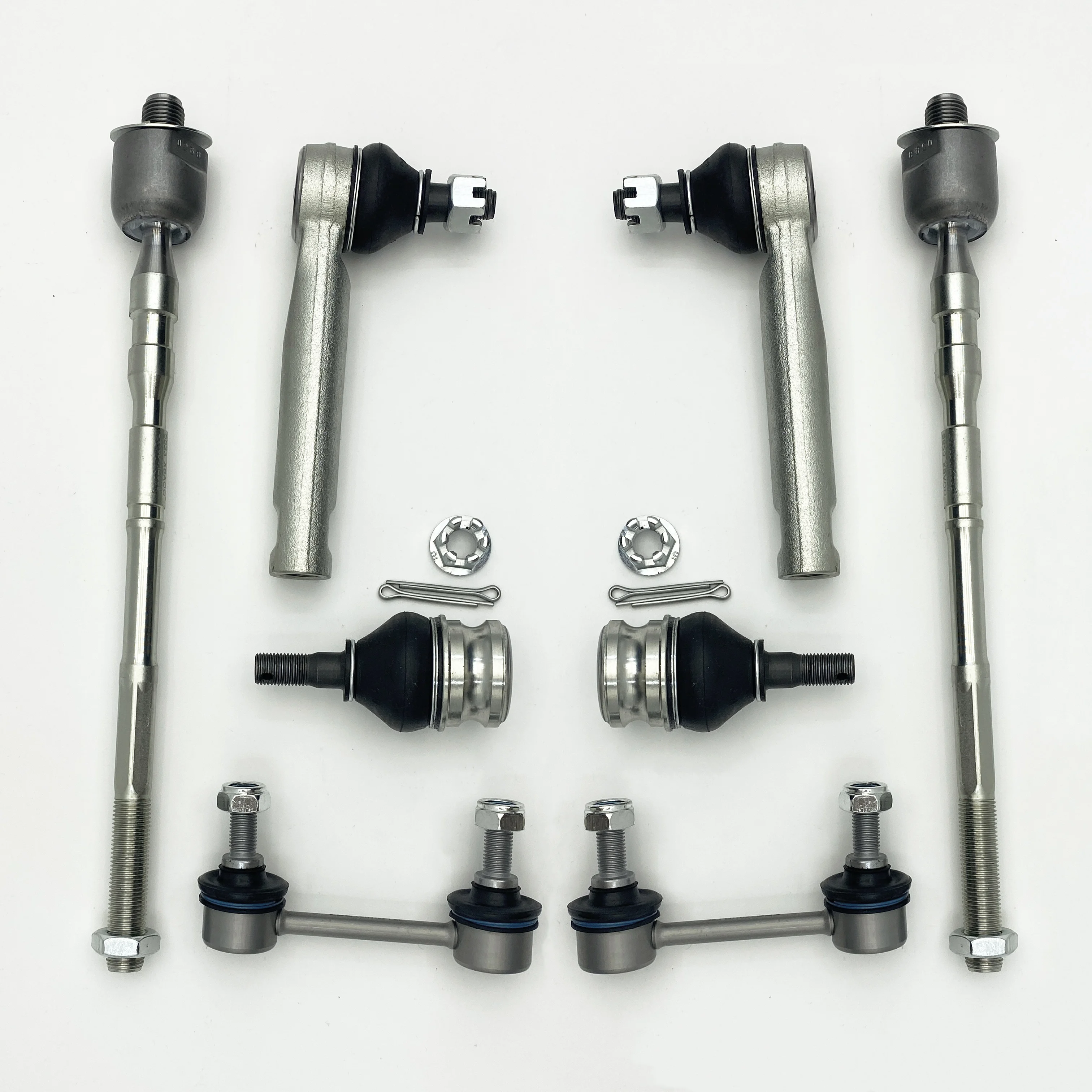
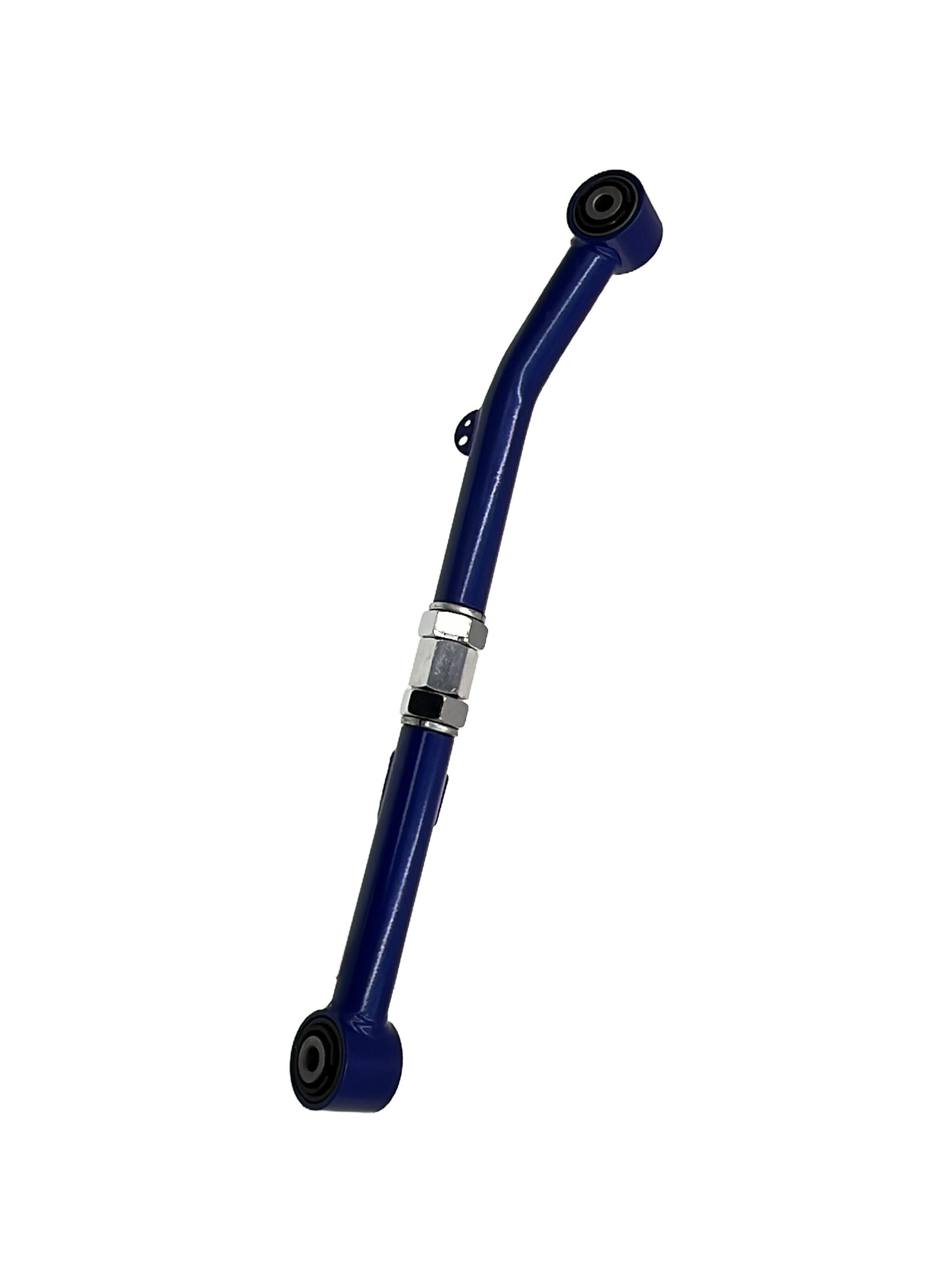
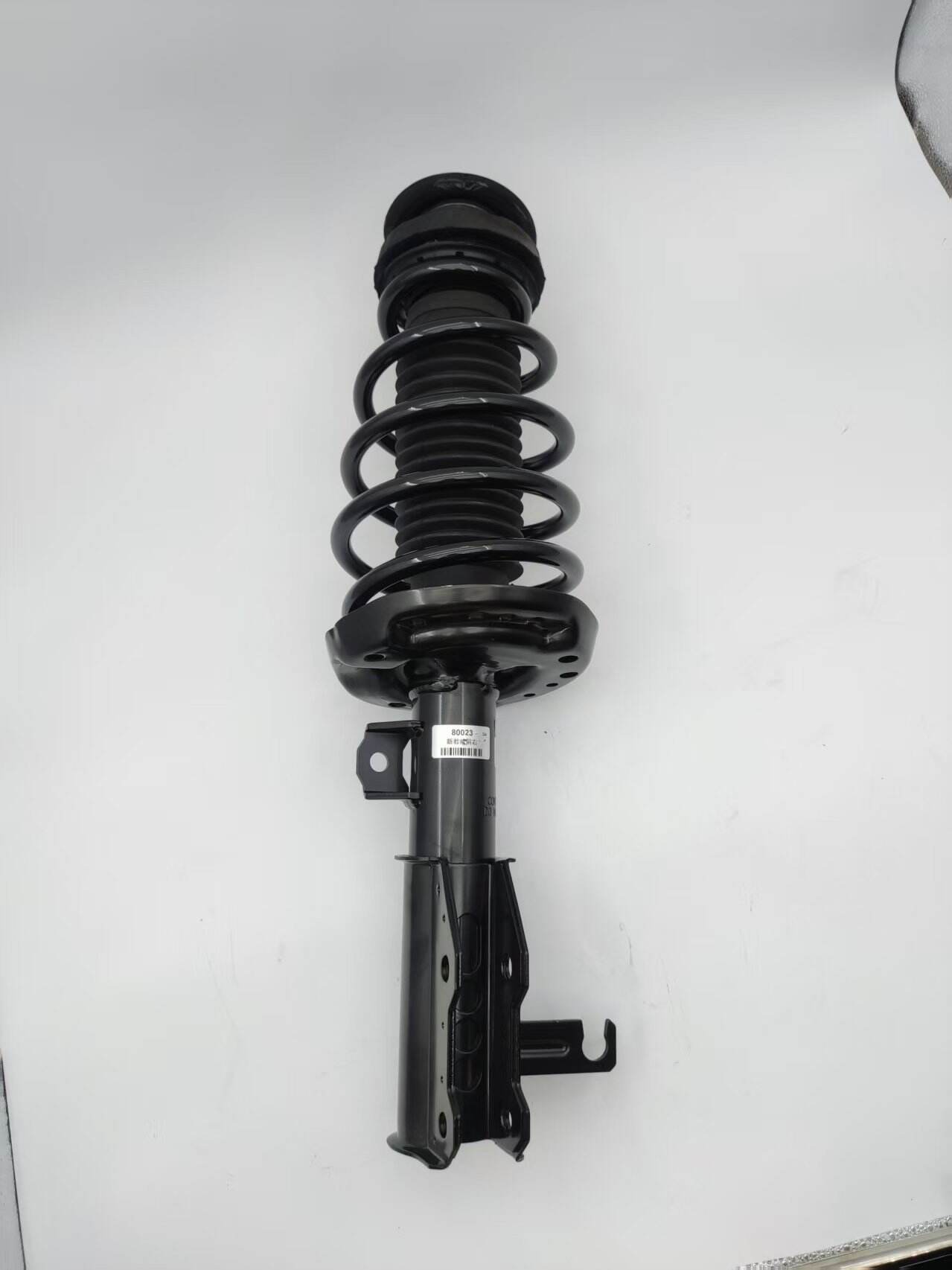
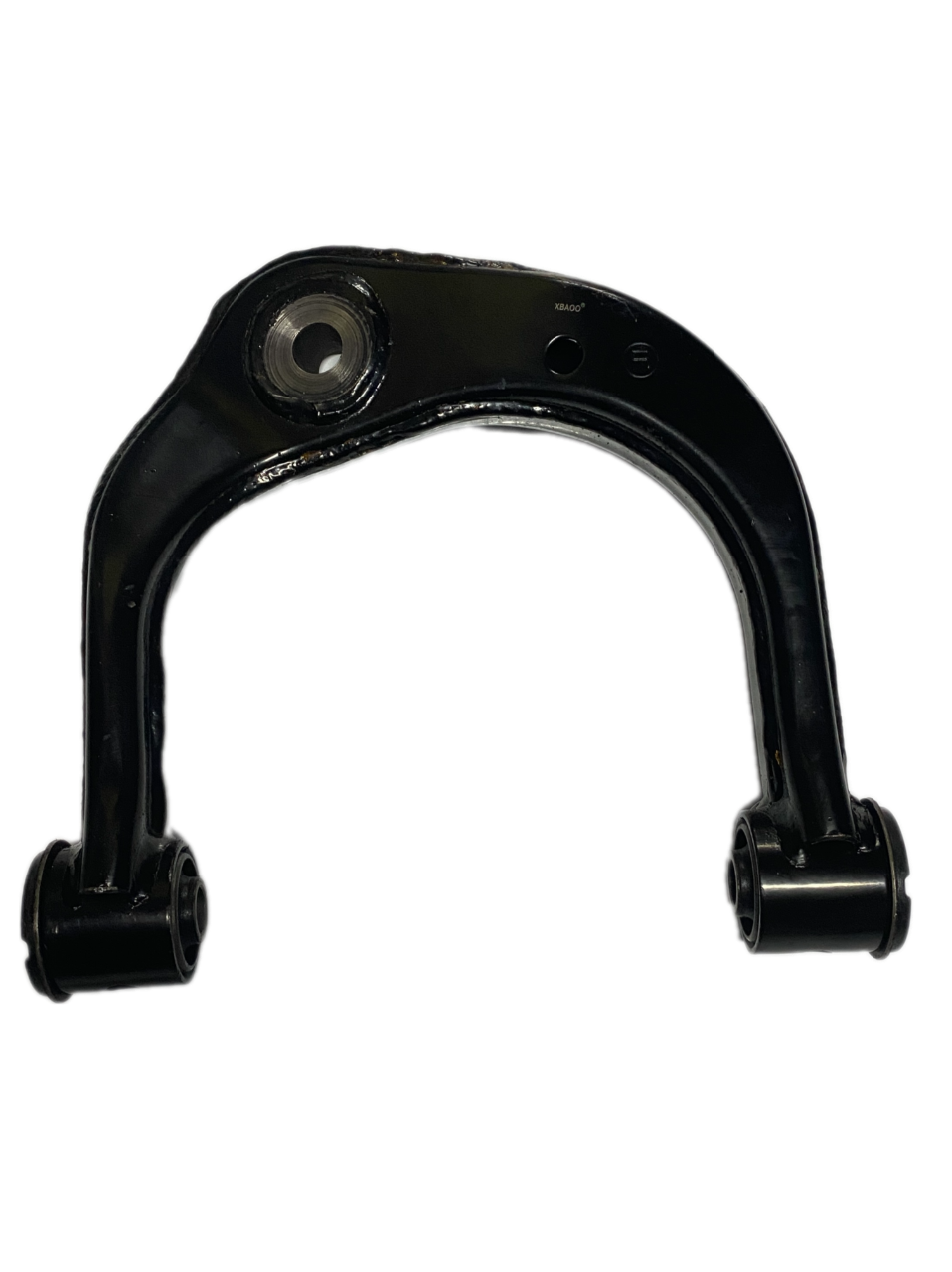
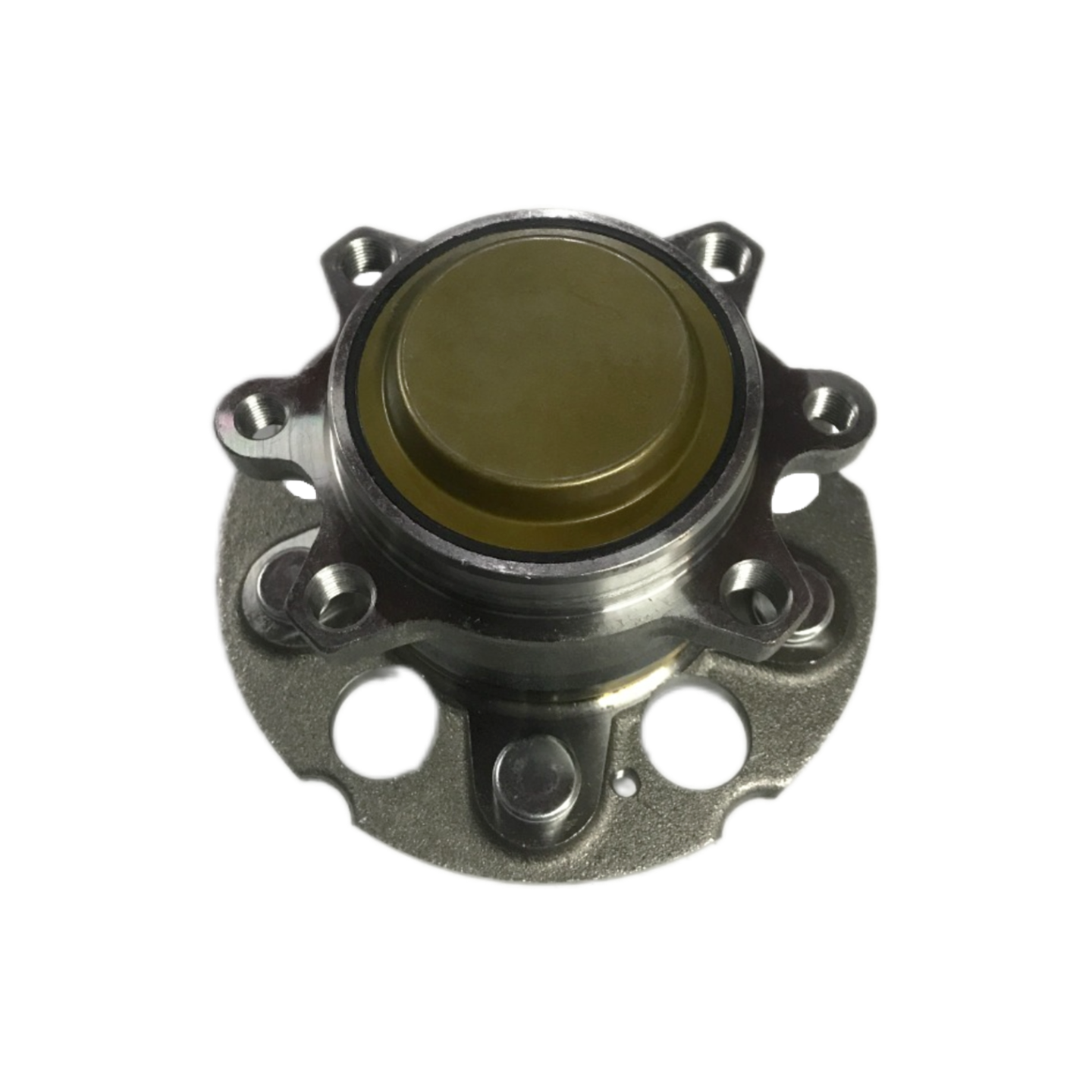
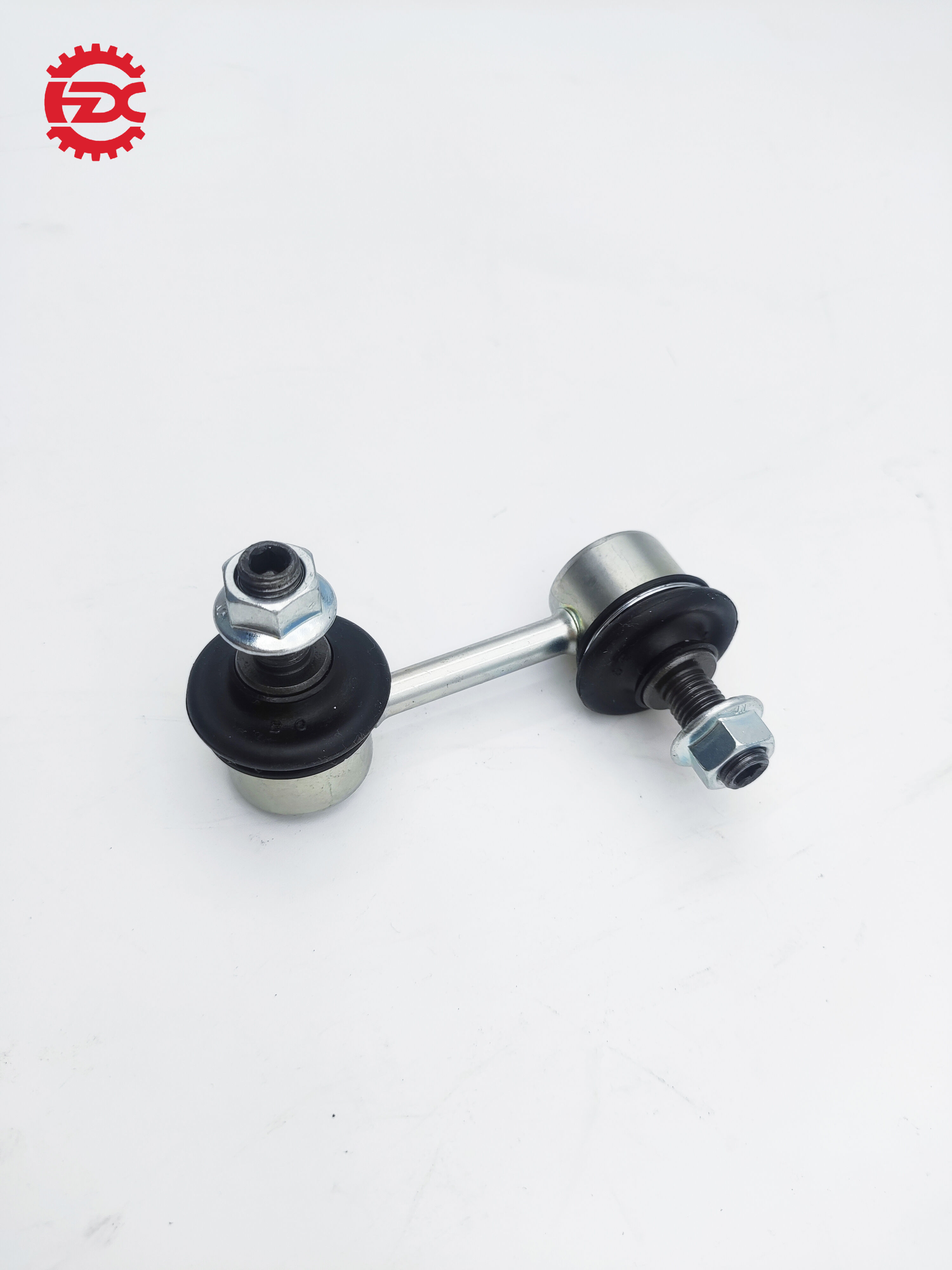
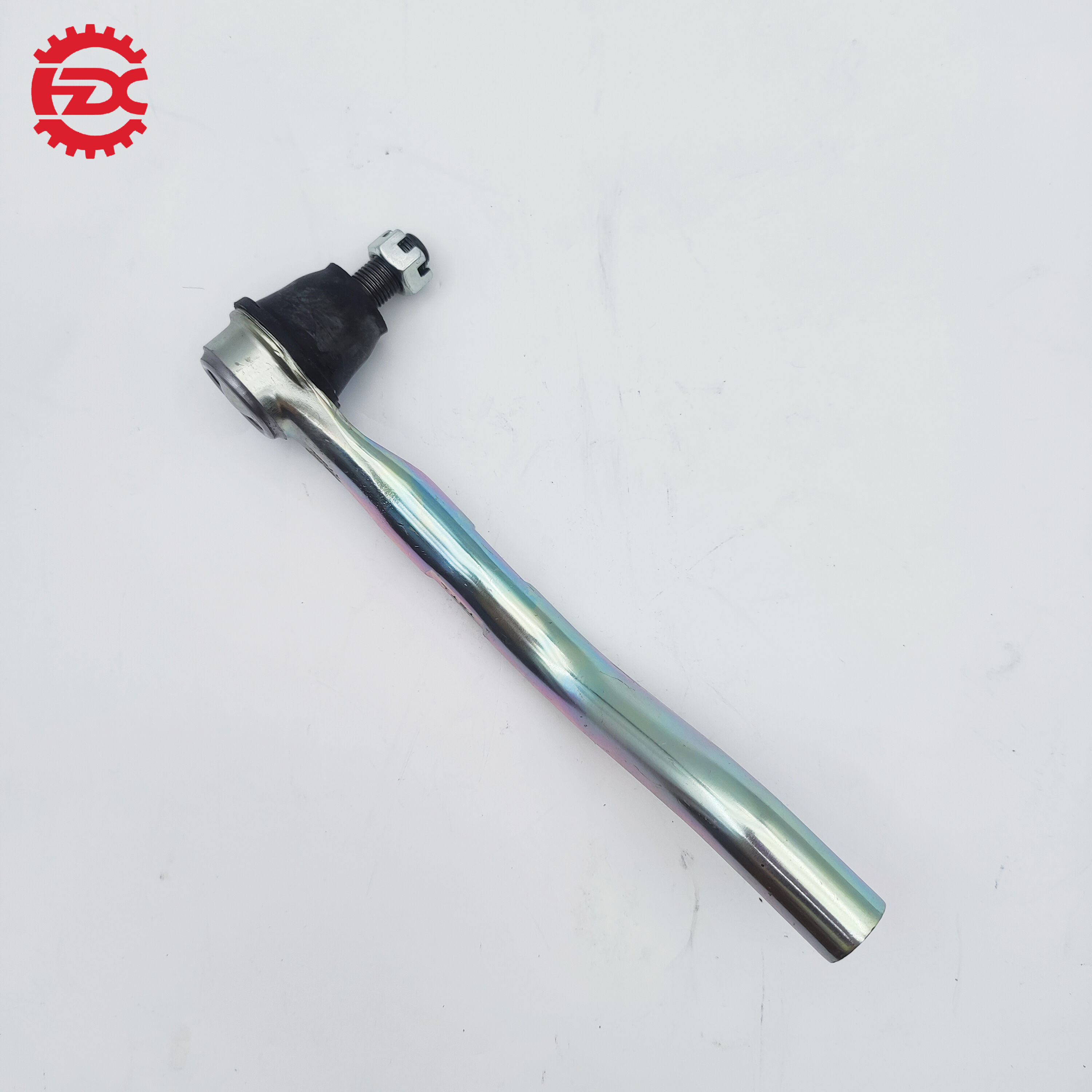
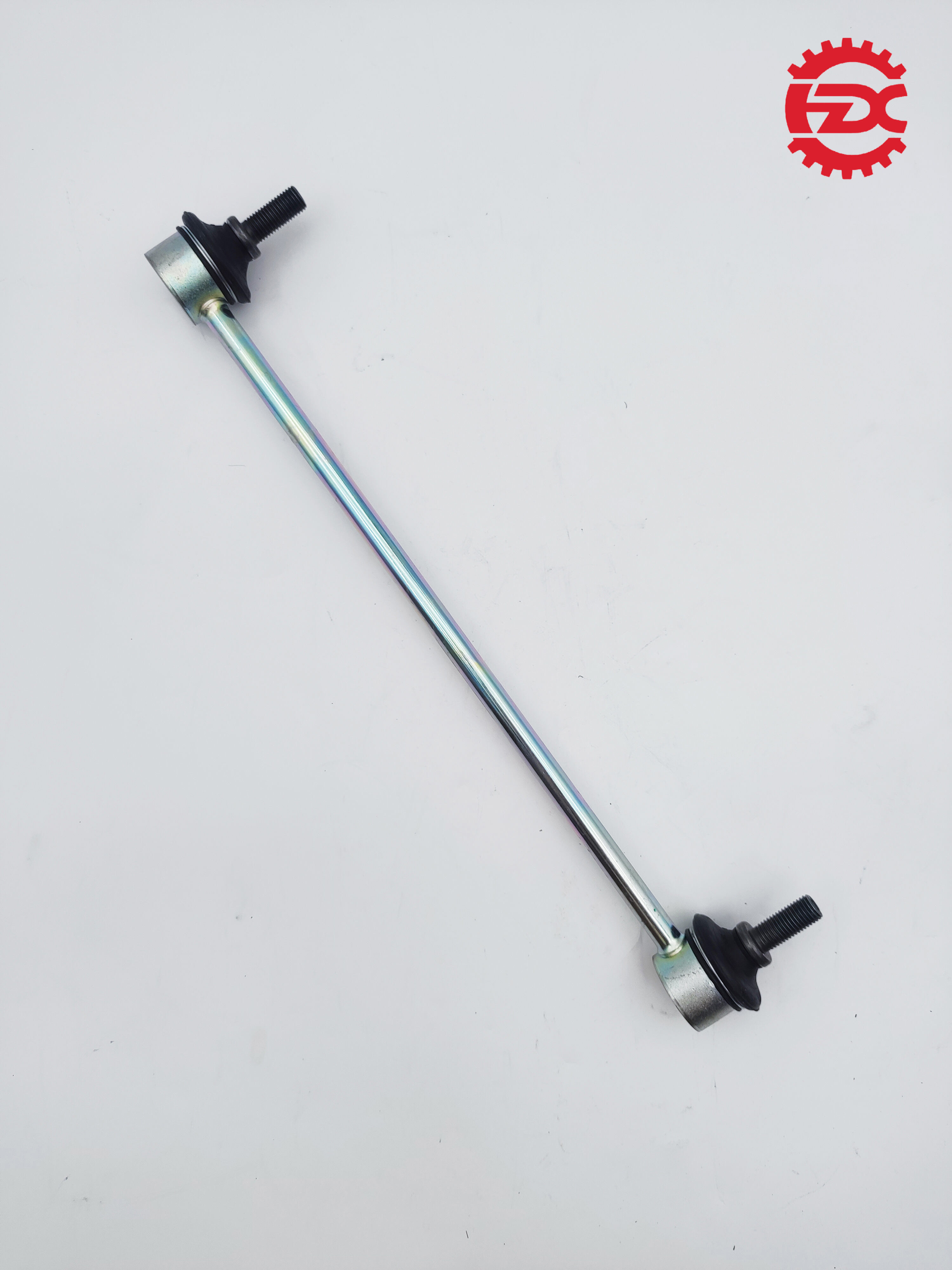
The suspension arm ball joint represents a critical component in modern automotive suspension systems, serving as the pivotal connection point between the control arm and the steering knuckle or wheel hub assembly. This spherical bearing mechanism enables smooth rotational movement in multiple directions while maintaining structural integrity under demanding operational conditions. The suspension arm ball joint consists of a hardened steel ball stud housed within a precision-engineered socket, typically manufactured from high-grade steel or aluminum alloy materials. The assembly incorporates advanced sealing systems, including rubber boots and grease fittings, to protect internal components from contamination and ensure long-lasting performance. The ball joint's primary function involves facilitating controlled wheel movement during steering operations while simultaneously supporting the vehicle's weight and absorbing road-induced forces. Its design allows for angular displacement in various planes, enabling the wheel assembly to pivot during turning maneuvers and compress or extend during suspension travel. Modern suspension arm ball joints feature advanced engineering characteristics, including pre-loaded bearing surfaces that eliminate play and reduce noise, vibration, and harshness levels. The component's construction typically incorporates premium materials such as hardened chrome steel balls, precision-machined races, and high-performance polymeric seals that resist wear and environmental degradation. These technological features ensure optimal performance across diverse operating conditions, from extreme temperature variations to high-stress driving scenarios. The suspension arm ball joint finds extensive applications across various vehicle categories, including passenger cars, light trucks, commercial vehicles, and performance automobiles. Its versatile design accommodates different suspension architectures, such as MacPherson strut systems, double wishbone configurations, and multi-link setups. The component's reliability and durability make it essential for maintaining vehicle safety, handling precision, and ride comfort throughout the vehicle's operational lifespan.

 EN
EN