Enhanced Durability Through Premium Materials and Construction
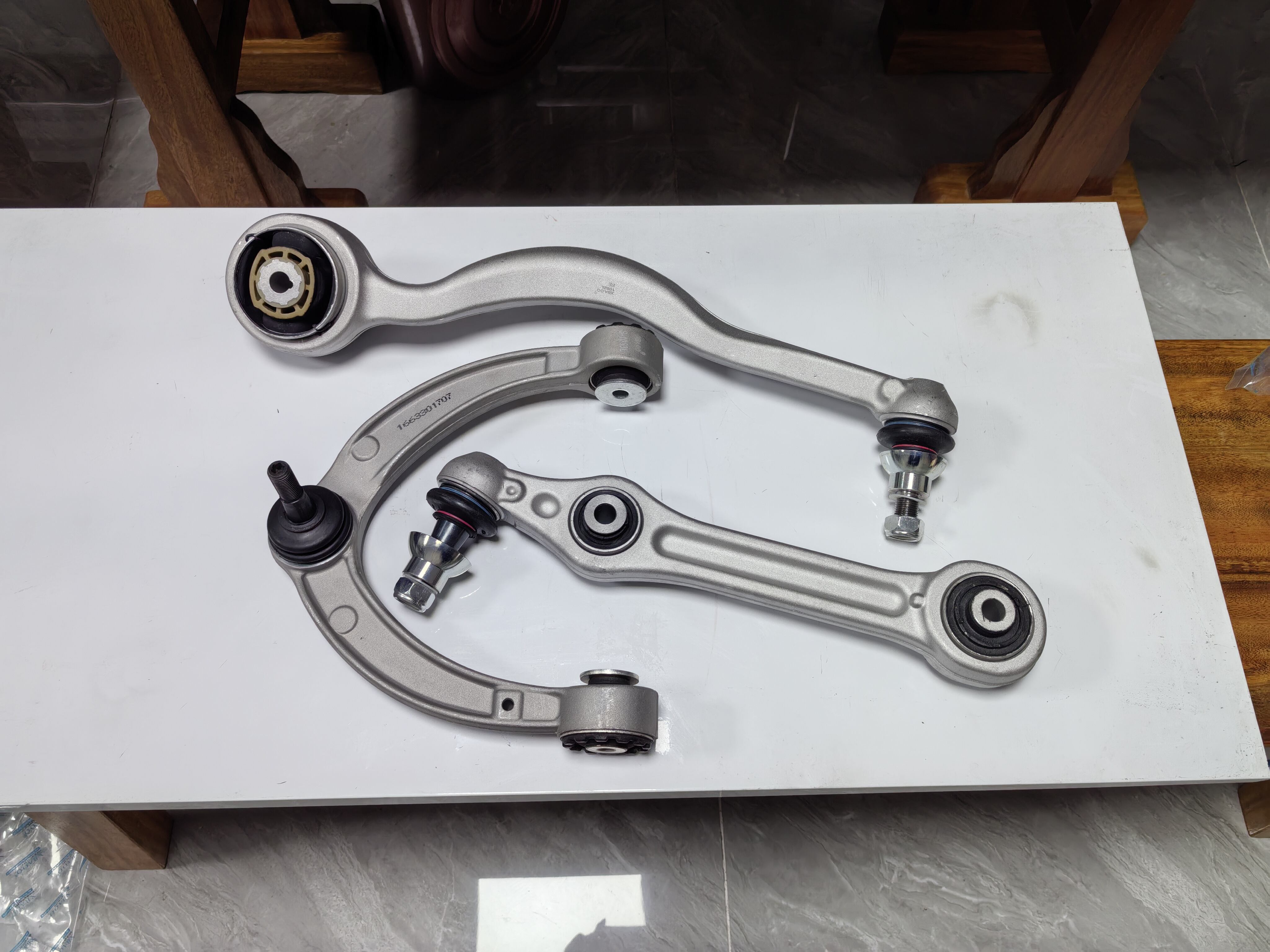
The upper ball joint demonstrates exceptional longevity through its utilization of premium-grade materials and advanced manufacturing techniques that exceed standard automotive industry specifications. The component's construction begins with carefully selected steel alloys that undergo rigorous quality control testing to ensure consistent chemical composition and mechanical properties. These high-performance materials provide superior resistance to fatigue, corrosion, and wear, enabling the upper ball joint to maintain its structural integrity throughout extended service periods. The manufacturing process incorporates state-of-the-art forging techniques that create dense, uniform grain structures within the metal components, eliminating potential weak points that could compromise durability. Specialized surface treatments, including nitriding and phosphate coatings, enhance corrosion resistance while improving the component's ability to retain lubricants effectively. The housing assembly utilizes precision casting or machining processes that achieve tight dimensional tolerances, ensuring proper component alignment and optimal load distribution. Quality control measures include comprehensive testing protocols that verify material properties, dimensional accuracy, and performance characteristics before final assembly. The upper ball joint's bearing surfaces receive specialized treatments that reduce friction coefficients while enhancing wear resistance, contributing to smoother operation and extended service life. Advanced sealing technologies protect internal components from environmental contaminants, including moisture, dirt, and road chemicals that can accelerate wear and corrosion processes. The construction methodology emphasizes preventive design principles, incorporating features that minimize maintenance requirements while maximizing operational reliability. These durability enhancements translate directly into reduced vehicle downtime, lower maintenance costs, and improved safety margins for critical suspension system operations, providing exceptional value for both commercial and personal vehicle applications where reliability is paramount.

 EN
EN