Complete Guide to Chassis Parts Torque Specifications: Safety, Precision & Performance Standards

All Categories

Get a Free Quote

Our representative will contact you soon.
Email
Name
Company Name
Message
0/1000

chassis parts torque specifications

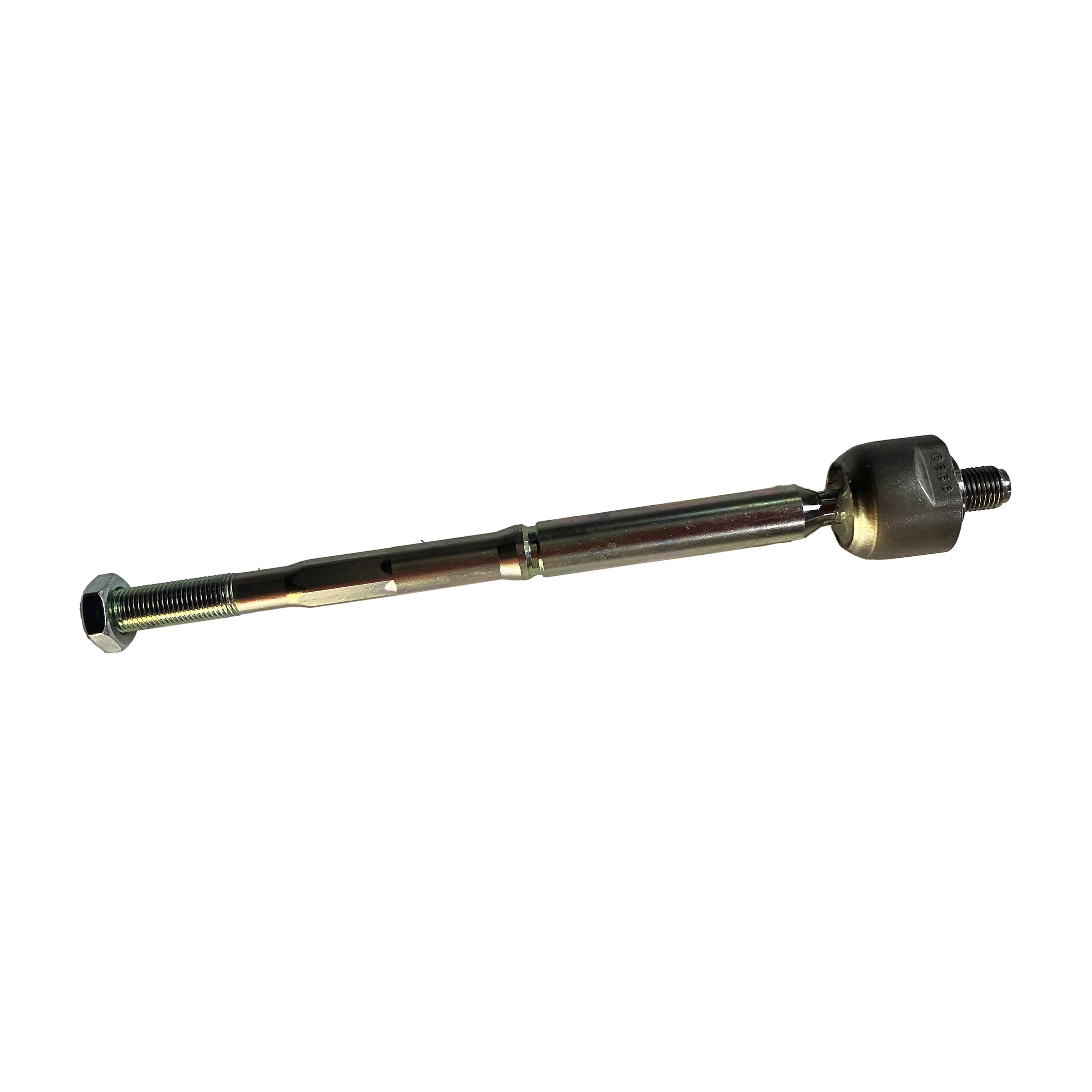
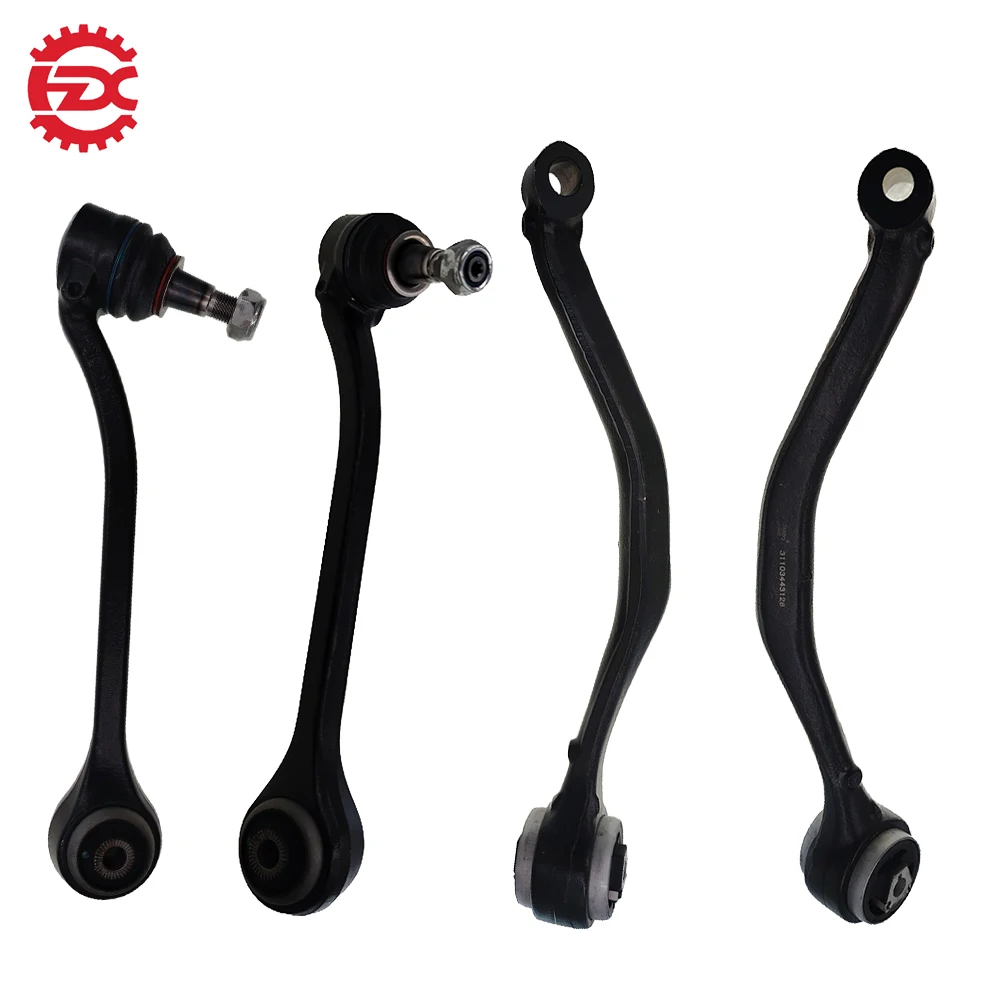
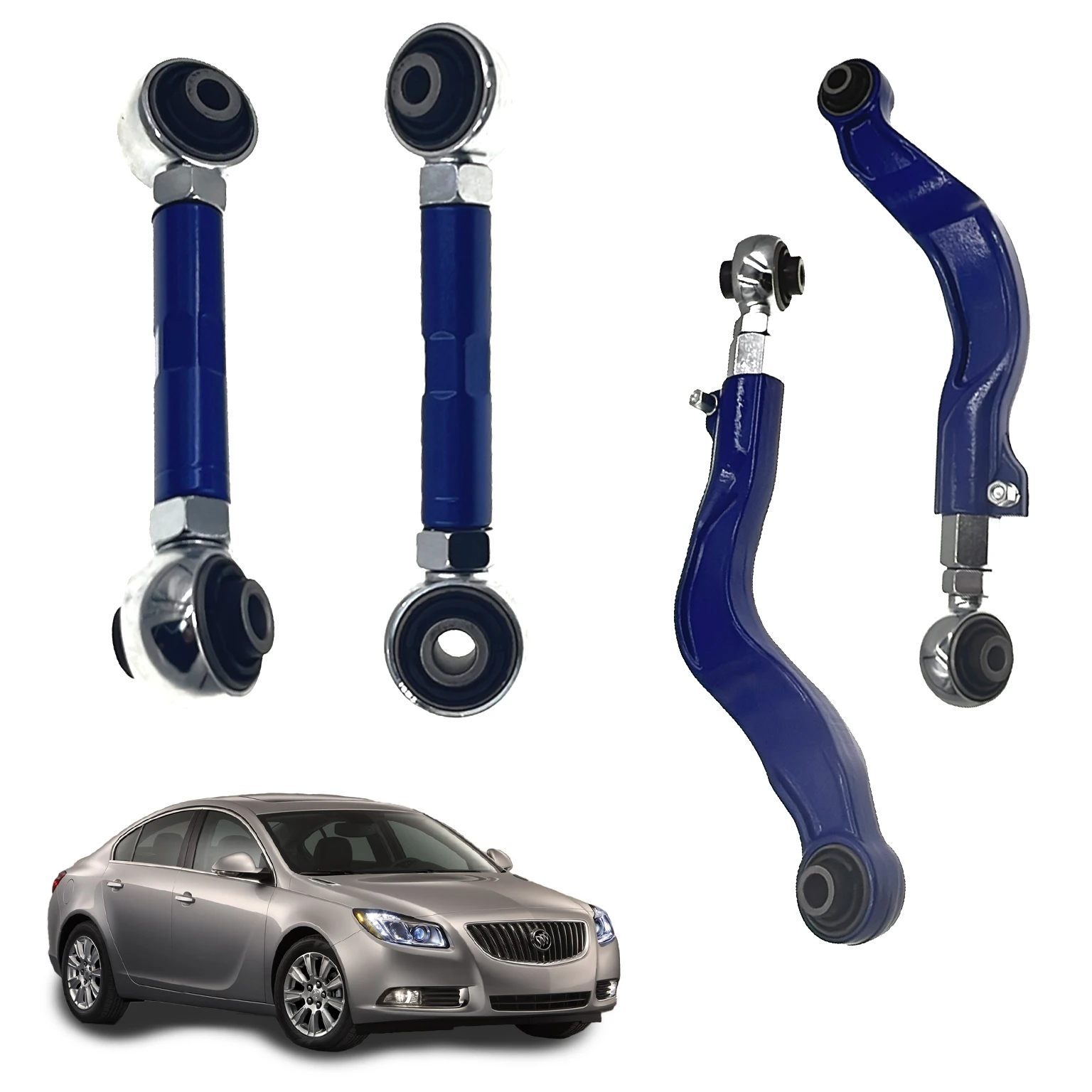
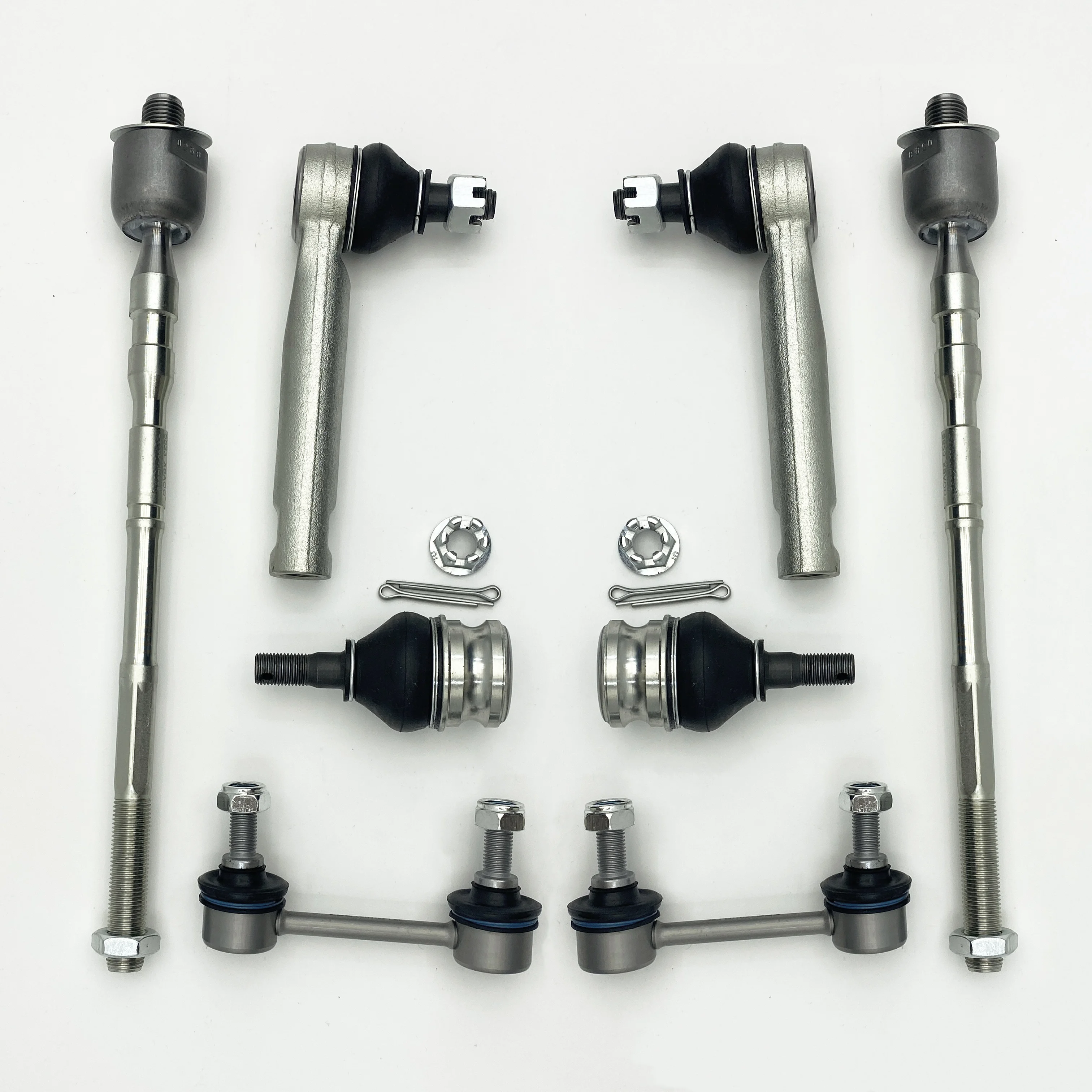
Chassis parts torque specifications represent critical engineering parameters that define the precise tightening requirements for automotive chassis components. These specifications establish the exact rotational force needed to properly secure bolts, nuts, and fasteners throughout the vehicle's structural framework. The chassis parts torque specifications encompass detailed measurements for suspension components, steering assemblies, brake systems, and frame connections that maintain vehicle integrity and safety. Understanding these torque values ensures optimal performance while preventing component failure or damage during assembly and maintenance procedures. Modern chassis parts torque specifications incorporate advanced materials science and engineering principles to account for various factors including thermal expansion, vibration resistance, and load distribution. These specifications typically range from lightweight components requiring minimal torque to heavy-duty structural elements demanding substantial tightening forces. Professional technicians rely on chassis parts torque specifications to achieve consistent assembly quality across different vehicle models and manufacturing environments. The implementation of proper torque specifications prevents both under-tightening, which can lead to component loosening and failure, and over-tightening, which may cause thread damage or material stress fractures. Contemporary chassis parts torque specifications integrate digital torque management systems that provide real-time feedback and verification during assembly processes. These specifications also account for different fastener materials, thread pitches, and surface treatments that affect friction coefficients and clamping forces. Quality control protocols depend heavily on accurate chassis parts torque specifications to ensure manufacturing consistency and regulatory compliance. The development of these specifications involves extensive testing under various environmental conditions, load scenarios, and operational stresses to guarantee long-term reliability and performance standards.

New Product Releases

Chassis parts torque specifications deliver exceptional precision that eliminates guesswork during vehicle assembly and maintenance operations. This precision directly translates to enhanced safety performance because every connection meets exact engineering requirements without compromise. Technicians save significant time when they follow standardized chassis parts torque specifications instead of relying on approximations or outdated practices. The specifications reduce material waste by preventing over-tightening damage that would require component replacement and additional labor costs. Vehicle manufacturers benefit from improved quality consistency across production lines when workers adhere to precise chassis parts torque specifications throughout assembly processes. These specifications minimize warranty claims by ensuring proper installation from the initial manufacturing stage through service intervals. Professional mechanics experience greater confidence knowing that chassis parts torque specifications provide tested and verified parameters for every fastener application. The standardization aspect allows different technicians to achieve identical results regardless of their individual experience levels or working locations. Modern chassis parts torque specifications incorporate safety margins that account for real-world operating conditions including temperature variations and dynamic loading scenarios. Fleet operators appreciate the extended component lifespan that results from proper torque application according to manufacturer specifications. The specifications reduce insurance costs by demonstrating adherence to industry standards and best practices during assembly and maintenance procedures. Training programs become more effective when based on documented chassis parts torque specifications rather than subjective techniques passed down through informal apprenticeships. Quality assurance departments can implement measurable standards using chassis parts torque specifications as benchmarks for acceptable assembly practices. Cost savings accumulate over time as proper torque application prevents premature failures and reduces emergency repair situations that disrupt operations.

Tips And Tricks

How to Install Adjustable Control Arms: A Step-by-Step Guide

30

Jul

How to Install Adjustable Control Arms: A Step-by-Step Guide

The Importance of a Precise Suspension Upgrade Upgrading your suspension system is one of the most effective ways to enhance vehicle handling, cornering stability, and wheel alignment. Among the various components you can modify, adjustable control ...
View More
The Ultimate Guide to Choosing the Right Adjustable Control Arms for Your Car

30

Jul

The Ultimate Guide to Choosing the Right Adjustable Control Arms for Your Car

Why Suspension Precision Matters More Than Ever Performance upgrades have become increasingly popular among automotive enthusiasts and daily drivers alike. One of the most overlooked yet critical components in ensuring better handling, wheel alignm...
View More
Guide to Implementing a Performance Control Arms Upgrade

31

Jul

Guide to Implementing a Performance Control Arms Upgrade

Guide to Implementing a Performance Control Arms Upgrade Control arms are critical parts of a vehicle’s suspension system, linking the frame to the wheels and managing how the wheels move during acceleration, braking, and cornering. Stock contr...
View More
Implementing a Performance Rear Toe Arm Upgrade

27

Nov

Implementing a Performance Rear Toe Arm Upgrade

Performance enthusiasts and automotive professionals increasingly recognize the critical role that suspension geometry plays in vehicle dynamics and handling characteristics. Among the various suspension components that can be upgraded to enhance per...
View More

Get a Free Quote

Our representative will contact you soon.
Email
Name
Company Name
Message
0/1000

chassis parts torque specifications

Enhanced Safety Through Precision Engineering

Enhanced Safety Through Precision Engineering

Chassis parts torque specifications provide unparalleled safety assurance by establishing scientifically calculated tightening parameters for every critical connection point within the vehicle structure. These specifications undergo rigorous testing protocols that simulate extreme operating conditions including high-speed driving, heavy load carrying, and severe environmental exposure to ensure reliable performance under all circumstances. The precision engineering behind chassis parts torque specifications considers multiple variables such as material properties, stress distribution patterns, and fatigue resistance characteristics that directly impact passenger safety and vehicle stability. Professional engineers develop these specifications through comprehensive analysis of failure modes and stress concentration points that could compromise structural integrity if improperly assembled. The safety benefits extend beyond initial assembly to include maintenance intervals where technicians must restore connections to original factory specifications without exceeding material limits. Modern chassis parts torque specifications incorporate advanced metallurgy knowledge that accounts for different alloy compositions and heat treatment processes that affect fastener performance under operational stresses. Vehicle testing laboratories validate these specifications through accelerated aging tests, vibration analysis, and destructive testing procedures that confirm safety margins under worst-case scenarios. The implementation of proper chassis parts torque specifications prevents catastrophic failures that could result in accidents, injuries, or fatalities by ensuring every structural connection maintains its designed load-carrying capacity throughout the vehicle's service life. Quality control inspectors use these specifications as definitive standards for accepting or rejecting assemblies during production verification processes. Emergency response considerations factor into chassis parts torque specifications development to ensure structural components remain intact during collision events and facilitate occupant protection systems operation.
Operational Efficiency and Cost Optimization

Operational Efficiency and Cost Optimization

Chassis parts torque specifications streamline manufacturing and service operations by providing clear, actionable parameters that eliminate time-consuming trial-and-error approaches during assembly procedures. These specifications enable production line workers to achieve consistent results without requiring extensive training periods or specialized expertise in mechanical engineering principles. The standardization provided by chassis parts torque specifications reduces inventory complexity by specifying compatible fastener types and grades across different vehicle models and component applications. Manufacturing efficiency improves significantly when assembly teams follow documented torque specifications rather than relying on individual judgment or inconsistent practices that vary between shifts and workers. Service departments benefit from reduced diagnostic time when following chassis parts torque specifications because proper initial assembly prevents many common failure modes that require investigation and repair. The specifications enable predictive maintenance scheduling by establishing baseline conditions that technicians can monitor for deterioration over time through periodic torque verification procedures. Cost optimization occurs through reduced warranty expenses when chassis parts torque specifications prevent premature failures caused by improper assembly techniques or inadequate fastener tightening. Training programs become more cost-effective when based on standardized chassis parts torque specifications that provide measurable learning objectives and verification criteria for technician competency. Tool calibration requirements become more manageable when based on specific torque ranges defined in chassis parts torque specifications rather than broad approximations that require frequent adjustments. Supply chain management benefits from chassis parts torque specifications that specify exact fastener grades and specifications, enabling bulk purchasing agreements and inventory optimization strategies that reduce overall procurement costs while maintaining quality standards.
Long-Term Reliability and Performance Assurance

Long-Term Reliability and Performance Assurance

Chassis parts torque specifications guarantee long-term reliability by establishing optimal preload conditions that maintain joint integrity throughout extended service intervals under varying operational demands. These specifications account for dynamic loading scenarios that occur during normal driving conditions including acceleration, braking, cornering, and road surface irregularities that create complex stress patterns within chassis connections. The reliability benefits of proper chassis parts torque specifications extend to preventing loosening due to vibration, thermal cycling, and material settling that naturally occur during vehicle operation over thousands of miles. Engineering analysis behind these specifications considers fatigue life calculations that predict fastener performance over multiple load cycles without degradation or failure under normal operating conditions. Performance assurance comes from the systematic approach used to develop chassis parts torque specifications through extensive field testing, laboratory analysis, and statistical validation procedures that confirm durability expectations. Temperature compensation factors built into chassis parts torque specifications ensure reliable performance across different climate conditions and seasonal variations that affect material properties and dimensional stability. The specifications provide consistent clamping forces that maintain gasket sealing effectiveness, bearing preloads, and alignment precision necessary for optimal component operation throughout the vehicle's design life. Corrosion resistance considerations factor into chassis parts torque specifications development to prevent galvanic reactions and environmental degradation that could compromise joint integrity over time. Monitoring protocols based on chassis parts torque specifications enable predictive maintenance strategies that identify potential issues before they result in component failure or safety hazards. Quality assurance programs rely on these specifications to establish acceptance criteria for incoming components, assembly verification procedures, and field service inspections that maintain reliability standards throughout the vehicle's operational lifecycle.

Get a Free Quote

Our representative will contact you soon.
Email
Name
Company Name
Message
0/1000