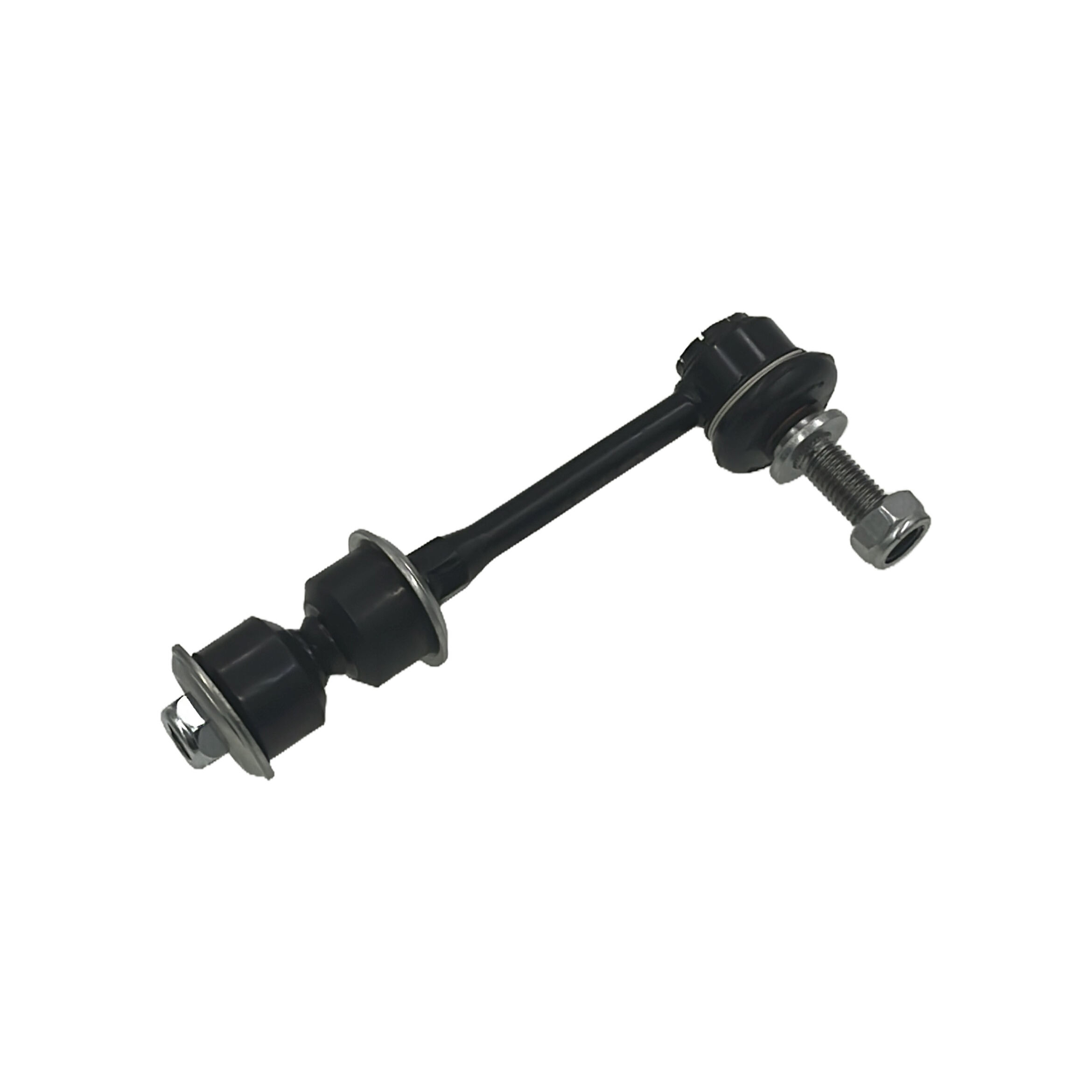
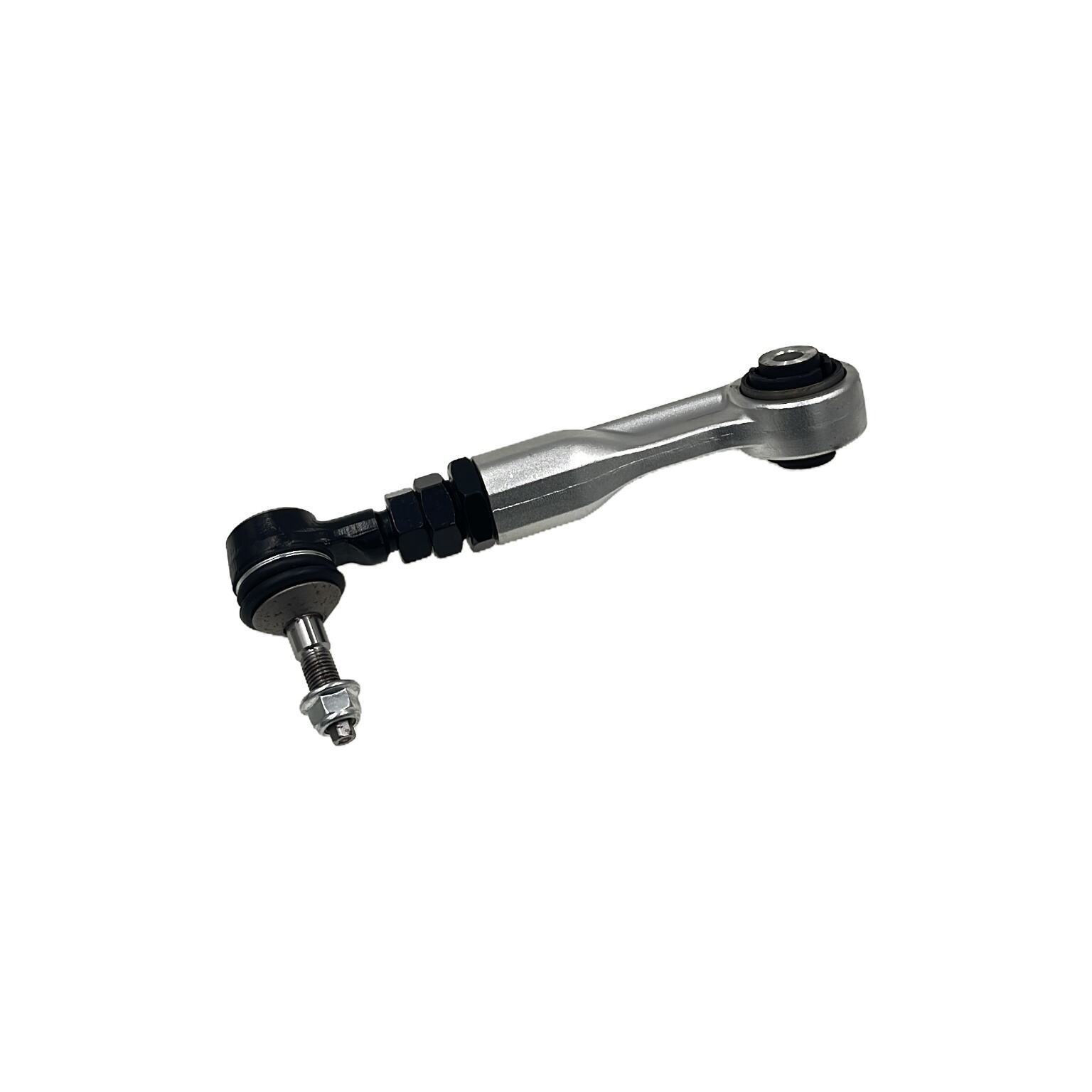
front inner tie rods
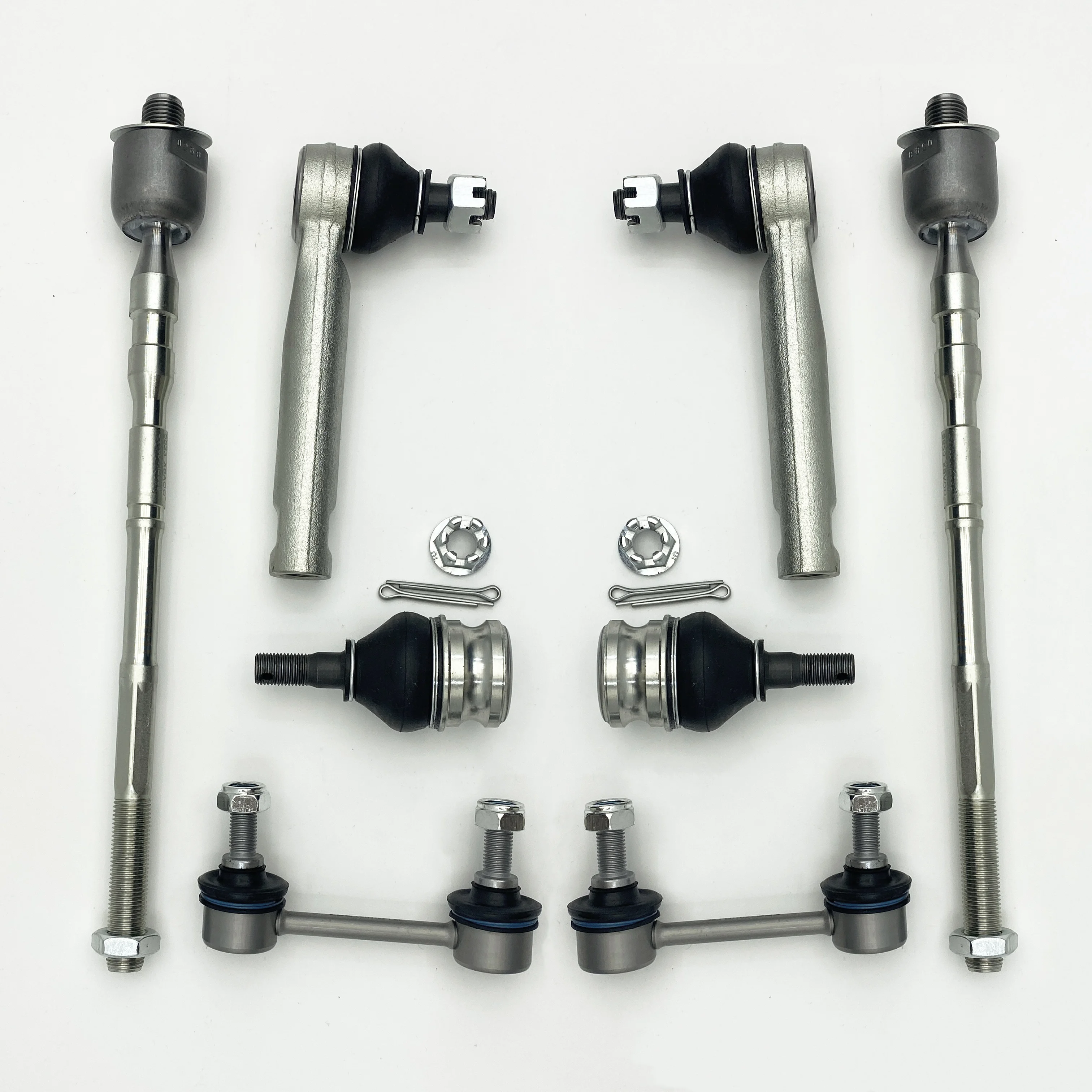
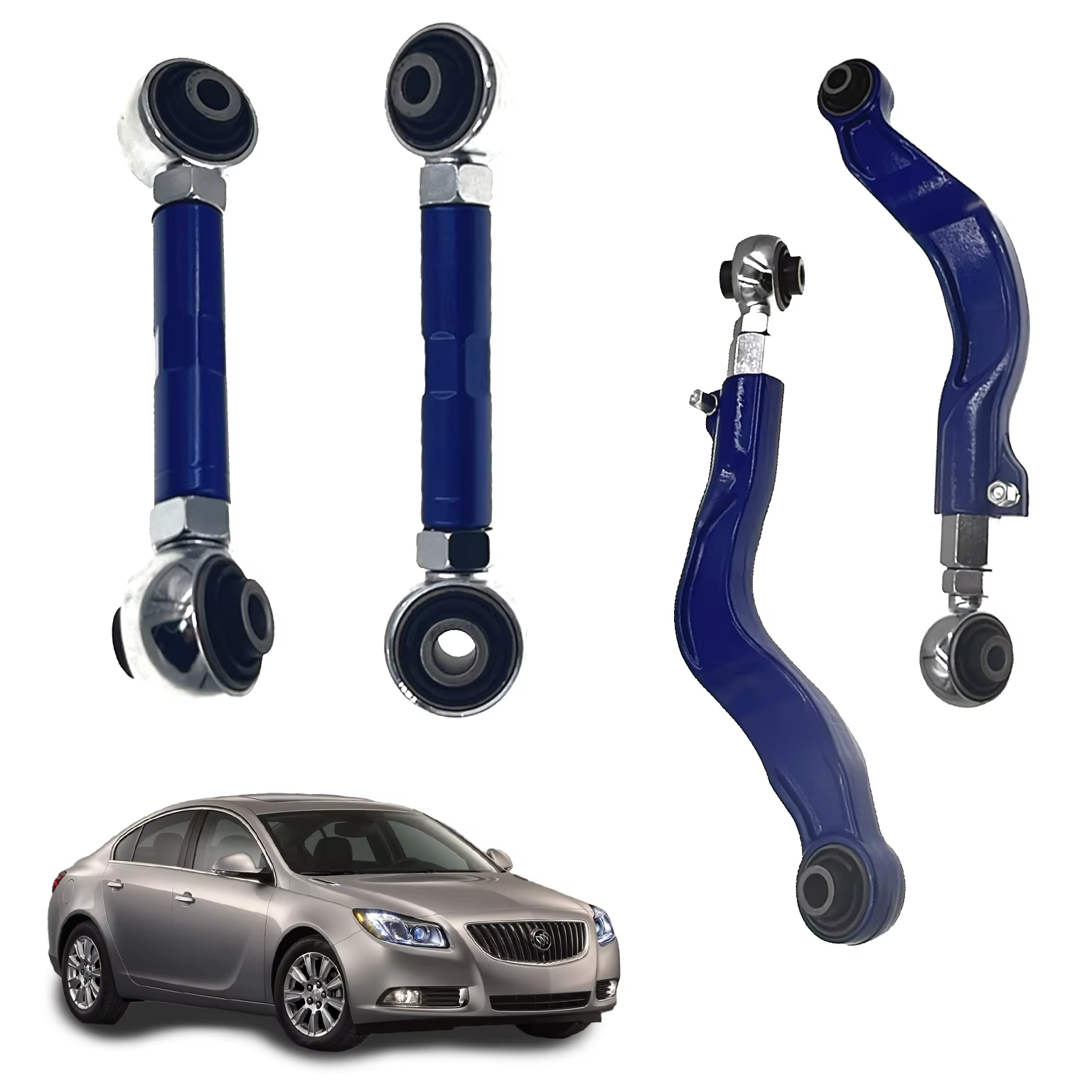
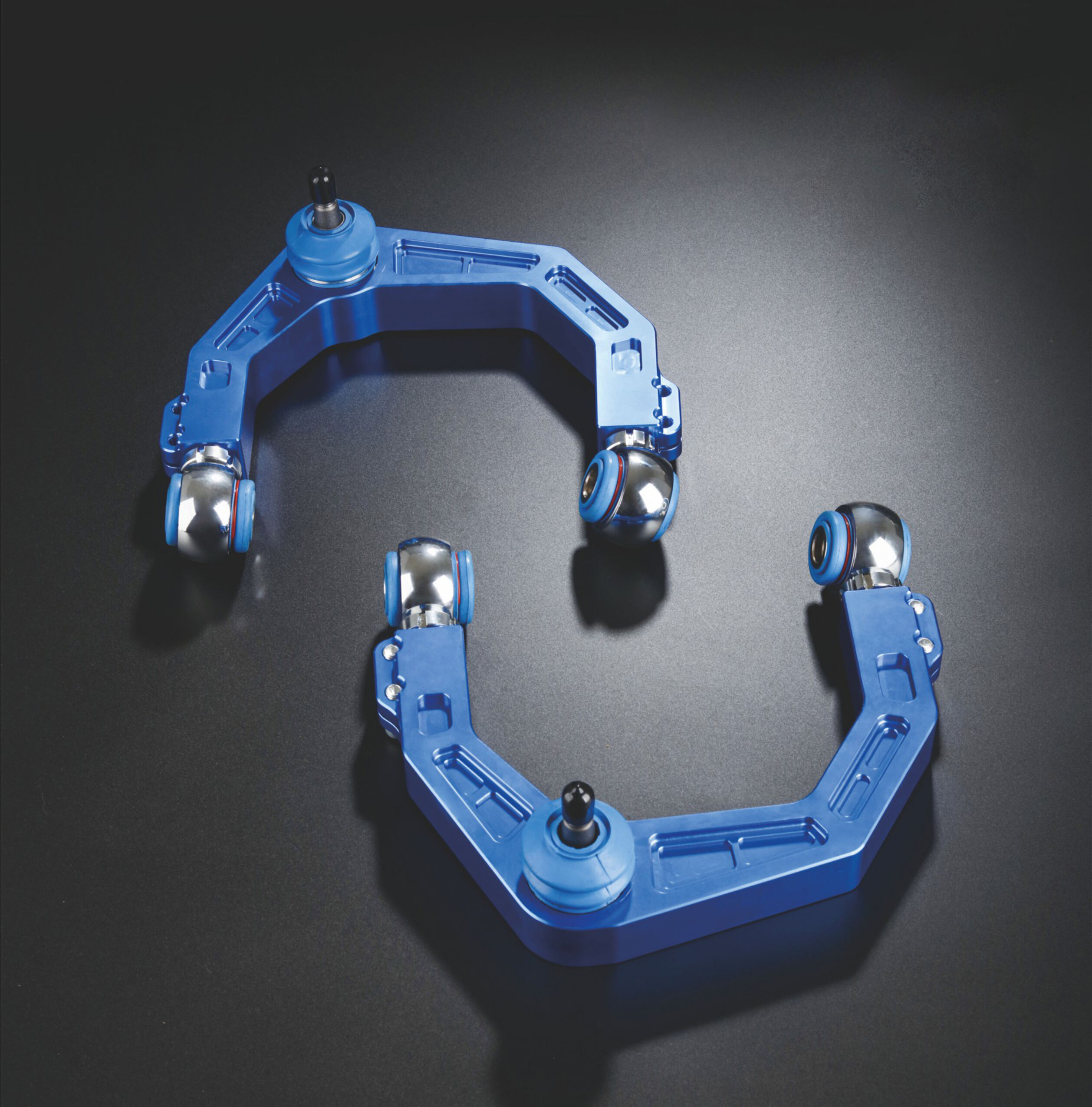
Front inner tie rods represent a crucial component in modern automotive steering systems, serving as the primary connection point between the steering rack and the outer tie rod ends. These precision-engineered components are specifically designed to translate the rotational movement of the steering wheel into precise directional control of the vehicle's front wheels. The front inner tie rods operate within the steering rack assembly, where they receive input from the rack's linear motion and transmit this force through the steering linkage system. Each front inner tie rod features a threaded design that allows for precise adjustment of wheel alignment parameters, particularly toe settings, which directly impact vehicle handling, tire wear patterns, and overall driving safety. The construction of front inner tie rods typically involves high-strength steel materials that undergo specialized heat treatment processes to ensure optimal durability under the constant stress of steering operations. Advanced manufacturing techniques incorporate precision threading, corrosion-resistant coatings, and engineered tolerances that maintain consistent performance across various driving conditions. The technological features of front inner tie rods include sealed ball joint mechanisms that provide smooth articulation while preventing contamination from road debris, moisture, and other environmental factors. Modern front inner tie rods often integrate advanced rubber or polyurethane boot systems that extend component lifespan by maintaining proper lubrication and excluding harmful contaminants. These components find extensive application across passenger vehicles, light trucks, SUVs, and commercial vehicles, where they must withstand varying load conditions and driving environments. The versatility of front inner tie rods makes them suitable for both original equipment manufacturer installations and aftermarket replacement applications, ensuring broad compatibility across numerous vehicle platforms and model years while maintaining the precise steering response that drivers expect from their vehicles.

 EN
EN