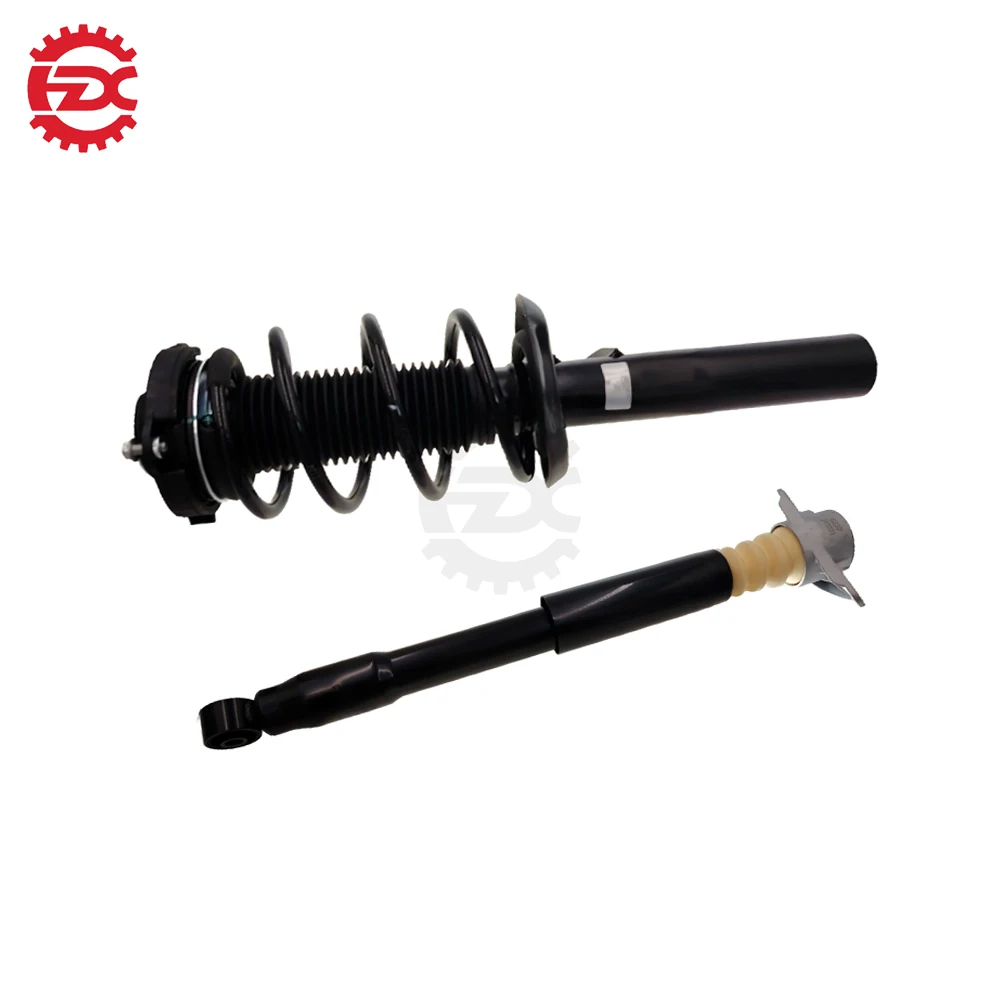
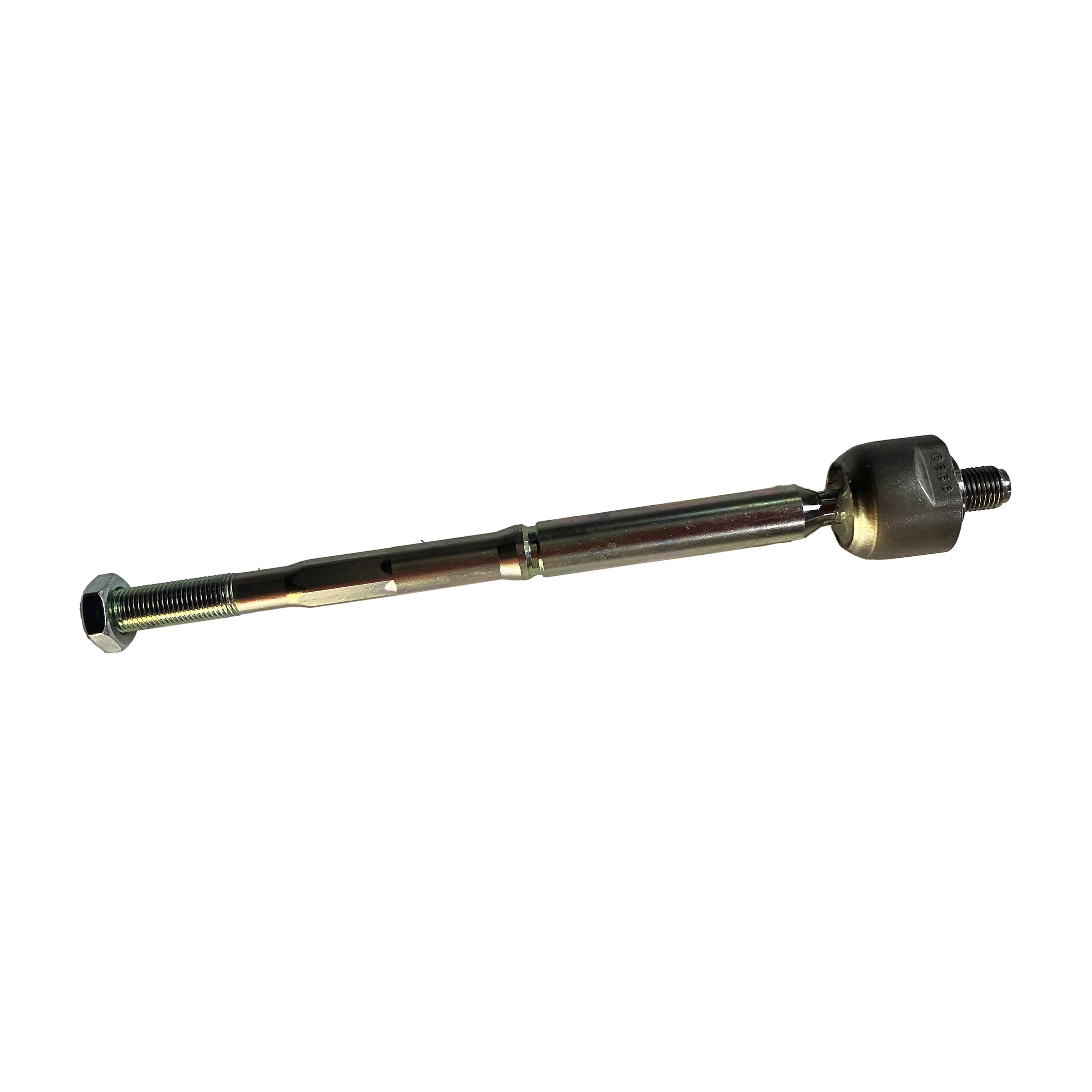
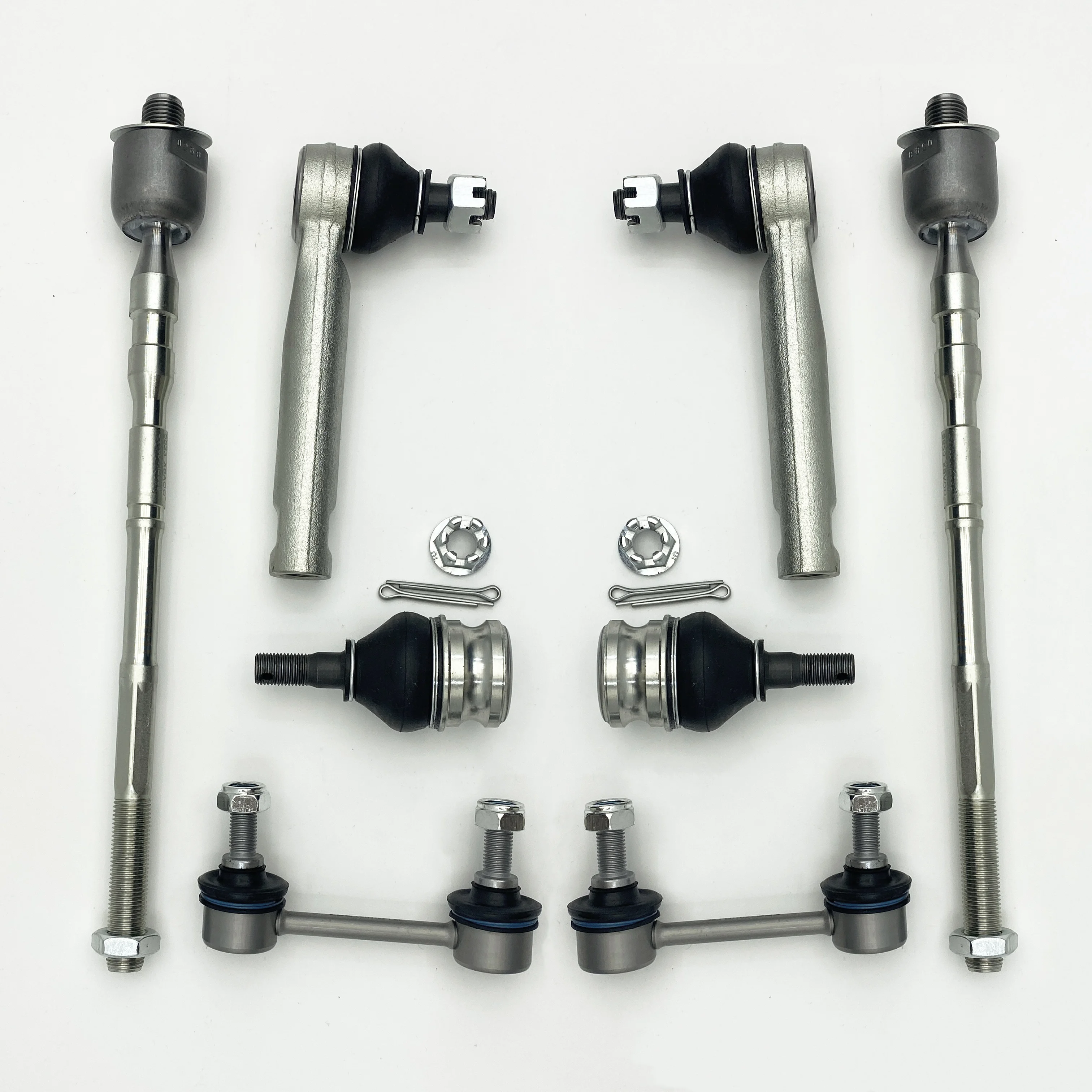
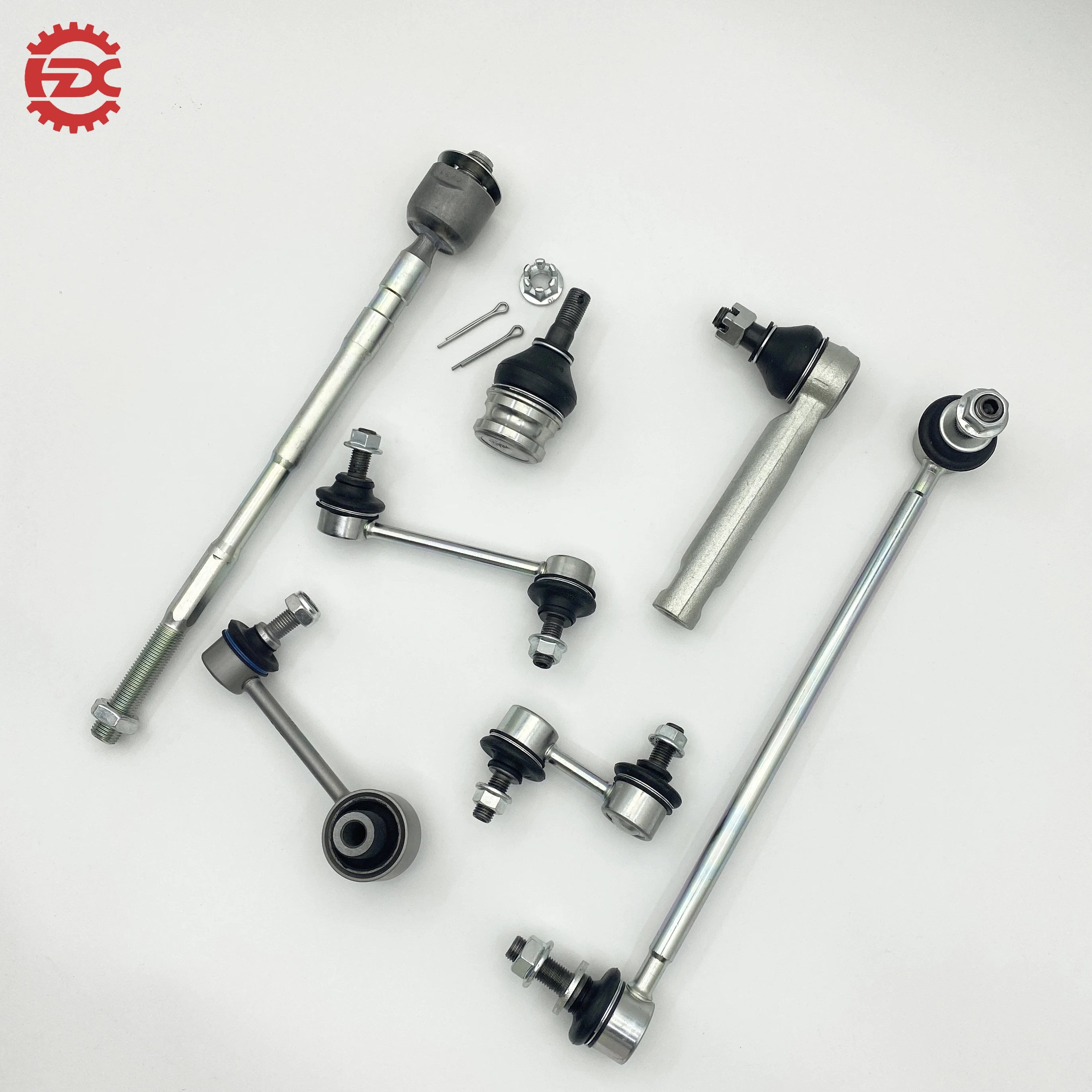
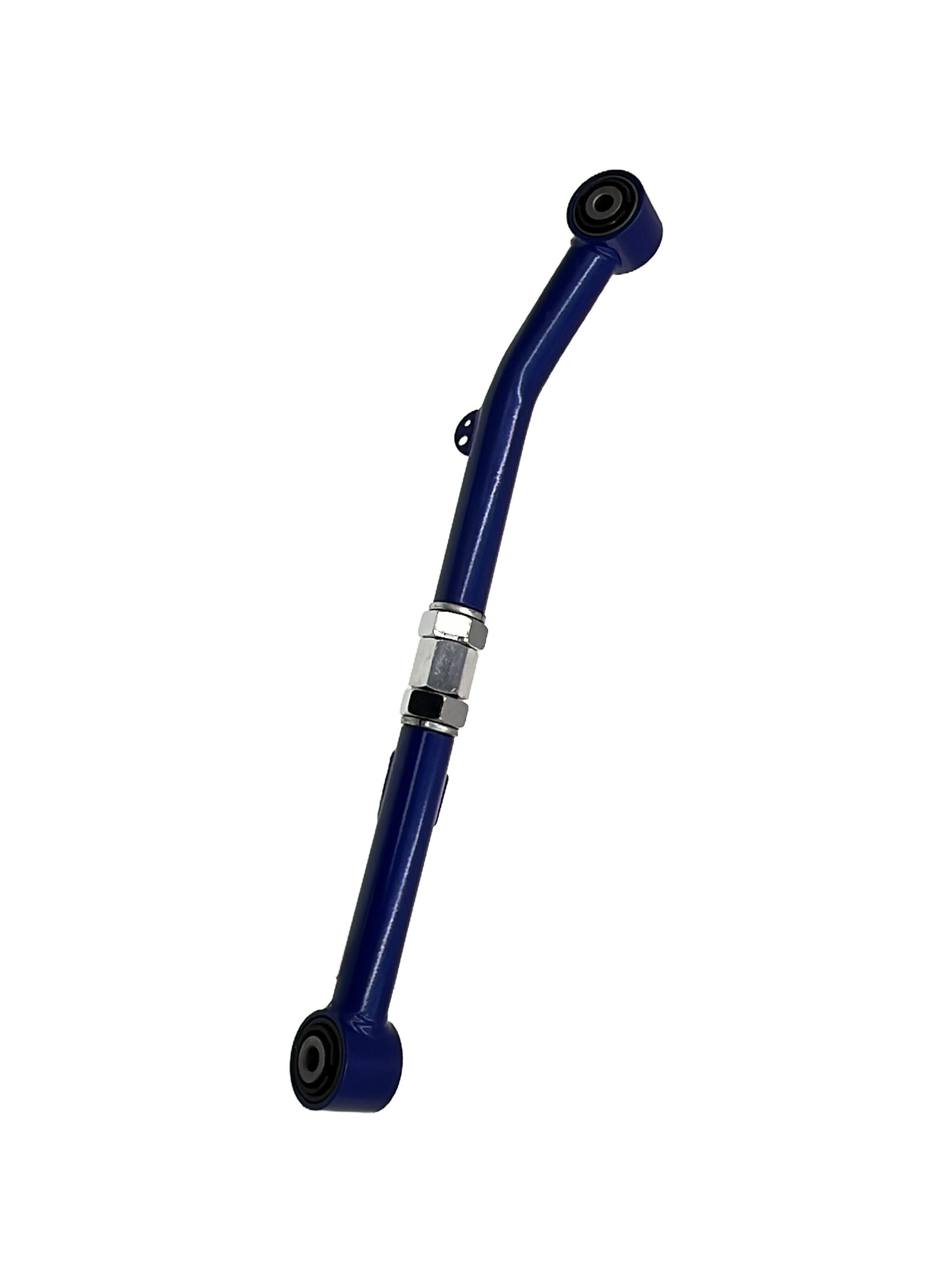
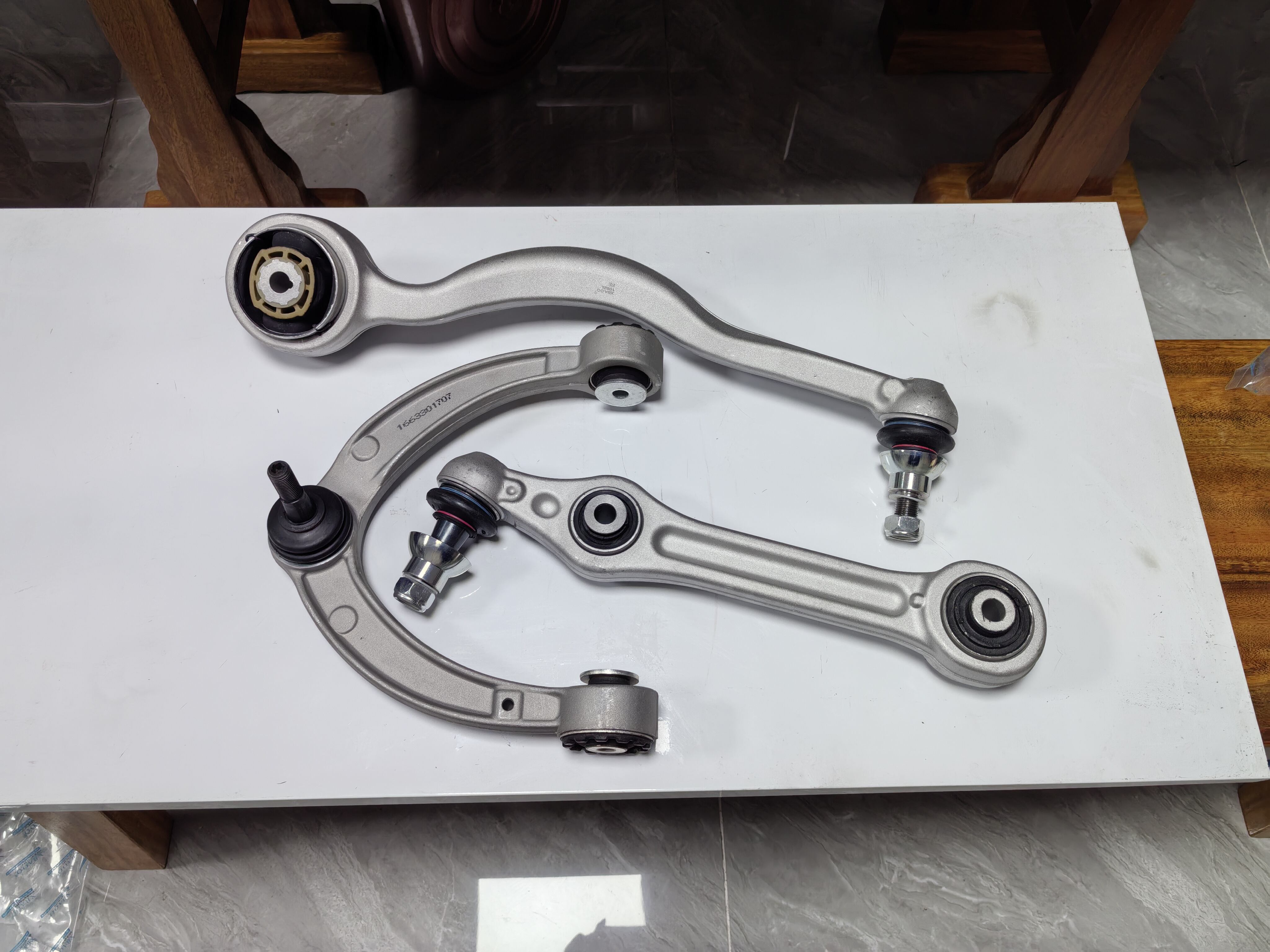
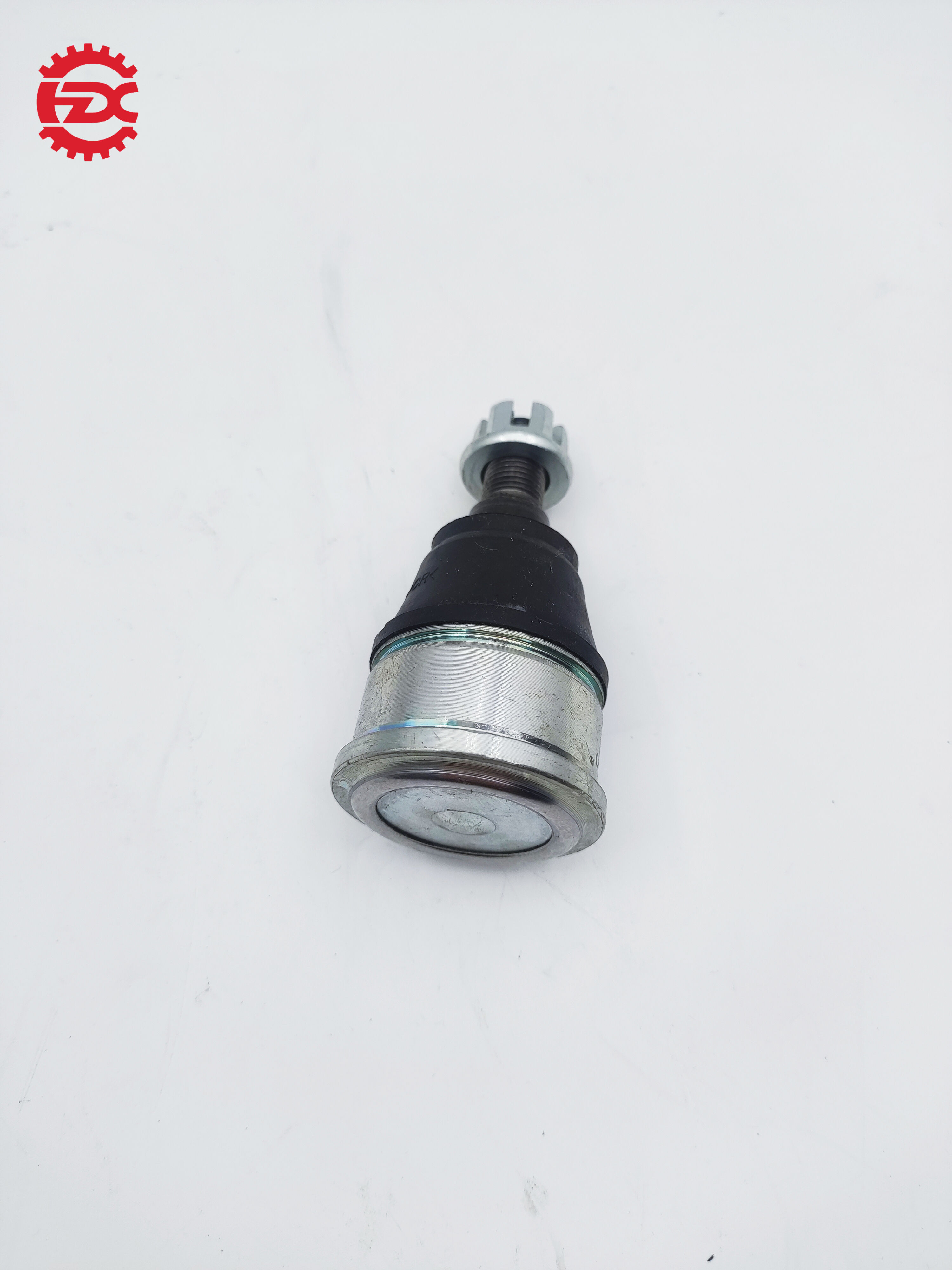
lower ball joint
The lower ball joint represents a critical component in modern automotive suspension systems, serving as the pivotal connection point between the vehicle's control arm and steering knuckle. This spherical bearing assembly enables smooth articulation of the suspension while maintaining precise wheel alignment and steering control. The lower ball joint consists of a hardened steel ball stud encased within a durable housing, typically manufactured from high-grade steel or aluminum alloy materials. The design incorporates advanced sealing technology to protect internal lubricants from contamination while ensuring optimal performance under extreme operating conditions. The lower ball joint functions as a load-bearing element that supports the vehicle's weight while allowing controlled movement in multiple directions. This component must withstand tremendous forces including vertical loads from the vehicle's mass, lateral forces during cornering, and dynamic stresses from road irregularities. Modern lower ball joints feature precision-engineered tolerances that minimize play and wear, contributing to enhanced vehicle stability and safety. The technological advancement in lower ball joint manufacturing includes improved materials science, advanced heat treatment processes, and enhanced sealing systems. These innovations result in extended service life, reduced maintenance requirements, and superior performance characteristics. Applications for lower ball joints span across various vehicle categories including passenger cars, light trucks, SUVs, and commercial vehicles. Each application requires specific engineering considerations to match the unique demands of different vehicle platforms and operating environments. The lower ball joint's strategic positioning in the suspension geometry directly influences ride quality, handling characteristics, and tire wear patterns. Quality lower ball joints undergo rigorous testing procedures including fatigue analysis, corrosion resistance evaluation, and performance validation under simulated real-world conditions. This comprehensive approach ensures reliability and durability throughout the component's operational lifespan, making the lower ball joint an indispensable element of safe and efficient vehicle operation.

 EN
EN