Premium Ball Joint Solutions - Multi-Directional Movement & Superior Durability

All Categories

Get a Free Quote

Our representative will contact you soon.
Email
Name
Company Name
Message
0/1000

ball joint

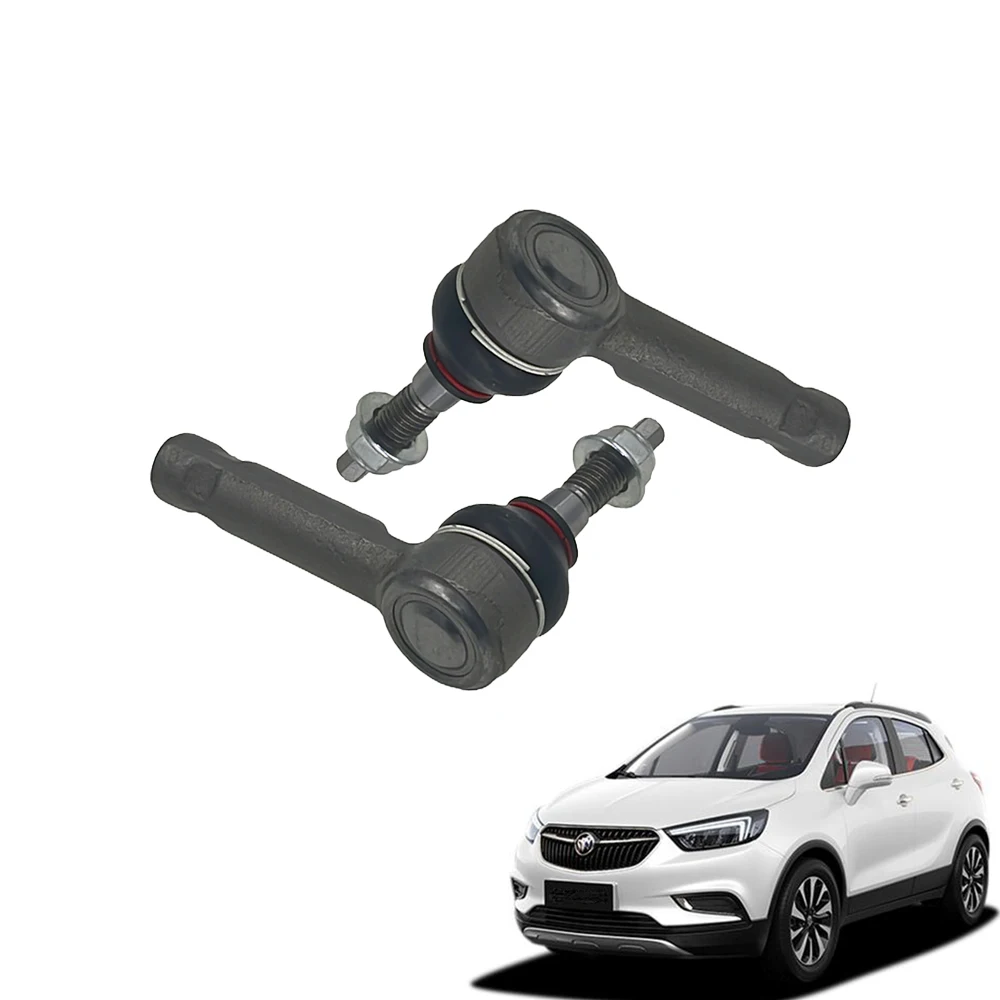
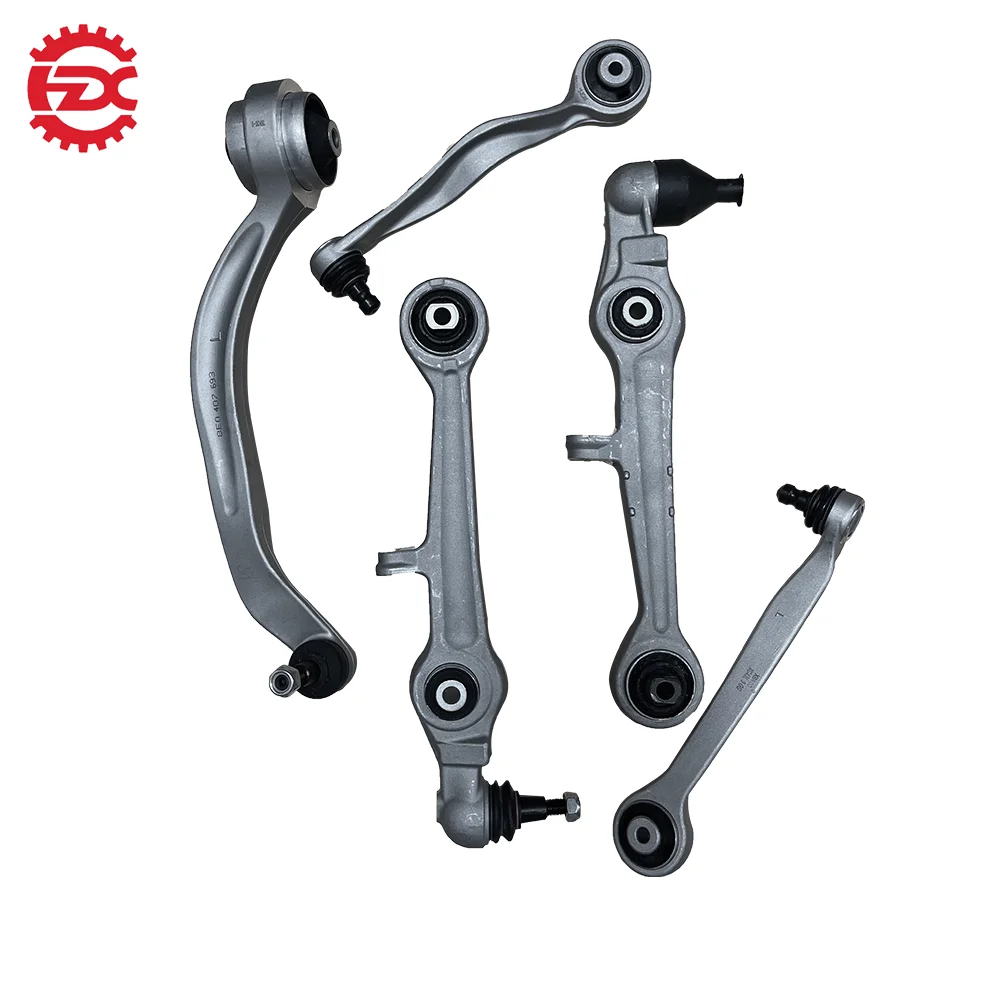
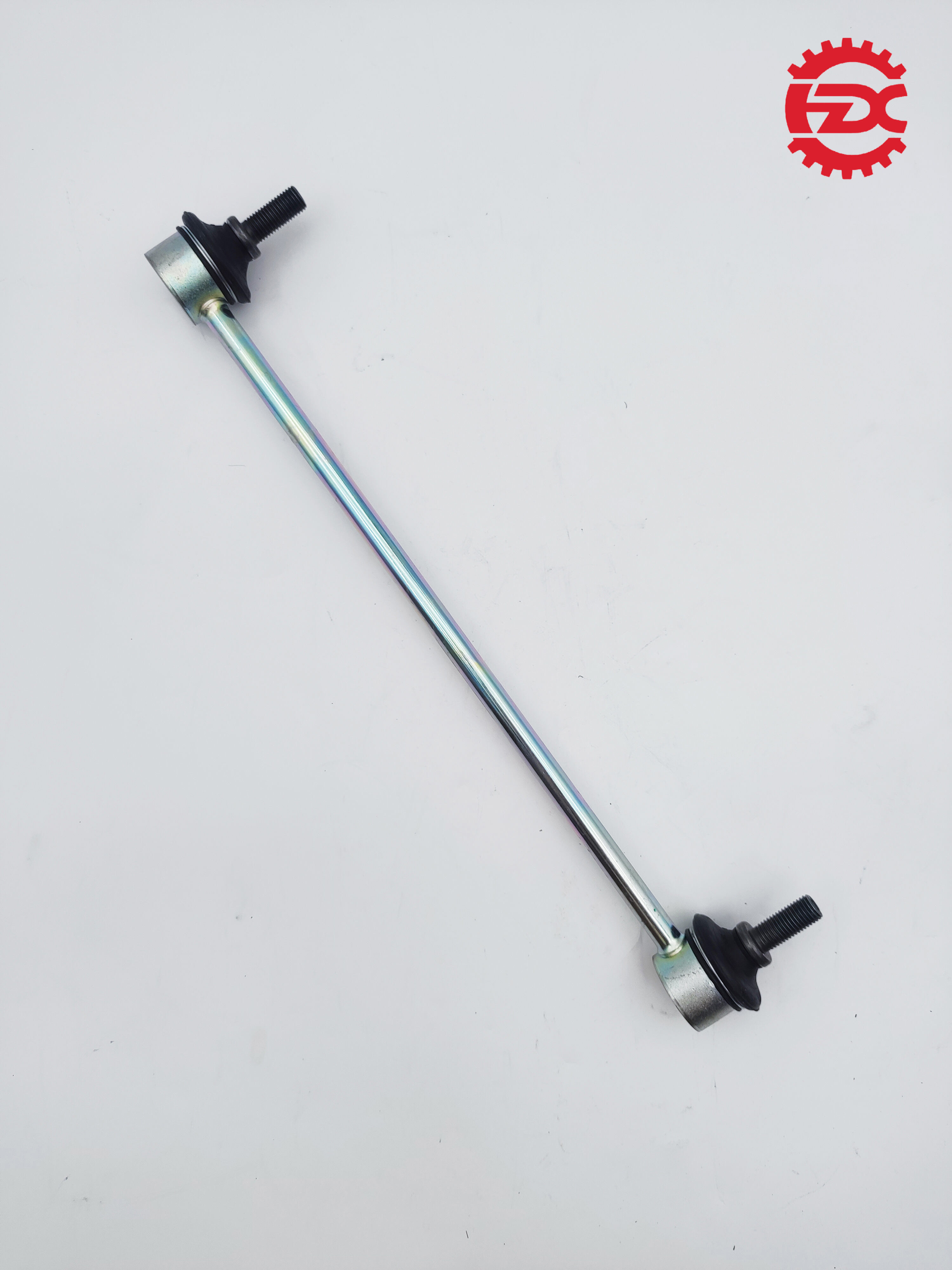
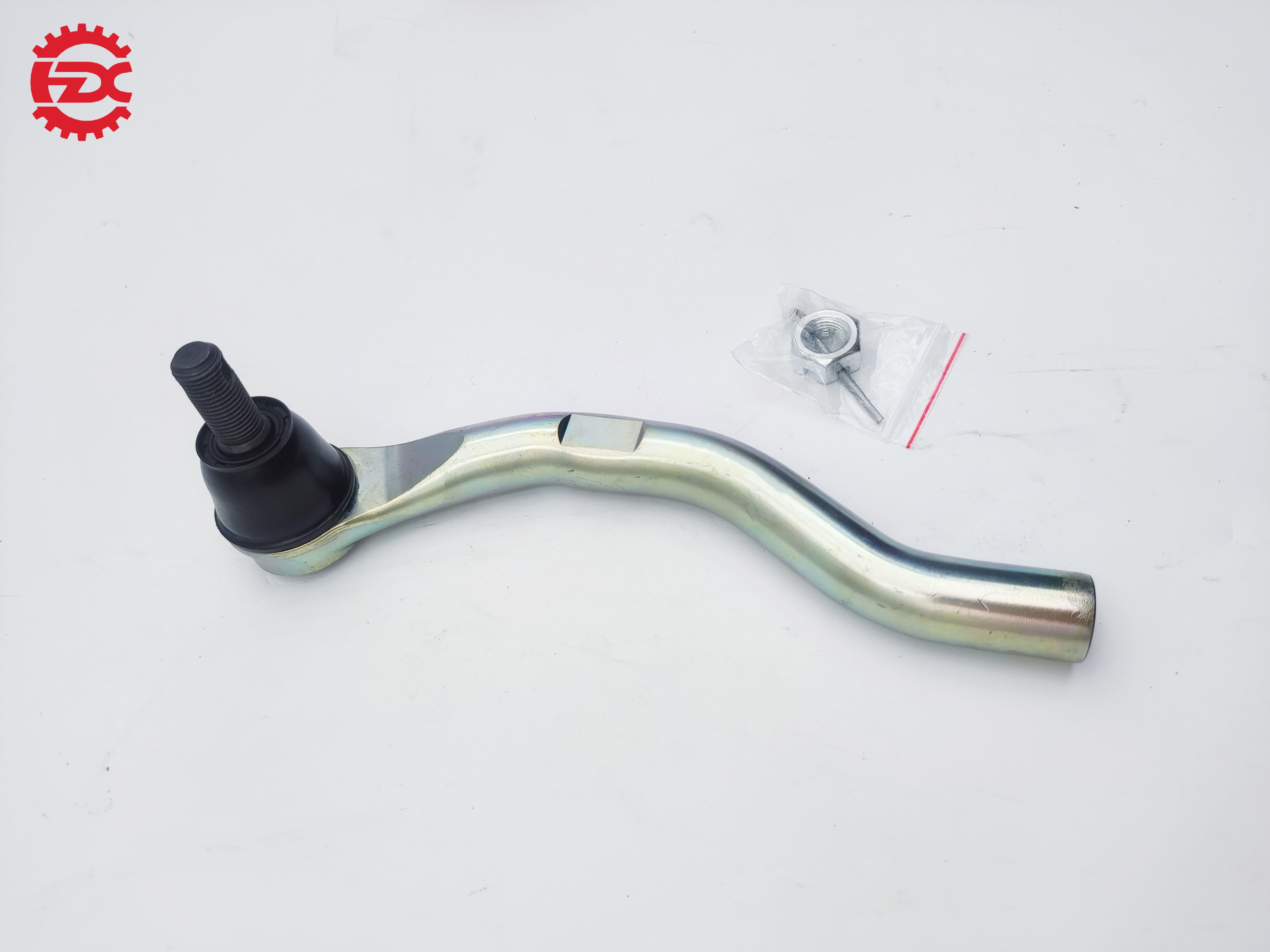
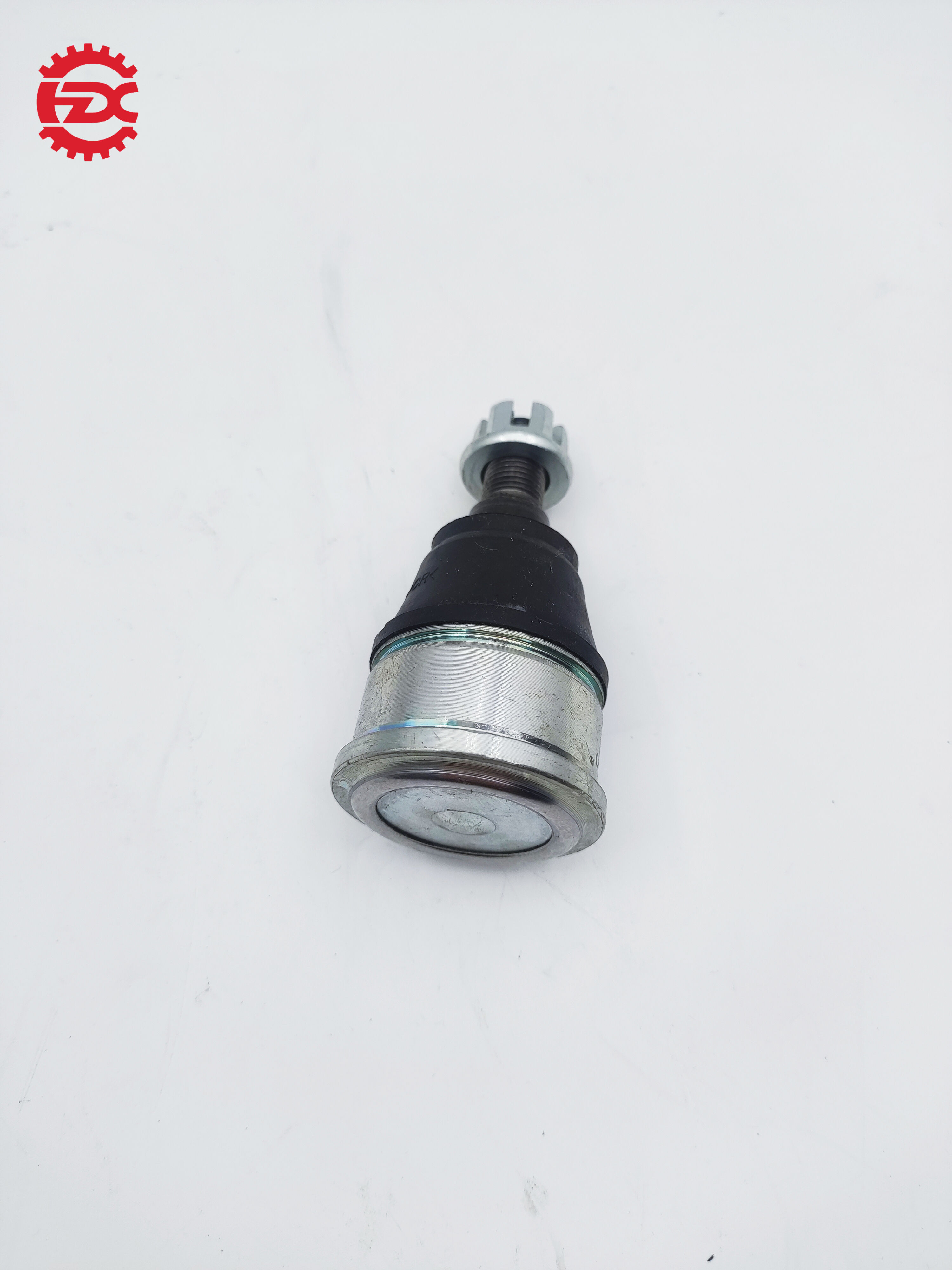
A ball joint represents a crucial mechanical component that enables smooth rotational movement between connected parts in various applications. This spherical bearing system consists of a ball-shaped stud housed within a socket, creating a flexible connection point that allows multi-directional movement while maintaining structural integrity. The ball joint design incorporates precision-engineered materials and manufacturing processes to deliver reliable performance across demanding operational environments. The primary function of a ball joint centers on providing articulation between rigid components, allowing them to move freely in multiple planes while transmitting loads effectively. This mechanical marvel facilitates steering control in automotive applications, enables precise positioning in industrial machinery, and supports complex motion requirements in aerospace systems. The technological features of modern ball joints include advanced sealing systems that protect internal components from contamination, specialized lubrication mechanisms that ensure smooth operation throughout extended service intervals, and robust construction materials that withstand extreme temperatures and pressures. Manufacturing processes involve precision machining, heat treatment, and quality control procedures that guarantee consistent performance characteristics. Ball joint applications span numerous industries, from automotive suspension and steering systems to heavy machinery, construction equipment, and industrial automation. In automotive contexts, ball joints connect control arms to steering knuckles, enabling wheels to turn while accommodating suspension movement. Industrial applications utilize ball joints in robotic systems, conveyor mechanisms, and manufacturing equipment where precise articulation is essential. The versatility of ball joint technology makes it indispensable in sectors requiring reliable mechanical connections that can accommodate complex motion patterns while maintaining durability and precision performance standards throughout extended operational periods.

New Product Releases

Ball joints deliver exceptional performance advantages that make them superior choices for mechanical connection requirements across diverse applications. The primary benefit lies in their ability to provide smooth, multi-directional movement while maintaining precise control over connected components. This flexibility eliminates binding and stress concentrations that occur with rigid connections, resulting in improved system efficiency and reduced wear on surrounding components. The spherical design distributes loads evenly across the contact surface, preventing premature failure and extending service life significantly compared to alternative connection methods. Maintenance requirements for ball joints remain minimal due to their self-lubricating properties and sealed construction that prevents contamination from entering critical bearing surfaces. This design reduces downtime and operational costs while ensuring consistent performance throughout extended service intervals. The durability of ball joints stems from precision manufacturing processes and high-quality materials that resist corrosion, wear, and environmental degradation. Users benefit from reduced replacement frequencies and lower total cost of ownership compared to less robust connection systems. Installation simplicity represents another significant advantage, as ball joints typically require standard tools and straightforward procedures that minimize labor costs and installation time. The compact design of ball joints allows integration into space-constrained applications where traditional pivot mechanisms cannot fit, providing designers with greater flexibility in system layout and configuration. Performance reliability under extreme conditions sets ball joints apart from alternative solutions, maintaining functionality across wide temperature ranges, high-vibration environments, and demanding load conditions. This reliability translates to improved system uptime and reduced maintenance interventions. Cost-effectiveness emerges from the combination of reasonable initial investment, extended service life, and minimal maintenance requirements. Users experience significant savings compared to systems requiring frequent component replacement or complex maintenance procedures. The standardized nature of ball joint interfaces facilitates easy sourcing and replacement, ensuring parts availability and reducing inventory management complexity. Quality assurance processes during manufacturing guarantee consistent performance characteristics, giving users confidence in system reliability and predictable operational behavior across multiple installations.

Practical Tips

How to Install Adjustable Control Arms: A Step-by-Step Guide

30

Jul

How to Install Adjustable Control Arms: A Step-by-Step Guide

The Importance of a Precise Suspension Upgrade Upgrading your suspension system is one of the most effective ways to enhance vehicle handling, cornering stability, and wheel alignment. Among the various components you can modify, adjustable control ...
View More
Camber Arms: The Key to Enhanced Vehicle Dynamics

18

Sep

Camber Arms: The Key to Enhanced Vehicle Dynamics

Understanding the Critical Role of Camber Arms in Vehicle Performance Vehicle performance enthusiasts and automotive engineers have long recognized that achieving optimal handling characteristics requires precise control over wheel alignment geometry...
View More
Adjustable Camber Arms: Precision in Alignment

24

Sep

Adjustable Camber Arms: Precision in Alignment

Understanding Vehicle Suspension Geometry and Control Vehicle performance enthusiasts and professional mechanics alike recognize the critical role that suspension geometry plays in achieving optimal handling and tire wear. At the heart of this precis...
View More
Best Practices for Using Adjustable Camber Arms

27

Nov

Best Practices for Using Adjustable Camber Arms

Adjustable camber arms represent a crucial upgrade for automotive enthusiasts and professionals seeking precise wheel alignment control. These sophisticated suspension components allow drivers to fine-tune their vehicle's camber angle, delivering imp...
View More

Get a Free Quote

Our representative will contact you soon.
Email
Name
Company Name
Message
0/1000

ball joint

Superior Load Distribution and Stress Management

Superior Load Distribution and Stress Management

The ball joint excels in load distribution through its innovative spherical contact design that fundamentally changes how mechanical stresses are managed within connected systems. Unlike conventional pivot mechanisms that concentrate forces at specific contact points, the ball joint spreads loads across a curved surface area, dramatically reducing stress concentrations that typically lead to premature component failure. This uniform distribution mechanism operates through the spherical geometry of the ball stud, which maintains contact with the socket housing across multiple points simultaneously. The engineering principles behind this design ensure that applied forces are transmitted smoothly without creating harmful stress risers or fatigue-inducing pressure points. Manufacturing precision plays a critical role in achieving optimal load distribution, with tight tolerances ensuring proper spherical geometry and surface finish quality that promotes even contact patterns. The materials used in ball joint construction are specifically selected for their ability to handle distributed loads while maintaining dimensional stability under varying operational conditions. Heat treatment processes further enhance the load-bearing capabilities by creating hardened surfaces that resist deformation and wear. The practical benefits of superior load distribution extend beyond component longevity to include improved system performance and reduced maintenance requirements. Users experience fewer unexpected failures and longer intervals between service interventions, resulting in significant cost savings and improved operational reliability. The stress management capabilities of ball joints make them particularly valuable in high-load applications where traditional pivot mechanisms would quickly deteriorate. In automotive applications, this translates to smoother steering response and extended suspension component life. Industrial machinery benefits from reduced vibration transmission and improved precision in positioning systems. The ability to handle complex loading scenarios, including combined radial, axial, and moment loads, makes ball joints versatile solutions for challenging mechanical connection requirements across multiple industries and applications.
Enhanced Flexibility and Multi-Directional Movement Capability

Enhanced Flexibility and Multi-Directional Movement Capability

Ball joints provide unmatched flexibility through their ability to accommodate complex multi-directional movement patterns that rigid connection systems cannot handle effectively. The spherical bearing interface allows simultaneous rotation about multiple axes, creating a universal joint effect that eliminates binding and resistance commonly experienced with single-axis pivot mechanisms. This multi-directional capability stems from the fundamental geometry of the ball-and-socket design, where the spherical surface of the ball stud can articulate freely within the confines of the housing socket. The range of motion achievable with ball joints typically exceeds that of conventional hinges or bushings, providing designers with greater flexibility in system configuration and operational requirements. Manufacturing techniques ensure precise clearances between mating surfaces, optimizing the balance between free movement and mechanical stability. The lubrication systems integrated into modern ball joints maintain smooth operation across the full range of motion, preventing stick-slip behavior that can compromise positioning accuracy and system performance. Advanced sealing technology protects the bearing interface from contamination while allowing unrestricted movement throughout the operational envelope. The practical advantages of enhanced flexibility manifest in improved system responsiveness and reduced mechanical stress on connected components. In steering applications, this translates to smoother control input response and reduced effort required for maneuvering. Industrial positioning systems benefit from improved accuracy and repeatability when accommodating complex motion profiles. The ability to handle simultaneous multi-axis movements eliminates the need for multiple single-axis joints, simplifying system design and reducing component count. This integration capability reduces potential failure points and improves overall system reliability while lowering manufacturing and assembly costs. The flexibility of ball joints also accommodates manufacturing tolerances and assembly variations that might otherwise create binding or premature wear in rigid connection systems. This tolerance accommodation improves production efficiency and reduces quality control requirements during manufacturing and assembly processes, providing additional value to end users.
Long-Term Durability and Maintenance Efficiency

Long-Term Durability and Maintenance Efficiency

Ball joints demonstrate exceptional long-term durability through robust construction methods and materials engineering that withstand demanding operational environments while minimizing maintenance requirements. The durability foundation begins with premium materials selection, utilizing high-strength steel alloys for load-bearing components and specialized polymers or bronze for bearing surfaces that provide optimal wear resistance and lubricity. Heat treatment processes create hardened surfaces that resist abrasion and deformation while maintaining core toughness necessary for impact resistance. The manufacturing quality control processes ensure consistent material properties and dimensional accuracy that contribute to extended service life. Precision machining operations create smooth surface finishes that reduce friction and wear while promoting effective lubrication film formation. Advanced sealing systems protect critical bearing interfaces from environmental contamination, preventing premature wear caused by abrasive particles or corrosive substances. These seals are engineered to maintain effectiveness throughout the expected service life while accommodating the full range of motion without binding or leakage. The self-lubricating properties of modern ball joints reduce maintenance frequency by eliminating the need for regular lubrication intervals that traditional pivot mechanisms require. Maintenance efficiency stems from the accessibility and simplicity of ball joint inspection and replacement procedures, which typically require standard tools and straightforward techniques that minimize downtime and labor costs. Diagnostic procedures for ball joint condition assessment are well-established and easily performed during routine maintenance inspections, allowing proactive replacement before failure occurs. The standardized nature of ball joint interfaces facilitates inventory management and ensures replacement parts availability across multiple suppliers and geographic locations. Field replacement procedures are designed for efficiency, often requiring minimal disassembly of surrounding components and allowing maintenance to be performed without specialized equipment or extensive system shutdown. The cost-effectiveness of ball joint maintenance emerges from the combination of extended service intervals, simplified procedures, and readily available replacement components. Users benefit from predictable maintenance schedules and reduced total cost of ownership compared to more complex mechanical connection systems that require frequent attention or specialized maintenance expertise.

Get a Free Quote

Our representative will contact you soon.
Email
Name
Company Name
Message
0/1000