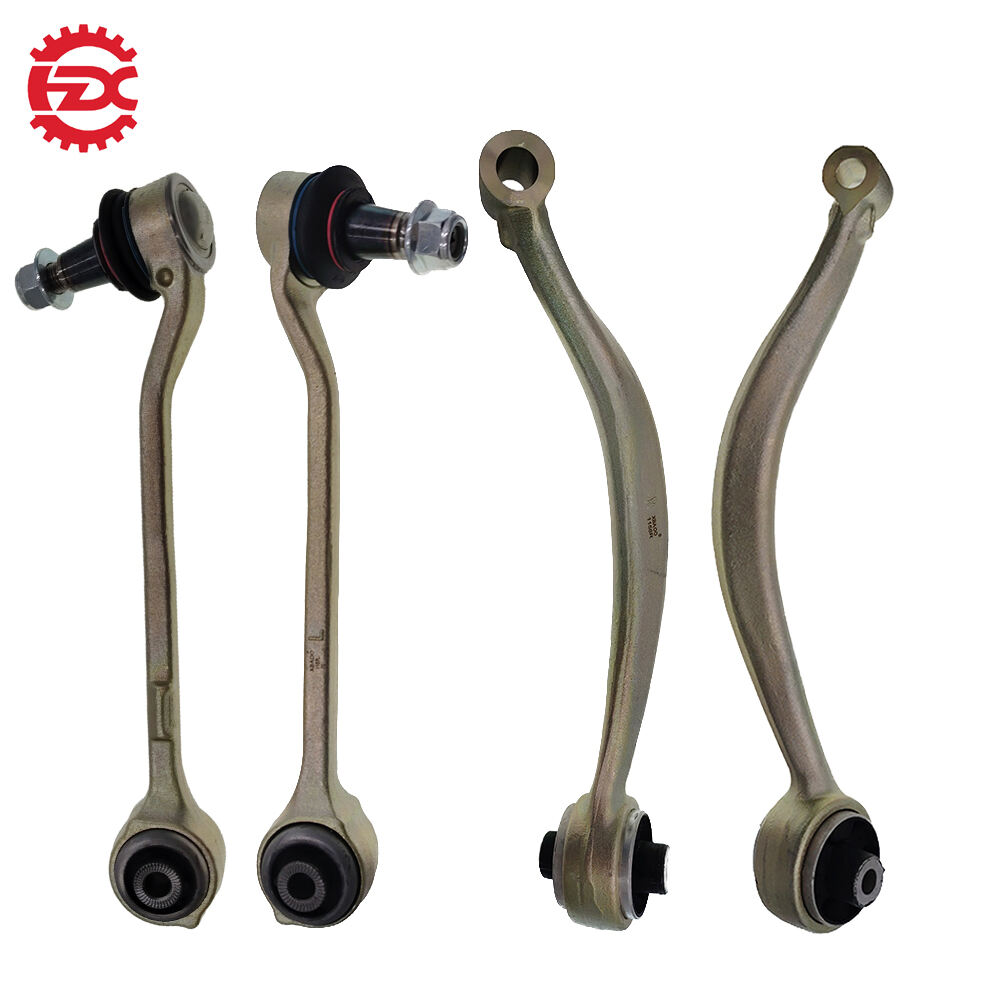
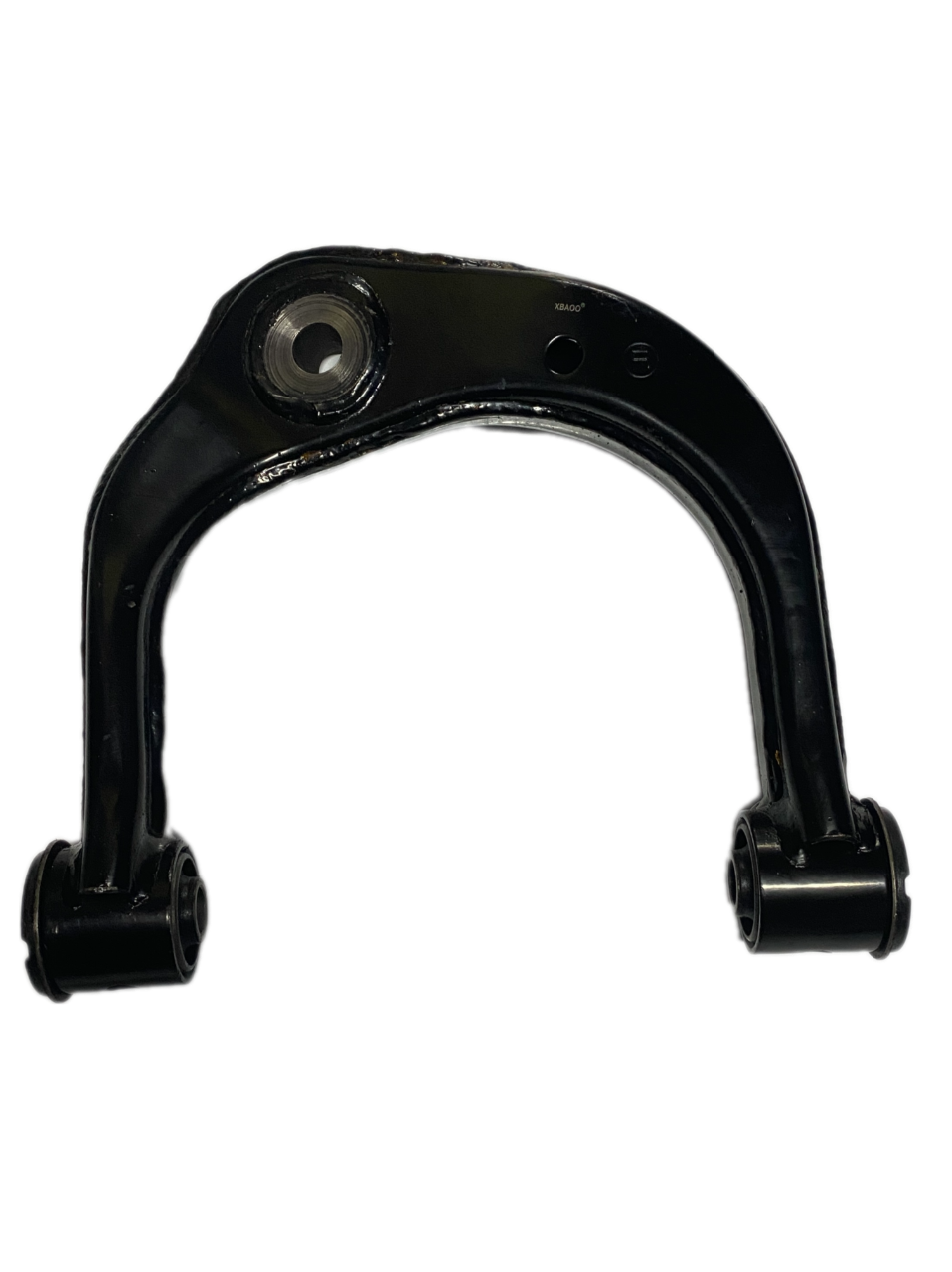
upper and lower control arm kit
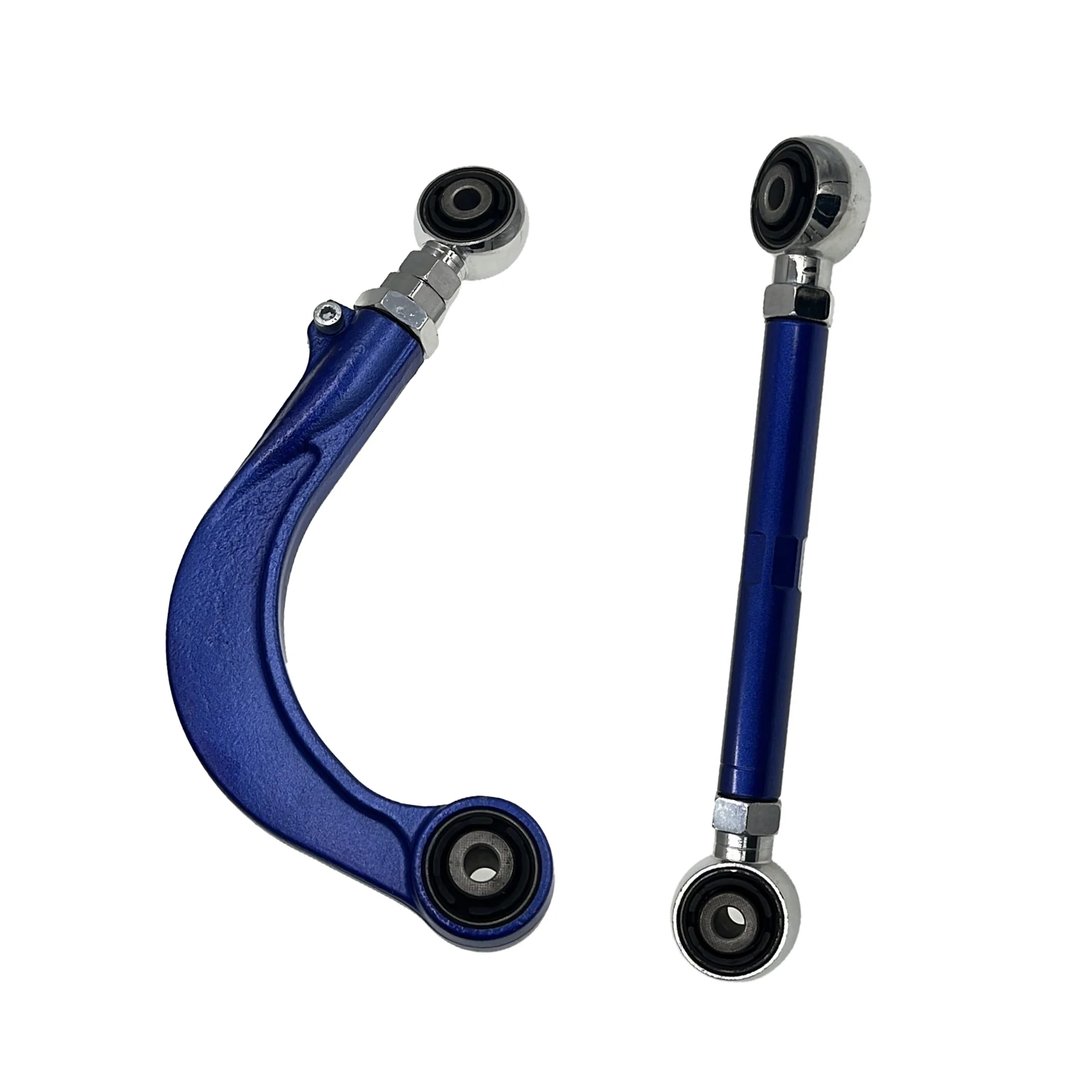
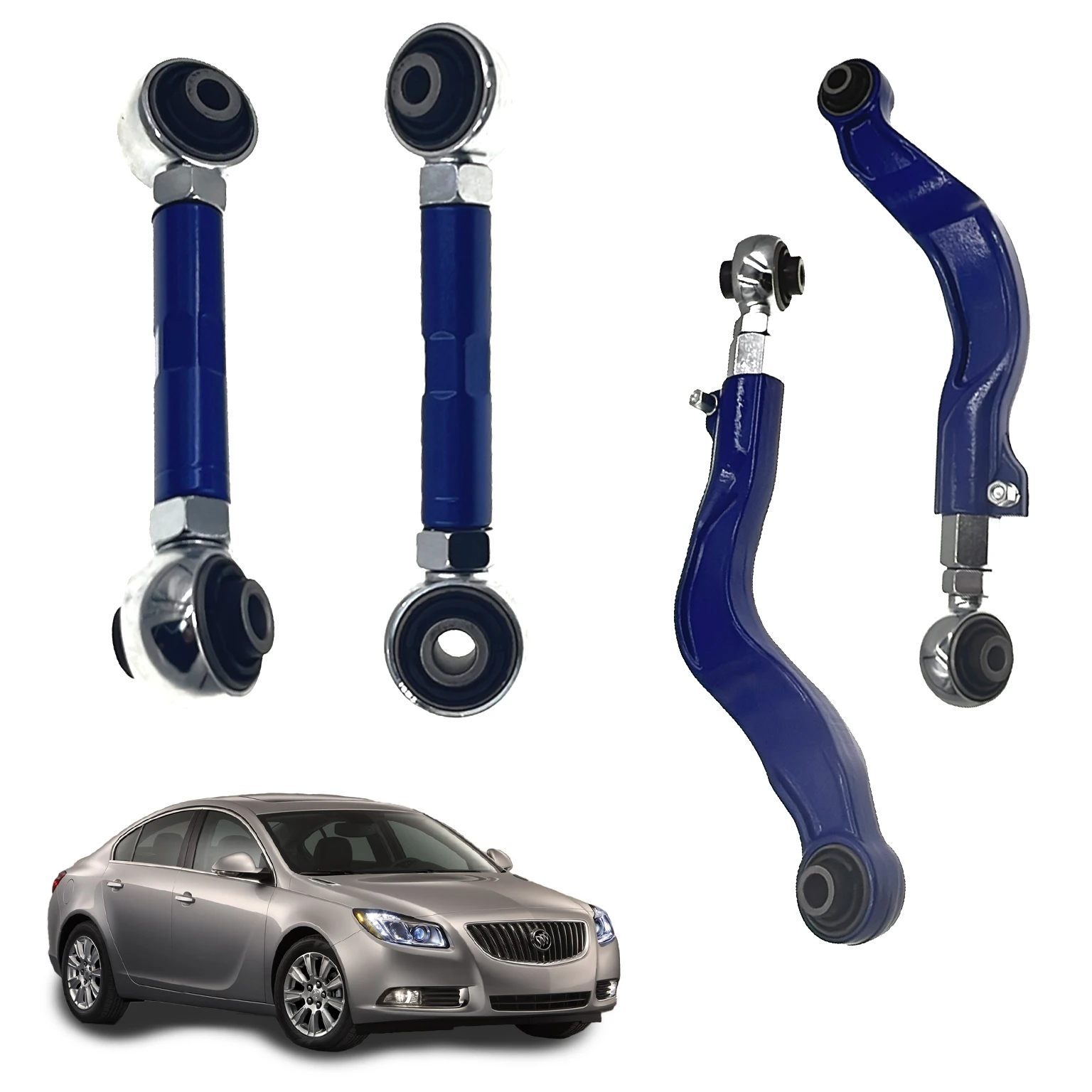
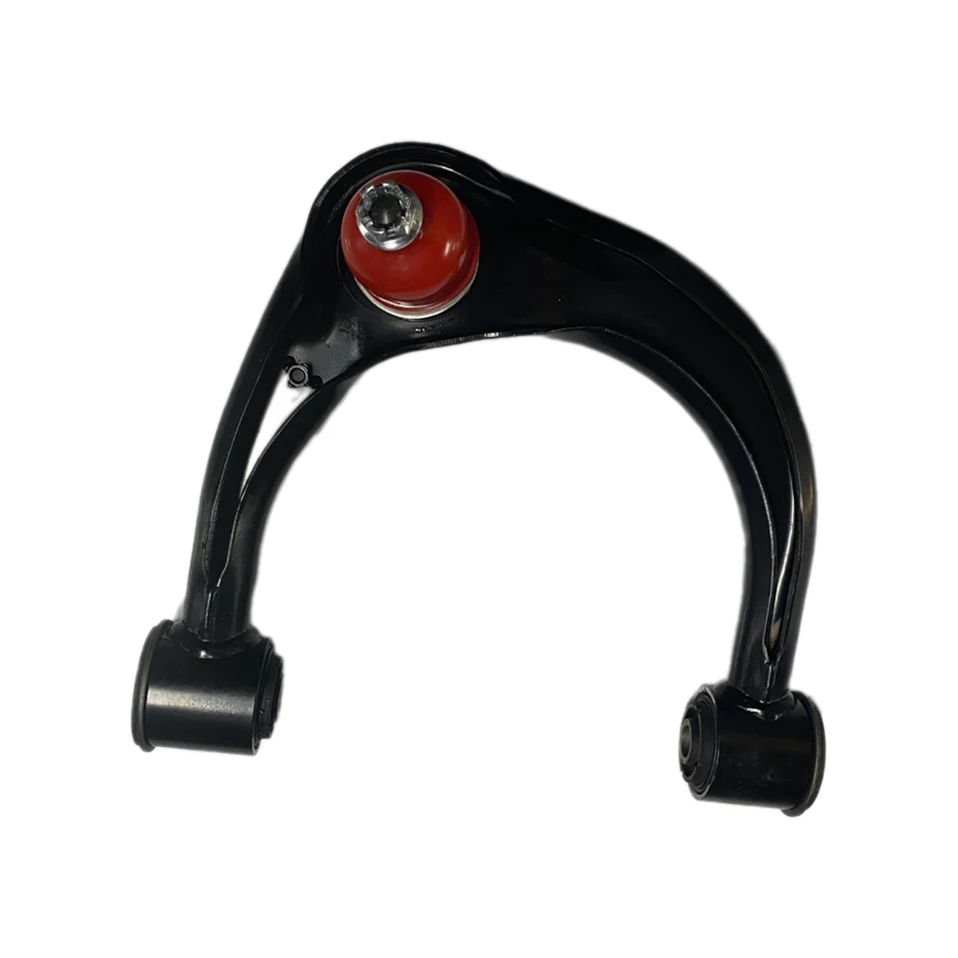
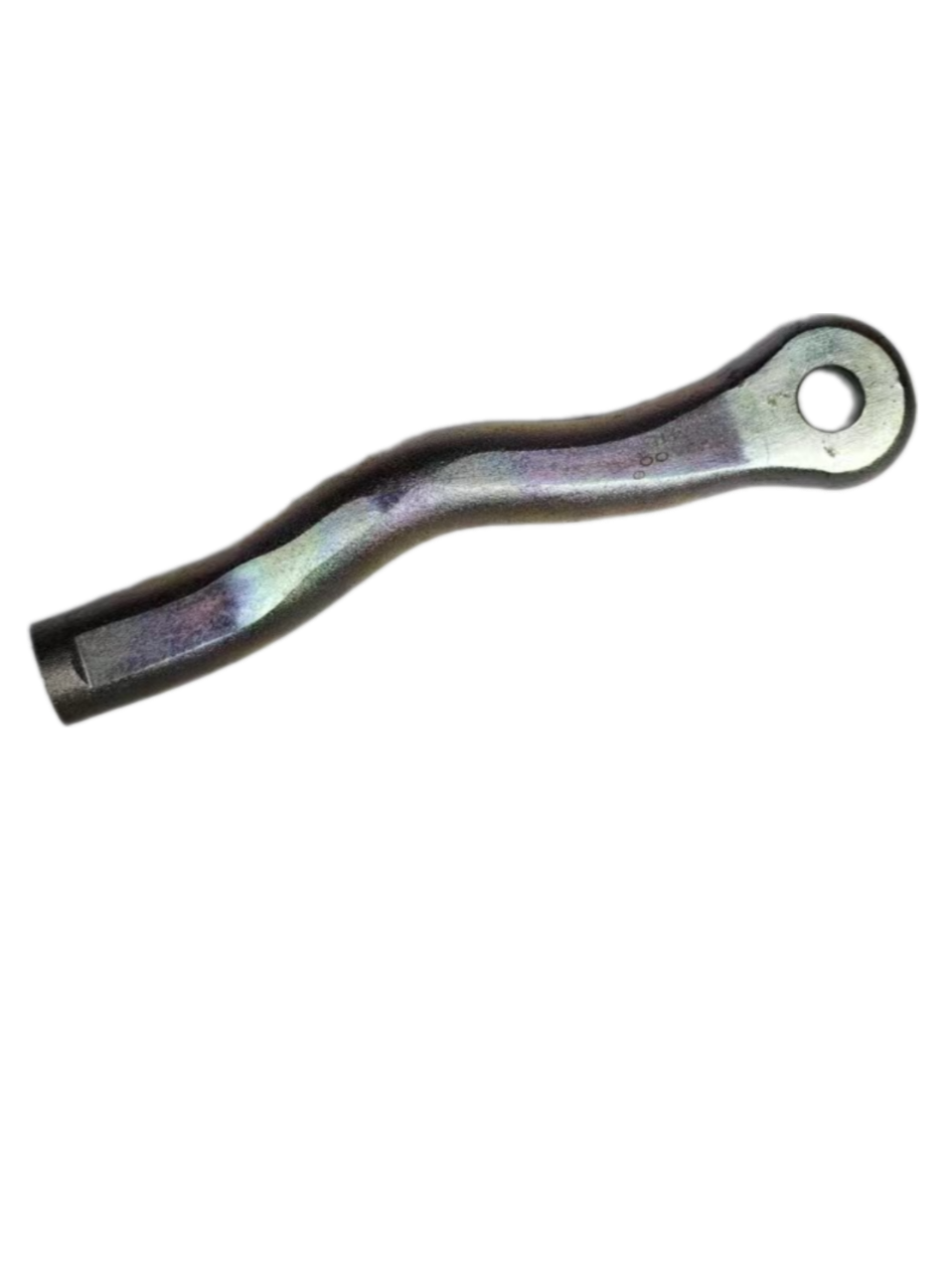
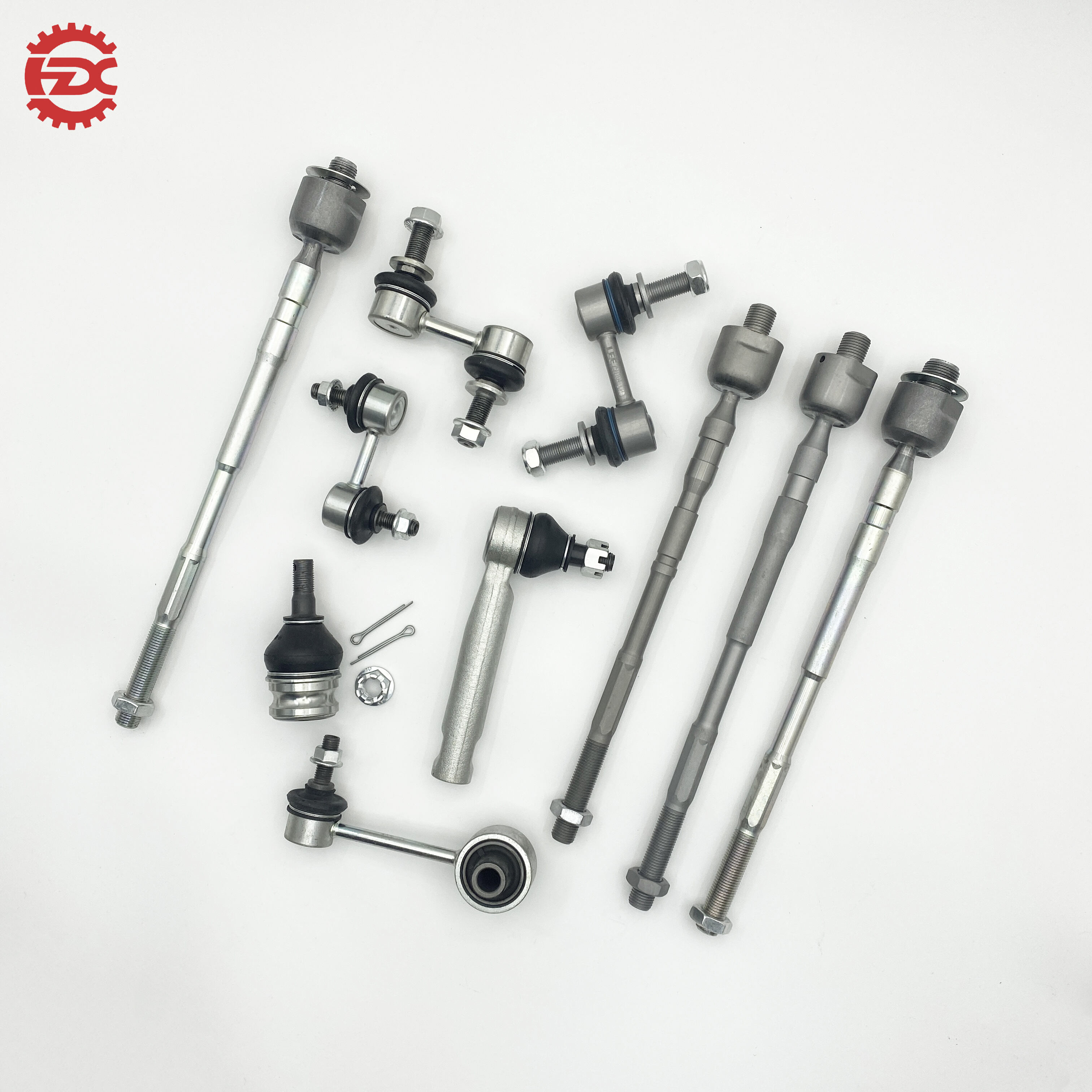
The upper and lower control arm kit represents a comprehensive suspension system solution designed to enhance vehicle stability, handling, and ride quality. This essential automotive component package includes both upper and lower control arms that work together to connect the vehicle's wheel hub and steering knuckle to the chassis frame. The upper and lower control arm kit serves as a critical link in the suspension geometry, allowing controlled vertical movement while maintaining proper wheel alignment and preventing unwanted lateral motion. Modern upper and lower control arm kits incorporate advanced engineering materials such as high-strength steel, aluminum alloys, and precision-machined components that ensure durability under extreme driving conditions. The technological features of these kits include reinforced mounting points, corrosion-resistant coatings, and precisely calibrated bushings that reduce noise, vibration, and harshness. Each upper and lower control arm kit undergoes rigorous testing to meet or exceed original equipment manufacturer specifications, ensuring seamless integration with existing suspension systems. The applications for upper and lower control arm kits span across various vehicle types, from passenger cars to heavy-duty trucks and performance vehicles. These kits are particularly valuable for vehicles experiencing suspension wear, those requiring enhanced performance capabilities, or automobiles undergoing restoration projects. The upper and lower control arm kit design incorporates multiple pivot points and connection interfaces that accommodate different suspension architectures, including double wishbone, multi-link, and MacPherson strut systems. Professional mechanics and automotive enthusiasts rely on these comprehensive kits because they provide all necessary components in a single package, reducing installation time and ensuring component compatibility. The precision manufacturing process employed in creating upper and lower control arm kits involves computer-aided design, advanced metallurgy, and quality control measures that guarantee consistent performance and longevity across diverse operating environments.
 EN
EN