car suspension arm bush
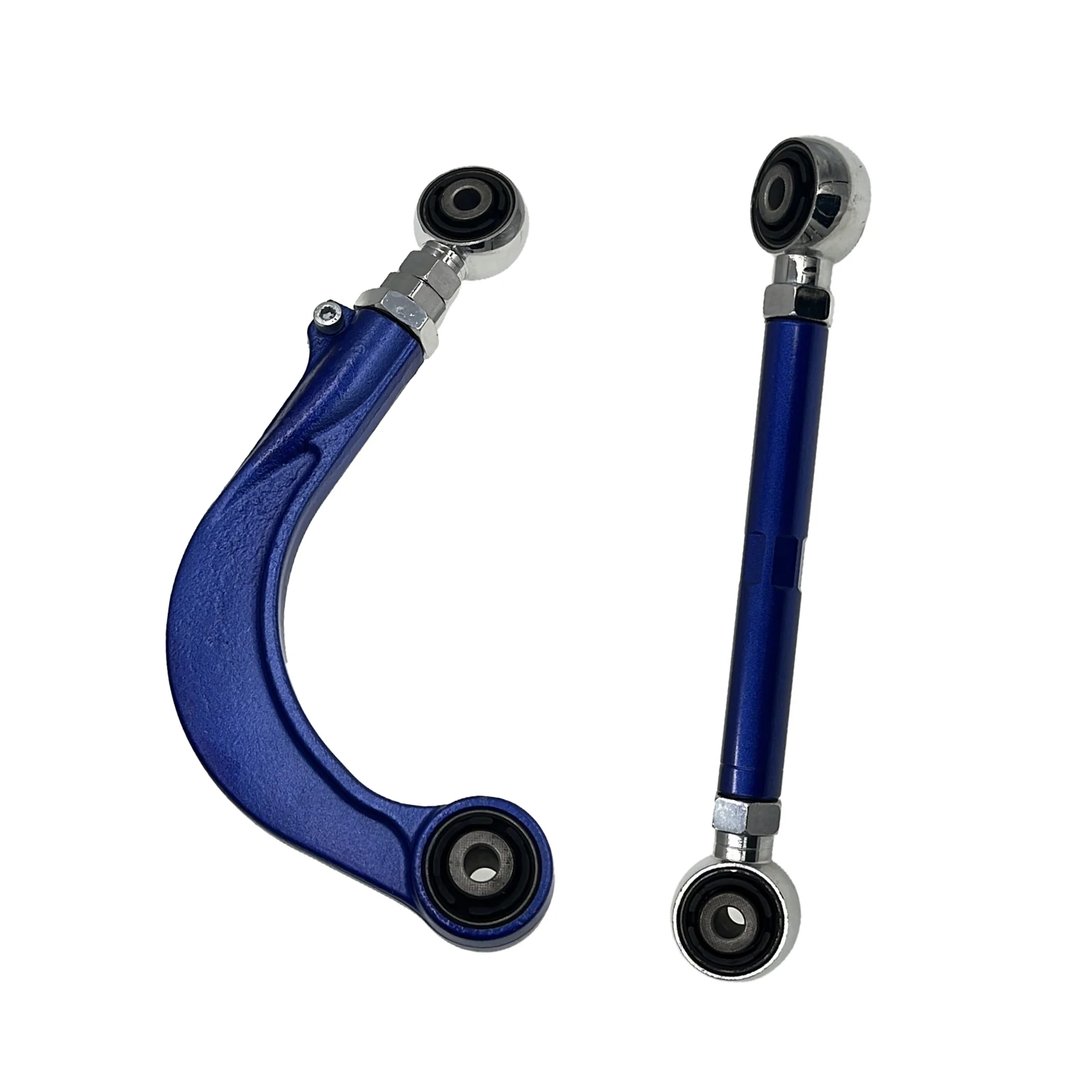
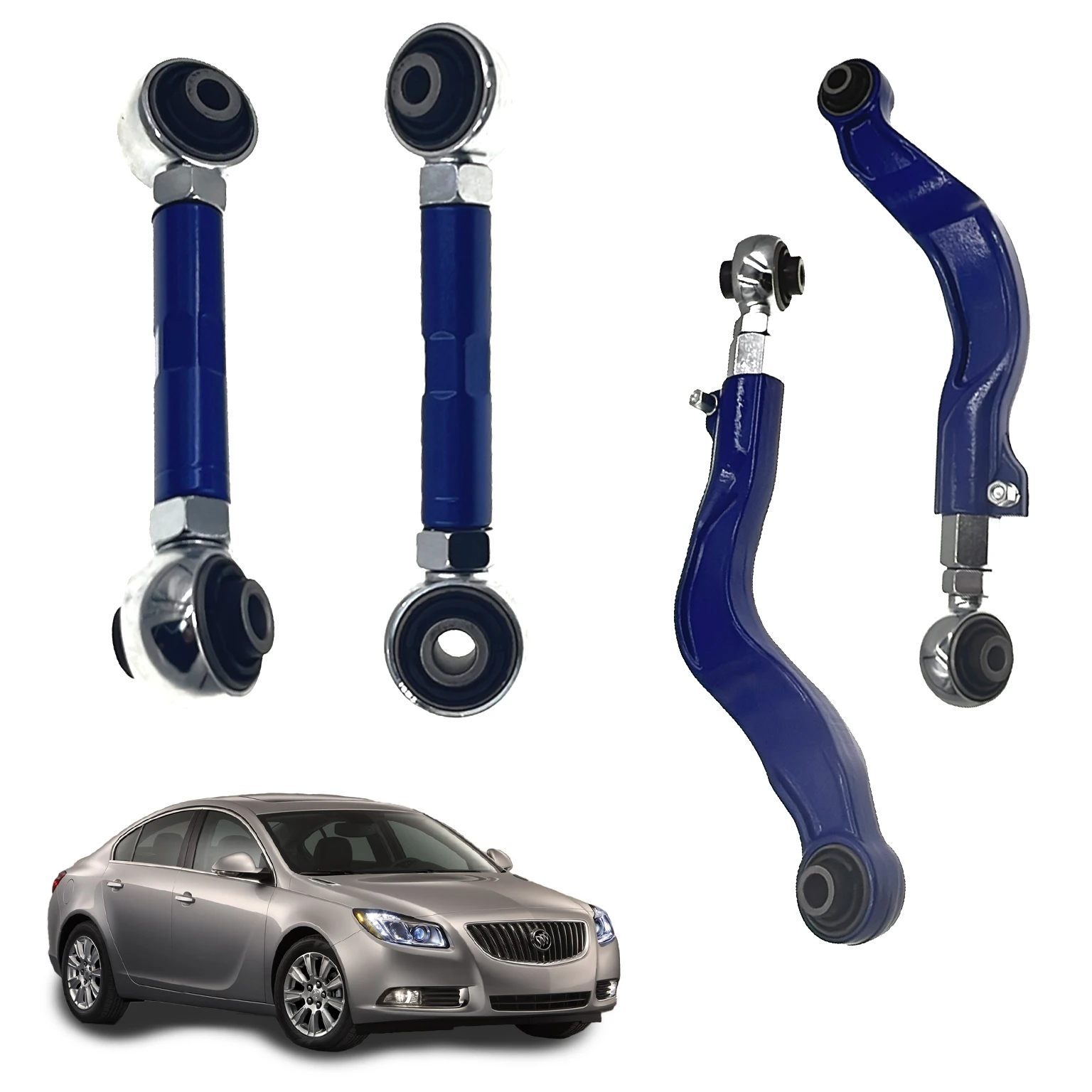
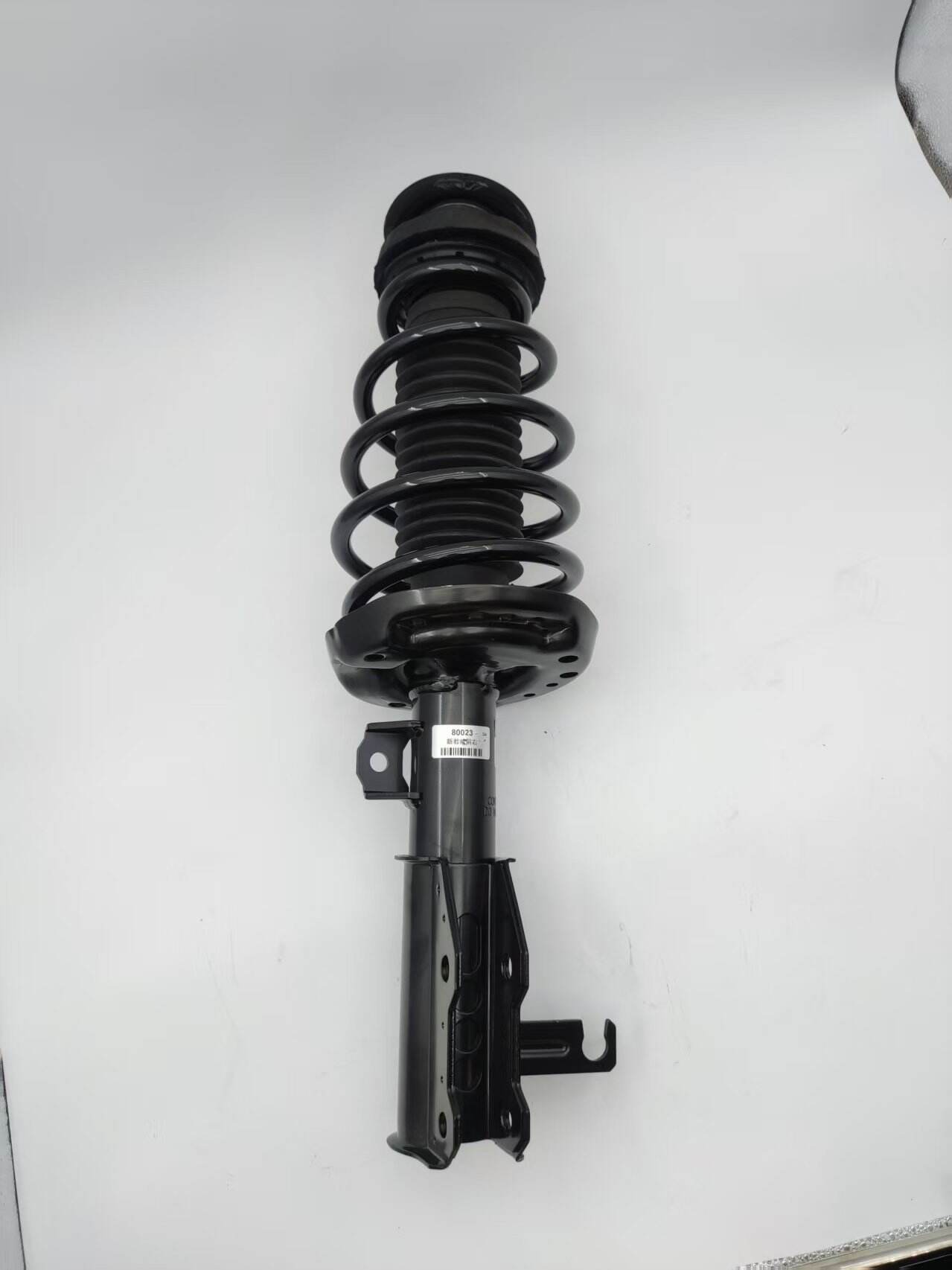
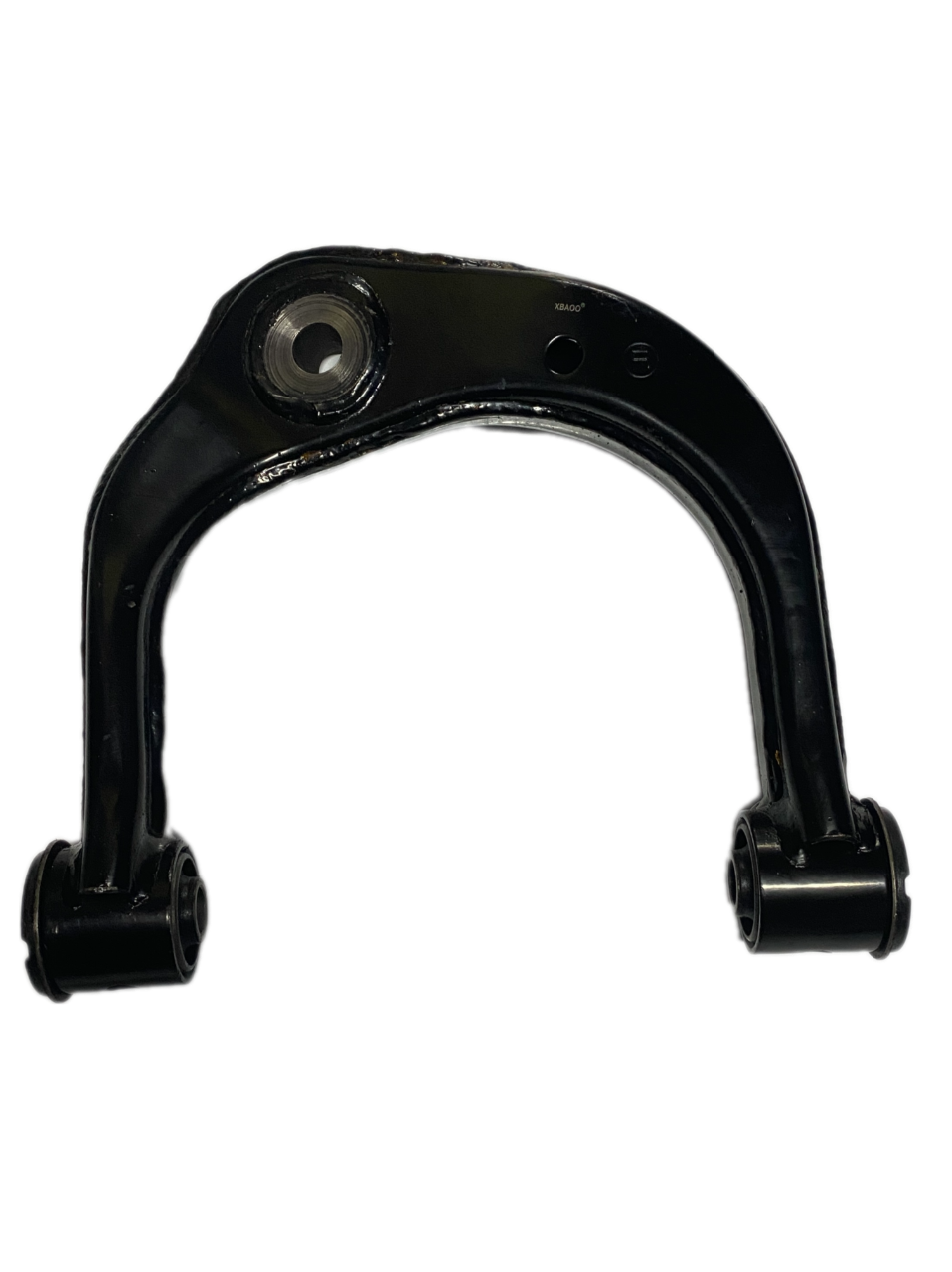
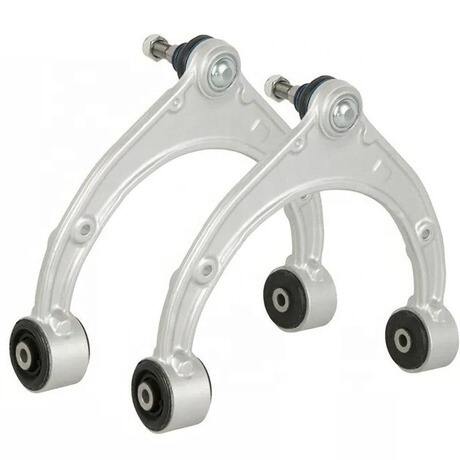
The car suspension arm bush represents a critical component in modern automotive suspension systems, serving as the vital connection point between suspension arms and the vehicle chassis. This cylindrical rubber or polyurethane component acts as a sophisticated isolation device, designed to absorb vibrations, reduce noise transmission, and provide controlled flexibility within the suspension geometry. Car suspension arm bush assemblies consist of an inner metal sleeve, an outer metal housing, and a resilient elastomeric material bonded between them. This tri-layer construction enables the bush to withstand tremendous forces while maintaining structural integrity throughout the vehicle's operational life. The primary functions of the car suspension arm bush include dampening road noise and vibrations that would otherwise transfer directly to the passenger compartment, maintaining proper wheel alignment by controlling suspension arm movement, and providing necessary pivot points for suspension articulation during cornering, braking, and acceleration. Advanced manufacturing processes ensure each car suspension arm bush meets stringent quality standards, utilizing specialized rubber compounds or high-performance polyurethane materials that resist degradation from environmental factors such as temperature extremes, moisture, and chemical exposure. The technological features of modern car suspension arm bush designs incorporate progressive spring rates, allowing for different stiffness characteristics depending on load conditions. Some premium variants feature hydraulic dampening elements or voided designs that optimize performance characteristics for specific vehicle applications. Installation locations typically include control arm mounting points, anti-roll bar connections, and trailing arm assemblies, where the car suspension arm bush provides essential isolation between moving suspension components and the rigid vehicle structure. These components find widespread application across passenger vehicles, commercial trucks, and high-performance sports cars, with each application requiring specific durometer ratings and geometric configurations to match the intended use case and performance requirements.

 EN
EN