Bent Lower Control Arm: Advanced Suspension Components for Enhanced Vehicle Performance and Durability

All Categories

Get a Free Quote

Our representative will contact you soon.
Email
Name
Company Name
Message
0/1000

bent lower control arm

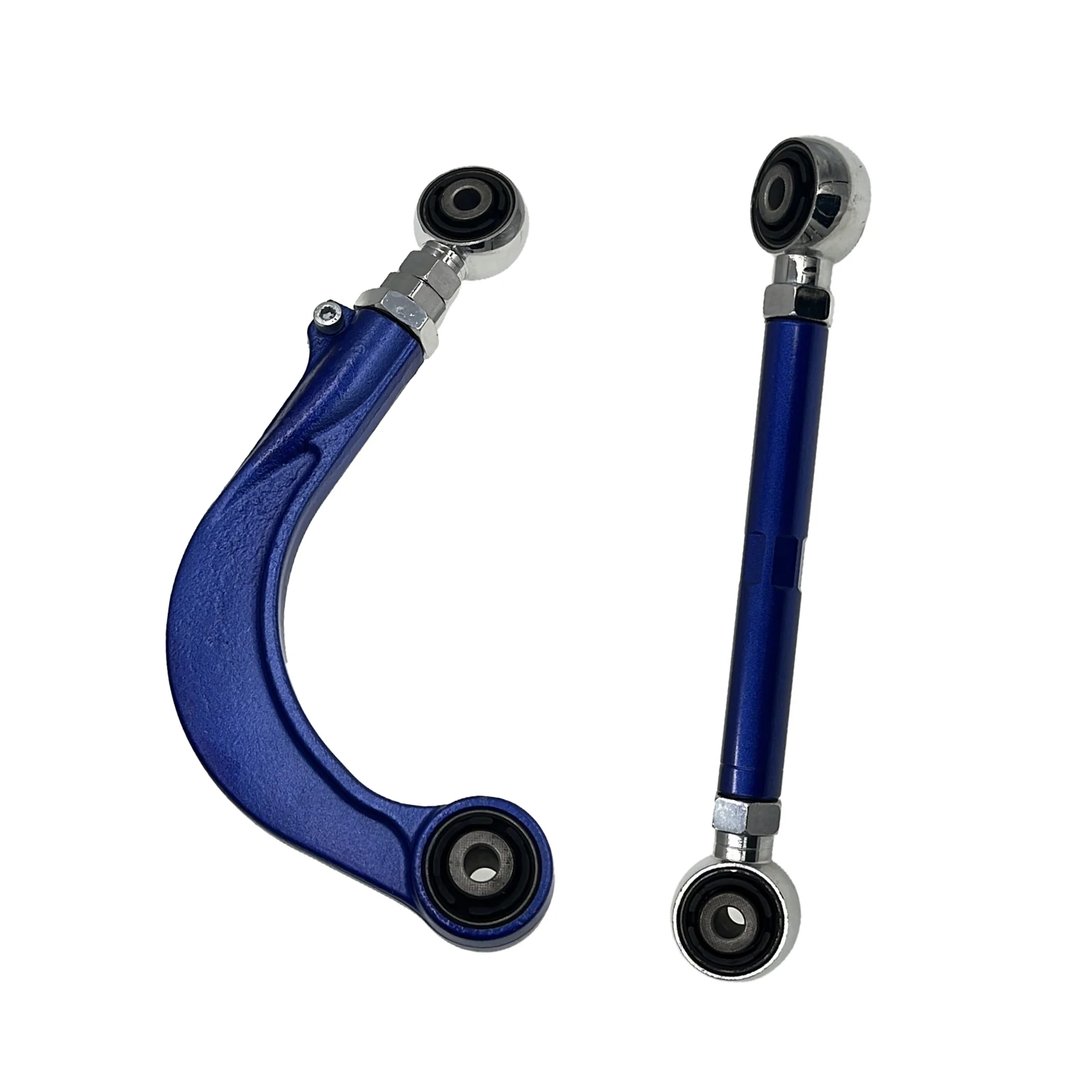
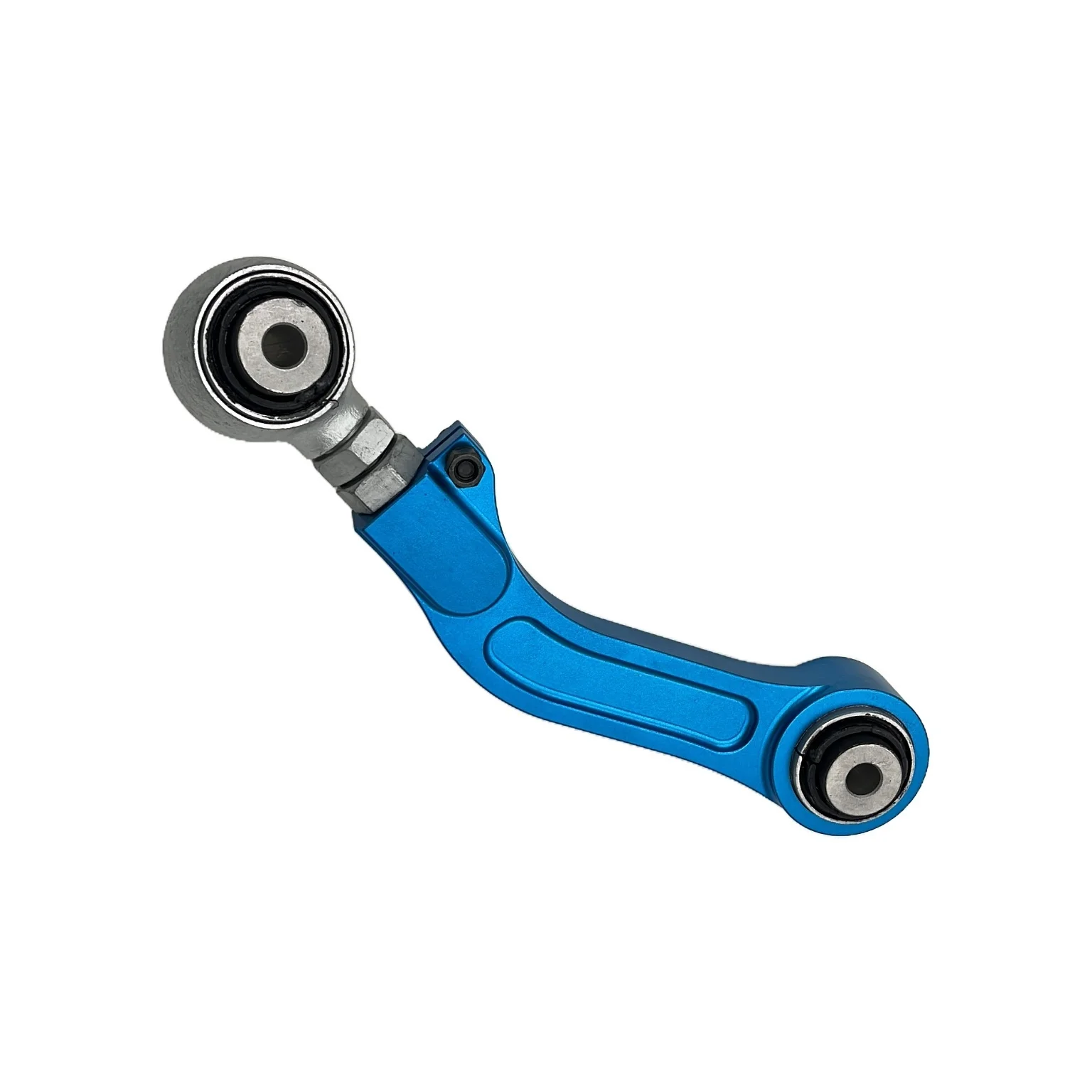
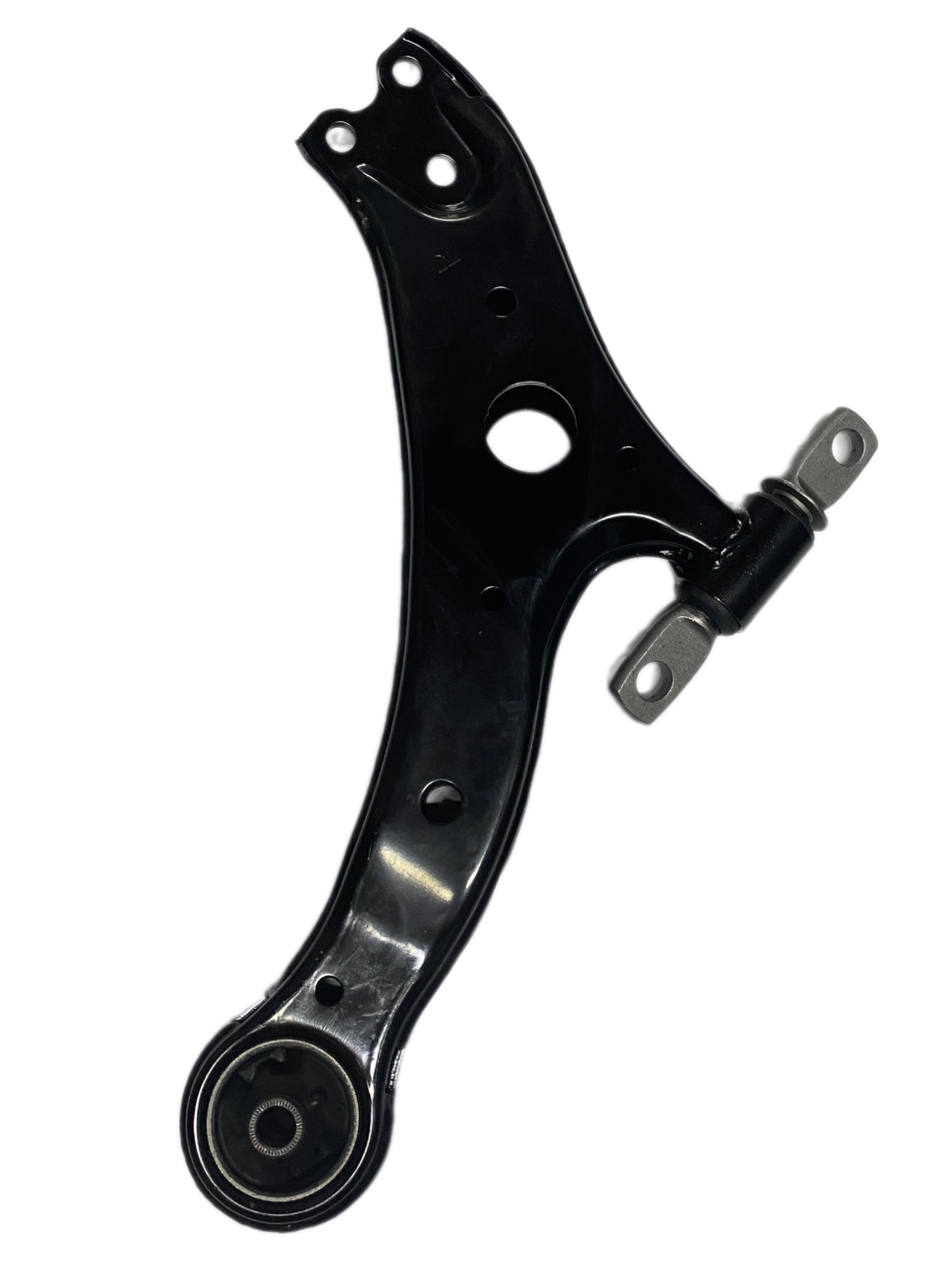
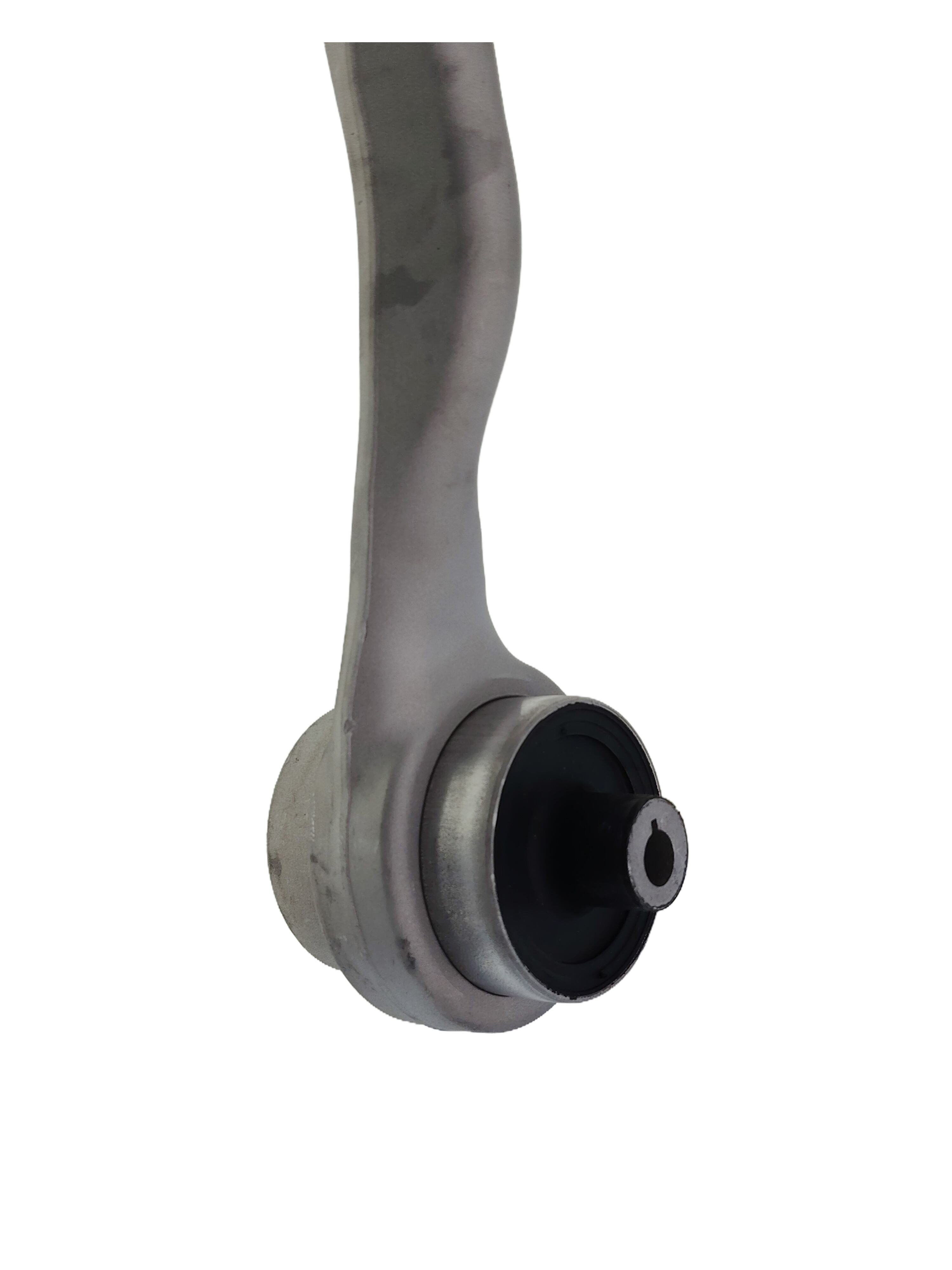
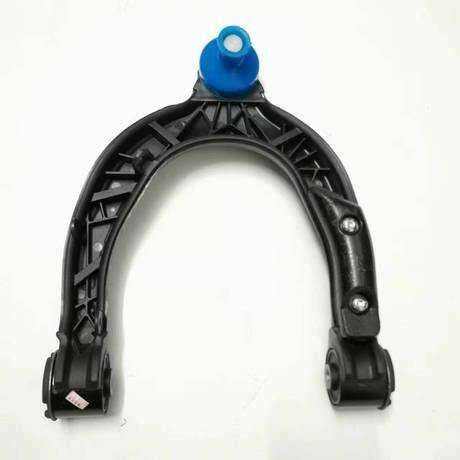
The bent lower control arm represents a critical suspension component that connects the vehicle's chassis to the wheel assembly, playing an essential role in maintaining proper wheel alignment and vehicle stability. Unlike traditional straight control arms, the bent lower control arm features a strategically designed angular configuration that optimizes space utilization while enhancing performance characteristics. This innovative design allows the bent lower control arm to accommodate complex suspension geometries and packaging constraints in modern vehicles. The primary functions of the bent lower control arm include controlling vertical wheel movement, maintaining proper camber angles during suspension travel, and providing a secure mounting point for various suspension components such as ball joints and bushings. The bent lower control arm incorporates advanced materials and manufacturing techniques to ensure durability and precision. High-strength steel or aluminum alloy construction provides the necessary rigidity while minimizing weight, contributing to improved fuel efficiency and handling dynamics. The technological features of the bent lower control arm include precision-engineered mounting points, integrated bushing assemblies, and carefully calculated bend angles that optimize suspension kinematics. These components undergo rigorous testing to ensure they meet stringent automotive standards for safety and performance. Applications for the bent lower control arm span across various vehicle categories, from passenger cars to light trucks and SUVs. The versatile design makes it particularly suitable for independent front suspension systems where space constraints and performance requirements demand innovative solutions. Modern manufacturing processes ensure that each bent lower control arm meets exact specifications, providing consistent quality and reliable performance throughout the vehicle's service life.

New Products

The bent lower control arm delivers exceptional performance benefits that directly translate to enhanced driving experiences and long-term value for vehicle owners. This innovative suspension component provides superior space efficiency compared to traditional straight designs, allowing manufacturers to optimize engine bay packaging while maintaining optimal suspension geometry. The strategic bending of the bent lower control arm creates additional clearance for exhaust systems, steering components, and other underhood equipment without compromising structural integrity. Drivers experience improved ride quality as the bent lower control arm effectively absorbs road impacts and vibrations, reducing harshness transmitted to the cabin. The precision-engineered design ensures consistent wheel alignment throughout the suspension's range of motion, resulting in more predictable handling characteristics and enhanced vehicle stability during cornering and braking maneuvers. Cost-effectiveness represents another significant advantage of the bent lower control arm, as its optimized design reduces the need for additional suspension modifications or complex mounting hardware. The streamlined manufacturing process translates to competitive pricing while maintaining high quality standards. Vehicle owners benefit from extended tire life due to the bent lower control arm's ability to maintain proper wheel alignment, reducing irregular wear patterns that lead to premature tire replacement. Maintenance requirements are minimized through the use of sealed bushings and corrosion-resistant coatings that protect the bent lower control arm from environmental damage. Installation procedures are simplified through the integration of standard mounting points and hardware, reducing labor costs for both professional mechanics and DIY enthusiasts. The bent lower control arm's robust construction ensures reliable performance under various driving conditions, from daily commuting to demanding highway travel. Safety is enhanced through rigorous testing protocols that validate the bent lower control arm's ability to withstand extreme loads and stress conditions. The component's failure-resistant design provides peace of mind for drivers who depend on consistent suspension performance for safe vehicle operation.

Latest News

Exploring Performance Rear Toe Arm Upgrade Benefits

24

Sep

Exploring Performance Rear Toe Arm Upgrade Benefits

Understanding the Impact of Advanced Suspension Components Vehicle performance enthusiasts understand that every component plays a crucial role in achieving optimal handling and stability. Among these critical elements, the rear toe arm upgrade stand...
View More
Adjustable Camber Arms: Precision in Alignment

24

Sep

Adjustable Camber Arms: Precision in Alignment

Understanding Vehicle Suspension Geometry and Control Vehicle performance enthusiasts and professional mechanics alike recognize the critical role that suspension geometry plays in achieving optimal handling and tire wear. At the heart of this precis...
View More
Best Practices for Using Adjustable Camber Arms

27

Nov

Best Practices for Using Adjustable Camber Arms

Adjustable camber arms represent a crucial upgrade for automotive enthusiasts and professionals seeking precise wheel alignment control. These sophisticated suspension components allow drivers to fine-tune their vehicle's camber angle, delivering imp...
View More
Advanced Camber Arms Techniques for Performance Gains

27

Nov

Advanced Camber Arms Techniques for Performance Gains

Precision suspension tuning represents the pinnacle of automotive performance enhancement, where every component plays a crucial role in achieving optimal handling characteristics. Among the most influential yet often overlooked components are camber...
View More

Get a Free Quote

Our representative will contact you soon.
Email
Name
Company Name
Message
0/1000

bent lower control arm

Advanced Geometric Design for Optimal Performance

Advanced Geometric Design for Optimal Performance

The bent lower control arm features a sophisticated geometric configuration that sets it apart from conventional suspension components, delivering measurable improvements in vehicle dynamics and packaging efficiency. The carefully calculated bend angles in the bent lower control arm are engineered using advanced computer modeling and finite element analysis to optimize stress distribution while maximizing available space utilization. This innovative design approach enables the bent lower control arm to provide superior clearance for critical vehicle systems including exhaust components, steering linkages, and electrical harnesses without sacrificing structural performance or durability. The geometric advantages of the bent lower control arm extend beyond simple space savings, as the angular design creates more favorable suspension kinematics that improve wheel control throughout the full range of suspension travel. Engineers have precisely tuned the bend radius and positioning to minimize unwanted geometry changes during compression and rebound cycles, resulting in more consistent tire contact patches and enhanced grip characteristics. The bent lower control arm's unique shape also contributes to improved crash energy absorption, as the strategic bends can deform in controlled patterns during impact events, helping to protect occupants while maintaining cabin integrity. Manufacturing precision is critical for the bent lower control arm's geometric design, requiring specialized forming equipment and quality control processes to ensure consistent bend angles and dimensional accuracy across production runs. The resulting component exhibits superior fatigue resistance compared to welded assemblies, as the continuous material structure of the bent lower control arm eliminates potential stress concentration points that could lead to premature failure. Vehicle manufacturers appreciate how the bent lower control arm's geometric advantages simplify overall suspension design, reducing the need for complex mounting brackets or interference-prone routing of adjacent systems, ultimately contributing to lower production costs and improved reliability.
Superior Material Engineering and Durability

Superior Material Engineering and Durability

The bent lower control arm incorporates cutting-edge material science and engineering principles to deliver exceptional durability and performance characteristics that exceed industry standards for automotive suspension components. High-grade steel alloys or lightweight aluminum compositions form the foundation of the bent lower control arm, carefully selected for their optimal combination of strength, ductility, and corrosion resistance properties. The material selection process for the bent lower control arm involves extensive testing under simulated real-world conditions, including temperature cycling, salt spray exposure, and cyclic loading to ensure long-term reliability across diverse operating environments. Advanced heat treatment processes enhance the bent lower control arm's microstructure, creating uniform grain patterns that improve fatigue life and impact resistance while maintaining the flexibility needed for proper suspension function. Surface treatment technologies applied to the bent lower control arm include multi-layer coating systems that provide superior protection against corrosion, road salt, and environmental contaminants that could compromise component integrity over time. The bent lower control arm's material engineering extends to integrated bushing systems, where specialized elastomeric compounds are precisely formulated to provide optimal vibration isolation while maintaining dimensional stability under varying temperature and load conditions. Quality assurance protocols for the bent lower control arm include comprehensive material certification processes, dimensional inspections, and performance validation testing that ensures each component meets stringent automotive specifications. The durability advantages of the bent lower control arm translate directly to reduced maintenance costs and extended service intervals for vehicle owners, as the robust construction resists wear and degradation that commonly affects conventional suspension components. Environmental responsibility is addressed through the bent lower control arm's material composition, which incorporates recycled content where possible and maintains full recyclability at the end of the component's service life, supporting sustainable automotive manufacturing practices.

Enhanced Vehicle Safety and Control Systems Integration

Enhanced Vehicle Safety and Control Systems Integration

The bent lower control arm plays a crucial role in modern vehicle safety systems, providing the precise wheel positioning and control necessary for optimal performance of advanced driver assistance technologies and electronic stability management systems. Integration with contemporary safety features requires the bent lower control arm to maintain extremely tight tolerances in wheel alignment and positioning, as even minor deviations can affect the accuracy of ABS sensors, traction control systems, and electronic stability programs that rely on precise wheel speed and position data. The bent lower control arm's contribution to vehicle safety extends beyond its mechanical function, as its robust design ensures consistent performance under emergency braking conditions where maximum tire contact and controlled wheel behavior are essential for shortest stopping distances. Advanced testing protocols validate the bent lower control arm's performance under extreme conditions including high-speed stability scenarios, emergency lane changes, and panic braking situations that push suspension components to their operational limits. The bent lower control arm's compatibility with modern tire pressure monitoring systems and wheel speed sensors requires careful consideration of magnetic interference and signal clarity, ensuring that safety-critical data transmission remains reliable throughout the component's service life. Vehicle dynamics control systems benefit from the bent lower control arm's predictable behavior characteristics, as the component's consistent geometry changes during suspension travel enable more accurate calibration of electronic systems that manage power delivery, braking force distribution, and stability interventions. The bent lower control arm's integration with passive safety systems includes careful consideration of crash energy management, where the component's deformation characteristics are engineered to contribute positively to occupant protection strategies while maintaining suspension mounting point integrity during impact events. Quality control measures for safety-critical applications of the bent lower control arm include enhanced inspection procedures, material traceability systems, and performance validation testing that exceeds standard automotive component requirements, ensuring reliable operation throughout the vehicle's design life under all anticipated operating conditions.

Get a Free Quote

Our representative will contact you soon.
Email
Name
Company Name
Message
0/1000